Ischemic Hepatitis as the Presenting Manifestation of Cardiac Amyloidosis
Chelsey A. Petz, Thomas Todoran, Don C. Rockey

TL;DR
This paper discusses how sudden liver enzyme elevation can be a sign of heart disease, specifically cardiac amyloidosis.
Contribution
The paper highlights the importance of considering cardiac dysfunction as a cause of hypoxic hepatitis.
Findings
Ischemic hepatitis can be a presenting sign of cardiac amyloidosis.
Advanced imaging improves the diagnosis of infiltrative heart diseases like amyloidosis.
Abstract
An abrupt elevation in aminotransferases without clear etiology may be attributed to hypoxic hepatitis. Underlying cardiac dysfunction, an important clinical clue, is often overlooked as a cause of hypoxic hepatitis, and understanding the interdependence of the heart and liver is crucial in making this diagnosis. Causes of cardiac dysfunction may include any of many different diagnoses; infiltrative heart disease is a rare cause of cardiac dysfunction, with amyloidosis being the most common among this category of pathologies. More advanced imaging techniques have improved the ability to diagnose infiltrative heart disease, thus allowing quicker diagnosis of conditions such as amyloidosis.
Genes, proteins, chemicals, diseases, species, mutations and cell lines named across the full text — each resolved to its canonical identifier and authoritative record.
Click any figure to enlarge with its caption.
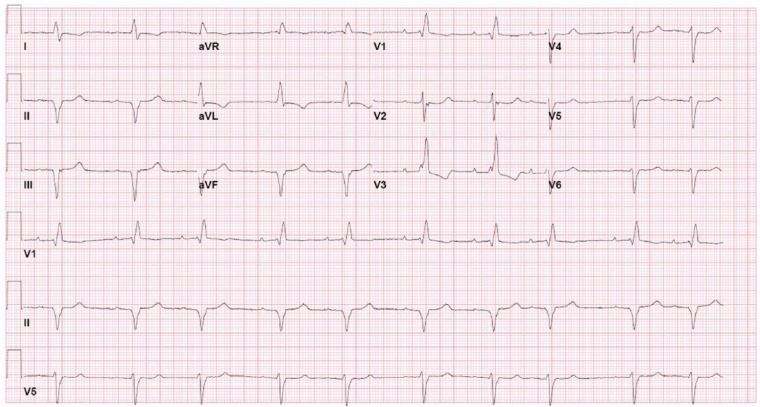 Figure 1
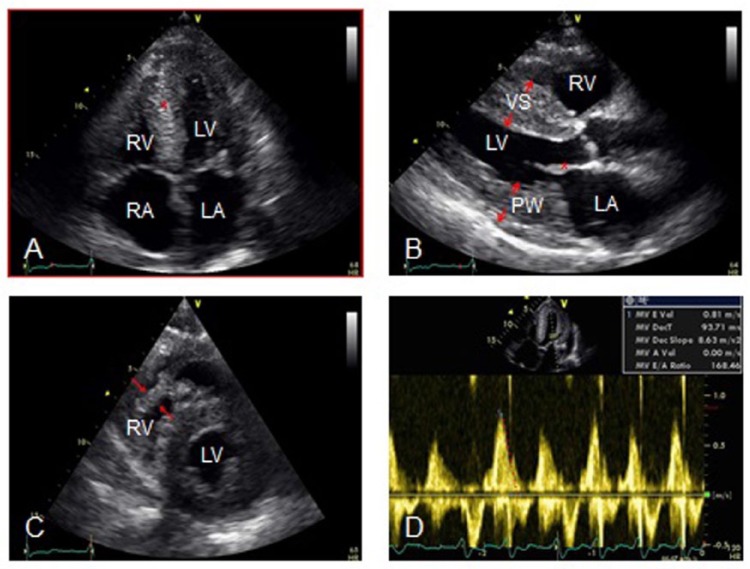 Figure 2
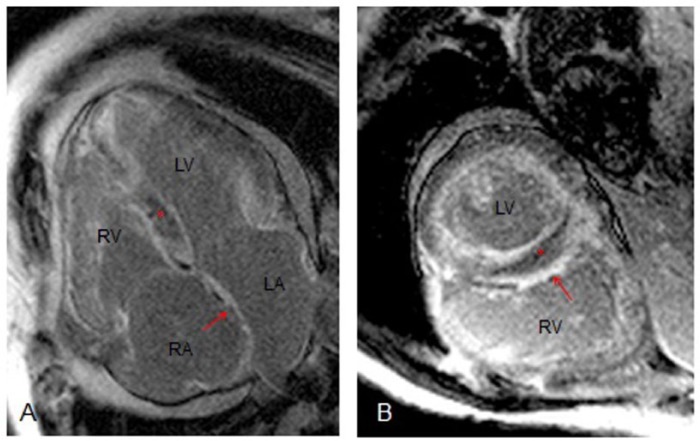 Figure 3
Peer Reviews
No public reviews on file for this paper yet. If you reviewed it on a platform where reviews are public (OpenReview, ICLR, NeurIPS, ICML), you can paste yours below so the community can read it here.
Videos
No videos yet. Explain this paper in a talk, walkthrough, or lecture? Add one.
Taxonomy
TopicsAmyloidosis: Diagnosis, Treatment, Outcomes · Pancreatitis Pathology and Treatment · Gout, Hyperuricemia, Uric Acid