Morphologically Cryptic Amphipod Species Are “Ecological Clones” at Regional but Not at Local Scale: A Case Study of Four Niphargus Species
Žiga Fišer, Florian Altermatt, Valerija Zakšek, Tea Knapič, Cene Fišer

TL;DR
This study finds that four cryptic amphipod species are ecologically distinct at a local scale but similar at a regional scale.
Contribution
The study demonstrates that cryptic species can be ecologically distinct at local scales despite being morphologically similar and phylogenetically close.
Findings
The four Niphargus species form two pairs of sister species with distinct ecological niches.
Low co-occurrence frequencies suggest ongoing or past interspecific competition.
Ecological equivalence of cryptic species depends on the spatial scale of observation.
Abstract
Recent studies indicate that morphologically cryptic species may be ecologically more different than would be predicted from their morphological similarity and phylogenetic relatedness. However, in biodiversity research it often remains unclear whether cryptic species should be treated as ecologically equivalent, or whether detected differences have ecological significance. In this study, we assessed the ecological equivalence of four morphologically cryptic species of the amphipod genus Niphargus. All species live in a small, isolated area on the Istrian Peninsula in the NW Balkans. The distributional ranges of the species are partially overlapping and all species are living in springs. We reconstructed their ecological niches using morphological traits related to feeding, bioclimatic niche envelope and species’ preference for epi-hypogean habitats. The ecological meaning of…
Genes, proteins, chemicals, diseases, species, mutations and cell lines named across the full text — each resolved to its canonical identifier and authoritative record.
Click any figure to enlarge with its caption.
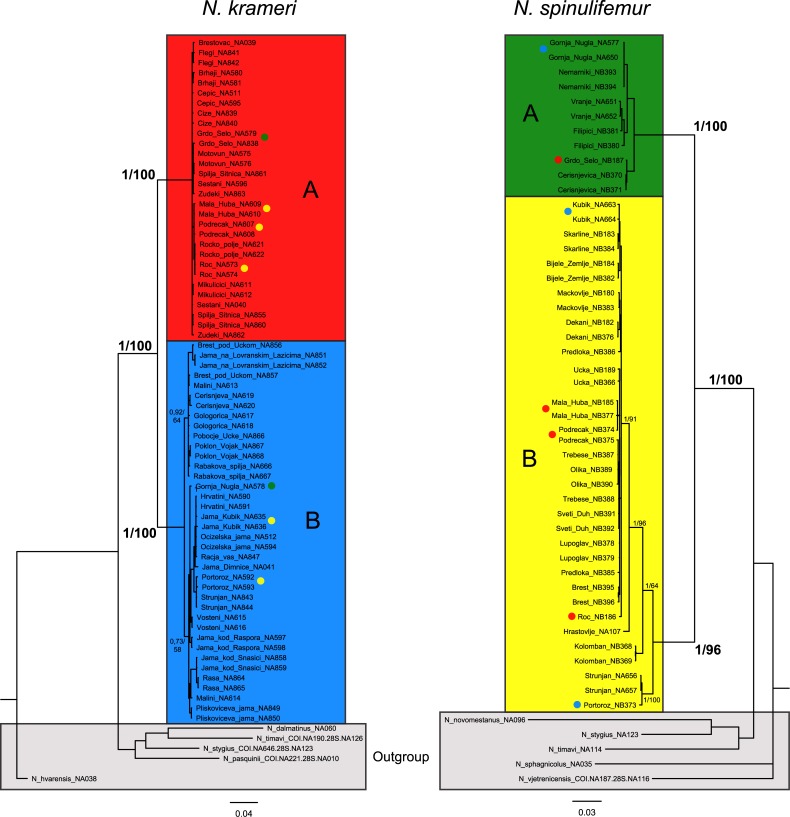 Figure 1
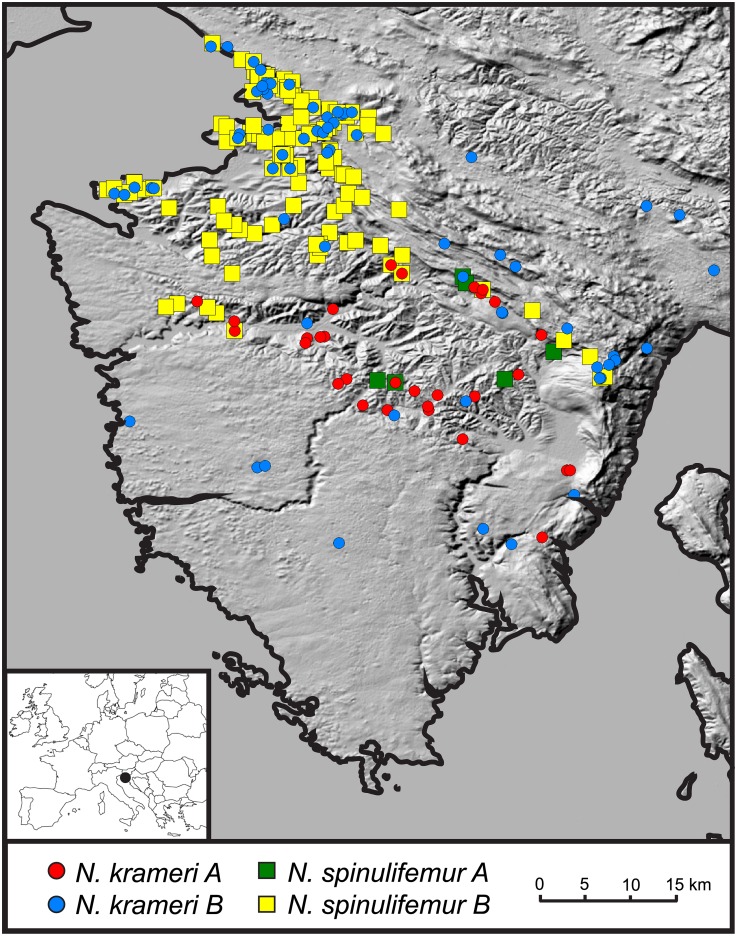 Figure 2
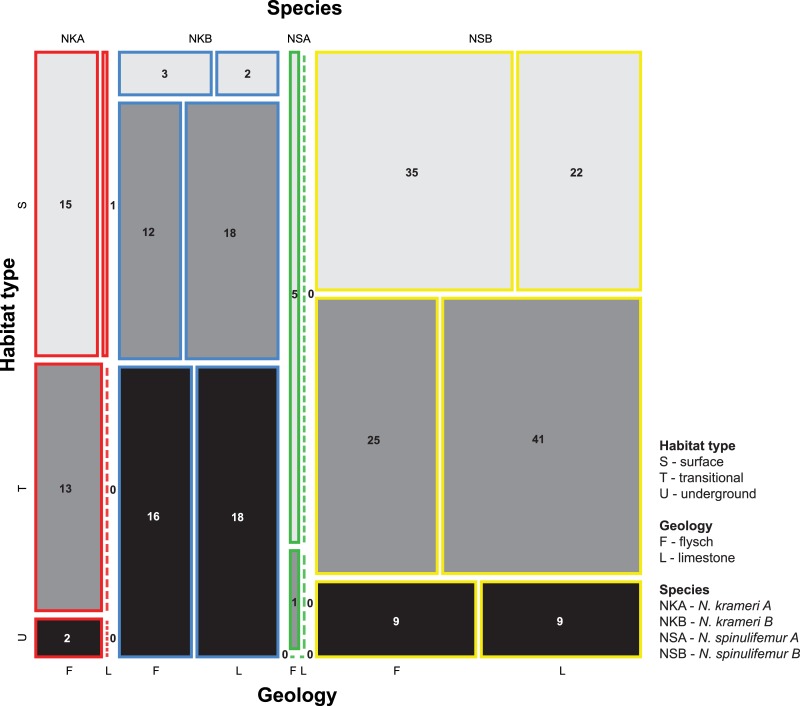 Figure 3
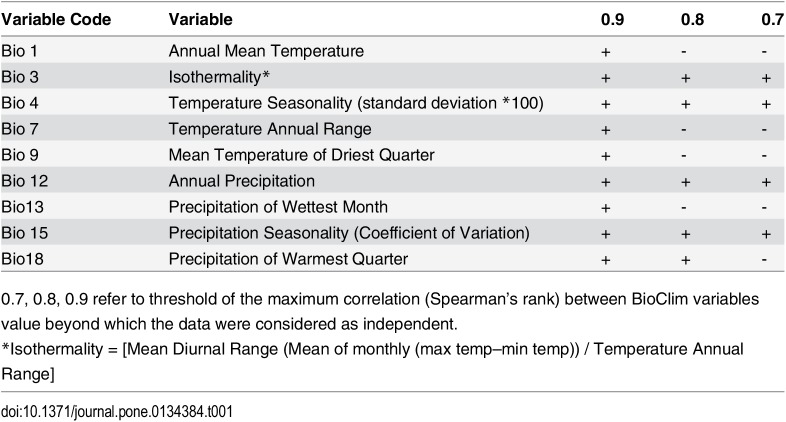 Figure 4
 Figure 5
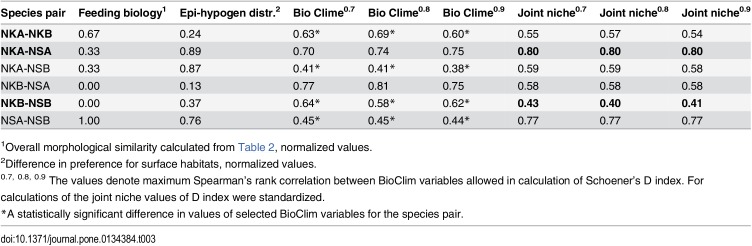 Figure 6
 Figure 7
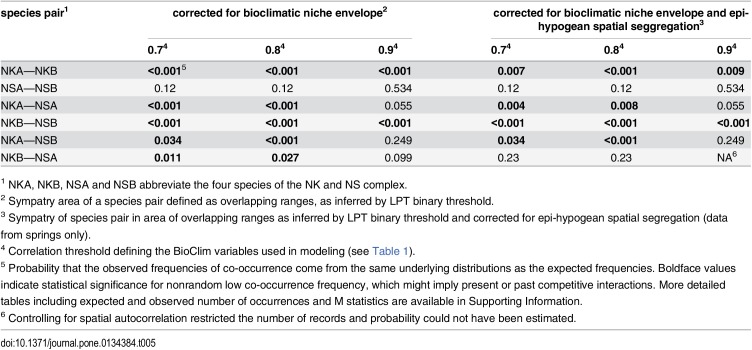 Figure 8
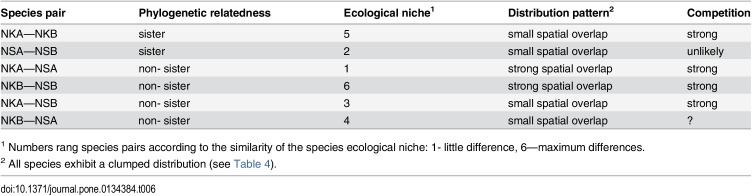 Figure 9
Peer Reviews
No public reviews on file for this paper yet. If you reviewed it on a platform where reviews are public (OpenReview, ICLR, NeurIPS, ICML), you can paste yours below so the community can read it here.
Videos
No videos yet. Explain this paper in a talk, walkthrough, or lecture? Add one.
Taxonomy
TopicsArchaeological and Historical Studies · Medieval Architecture and Archaeology · Archaeological and Geological Studies