Synthesis and Biological Evaluation of Novel Dehydroabietic Acid Derivatives Conjugated with Acyl-Thiourea Peptide Moiety as Antitumor Agents
Le Jin, Hong-En Qu, Xiao-Chao Huang, Ying-Ming Pan, Dong Liang, Zhen-Feng Chen, Heng-Shan Wang, Ye Zhang

TL;DR
Researchers designed and tested new antitumor compounds based on dehydroabietic acid, finding one that effectively kills cancer cells while being less harmful to normal cells.
Contribution
A new class of antitumor agents based on dehydroabietic acid conjugated with acyl-thiourea peptide moieties was synthesized and evaluated.
Findings
Compound 9n showed strong antitumor activity against HeLa cells with an IC50 of 6.58 μM.
Compound 9n induced apoptosis in HeLa cells through a mitochondrial pathway.
Compound 9n arrested HeLa cells in the S phase of the cell cycle.
Abstract
A series of dehydroabietic acid (DHAA) acyl-thiourea derivatives were designed and synthesized as potent antitumor agents. The in vitro pharmacological screening results revealed that the target compounds exhibited potent cytotoxicity against HeLa, SK-OV-3 and MGC-803 tumor cell lines, while they showed lower cytotoxicity against HL-7702 normal human river cells. Compound 9n (IC50 = 6.58 ± 1.11 μM) exhibited the best antitumor activity against the HeLa cell line and even displayed more potent inhibitory activity than commercial antitumor drug 5-FU (IC50 = 36.58 ± 1.55 μM). The mechanism of representative compound 9n was then studied by acridine orange/ethidium bromide staining, Hoechst 33,258 staining, JC-1 mitochondrial membrane potential staining, TUNEL assay and flow cytometry, which illustrated that this compound could induce apoptosis in HeLa cells. Cell cycle analysis indicated…
Genes, proteins, chemicals, diseases, species, mutations and cell lines named across the full text — each resolved to its canonical identifier and authoritative record.
Click any figure to enlarge with its caption.
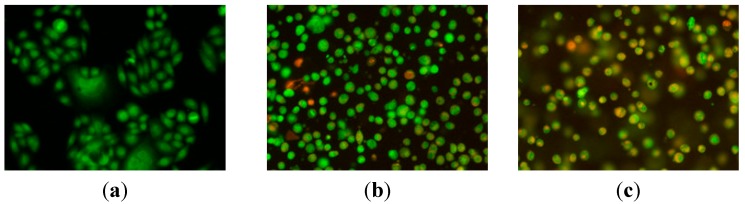 Figure 1
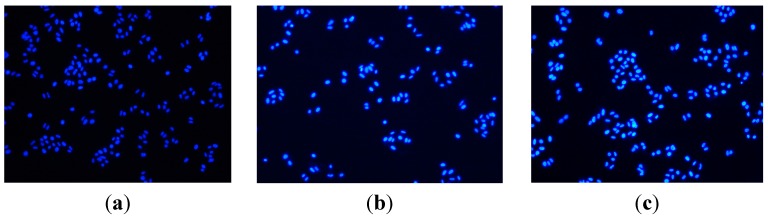 Figure 2
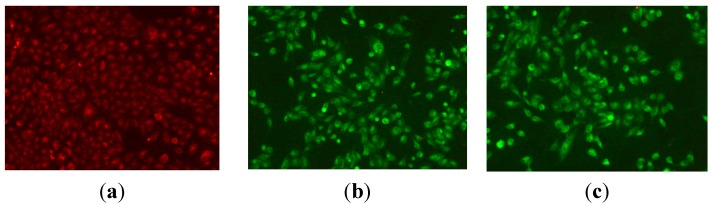 Figure 3
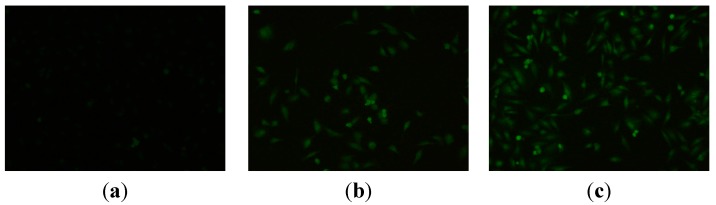 Figure 4
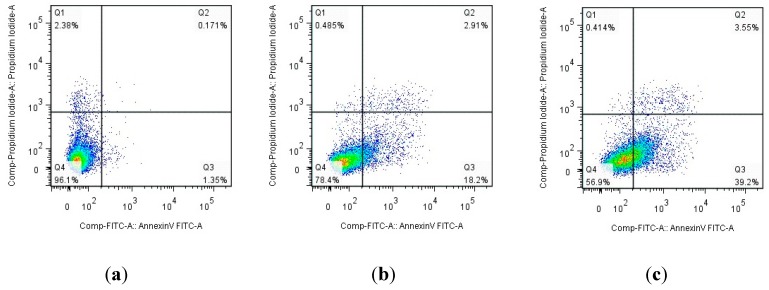 Figure 5
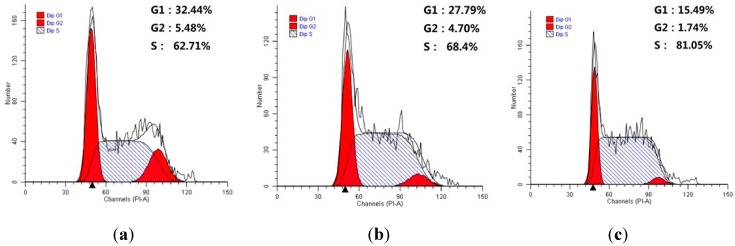 Figure 6
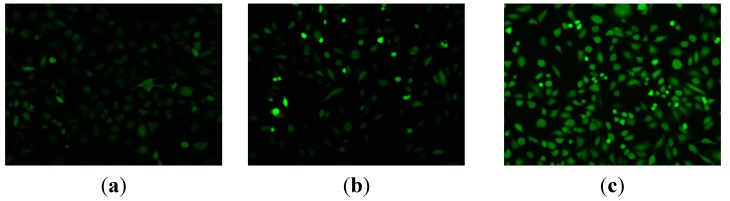 Figure 7
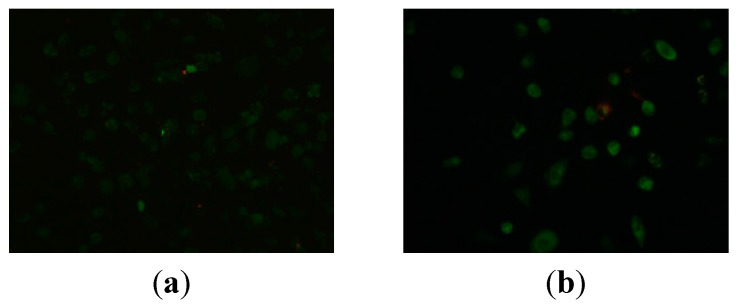 Figure 8
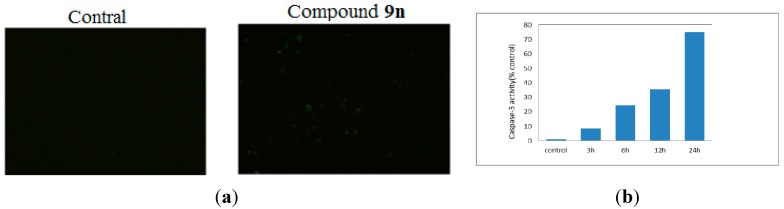 Figure 9
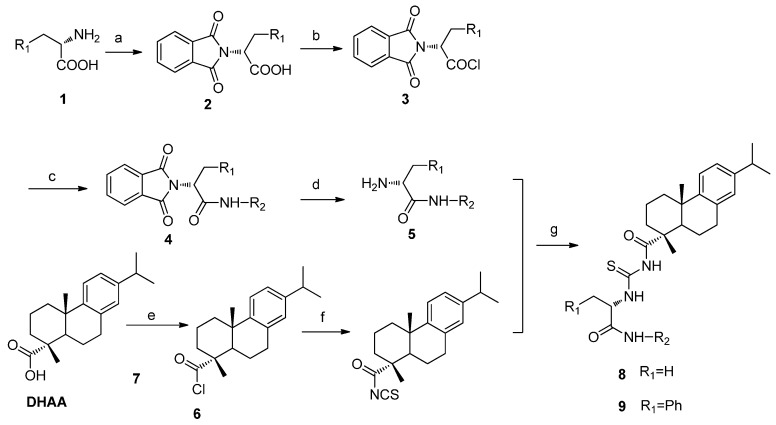 Figure 10
Peer Reviews
No public reviews on file for this paper yet. If you reviewed it on a platform where reviews are public (OpenReview, ICLR, NeurIPS, ICML), you can paste yours below so the community can read it here.
Videos
No videos yet. Explain this paper in a talk, walkthrough, or lecture? Add one.
Taxonomy
TopicsBiological Activity of Diterpenoids and Biflavonoids · Hibiscus Plant Research Studies · Cancer Treatment and Pharmacology