Innovative concept for a major breakthrough in atmospheric radioactive xenon detection for nuclear explosion monitoring
G. Le Petit, A. Cagniant, M. Morelle, P. Gross, P. Achim, G. Douysset, T. Taffary, C. Moulin

TL;DR
This paper introduces a new spectrometer design to improve the detection of radioactive xenon isotopes in the atmosphere, enhancing the ability to monitor nuclear explosions.
Contribution
A new spectrometer with improved sensitivity for detecting metastable xenon isotopes used in nuclear explosion monitoring.
Findings
The new spectrometer design achieves a 70-fold improvement in sensitivity for 131mXe detection.
It also provides a 30-fold improvement in sensitivity for 133mXe detection.
The spectrometer's compact design and low background noise enhance detection efficiency.
Abstract
The verification regime of the comprehensive test ban treaty (CTBT) is based on a network of three different waveform technologies together with global monitoring of aerosols and noble gas in order to detect, locate and identify a nuclear weapon explosion down to 1 kt TNT equivalent. In case of a low intensity underground or underwater nuclear explosion, it appears that only radioactive gases, especially the noble gas which are difficult to contain, will allow identification of weak yield nuclear tests. Four radioactive xenon isotopes, 131mXe, 133mXe, 133Xe and 135Xe, are sufficiently produced in fission reactions and exhibit suitable half-lives and radiation emissions to be detected in atmosphere at low level far away from the release site. Four different monitoring CTBT systems, ARIX, ARSA, SAUNA, and SPALAX™ have been developed in order to sample and to measure them with high…
Genes, proteins, chemicals, diseases, species, mutations and cell lines named across the full text — each resolved to its canonical identifier and authoritative record.
Click any figure to enlarge with its caption.
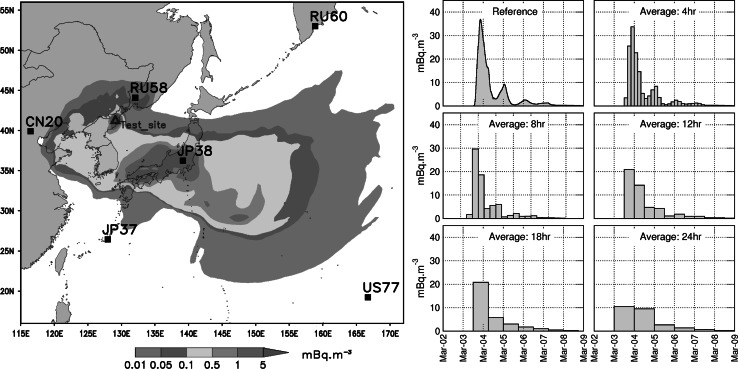 Figure 1
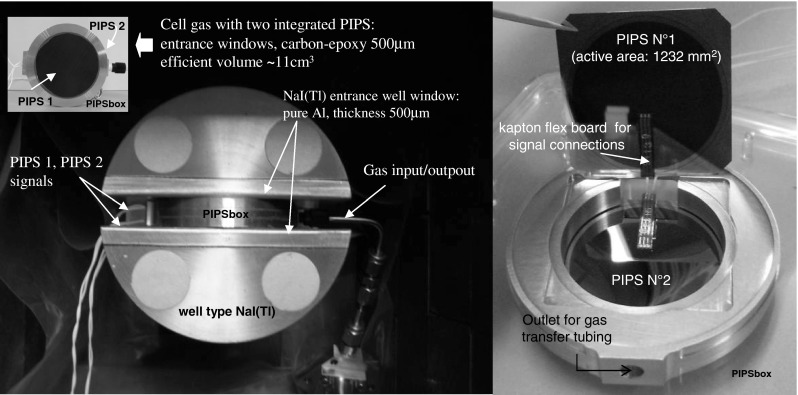 Figure 2
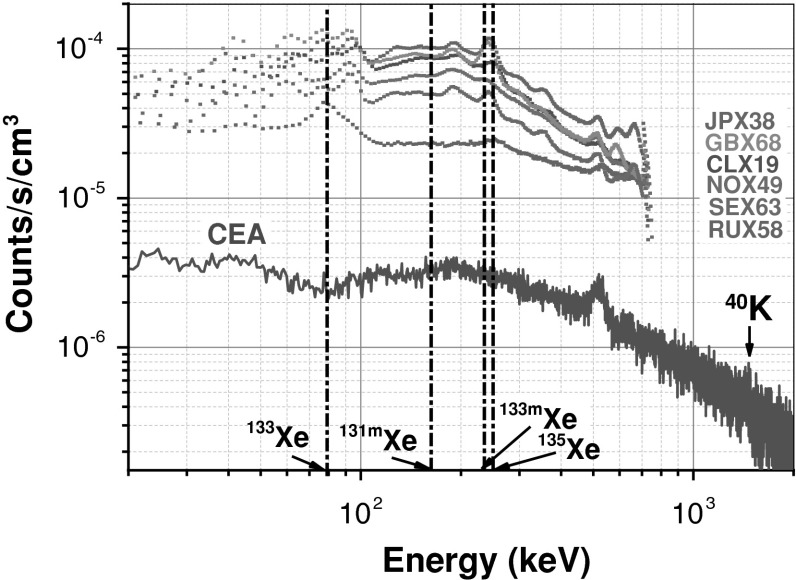 Figure 3
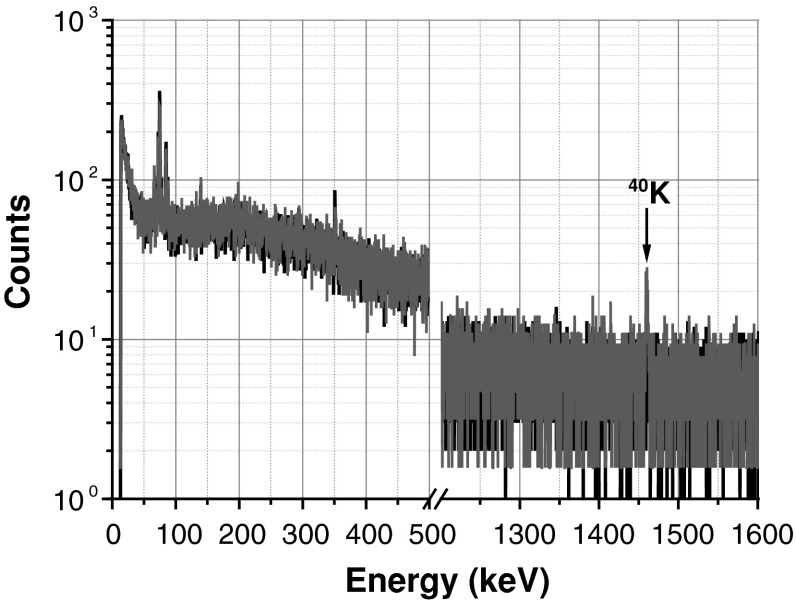 Figure 4
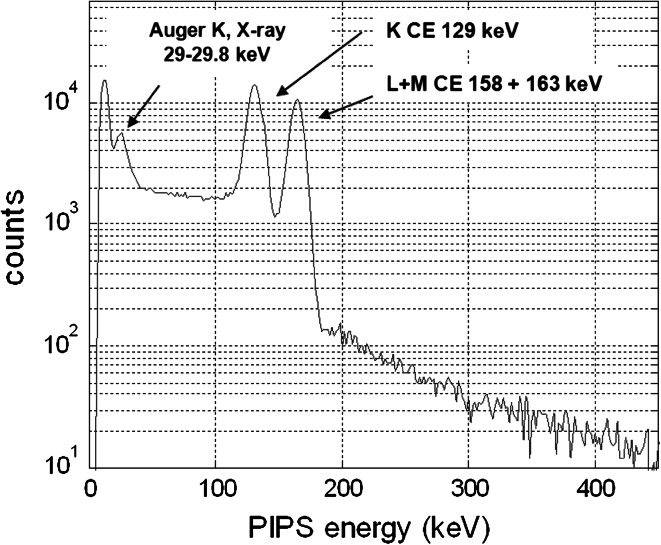 Figure 5
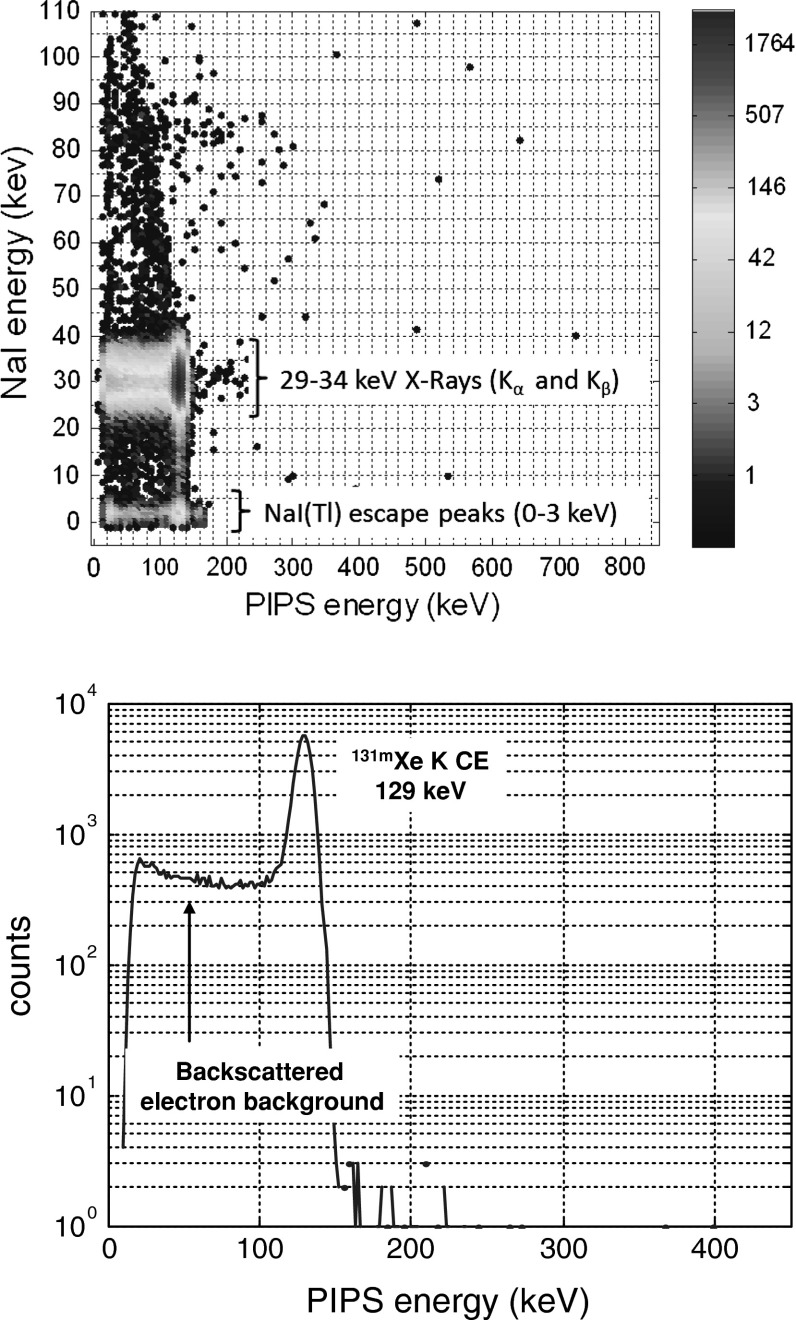 Figure 6
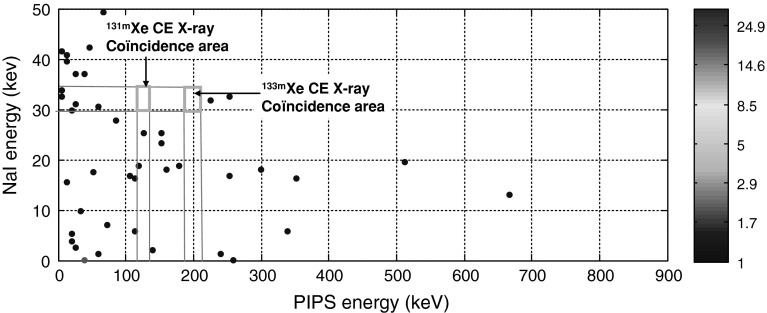 Figure 7
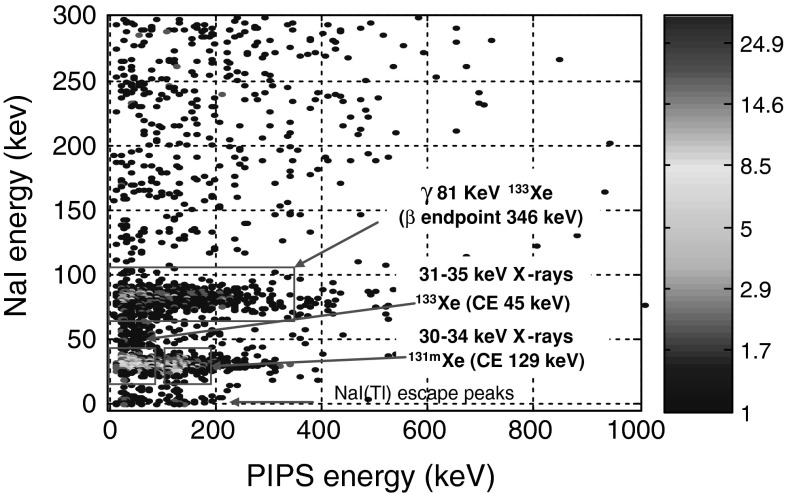 Figure 8
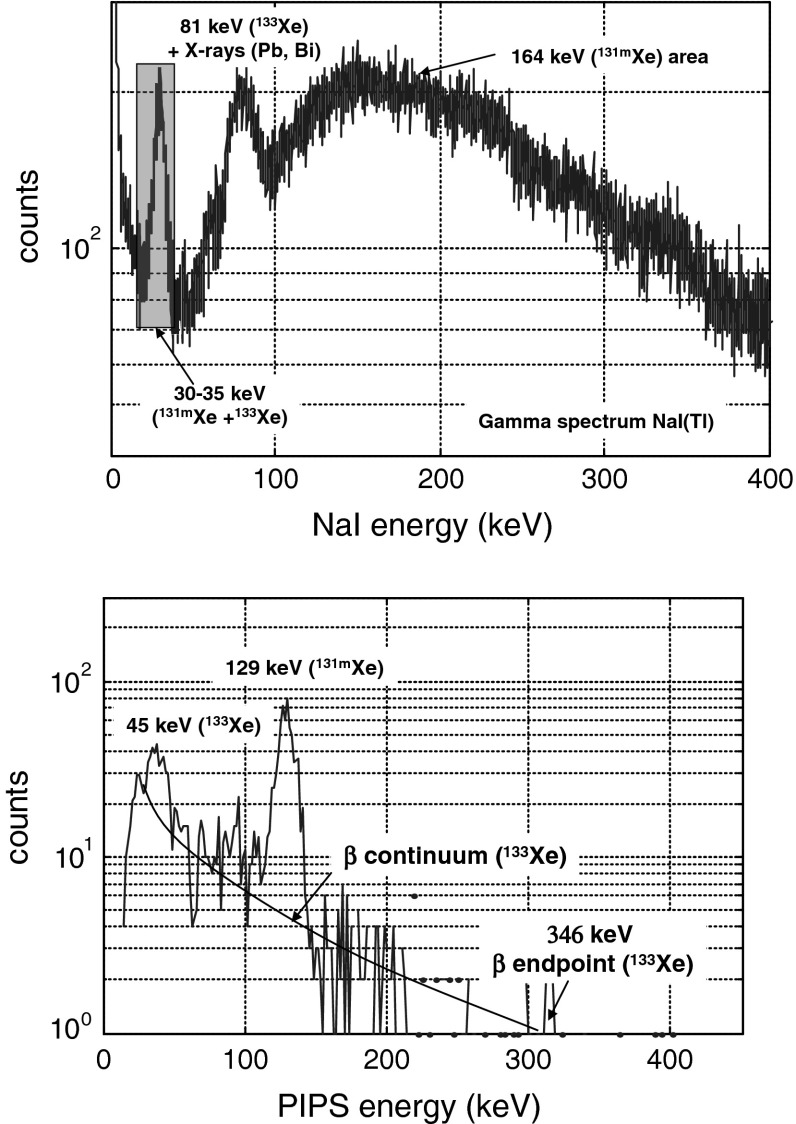 Figure 9
Peer Reviews
No public reviews on file for this paper yet. If you reviewed it on a platform where reviews are public (OpenReview, ICLR, NeurIPS, ICML), you can paste yours below so the community can read it here.
Videos
No videos yet. Explain this paper in a talk, walkthrough, or lecture? Add one.
Taxonomy
TopicsEar Surgery and Otitis Media · Vestibular and auditory disorders