Consequences of the variability of the CovRS and RopB regulators among Streptococcus pyogenes causing human infections
Ana Friães, Catarina Pato, José Melo-Cristino, Mario Ramirez

TL;DR
This study examines how mutations in the CovRS and RopB regulators affect the invasiveness of Streptococcus pyogenes in human infections.
Contribution
The study reveals that CovRS mutations are uncommon in invasive infections and do not consistently enhance virulence across different genetic backgrounds.
Findings
Null covS alleles downregulate SpeB and upregulate NADase and SLS, but this mechanism is rare in invasive isolates.
CovRS and RopB mutations do not consistently correlate with increased invasiveness across diverse GAS lineages.
CovRS and RopB genes are under stabilizing selection, indicating their importance for bacterial fitness.
Abstract
To evaluate the importance of covRS and ropB mutations in invasive disease caused by Group A Streptococci (GAS), we determined the sequence of the covRS and ropB genes of 191 isolates from invasive infections and pharyngitis, comprising a diverse set of emm types and multilocus sequence types. The production of SpeB and the activity of NAD glycohydrolase (NADase) and streptolysin S (SLS) were evaluated. The results support the acquisition of null covS alleles (predicted to eliminate protein function), resulting in downregulation of SpeB and upregulation of NADase and SLS, as a mechanism possibly contributing to higher invasiveness. Among the isolates tested, this mechanism was found to be uncommon (10% of invasive isolates) and was not more prevalent among clones with enhanced invasiveness (including M1T1) but occurred in diverse genetic backgrounds. In lineages such as emm64, these…
Genes, proteins, chemicals, diseases, species, mutations and cell lines named across the full text — each resolved to its canonical identifier and authoritative record.
Click any figure to enlarge with its caption.
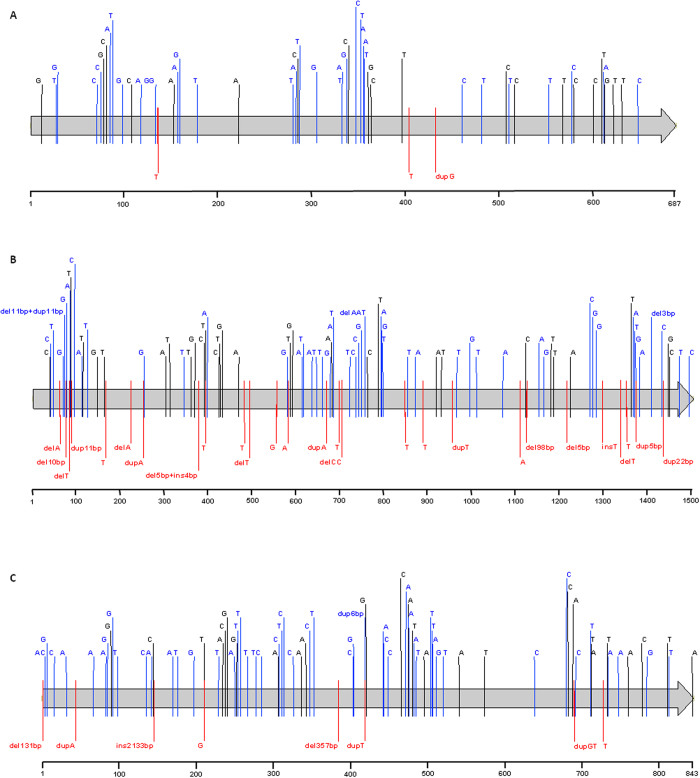 Figure 1
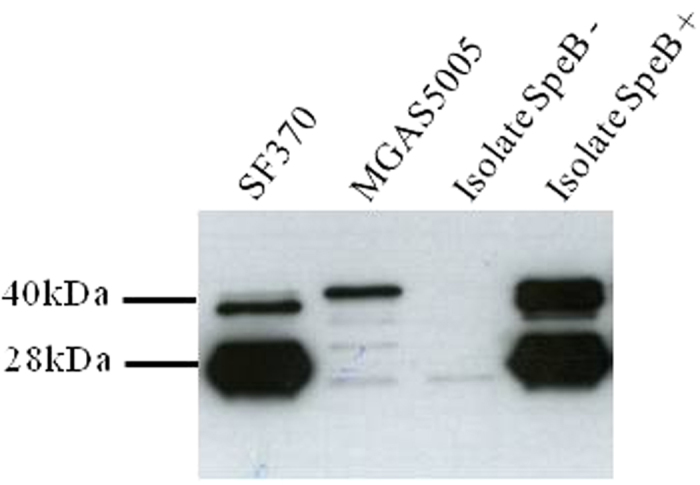 Figure 2
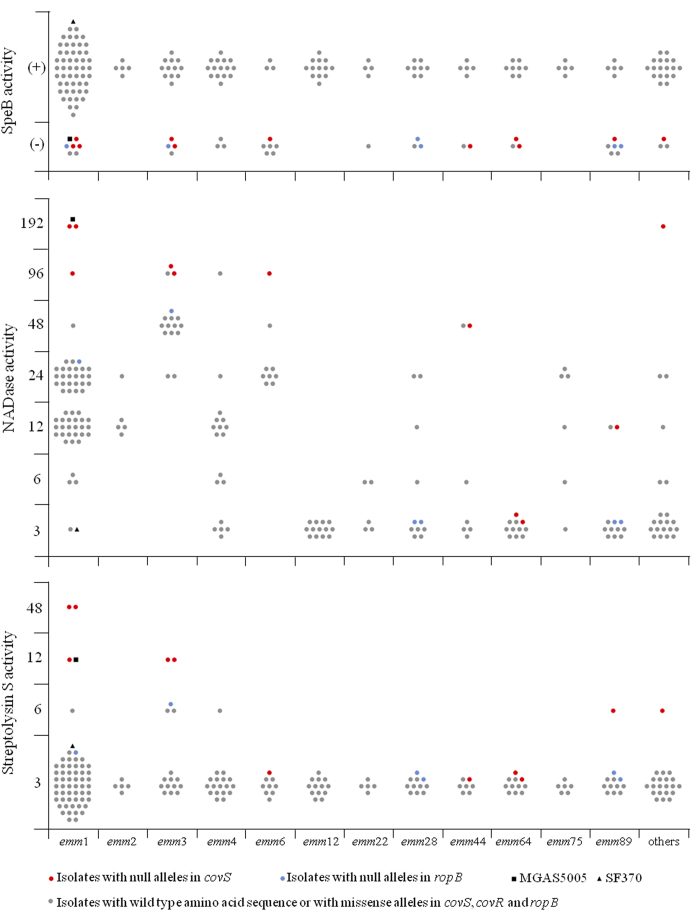 Figure 3
 Figure 4
Peer Reviews
No public reviews on file for this paper yet. If you reviewed it on a platform where reviews are public (OpenReview, ICLR, NeurIPS, ICML), you can paste yours below so the community can read it here.
Videos
No videos yet. Explain this paper in a talk, walkthrough, or lecture? Add one.
Taxonomy
TopicsSemiconductor Lasers and Optical Devices · Optical Wireless Communication Technologies