Ex vivo generation of myeloid-derived suppressor cells that model the tumor immunosuppressive environment in colorectal cancer
Inès Dufait, Julia Katharina Schwarze, Therese Liechtenstein, Wim Leonard, Heng Jiang, David Escors, Mark De Ridder, Karine Breckpot

TL;DR
This study shows how to generate myeloid-derived suppressor cells in the lab to model immune suppression in colorectal cancer.
Contribution
A novel in vitro method to generate tumor-like myeloid-derived suppressor cells from bone marrow cells using GM-CSF-secreting CT26 conditioned medium.
Findings
Generated granulocytic and monocytic MDSC resembling those in CRC tumors, not spleens of tumor-bearing mice.
MDSC inhibited T-cell responses in vitro, which could be reversed by blocking arginase-1 or iNOS.
In vivo inhibition of arginase-1 or iNOS stimulated T-cell responses and delayed tumor growth.
Abstract
Myeloid-derived suppressor cells (MDSC) are a heterogeneous population of cells that accumulate in tumor-bearing subjects and which strongly inhibit anti-cancer immune responses. To study the biology of MDSC in colorectal cancer (CRC), we cultured bone marrow cells in conditioned medium from CT26 cells, which are genetically modified to secrete high levels of granulocyte-macrophage colony-stimulating factor. This resulted in the generation of high numbers of CD11b+ Ly6G+ granulocytic and CD11b+ Ly6C+ monocytic MDSC, which closely resemble those found within the tumor but not the spleen of CT26 tumor-bearing mice. Such MDSC potently inhibited T-cell responses in vitro, a process that could be reversed upon blocking of arginase-1 or inducible nitric oxide synthase (iNOS). We confirmed that inhibition of arginase-1 or iNOS in vivo resulted in the stimulation of cytotoxic T-cell responses.…
Genes, proteins, chemicals, diseases, species, mutations and cell lines named across the full text — each resolved to its canonical identifier and authoritative record.
Click any figure to enlarge with its caption.
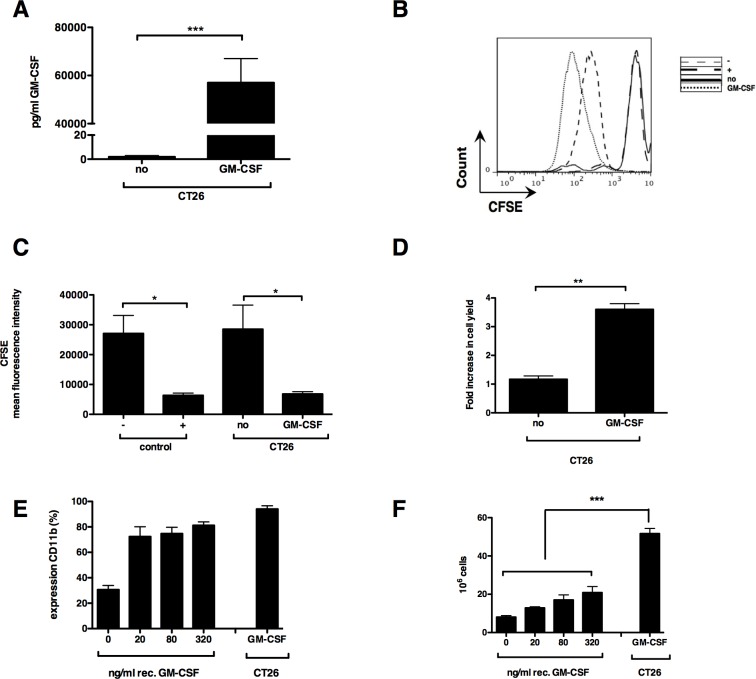 Figure 1
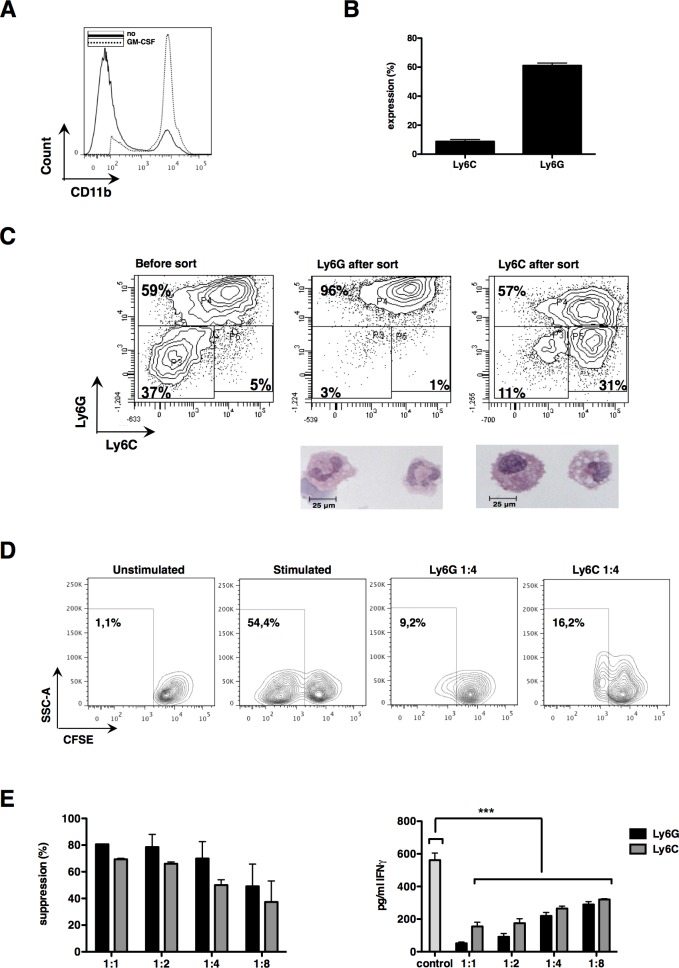 Figure 2
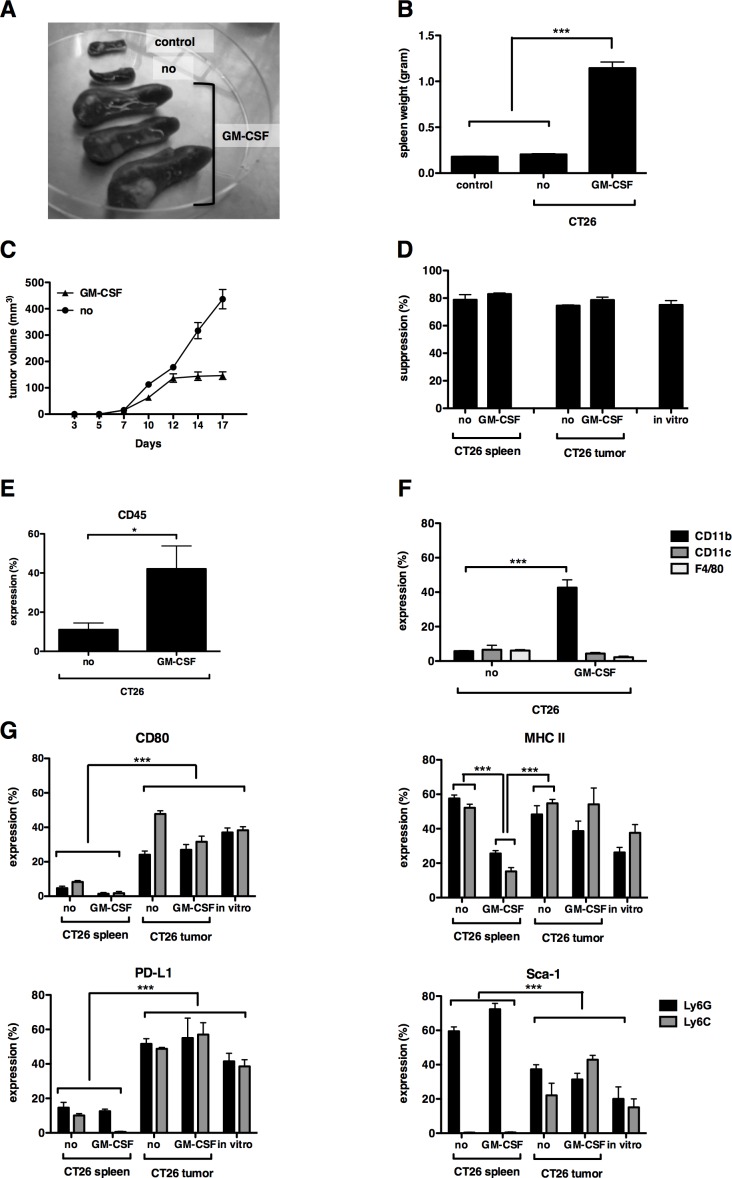 Figure 3
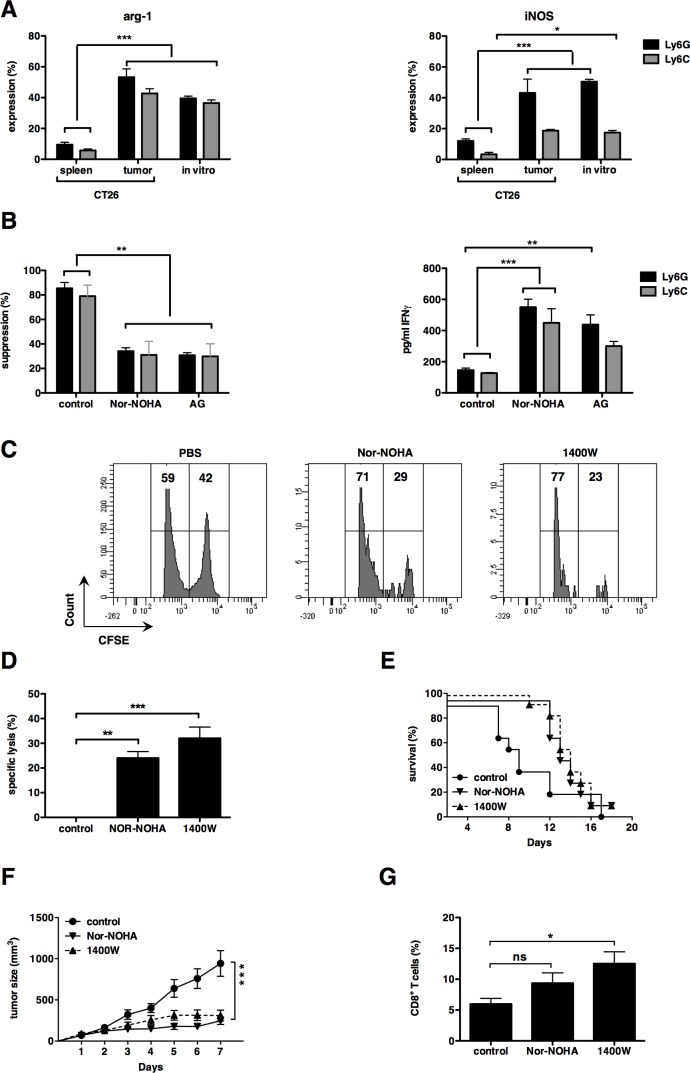 Figure 4
Peer Reviews
No public reviews on file for this paper yet. If you reviewed it on a platform where reviews are public (OpenReview, ICLR, NeurIPS, ICML), you can paste yours below so the community can read it here.
Videos
No videos yet. Explain this paper in a talk, walkthrough, or lecture? Add one.
Taxonomy
TopicsImmune cells in cancer · Immune cells in cancer · Neutrophil, Myeloperoxidase and Oxidative Mechanisms