Transciptomic and histological analysis of hepatopancreas, muscle and gill tissues of oriental river prawn (Macrobrachium nipponense) in response to chronic hypoxia
Shengming Sun, Fujun Xuan, Hongtuo Fu, Jian Zhu, Xianping Ge, Zhimin Gu

TL;DR
This study explores how the oriental river prawn adapts to low oxygen conditions by analyzing gene expression and tissue changes in key organs.
Contribution
The study identifies differentially expressed genes and histological changes in prawn tissues under chronic hypoxia, offering insights for genetic improvement.
Findings
8,892 genes were up-regulated and 5,760 down-regulated in response to chronic hypoxia.
DEGs were enriched in stress-related pathways like oxidative phosphorylation and glycolysis.
Histological differences were observed in hepatopancreas and gills under hypoxia.
Abstract
Oriental river prawn, Macrobrachium nipponense, is a commercially important species found in brackish and fresh waters throughout China. Chronic hypoxia is a major physiological challenge for prawns in culture, and the hepatopancreas, muscle and gill tissues play important roles in adaptive processes. However, the effects of dissolved oxygen availability on gene expression and physiological functions of those tissues of prawns are unknown. Adaptation to hypoxia is a complex process, to help us understand stress-sensing mechanism and ultimately permit selection for hypoxia- tolerant prawns, we performed transcriptomic analysis of juvenile M. nipponense hepatopancreas, gill and muscle tissues by RNA-Seq. Approximately 46,472,741; 52,773,612 and 58,195,908 raw sequence reads were generated from hepatopancreas, muscle and gill tissues, respectively. A total of 62,722 unigenes were…
Genes, proteins, chemicals, diseases, species, mutations and cell lines named across the full text — each resolved to its canonical identifier and authoritative record.
Click any figure to enlarge with its caption.
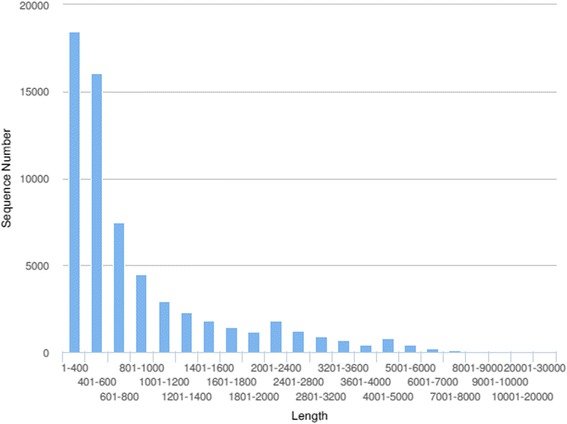 Figure 1
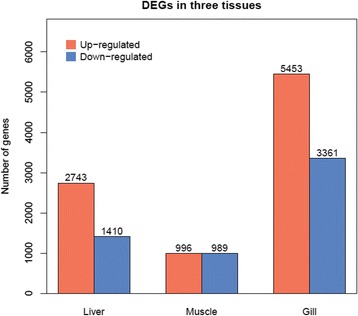 Figure 2
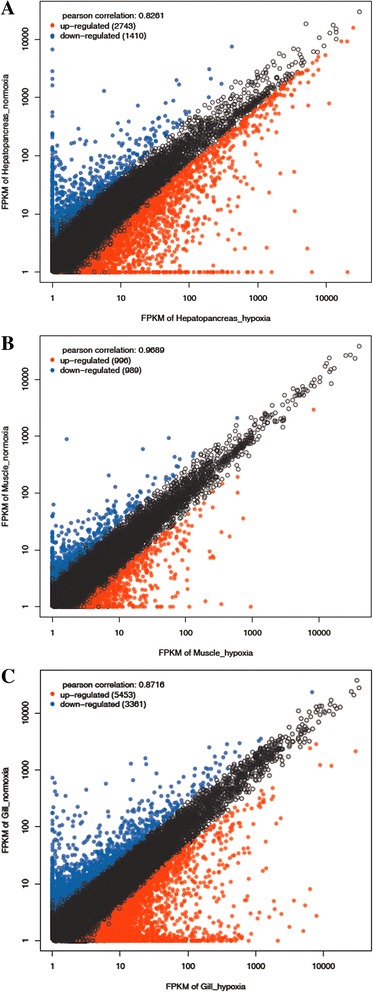 Figure 3
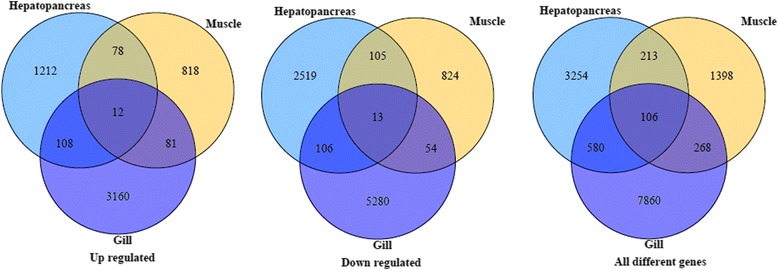 Figure 4
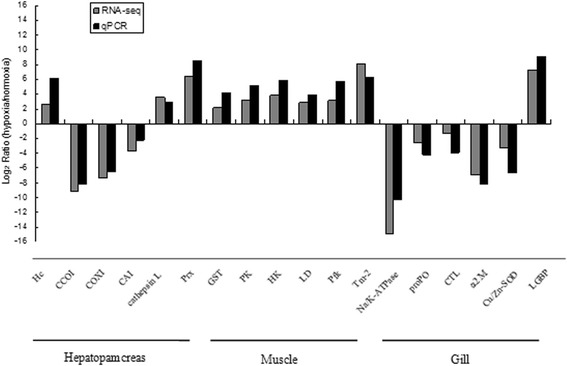 Figure 5
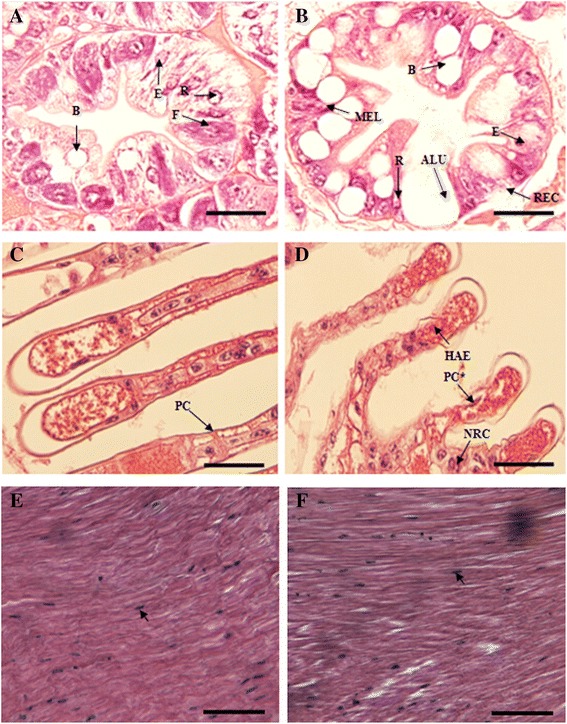 Figure 6
Peer Reviews
No public reviews on file for this paper yet. If you reviewed it on a platform where reviews are public (OpenReview, ICLR, NeurIPS, ICML), you can paste yours below so the community can read it here.
Videos
No videos yet. Explain this paper in a talk, walkthrough, or lecture? Add one.
Taxonomy
TopicsMicrowave-Assisted Synthesis and Applications