Multielectrode Teflon electrochemical nanocatalyst investigation system
Nejc Hodnik

TL;DR
A new electrochemical system allows simultaneous testing of eight catalysts, speeding up fuel cell material screening.
Contribution
A novel multielectrode system enables faster and more reliable electrocatalyst screening compared to traditional methods.
Findings
The system allows simultaneous measurement of eight electrocatalysts under identical conditions.
It offers faster screening times and greater tolerance to impurities.
The design includes an option for an internal standard to improve accuracy.
Abstract
The most common approach in the search for the optimal low temperature fuel cell catalyst remains “trial and error”. Therefore, large numbers of different potential catalytic materials need to be screened. The well-established and most commonly used method for testing catalytic electrochemical activity under well-defined hydrodynamics is still thin film rotating disc electrode (TF-RDE). Typically this method is very time consuming and is subjected to impurity problems. In order to avoid these issues a new multielectrode electrochemical cell design is presented, where 8 different electrocatalysts can be measured simultaneously at identical conditions. The major advantages over TF-RDE method are: •Faster catalyst screening times.•Greater impurity tolerance.•The option of internal standard. Faster catalyst screening times. Greater impurity tolerance. The option of internal standard.
Click any figure to enlarge with its caption.
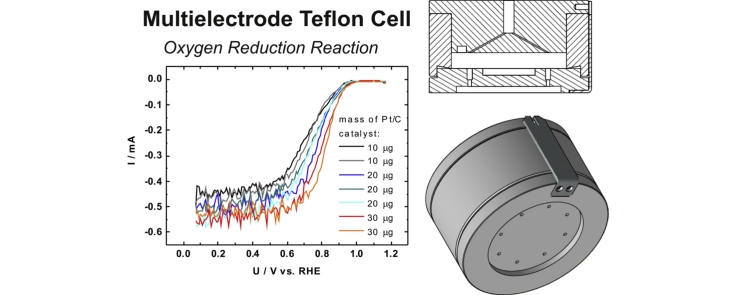 Figure 1
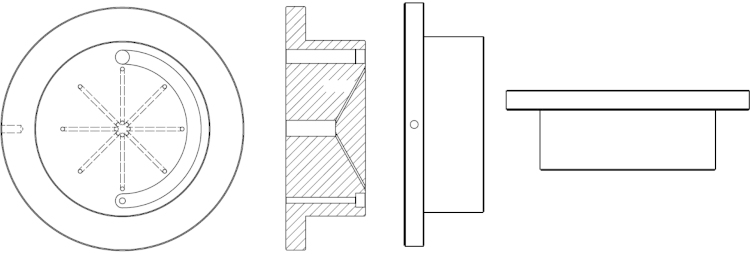 Figure 2
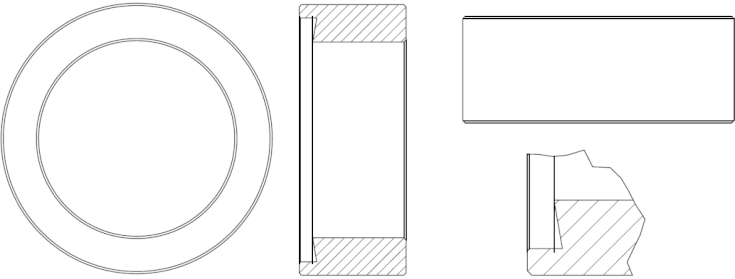 Figure 3
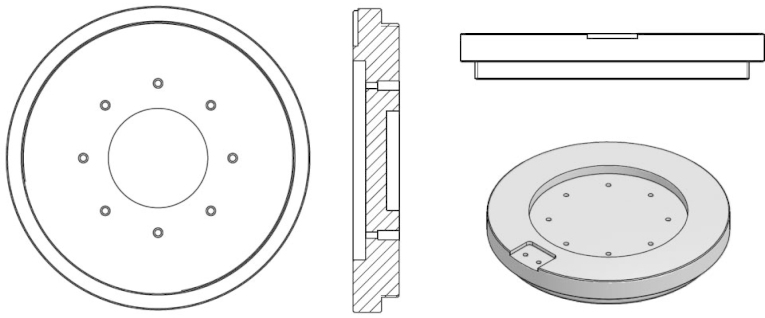 Figure 4
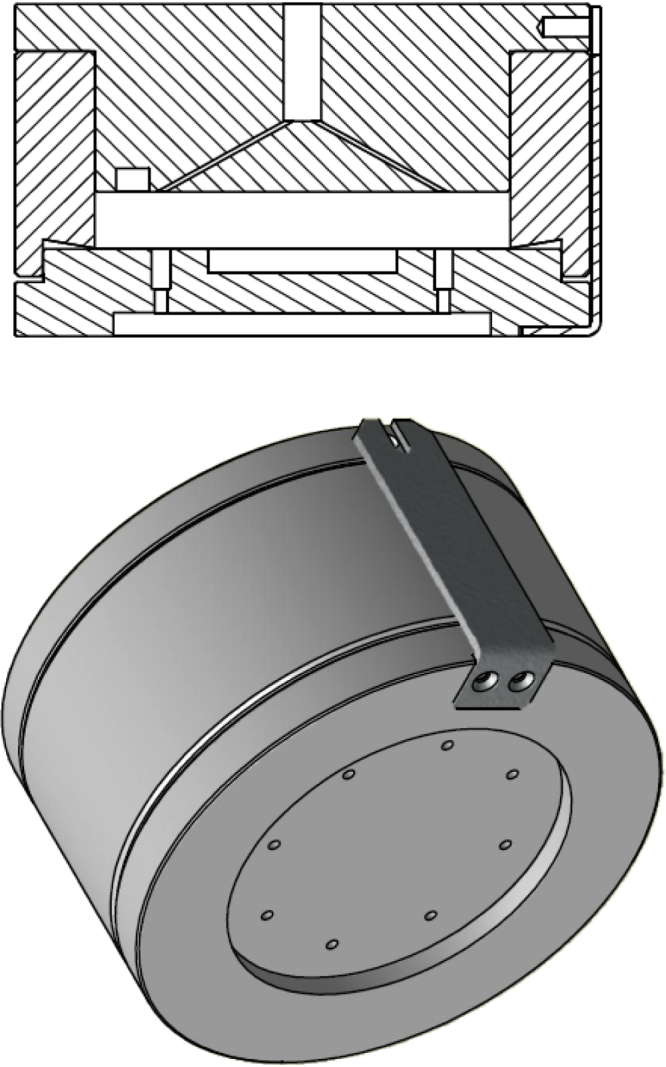 Figure 5
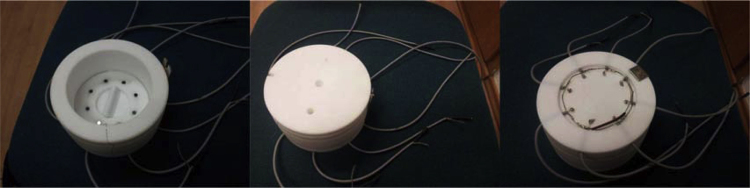 Figure 6
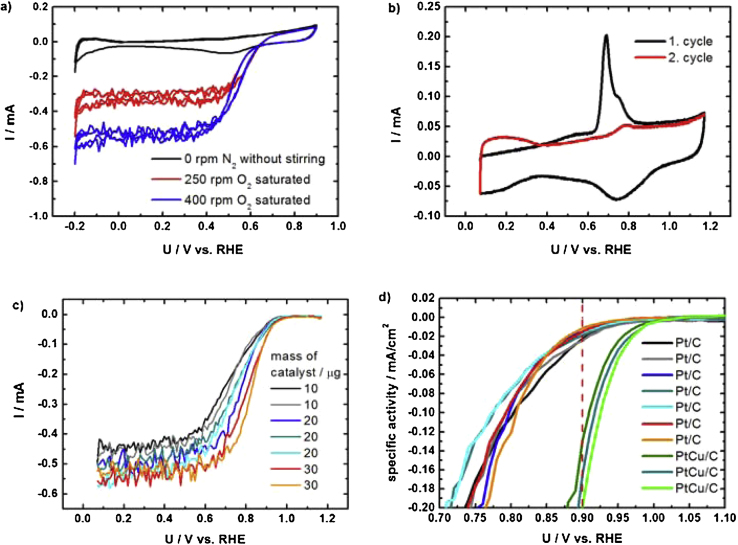 Figure 7
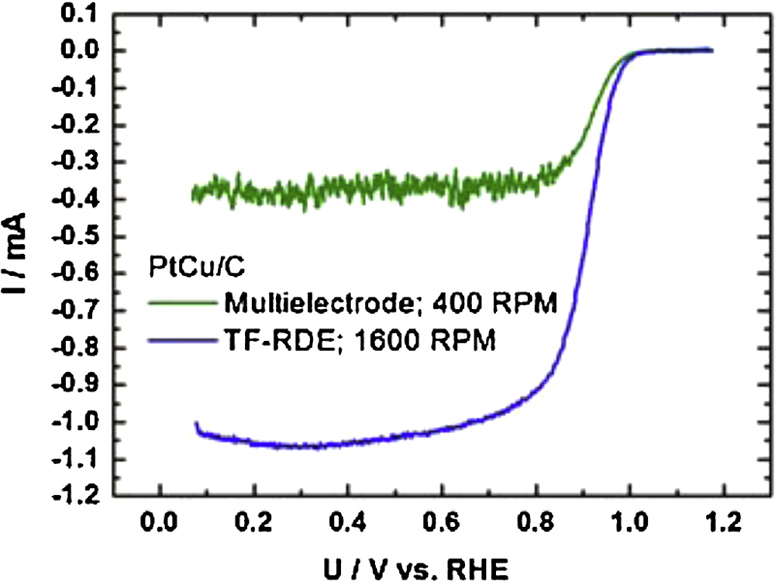 Figure 8
Peer Reviews
No public reviews on file for this paper yet. If you reviewed it on a platform where reviews are public (OpenReview, ICLR, NeurIPS, ICML), you can paste yours below so the community can read it here.
Videos
No videos yet. Explain this paper in a talk, walkthrough, or lecture? Add one.
Taxonomy
TopicsElectrocatalysts for Energy Conversion · Fuel Cells and Related Materials · Electrochemical Analysis and Applications