Cell-specific responses of Anopheles gambiae fat body to blood feeding and infection at single-nuclei resolution
Stephanie Serafim de Carvalho, Colton McNinch, Ana-Beatriz F. Barletta, Carolina Barillas-Mury

TL;DR
This study maps the fat body cells of Anopheles gambiae mosquitoes, revealing how they respond to blood feeding and infection.
Contribution
The study provides a high-resolution atlas of fat body cell types and their specialized roles in immunity and reproduction.
Findings
Blood feeding induces transcriptomic changes, endoreplication, and metabolic shifts in trophocytes.
Oenocytes increase lipid biosynthesis enzyme expression after immune priming.
T4 trophocytes consistently express immune genes, while multiple cell types respond to infection.
Abstract
The mosquito fat body plays key roles in metabolism and immunity, yet its cellular diversity and specialization remain poorly understood. This study analyzed 97,650 nuclei from the female Anopheles gambiae abdominal body wall at single-nucleus resolution, identifying seven major cell types. Fat body trophocytes are most abundant ( ~ 85%), with five subpopulations: basal (T1, T2), metabolically enriched (T3), immune-responsive (T4), and a vitellogenic group (T5) found only in blood-fed females. Sessile hemocytes comprise 7.4% of cells and expression of lipid biosynthesis enzymes increase in oenocytes (1.1%) after immune priming. T4 trophocytes consistently express immune genes, while various cell types respond to bacterial infection. Blood feeding induces extensive transcriptomic changes, notably upregulating vitellogenin and DNA replication genes, indicating trophocyte endoreplication…
Genes, proteins, chemicals, diseases, species, mutations and cell lines named across the full text — each resolved to its canonical identifier and authoritative record.
Click any figure to enlarge with its caption.
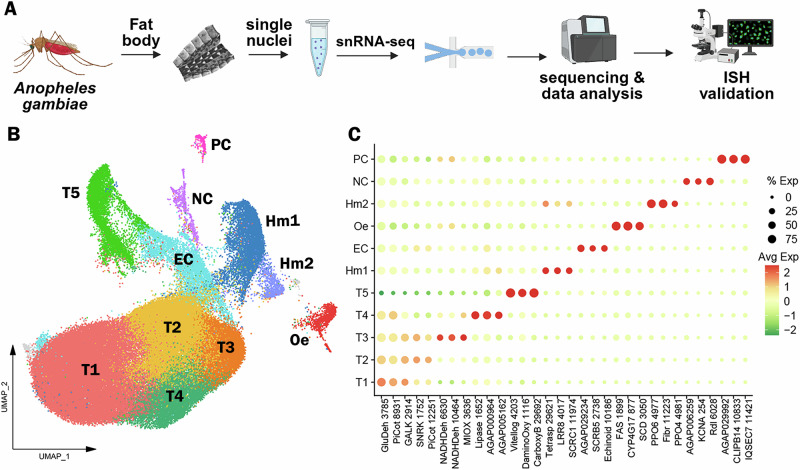 Figure 1
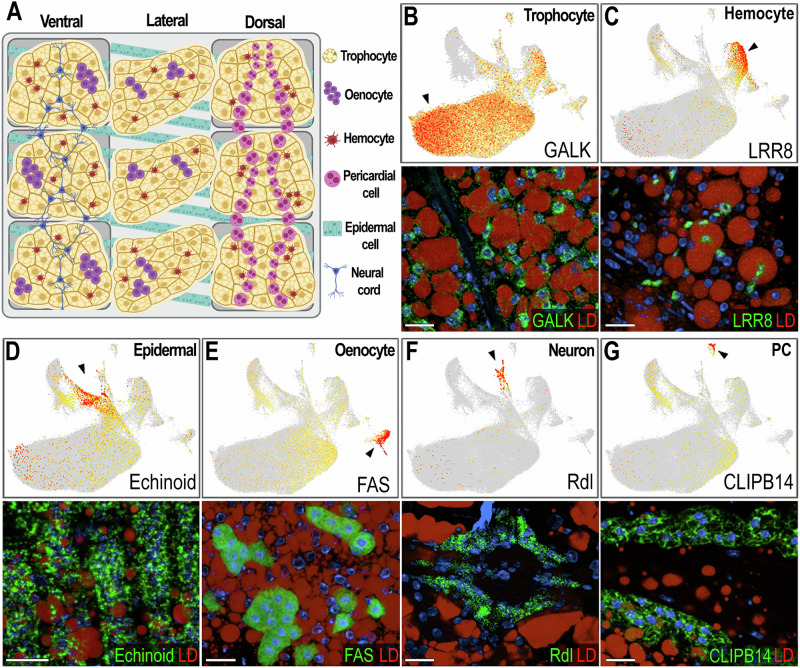 Figure 2
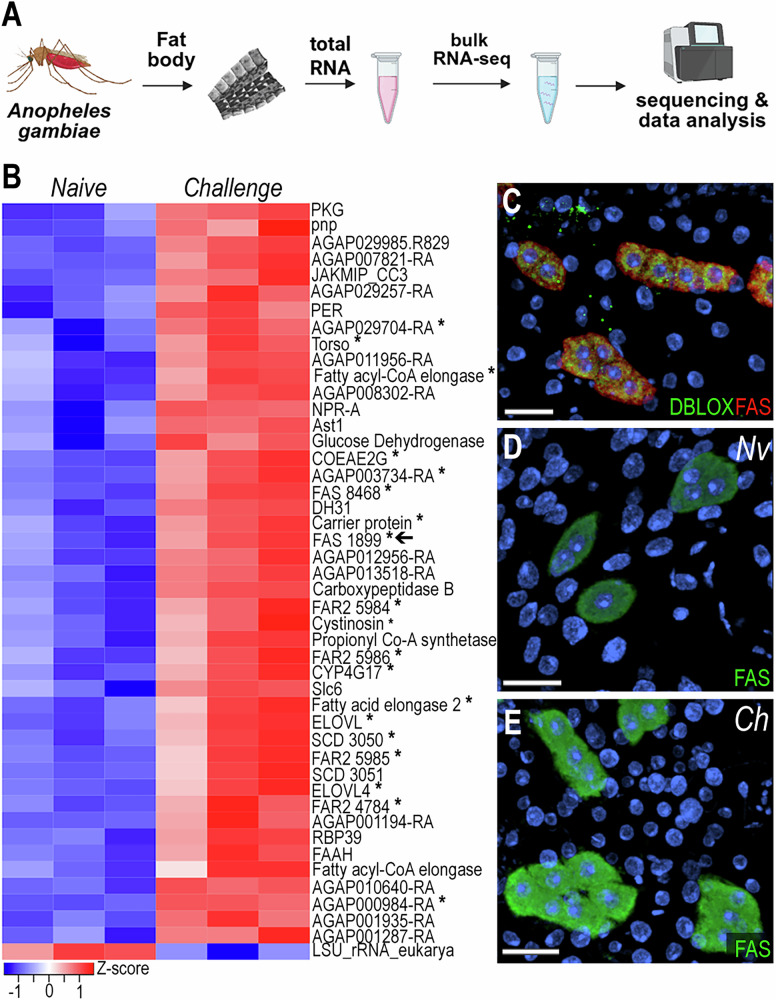 Figure 3
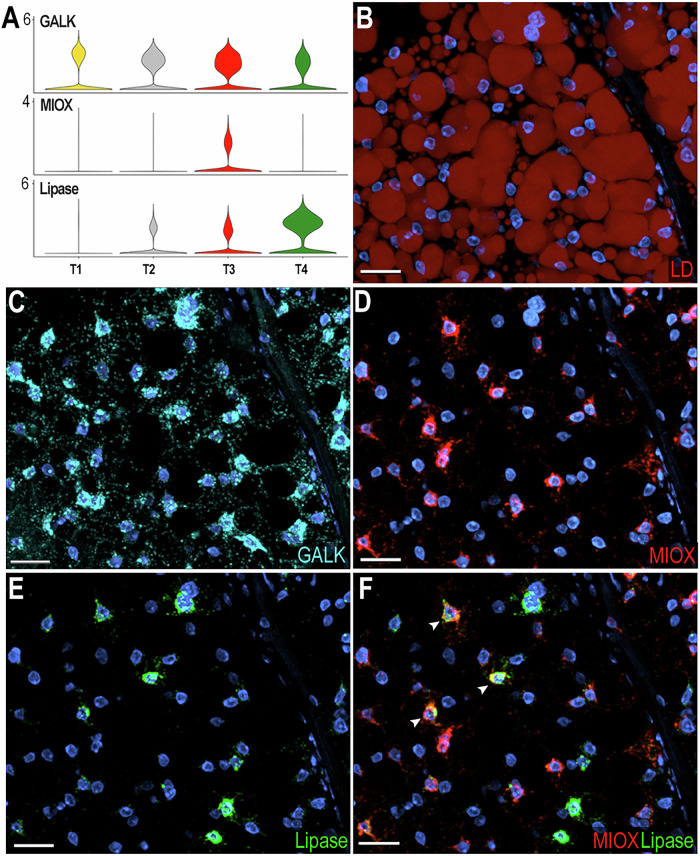 Figure 4
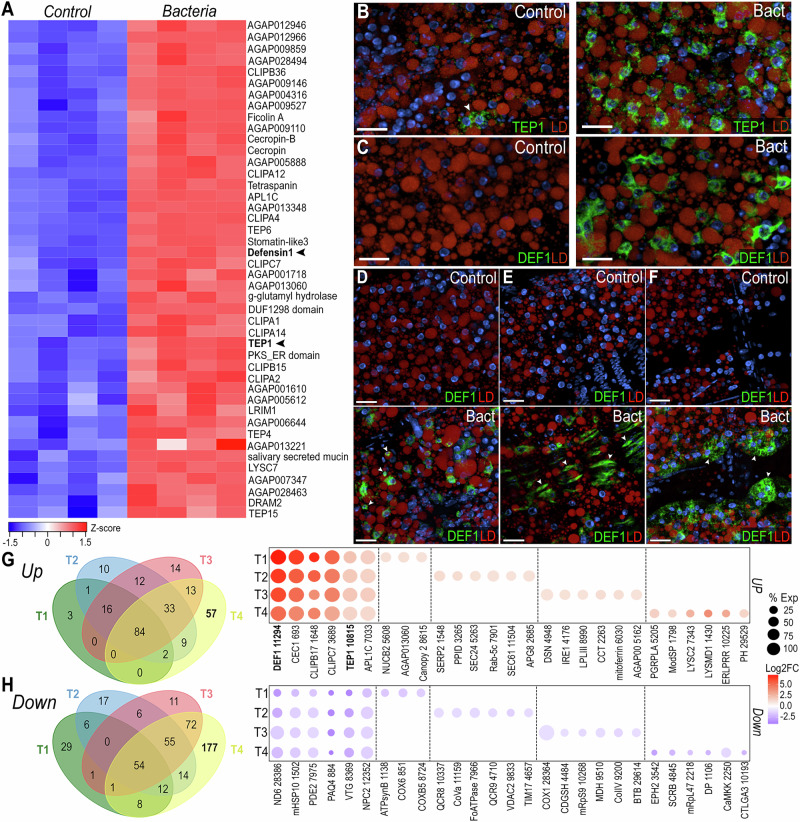 Figure 5
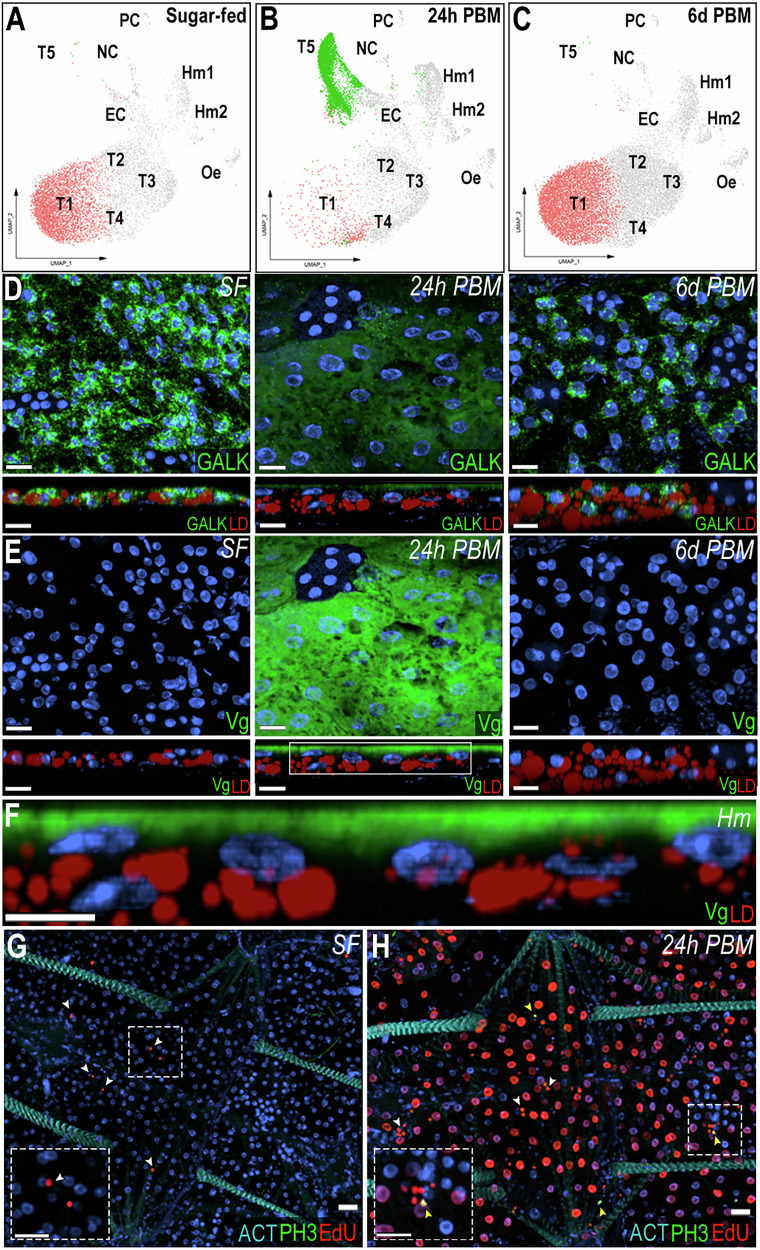 Figure 6
Peer Reviews
No public reviews on file for this paper yet. If you reviewed it on a platform where reviews are public (OpenReview, ICLR, NeurIPS, ICML), you can paste yours below so the community can read it here.
Videos
No videos yet. Explain this paper in a talk, walkthrough, or lecture? Add one.
Taxonomy
TopicsInvertebrate Immune Response Mechanisms · Neurobiology and Insect Physiology Research · Insect symbiosis and bacterial influences