Semantic centrality and emotional valence contribute to word memorability in an associative memory task for Chinese words
Zhang Allen Haoyu, Wilma A. Bainbridge, Pei Sun, Andy C. H. Lee

TL;DR
This study explores how word memorability is influenced by semantic connections and emotional content in Chinese language memory tasks.
Contribution
The study reveals novel insights into how lower semantic centrality and emotional consistency enhance memorability in Chinese words.
Findings
Words with lower semantic centrality were more memorable in Chinese associative memory tasks.
Emotionally consistent pairs (positive-positive or negative-negative) showed a memory advantage over neutral pairs.
Semantic centrality and emotional consistency had additive effects on memory performance without interaction.
Abstract
Memorability, an intrinsic property of stimuli, reflects the consistent likelihood of a stimulus being remembered across individuals. Recent research has examined English word memorability in an associative memory task and found that the overall semantic connection of a word to other words (termed semantic centrality) predicts its memorability, with stronger semantic centrality associated with a greater likelihood of successful recall. However, it is unclear whether these findings apply to other languages. Moreover, whether and how emotional content contributes to word memorability has not been fully explored. Of particular interest is emotional consistency: whether emotional words that are of the same or different valence (e.g., positive with positive vs. positive with negative) exhibit a mnemonic advantage over neutral words in associative memory. To address these issues, we examined…
Genes, proteins, chemicals, diseases, species, mutations and cell lines named across the full text — each resolved to its canonical identifier and authoritative record.
Click any figure to enlarge with its caption.
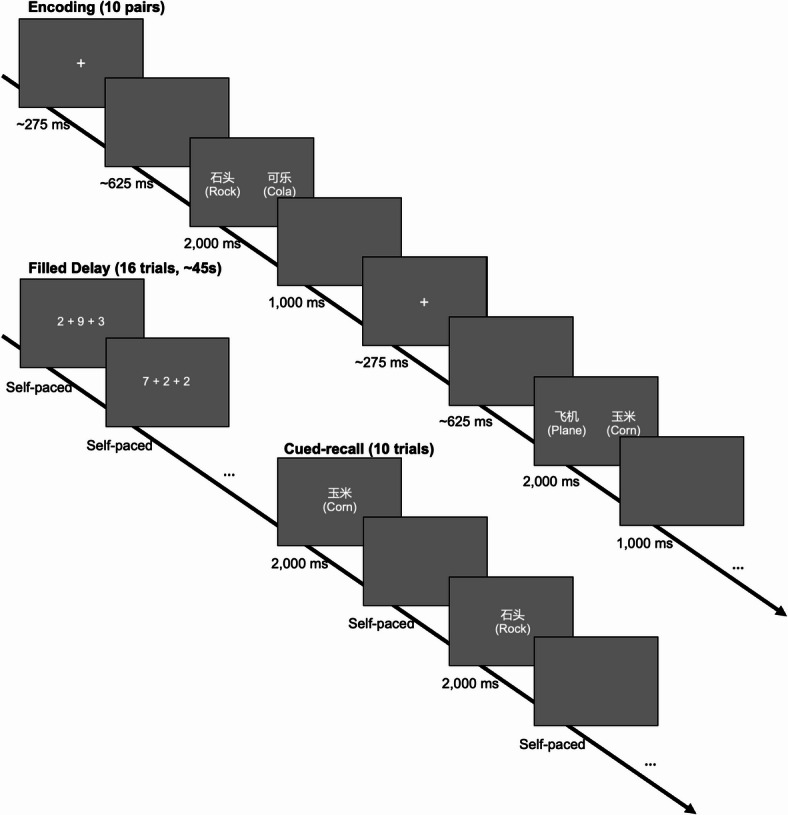 Figure 1
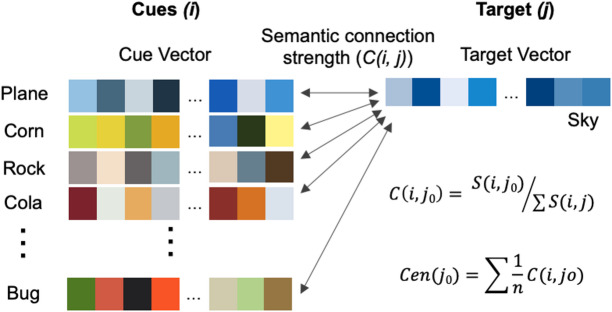 Figure 2
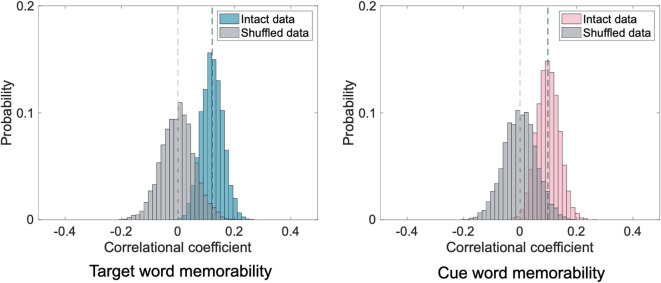 Figure 3
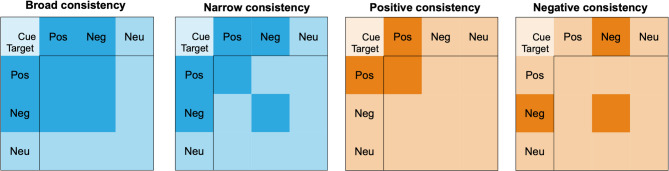 Figure 4
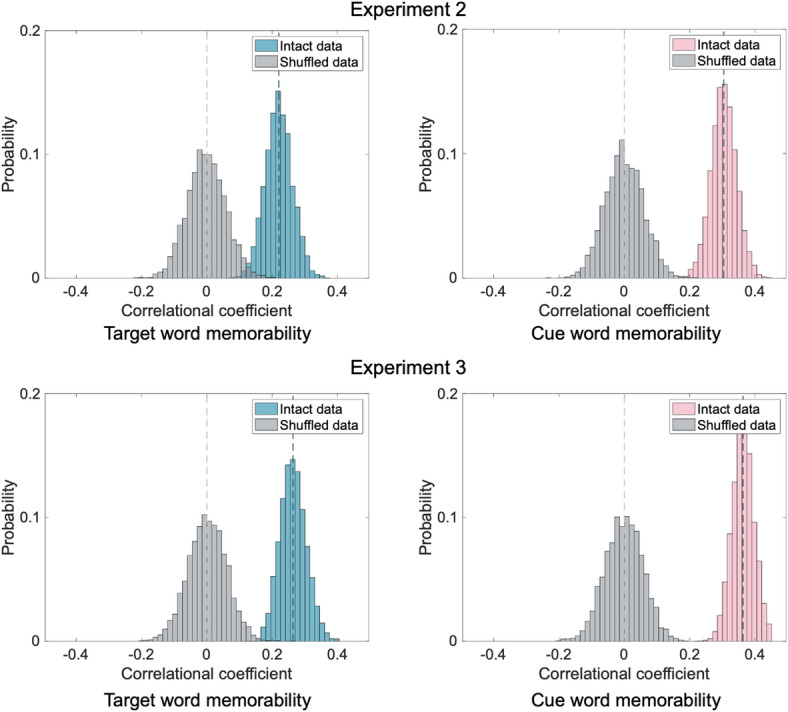 Figure 5
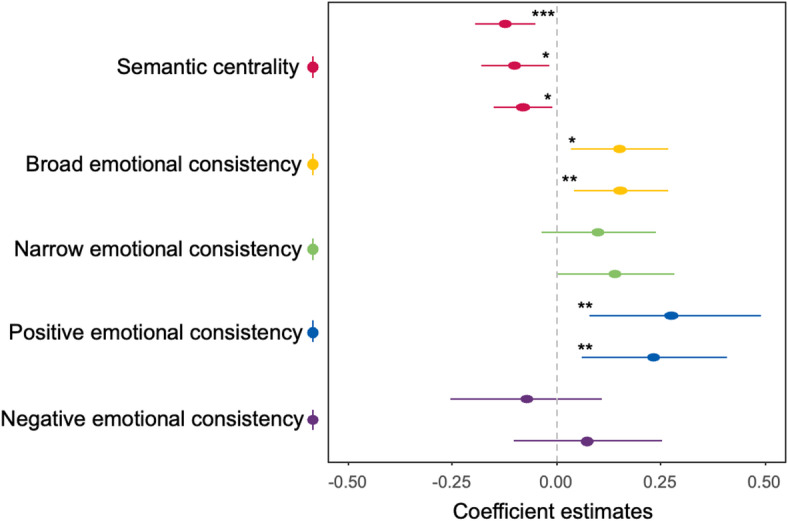 Figure 6
Peer Reviews
No public reviews on file for this paper yet. If you reviewed it on a platform where reviews are public (OpenReview, ICLR, NeurIPS, ICML), you can paste yours below so the community can read it here.
Videos
No videos yet. Explain this paper in a talk, walkthrough, or lecture? Add one.
Taxonomy
TopicsMemory Processes and Influences · Neurobiology of Language and Bilingualism · Action Observation and Synchronization