TM9SF4 acts as a receptor mediating Glaesserella parasuis cytolethal distending toxin–induced cytotoxicity in PK15 cells
Li Lei, Shiyu Xu, Zhen Yang, Xingyu Pan, Jiali Xu, Senyan Du, Qin Zhao, Xiaobo Huang, Sanjie Cao, Rui Wu, Yiping Wang, Qigui Yan, Yiping Wen

TL;DR
This study identifies TM9SF4 as a receptor for a toxin from Glaesserella parasuis, which causes cell damage in PK15 cells.
Contribution
The study proposes TM9SF4 as a novel receptor for GpCDT in PK15 cells, offering new insights into the toxin's mechanism.
Findings
TM9SF4 knockout cells showed reduced GpCDT-induced cytotoxicity.
Overexpression of TM9SF4 increased sensitivity to GpCDT.
TM9SF4 co-localized with GpCDT, suggesting a direct interaction.
Abstract
Cytolethal Distending Toxin (CDT) is the only exotoxin that Glaesserella parasuis (G. parasuis) can secrete. G. parasuis CDT (GpCDT) triggers DNA damage responses, leading to irreversible cell cycle arrest and apoptosis, playing an important role in the pathogenic process of G. parasuis. Currently, research on the host cell receptors of GpCDT remains limited. Screening and identification of host cell receptors that interact with GpCDT are crucial for systematically elucidating the cytotoxic mechanisms induced by this toxin. This study employed Co-immunoprecipitation (Co-IP) combined with Liquid Chromatography-Tandem Mass Spectrometry (LC-MS/MS) to identify potential host proteins interacting with GpCDT in PK15 cells. Nine Proteins were selected for further evaluation based on subcellular localization and Gene Ontology classification. Eukaryotic expression and Co-IP validated four…
Genes, proteins, chemicals, diseases, species, mutations and cell lines named across the full text — each resolved to its canonical identifier and authoritative record.
Click any figure to enlarge with its caption.
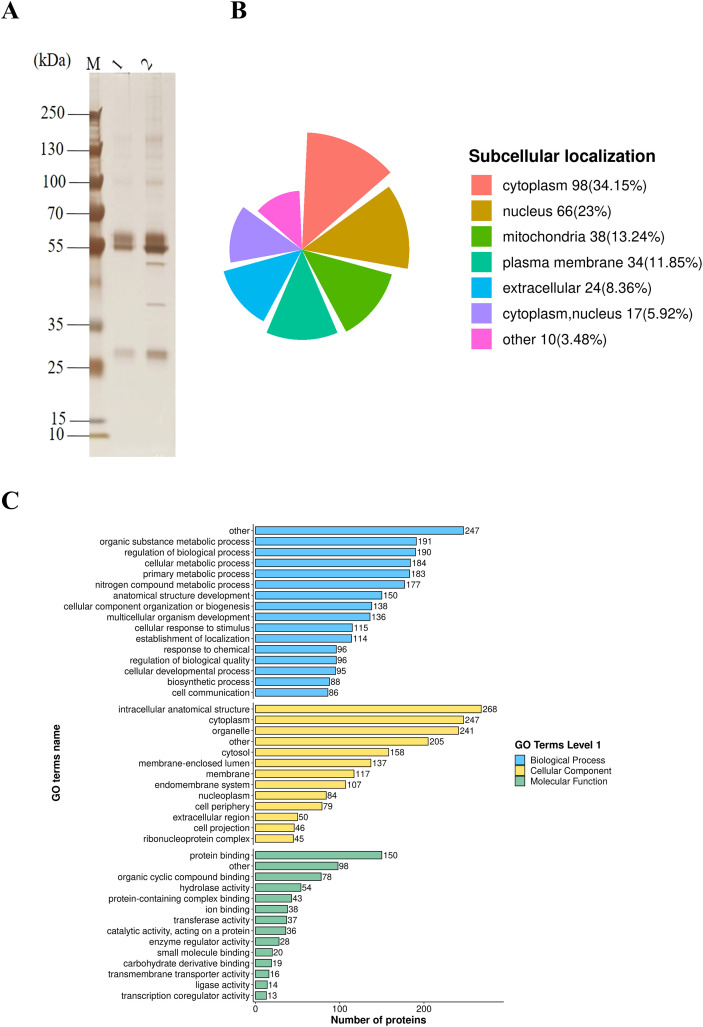 Figure 1
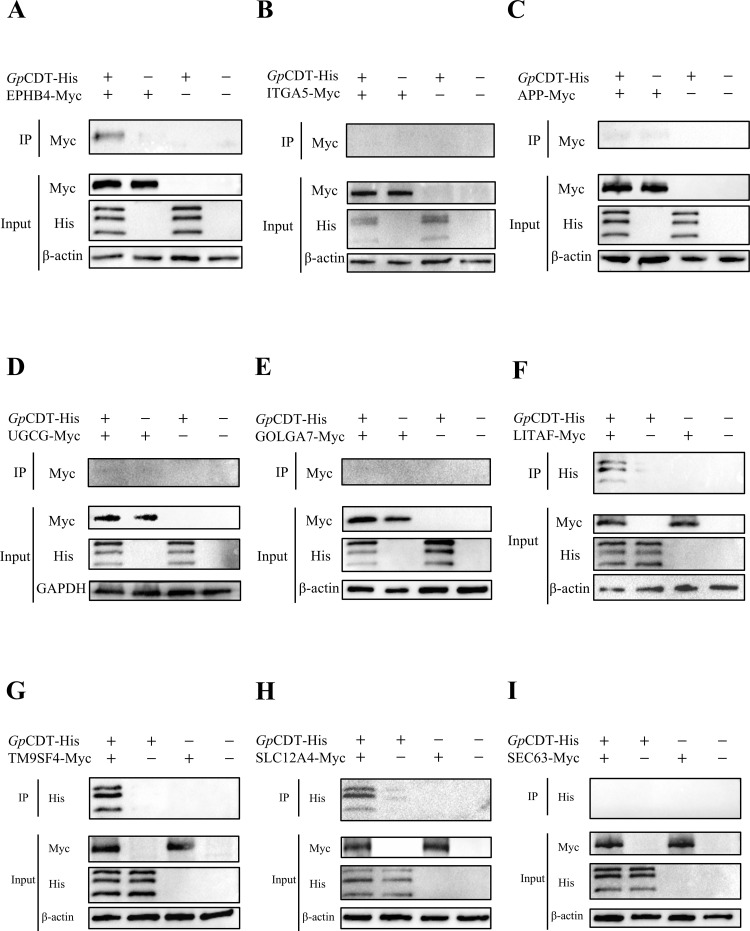 Figure 2
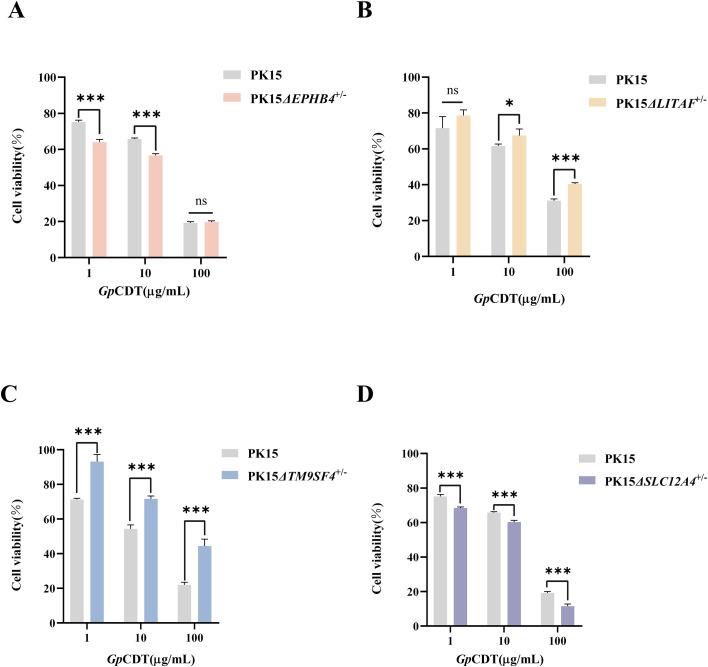 Figure 3
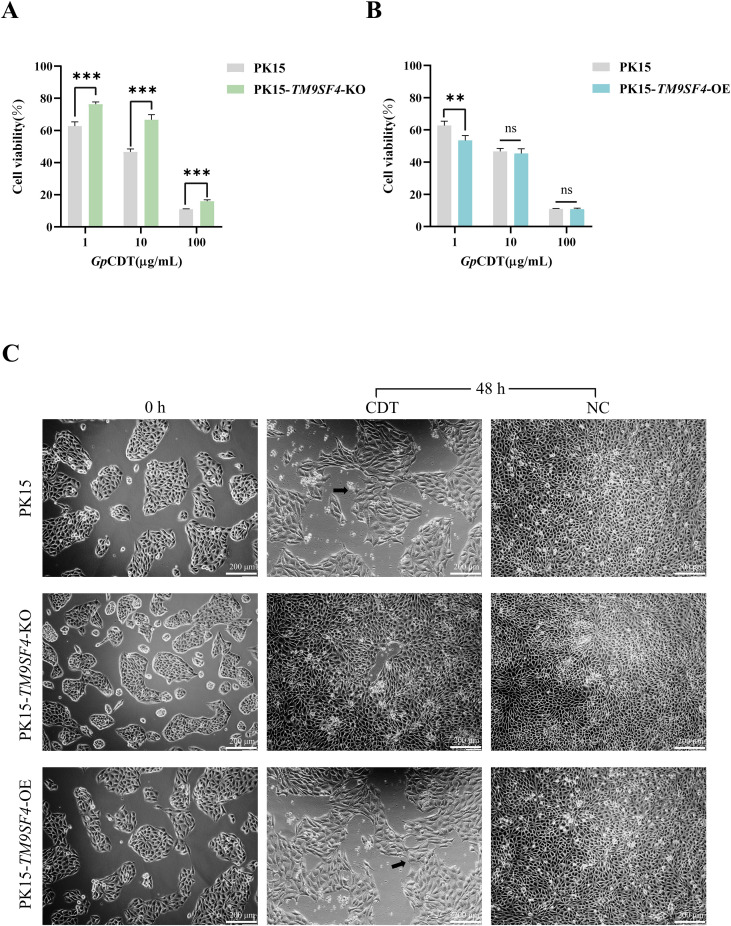 Figure 4
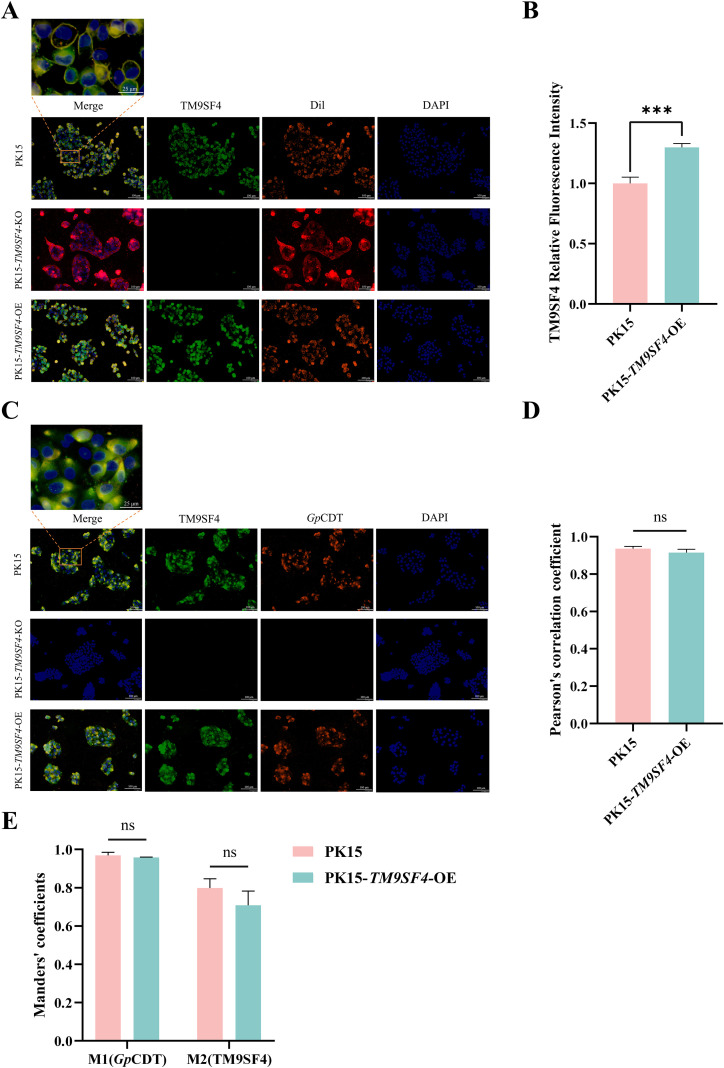 Figure 5
Peer Reviews
No public reviews on file for this paper yet. If you reviewed it on a platform where reviews are public (OpenReview, ICLR, NeurIPS, ICML), you can paste yours below so the community can read it here.
Videos
No videos yet. Explain this paper in a talk, walkthrough, or lecture? Add one.
Taxonomy
TopicsMicrobial infections and disease research · Bacillus and Francisella bacterial research · Streptococcal Infections and Treatments