Broad-spectrum antiviral activity of the synthetic rocaglate zotatifin against Mayaro virus and other viruses
Patricia Valdés-Torres, Dalkiria Campos, Paola Elaine Galán-Jurado, Dalel Zegarra, Isaac Tuñon-Lorenzo, Félix González-Castillo, María Blanquer, Juan Castillo Mewa, Carmen Rivas, José González-Santamaría

TL;DR
Zotatifin, a synthetic compound, shows strong antiviral effects against multiple viruses, including Mayaro, by inhibiting protein synthesis and activating immune responses.
Contribution
Zotatifin's broad-spectrum antiviral activity across five virus families is demonstrated, with distinct molecular mechanisms.
Findings
Zotatifin achieved a >4-log10 reduction in Mayaro virus titers at 50 nM across all cell lines.
The compound inhibited multiple arboviruses, influenza A, vesicular stomatitis, and vaccinia viruses.
Zotatifin down-regulated viral protein synthesis and activated the type I interferon pathway.
Abstract
Viruses pose a significant threat to global public health, yet therapeutic options remain limited. Zotatifin, a synthetic rocaglate targeting eukaryotic initiation factor 4A (eIF4A), inhibits viral protein synthesis and potentially triggers interferon responses; however, its broad-spectrum antiviral potential remains unclear. We evaluated zotatifin’s cytotoxicity using MTT assays and assessed its antiviral activity through plaque-forming assays, Western blot analysis, immunofluorescence, and flow cytometry across multiple cell lines and virus strains. Zotatifin demonstrated superior tolerability compared to rocaglamide A and CR-1-31-B. The compound exhibited potent, dose-dependent inhibition of Mayaro virus, achieving a >4-log10 reduction in viral titers at 50 nM across all cell lines or virus strains tested. Zotatifin also effectively inhibited multiple arboviruses (Chikungunya, Una,…
Genes, proteins, chemicals, diseases, species, mutations and cell lines named across the full text — each resolved to its canonical identifier and authoritative record.
Click any figure to enlarge with its caption.
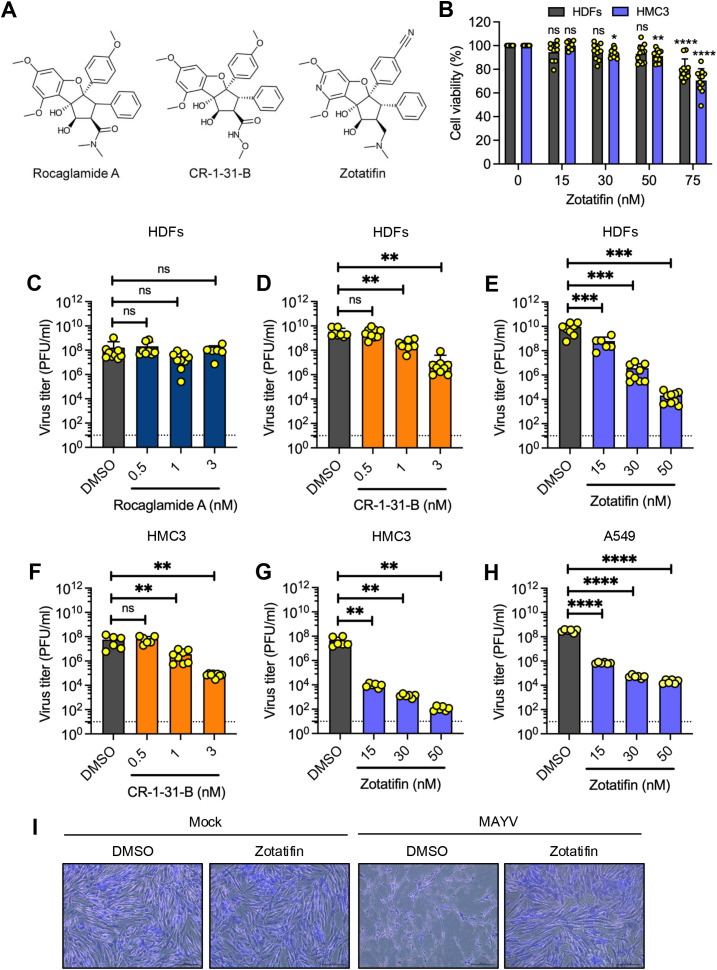 Figure 1
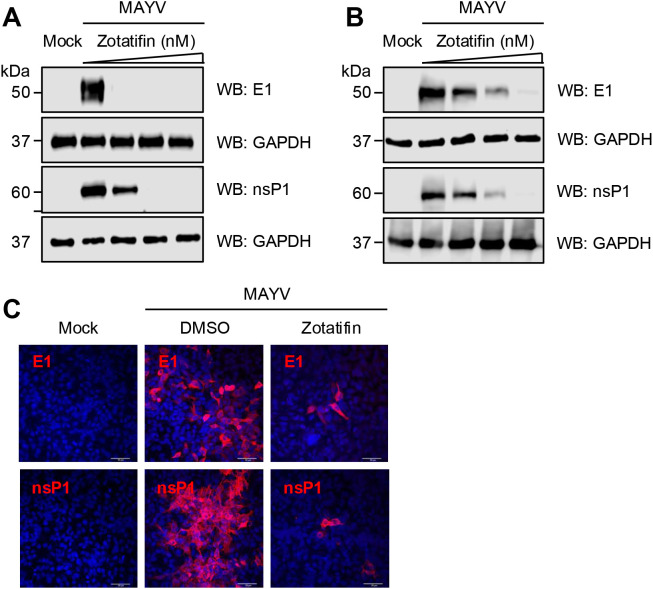 Figure 2
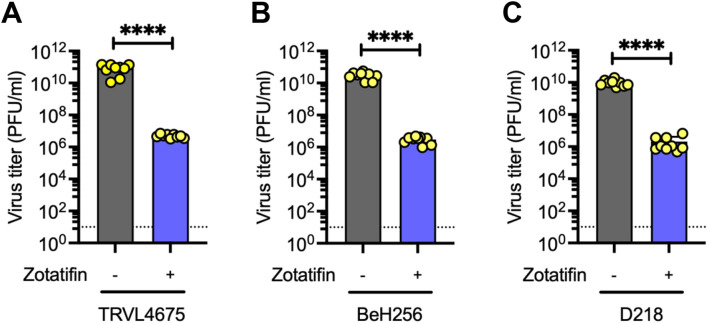 Figure 3
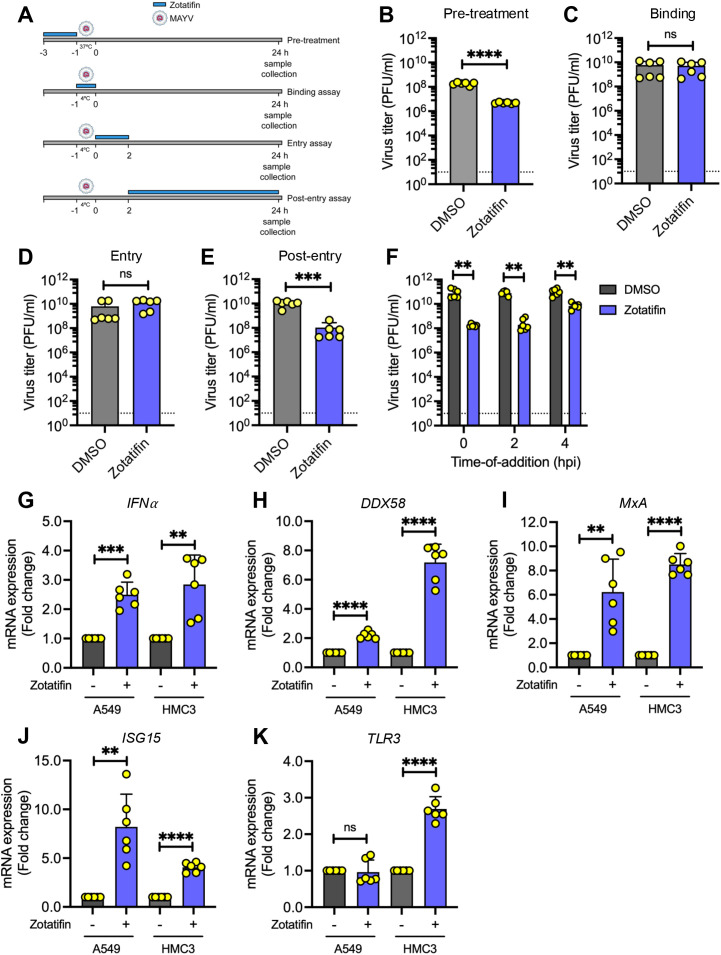 Figure 4
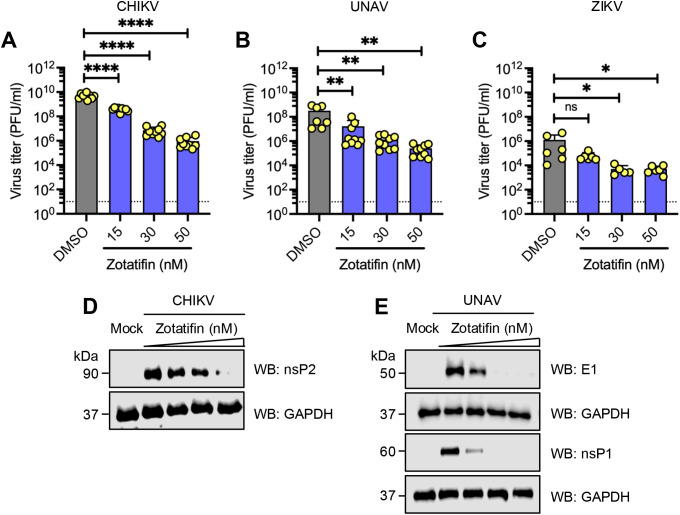 Figure 5
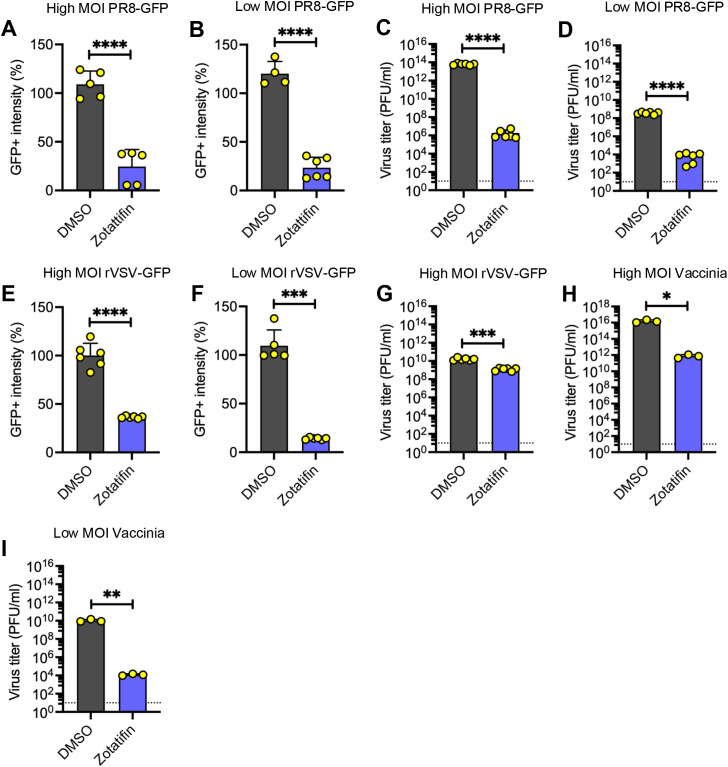 Figure 6
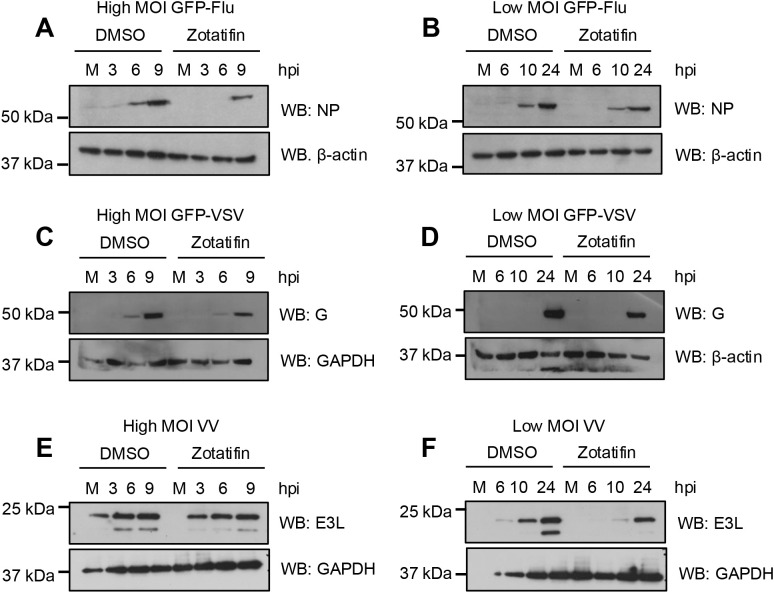 Figure 7
Peer Reviews
No public reviews on file for this paper yet. If you reviewed it on a platform where reviews are public (OpenReview, ICLR, NeurIPS, ICML), you can paste yours below so the community can read it here.
Videos
No videos yet. Explain this paper in a talk, walkthrough, or lecture? Add one.
Taxonomy
TopicsPhytochemical compounds biological activities · Curcumin's Biomedical Applications · Research in Cotton Cultivation