Comparing the expression patterns and differences of LOX and LOXL1 during the development of myodural bridge and ligamentum flavum
Yi-tong Sun, Zhao-ran Li, Hua-xun Lai, Wei Ma, Chan Li, Ji-hang Li, Yan-yan Chi, Sheng-bo Yu, Nan Zheng, Bo Liu, Jian-fei Zhang, Hong-jin Sui

TL;DR
This study explores how two tissues in the spine, the myodural bridge and ligamentum flavum, develop differently by comparing the roles of LOX and LOXL1 in their formation.
Contribution
The study reveals that LOX and LOXL1 have differential expression patterns that influence structural differences between the myodural bridge and ligamentum flavum during development.
Findings
The MDB and LF show distinct histological developmental patterns, with the MDB forming complete structures earlier than the LF.
LOX and LOXL1 are critical for collagen and elastic fiber formation in both the MDB and LF.
Differential expression of LOX and LOXL1 leads to variations in fiber composition and maturation timing, contributing to structural differences.
Abstract
The ligamentum flavum (LF) is a passive stabilizing tissue that connects two adjacent vertebral arches and contributes to the enclosure the spinal canal, thereby closing the entire canal posteriorly. However, a gap exists at the posterior atlanto-occipital and atlanto-axial interspaces, where the LF is absent and replaced by the myodural bridge (MDB), which attaches to the spinal dura mater. The reasons for this anatomical difference and how it arises during development remain unclear. There are notable structural differences between MDB and LF. The MDB consists primarily of type I collagen fibers, while the LF contains both collagen and elastin fibers, with the latter comprising a higher proportion. This study speculates that LOX and LOXL1, as key regulators of fiber synthesis, play an essential role in the development of MDB and LF. Differences in the expression of LOX and LOXL1,…
Genes, proteins, chemicals, diseases, species, mutations and cell lines named across the full text — each resolved to its canonical identifier and authoritative record.
Click any figure to enlarge with its caption.
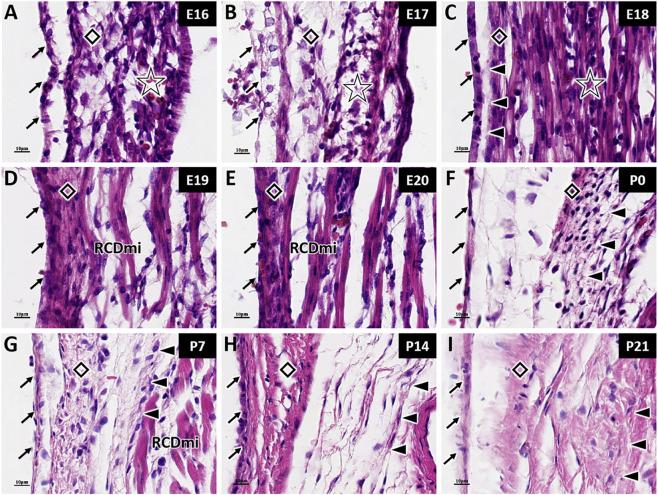 Figure 1
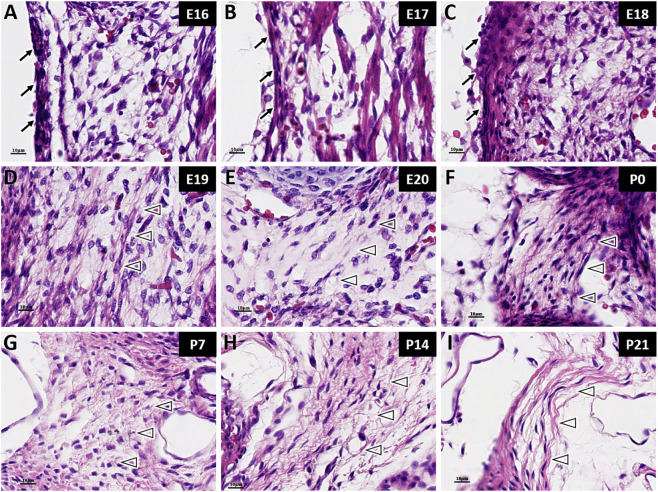 Figure 2
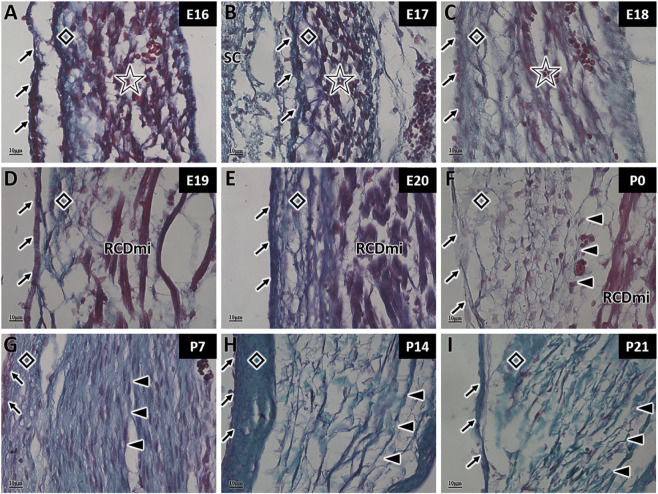 Figure 3
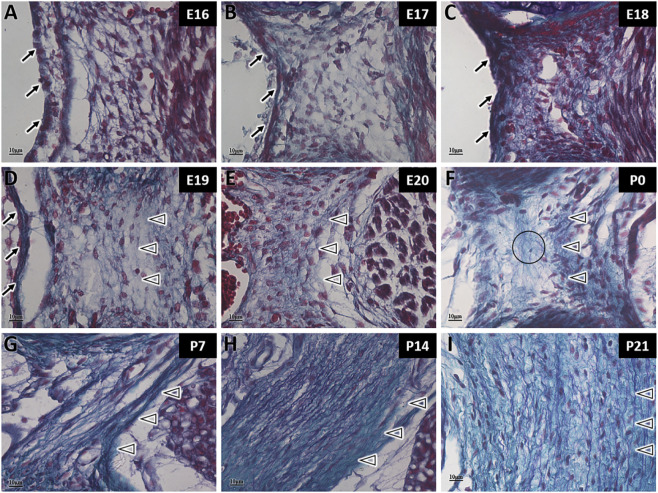 Figure 4
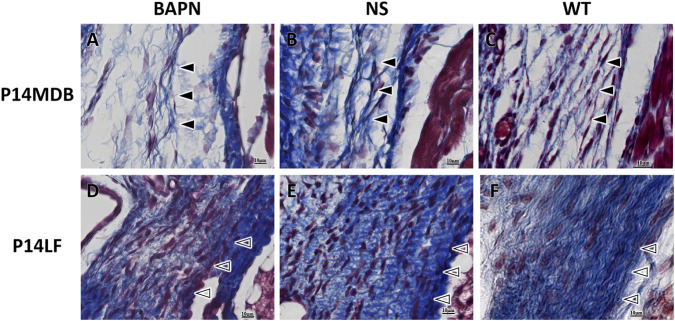 Figure 5
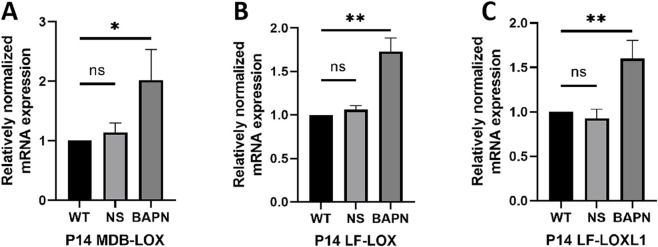 Figure 6
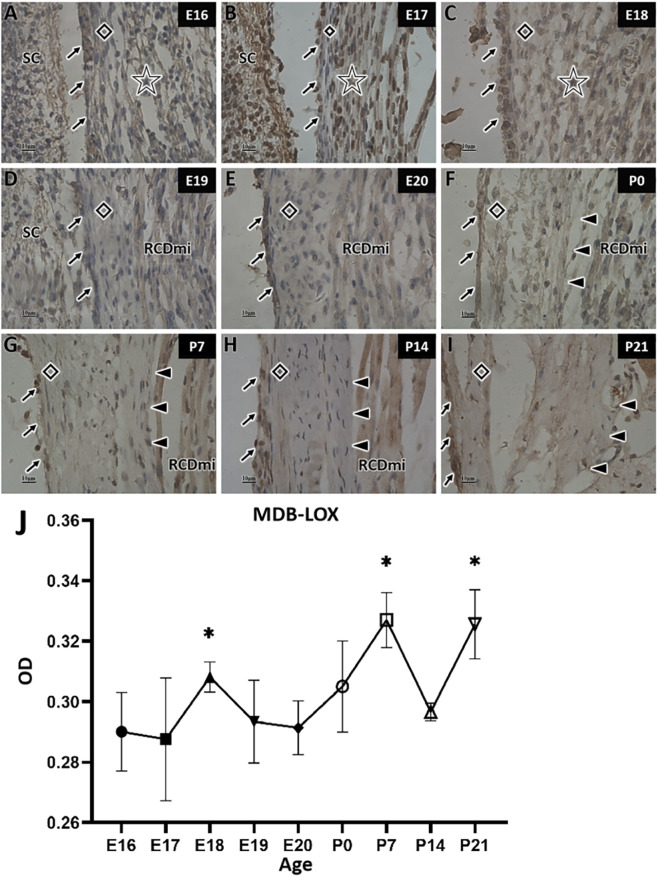 Figure 7
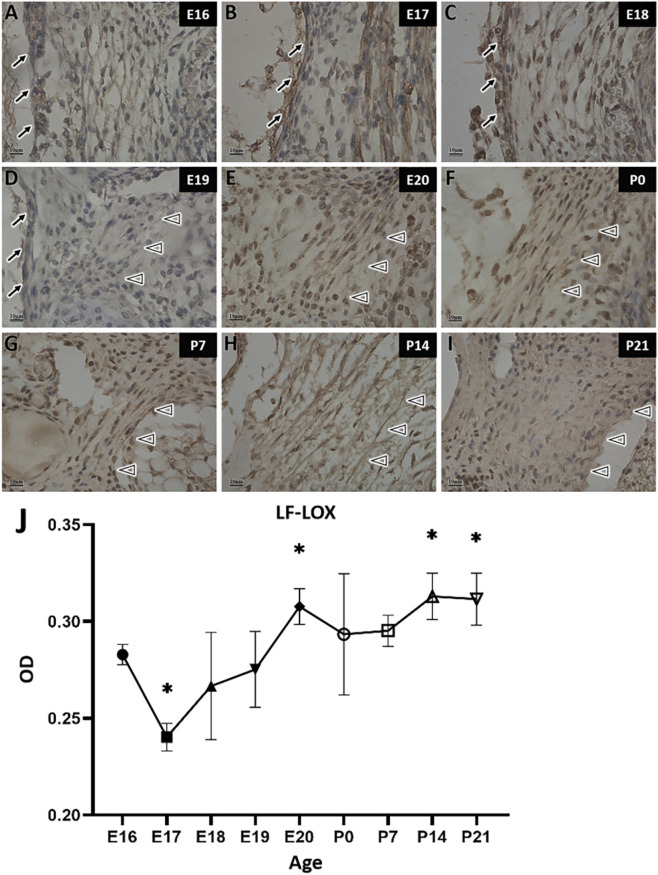 Figure 8
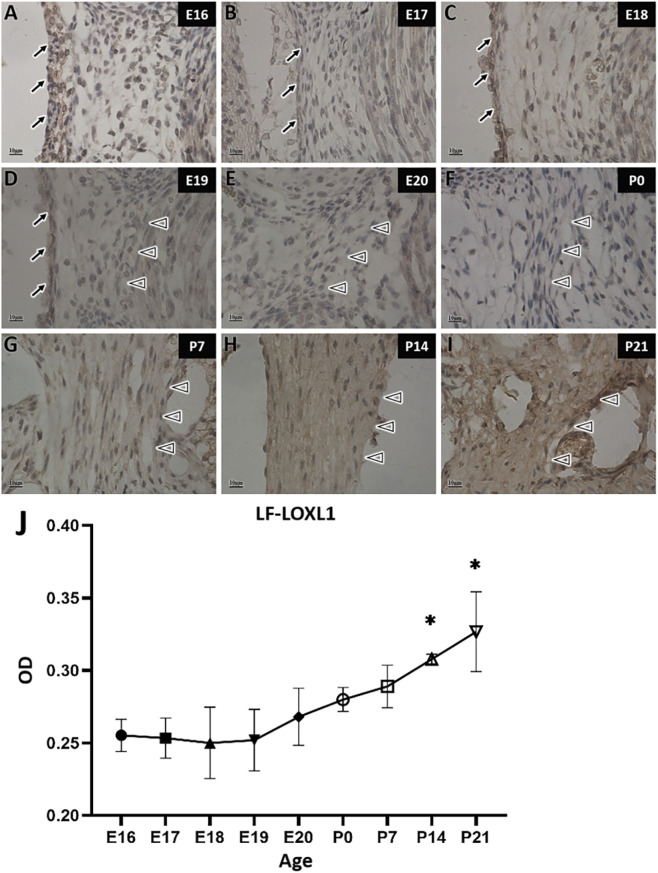 Figure 9
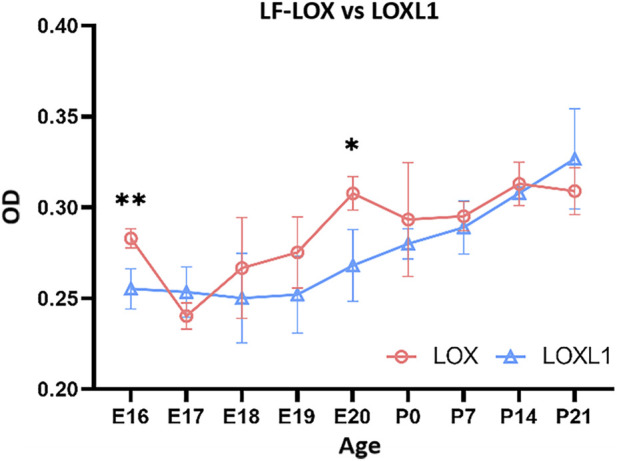 Figure 10
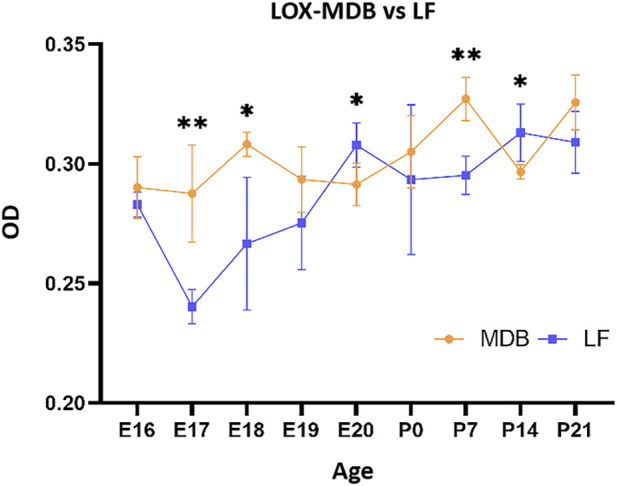 Figure 11
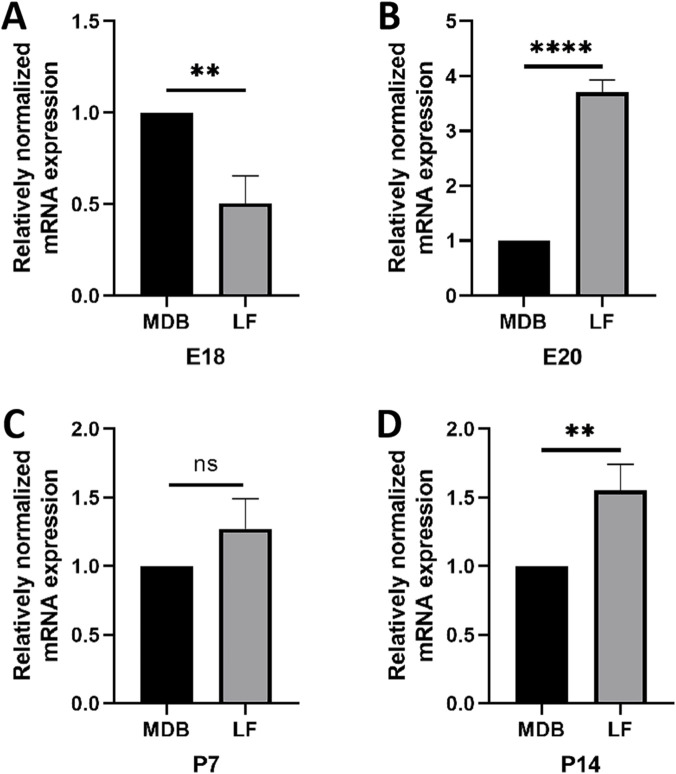 Figure 12
Peer Reviews
No public reviews on file for this paper yet. If you reviewed it on a platform where reviews are public (OpenReview, ICLR, NeurIPS, ICML), you can paste yours below so the community can read it here.
Videos
No videos yet. Explain this paper in a talk, walkthrough, or lecture? Add one.
Taxonomy
TopicsCervical and Thoracic Myelopathy · Spine and Intervertebral Disc Pathology · Scoliosis diagnosis and treatment