Surface modification of commercial anion exchange membrane for the inactivation of Escherichia coli
Fulufhelo H. Mudau, Ralph F. Muvhiiwa, Machawe M. Motsa, Lueta-Ann De Kock, Francis Hassard

TL;DR
This paper shows how modifying membranes with silver and copper particles can effectively kill E. coli in water treatment.
Contribution
A two-step process to deposit silver and copper nanoparticles on anion exchange membranes for antimicrobial water treatment is developed and tested.
Findings
Modified membranes achieved up to 8-log inactivation of Escherichia coli within 1–4 hours.
Silver showed higher antimicrobial efficiency per unit metal compared to copper.
Metal leaching remained within safe drinking water limits over 14 days.
Abstract
Modifying membranes with antimicrobial nanoparticles enhances antifouling properties and enables rapid disinfection during water treatment. Here, silver (Ag) and copper (Cu) particles were formed on a commercial anionic exchange membranes using a two-step ion-mediated surface-reduction process consisting of a 24-h sodium borohydride treatment followed by a 24-h reaction with Ag and Cu precursor solutions (0.01–0.1 M). Scanning electron microscopy with energy-dispersive spectrometry confirmed uniform Ag and Cu particle distribution on the membrane surface. Increasing precursor concentration enlarged the Ag particle diameters from 167.7 ± 2.2 nm to 652.2 ± 23.4 nm and Cu from 117.8 ± 3.4 nm to 606.5 ± 16.6 nm, with metal content of 0.05 ± 0.001–0.17 ± 0.01 mg·cm2 (Ag) and 1.05 ± 0.01–2.13 ± 0.03 mg·cm2 (Cu). Metal leaching after 14 days was low (Ag: 3.11 ± 0.24–6.62 ± 0.12 ppb; Cu: 2.75 ±…
Genes, proteins, chemicals, diseases, species, mutations and cell lines named across the full text — each resolved to its canonical identifier and authoritative record.
Click any figure to enlarge with its caption.
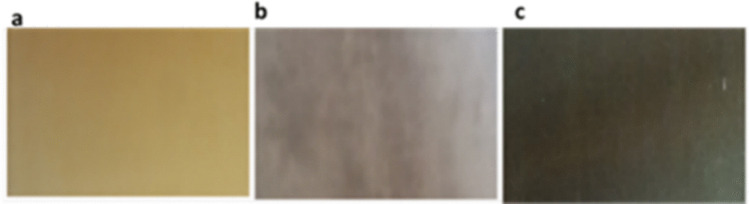 Figure 1
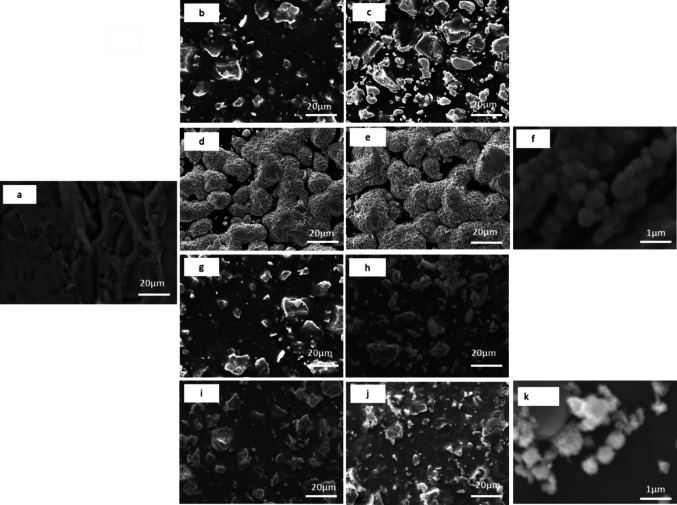 Figure 2
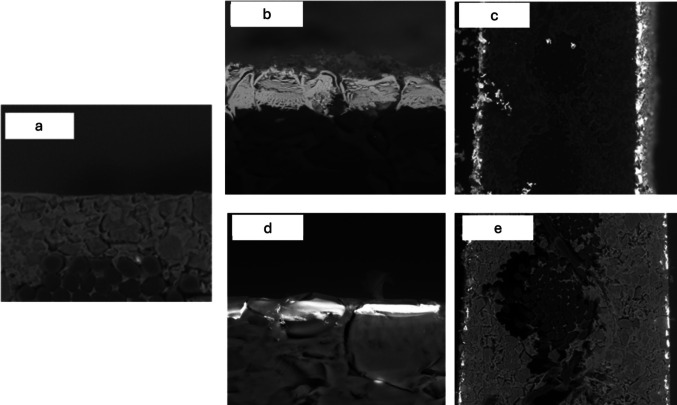 Figure 3
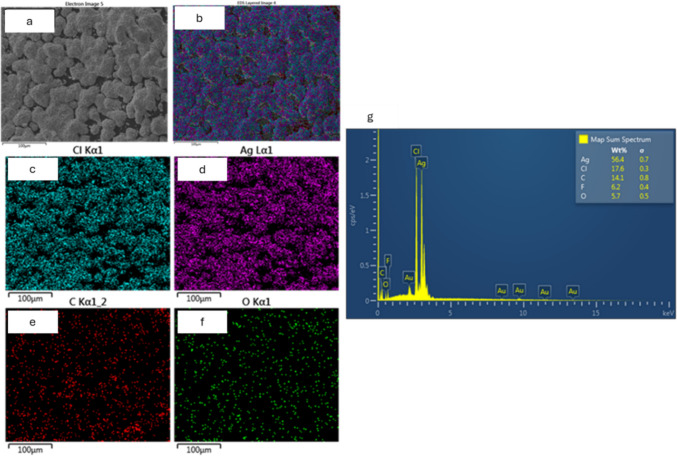 Figure 4
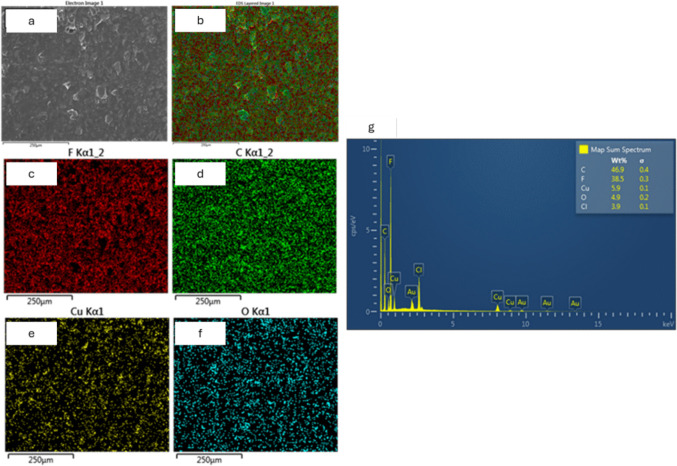 Figure 5
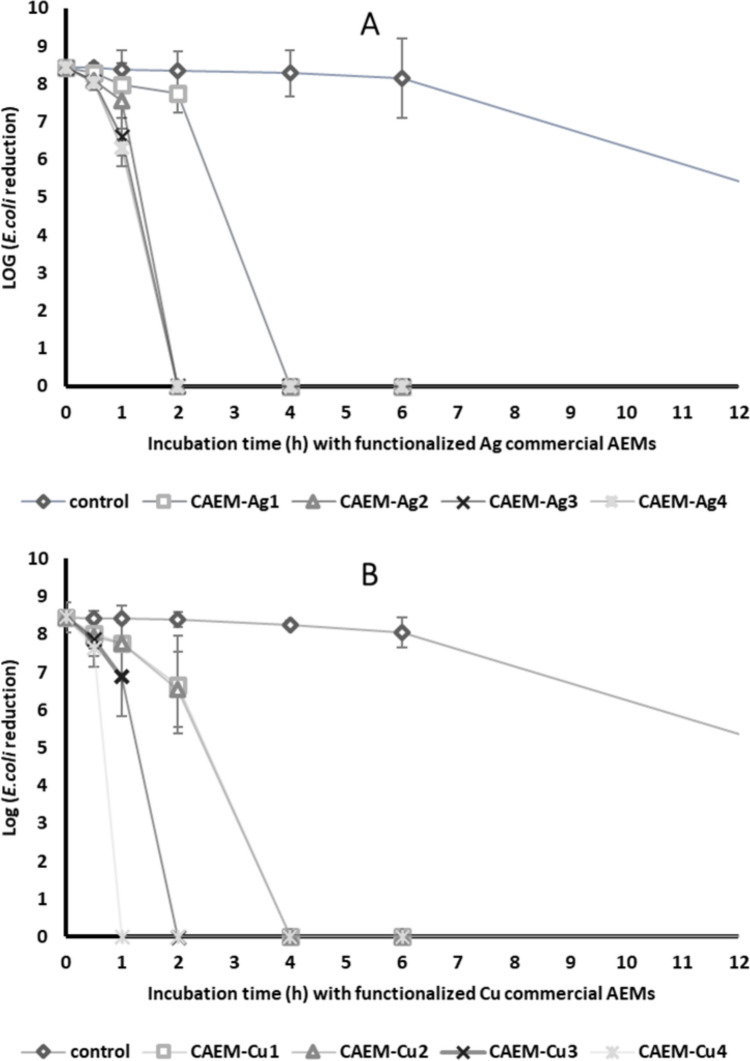 Figure 6
 Figure 7
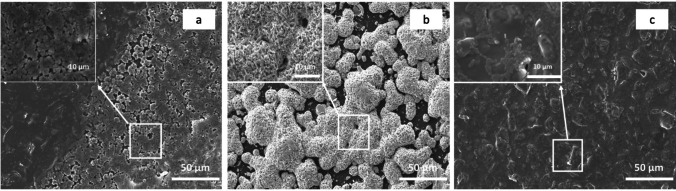 Figure 8
Peer Reviews
No public reviews on file for this paper yet. If you reviewed it on a platform where reviews are public (OpenReview, ICLR, NeurIPS, ICML), you can paste yours below so the community can read it here.
Videos
No videos yet. Explain this paper in a talk, walkthrough, or lecture? Add one.
Taxonomy
TopicsMembrane Separation Technologies · Membrane-based Ion Separation Techniques · Extraction and Separation Processes