Binding interactions of Trametes villosa and Trametes lactinea laccases with 4-nonylphenol and its intermediates: molecular docking and molecular dynamics approaches
Robson Lourenço da Silva Santos, Nathália Felix Bomfim, Fabrício Motteran

TL;DR
This study explores how two fungal enzymes can bind to a harmful chemical pollutant, suggesting their potential use in biodegradation.
Contribution
Computational evidence is provided for the binding affinity of Trametes laccases with 4-nonylphenol and its intermediates.
Findings
Laccases from Trametes villosa and Trametes lactinea show strong binding affinity to 4-nonylphenol and its intermediates.
Molecular dynamics simulations confirm the stability of enzyme-ligand complexes.
Hydrophobic and van der Waals interactions are key to the binding stability.
Abstract
Emerging pollutants such as 4-nonylphenol (4-NP) act as endocrine disruptors and have been associated with reproductive toxicity in humans and wildlife, as well as with physiological disturbances in aquatic, terrestrial, and plant organisms. Laccases are oxidoreductases with notable biotechnological relevance and the ability to oxidize phenolic pollutants, making them attractive candidates for biodegradation strategies. This study investigated the interactions between laccases from Trametes villosa and Trametes lactinea and 4-NP and its degradation intermediates via molecular docking and molecular dynamics simulations (MDS). Ligands were geometrically optimized using the PM7 semiempirical method, and their global reactivity descriptors were computed to explore correlations between electronic properties and laccase binding affinity. Docking revealed favorable binding energies (ΔGbind ≈…
Genes, proteins, chemicals, diseases, species, mutations and cell lines named across the full text — each resolved to its canonical identifier and authoritative record.
Click any figure to enlarge with its caption.
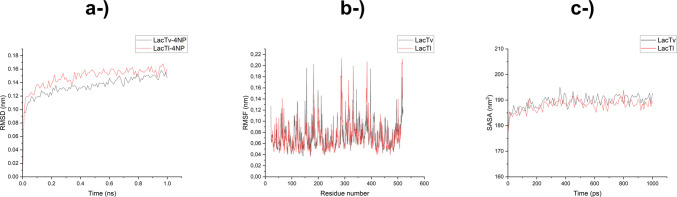 Figure 10
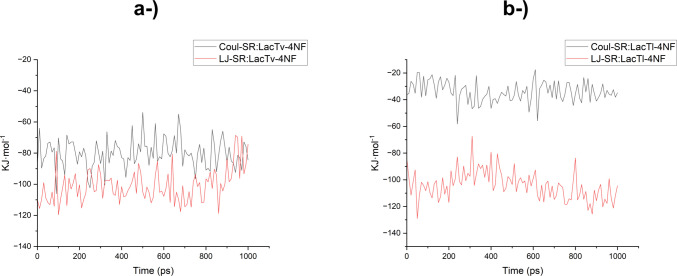 Figure 11
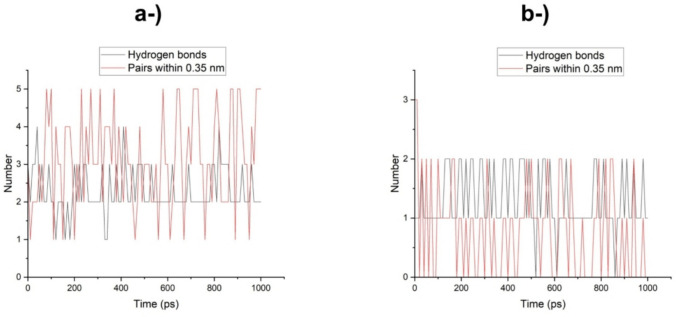 Figure 12
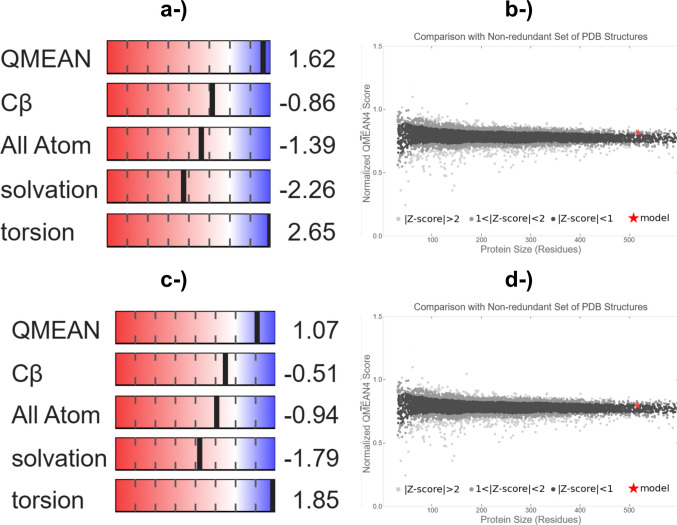 Figure 1
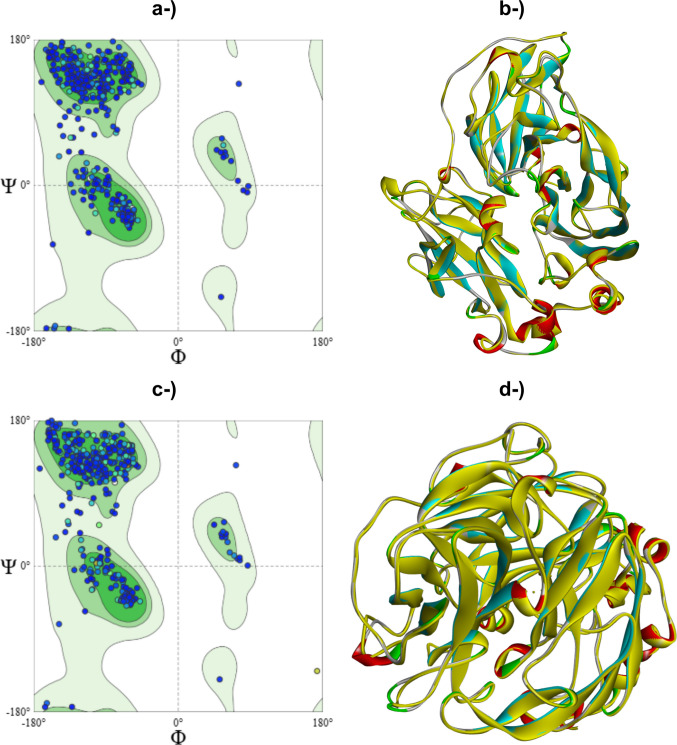 Figure 2
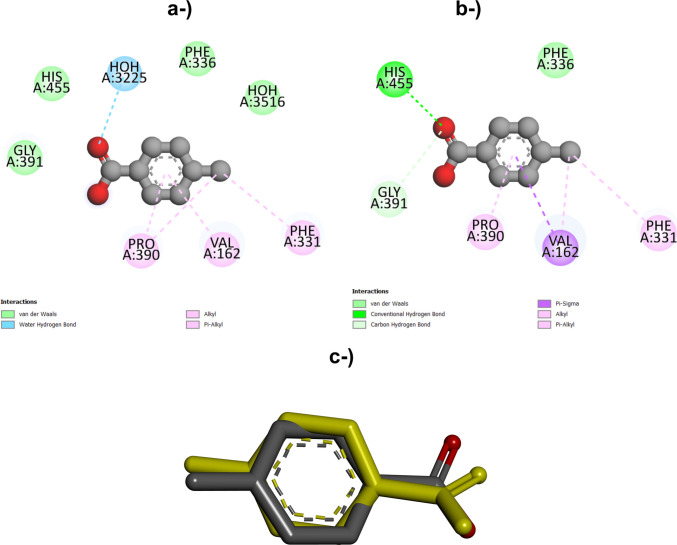 Figure 3
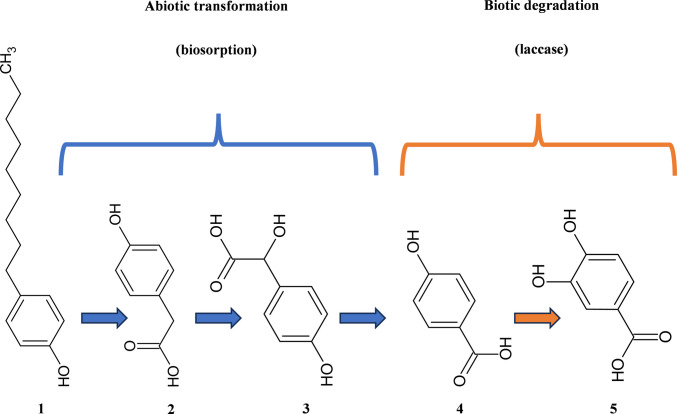 Figure 4
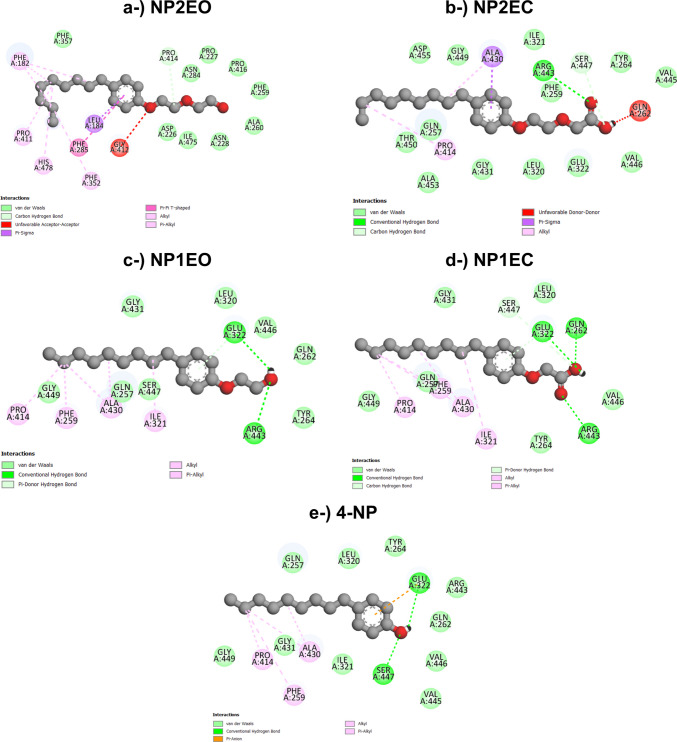 Figure 5
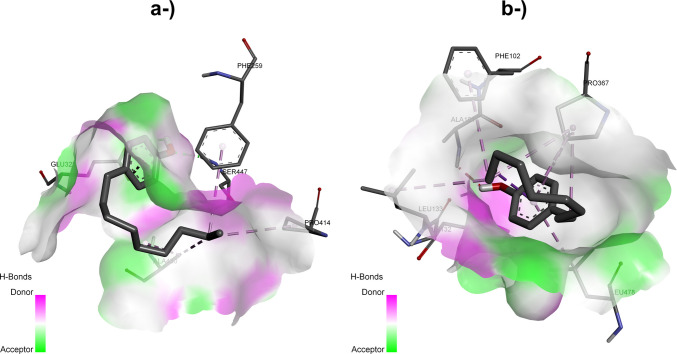 Figure 6
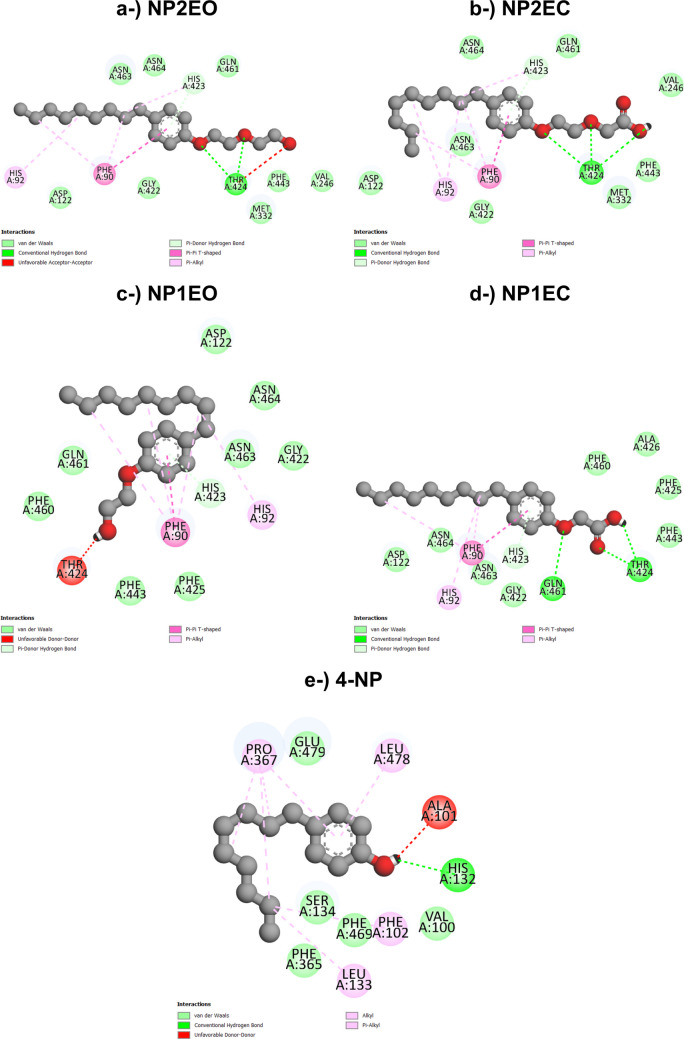 Figure 7
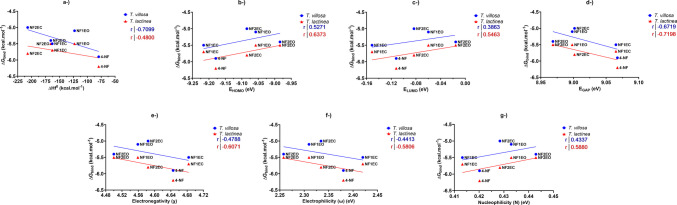 Figure 8
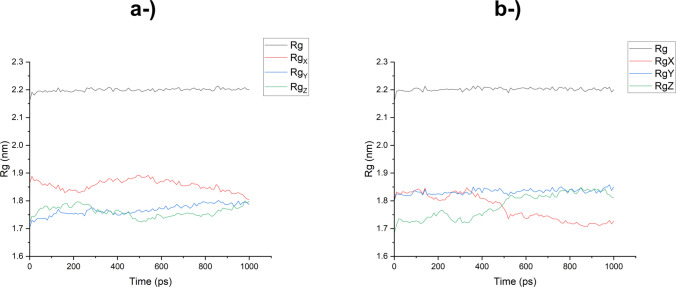 Figure 9
Peer Reviews
No public reviews on file for this paper yet. If you reviewed it on a platform where reviews are public (OpenReview, ICLR, NeurIPS, ICML), you can paste yours below so the community can read it here.
Videos
No videos yet. Explain this paper in a talk, walkthrough, or lecture? Add one.
Taxonomy
TopicsEnzyme-mediated dye degradation · Protein Interaction Studies and Fluorescence Analysis · Metal-Catalyzed Oxygenation Mechanisms