Optimization of chemically activated carbon derived from malt bagasse for CO₂ adsorption: a simplex-centroid approach
Giovanna C. Carlos, Lucas H. S. Crespo, Pedro H. C. Voloch, Aline A. R. Andrade, Pedro H. V. Ribeiro, Faissal Robbin, Vitor C. Almeida, Lucas Spessato

TL;DR
This study optimizes the production of activated carbon from malt bagasse to efficiently capture CO₂, using a statistical method and chemical activation.
Contribution
A novel simplex-centroid approach is applied to optimize CO₂ adsorption capacity in activated carbon derived from a brewing by-product.
Findings
The optimized activated carbon achieved a CO₂ adsorption capacity of 2.83 mmol g⁻¹ at 273 K.
Malt bagasse is confirmed as a sustainable precursor for high-performance CO₂ adsorbents.
NaOH-activated carbon showed the most favorable properties for CO₂ capture.
Abstract
The intensification of the greenhouse effect has been primarily driven by anthropogenic CO₂ emissions, leading to significant climate change. Among the strategies to mitigate CO₂ emissions from industrial activities, adsorption using activated carbons (ACs) derived from renewable sources stands out as a promising approach. Activated carbons were prepared via chemical activation of malt bagasse, a brewing industry by-product, using NaOH, Na₂C₂O₄, Na₂CO₃, and their mixtures as activating agents. The augmented simplex-centroid method was employed to optimize the process and obtain an activated carbon (ACₒₚ) with high BET surface area. The materials were characterized by proximate analysis, N₂ physisorption, thermogravimetric analysis (TGA), scanning electron microscopy (SEM), Fourier-transform infrared spectroscopy (FTIR), and Raman spectroscopy. CO₂ adsorption experiments were performed…
Genes, proteins, chemicals, diseases, species, mutations and cell lines named across the full text — each resolved to its canonical identifier and authoritative record.
Click any figure to enlarge with its caption.
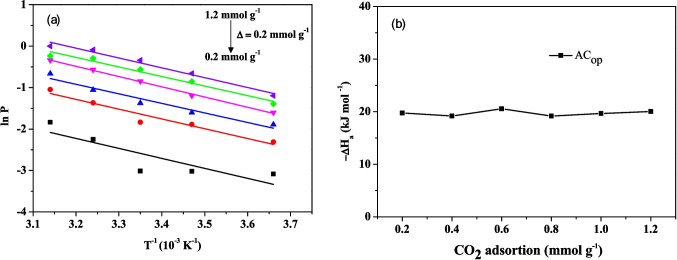 Figure 10
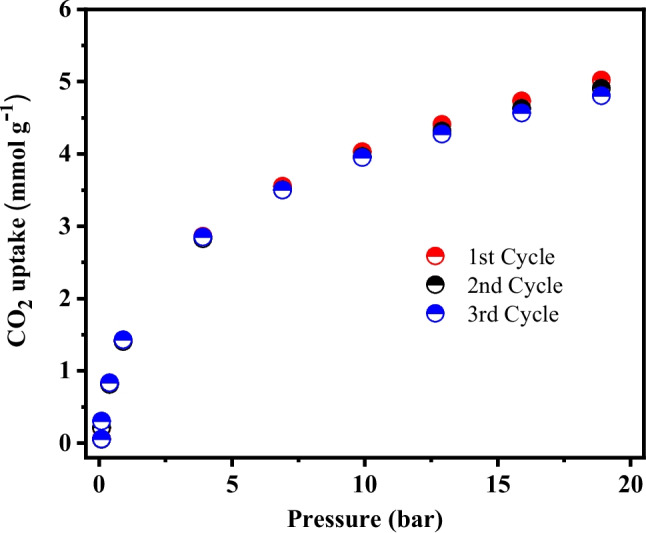 Figure 11
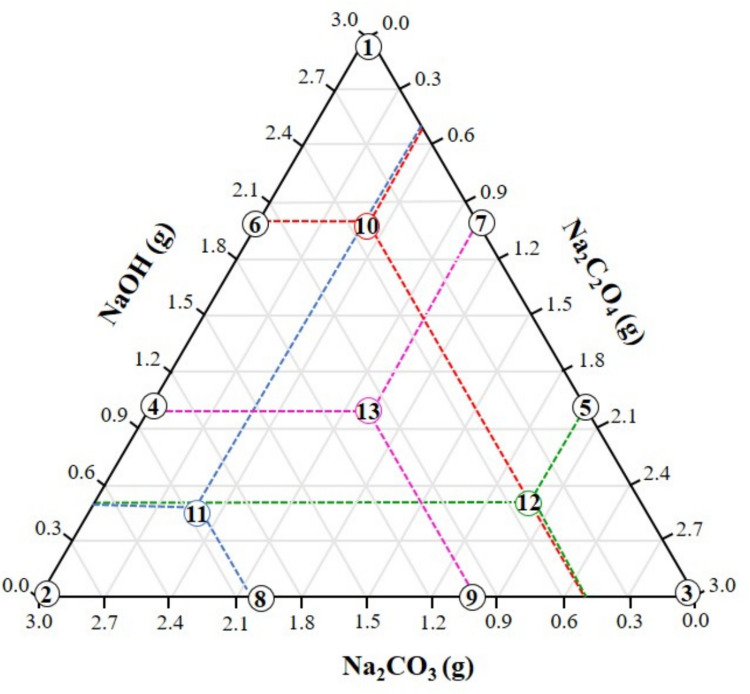 Figure 1
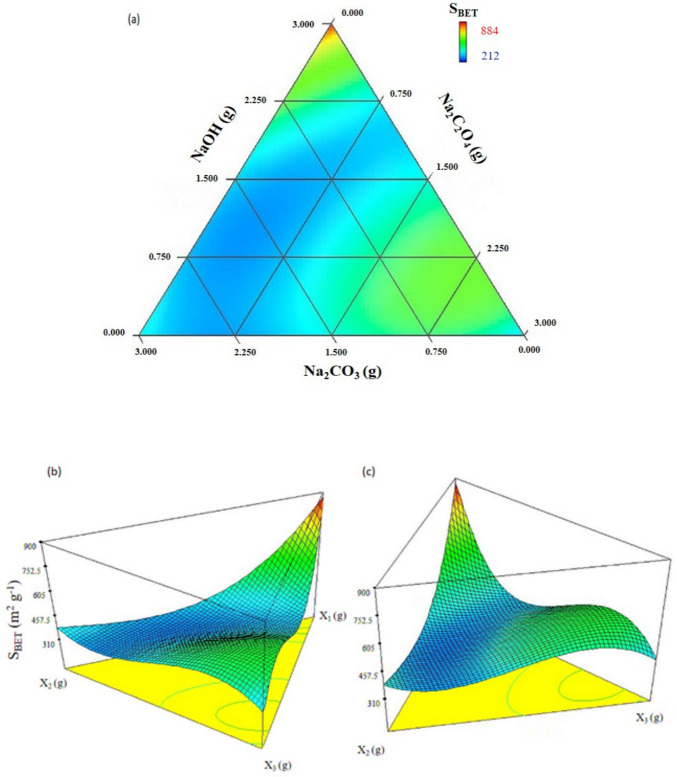 Figure 2
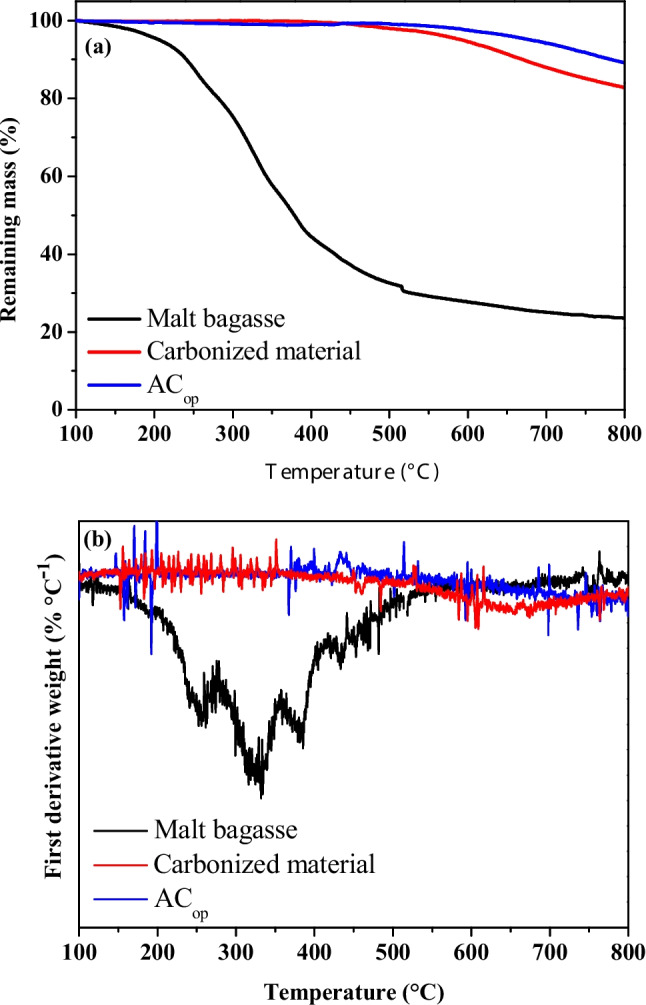 Figure 3
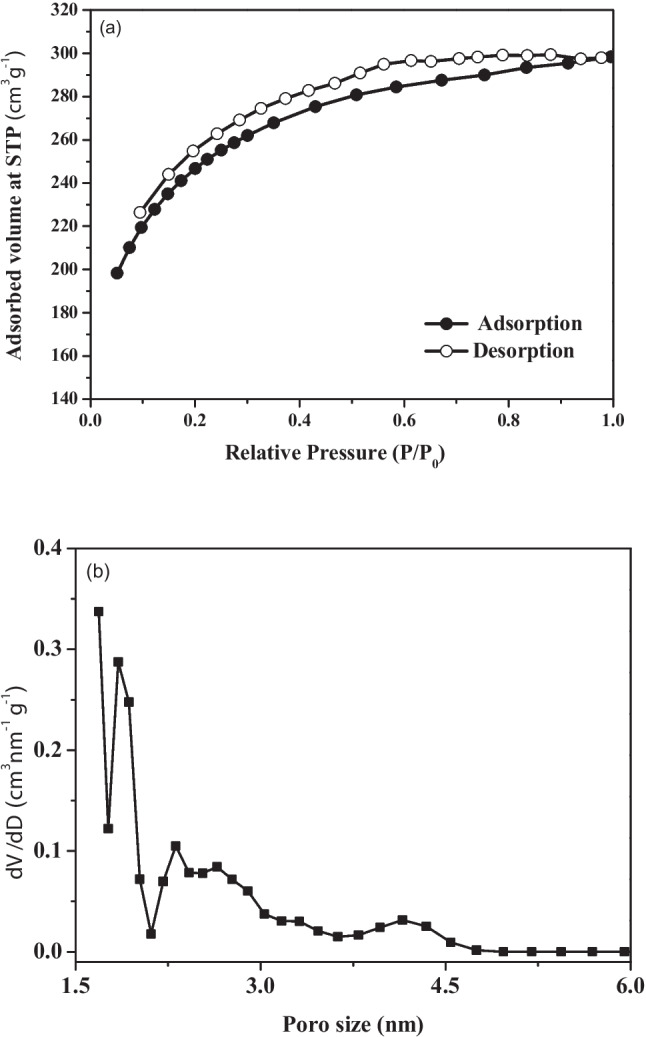 Figure 4
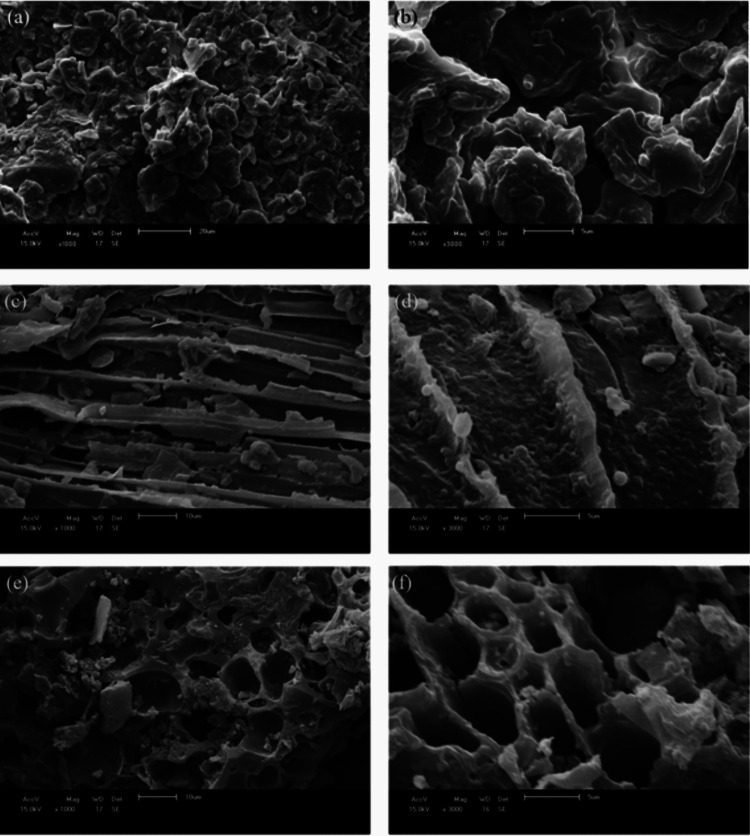 Figure 5
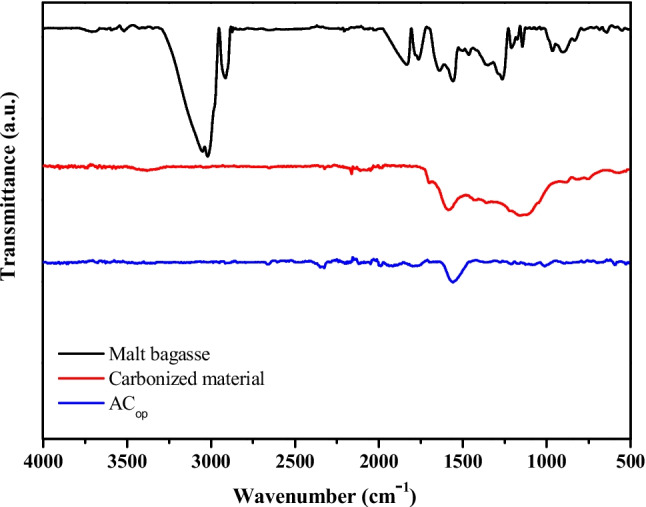 Figure 6
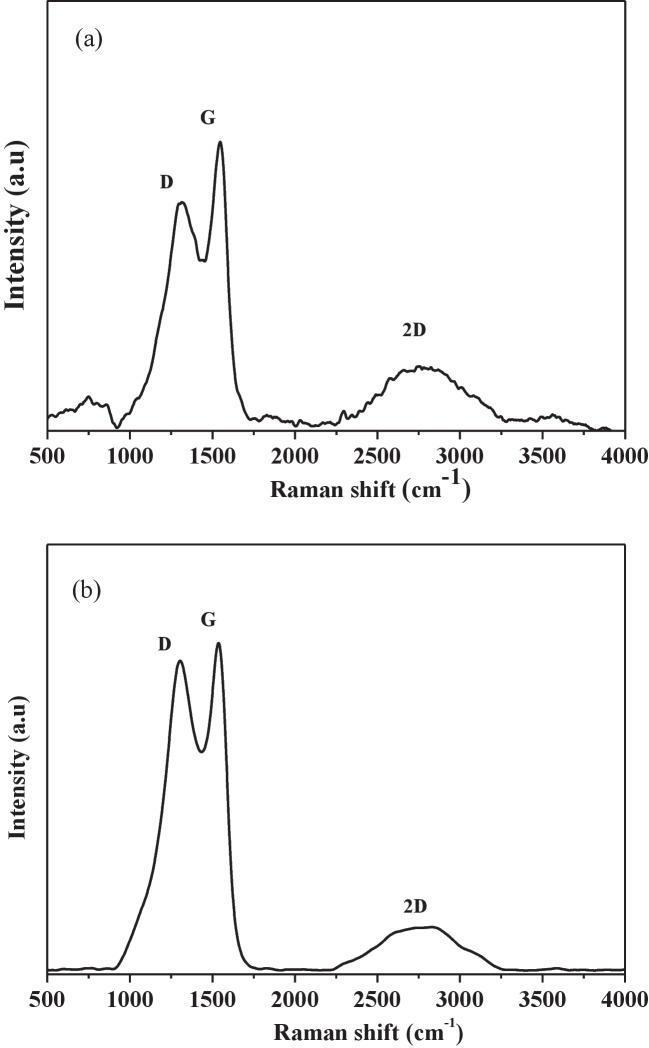 Figure 7
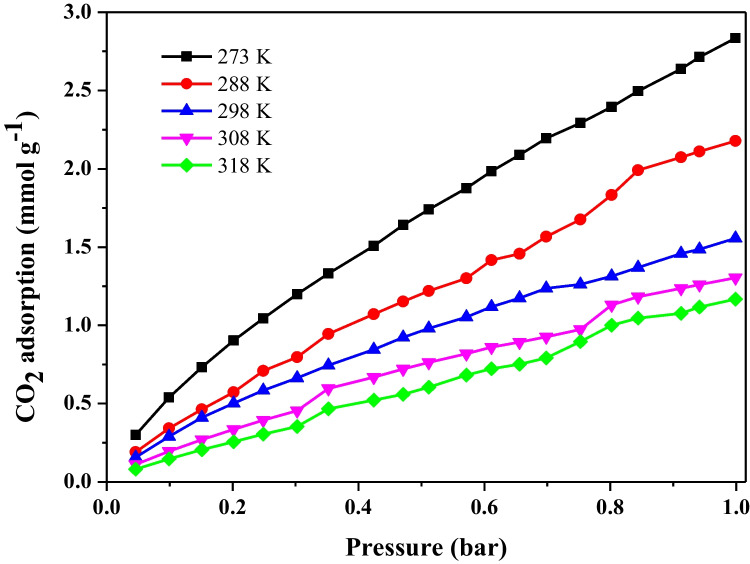 Figure 8
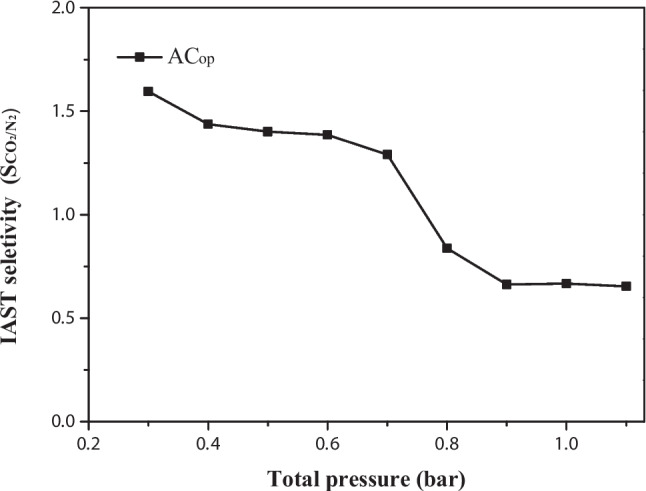 Figure 9
Peer Reviews
No public reviews on file for this paper yet. If you reviewed it on a platform where reviews are public (OpenReview, ICLR, NeurIPS, ICML), you can paste yours below so the community can read it here.
Videos
No videos yet. Explain this paper in a talk, walkthrough, or lecture? Add one.
Taxonomy
TopicsCarbon Dioxide Capture Technologies · Adsorption and biosorption for pollutant removal · Adsorption and Cooling Systems