Single-cell transcriptomics of acetaminophen-induced responses in human 2D and 3D liver microtissues
Brian Bwanya, Marcha C. T. Verheijen, Duncan Hauser, Theo M. de Kok, Danyel G. J. Jennen, Twan van den Beucken, Florian Caiment

TL;DR
This study uses single-cell RNA sequencing to compare how human liver cells in 2D and 3D cultures respond to acetaminophen, revealing that 3D models show more complex and realistic responses.
Contribution
The novel contribution is the use of single-cell transcriptomics to uncover hypoxia-driven differences in drug metabolism between 2D and 3D liver models.
Findings
3D liver spheroids showed greater transcriptional diversity and higher ribosomal gene expression compared to 2D cultures.
3D cultures exhibited hypoxia-associated signaling, especially in endothelial cells, even under baseline conditions.
Acetaminophen exposure altered cytochrome P450 and conjugation enzyme expression in hypoxic hepatocytes, indicating compromised detoxification.
Abstract
Drug-induced liver injury remains a major obstacle in pharmaceutical development and a leading cause of acute liver failure, underscoring the need for predictive and human-relevant in vitro models. Acetaminophen, a widely used analgesic with well-characterized dose-dependent hepatotoxicity, serves as a benchmark compound for evaluating liver toxicity mechanisms. Here, we applied single cell RNA sequencing to characterize cellular responses to acetaminophen exposure in two distinct liver cell culture formats: two-dimensional monolayers (2D) and three-dimensional (3D) spheroids composed of primary human hepatocytes, Kupffer cells, and liver endothelial cells. Cultures were exposed for 24 h to low (350 µM) and high (2687 µM) acetaminophen concentrations, with 2D cultures receiving only the low dose. Compared to 2D monolayers, 3D spheroids exhibited greater transcriptional diversity and…
Genes, proteins, chemicals, diseases, species, mutations and cell lines named across the full text — each resolved to its canonical identifier and authoritative record.
Click any figure to enlarge with its caption.
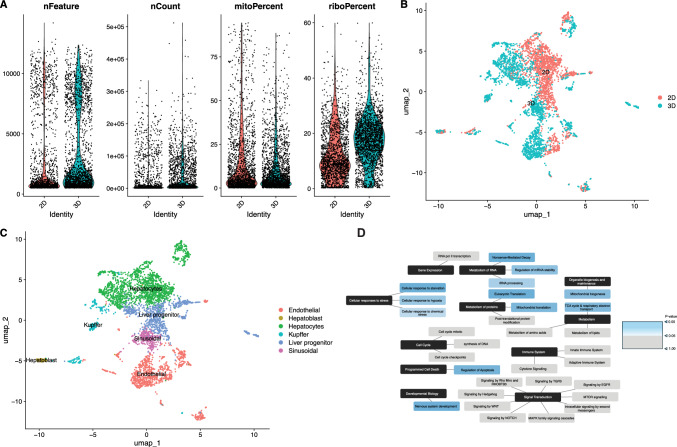 Figure 1
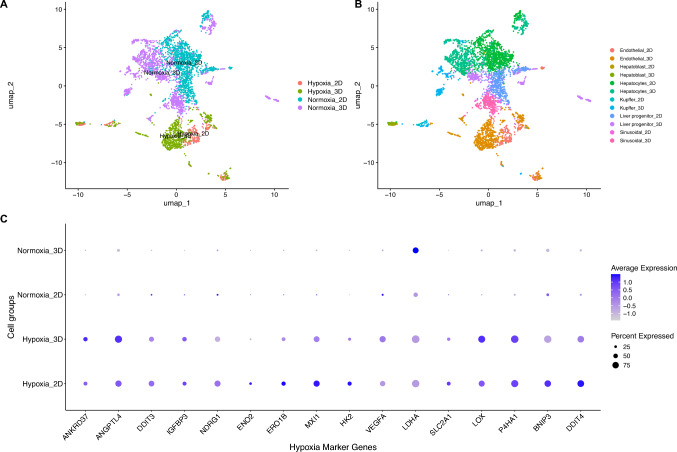 Figure 2
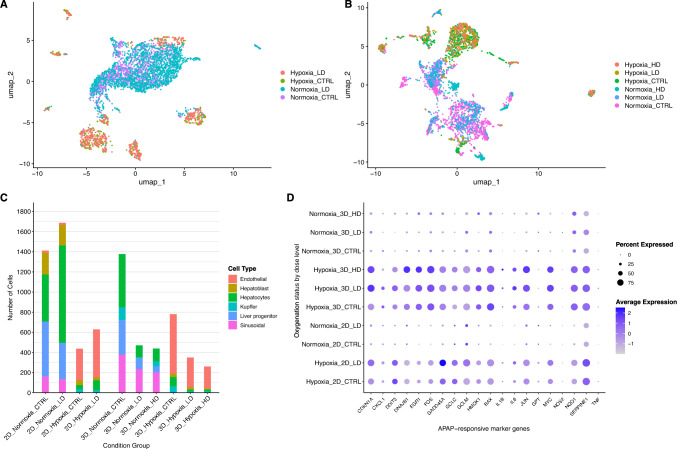 Figure 3
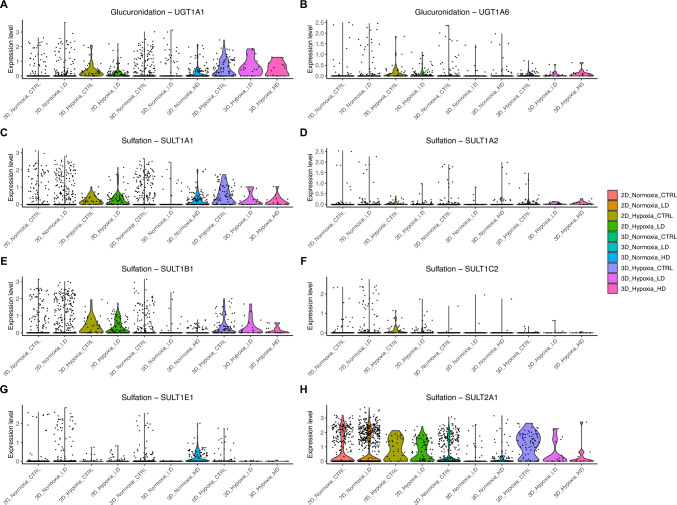 Figure 4
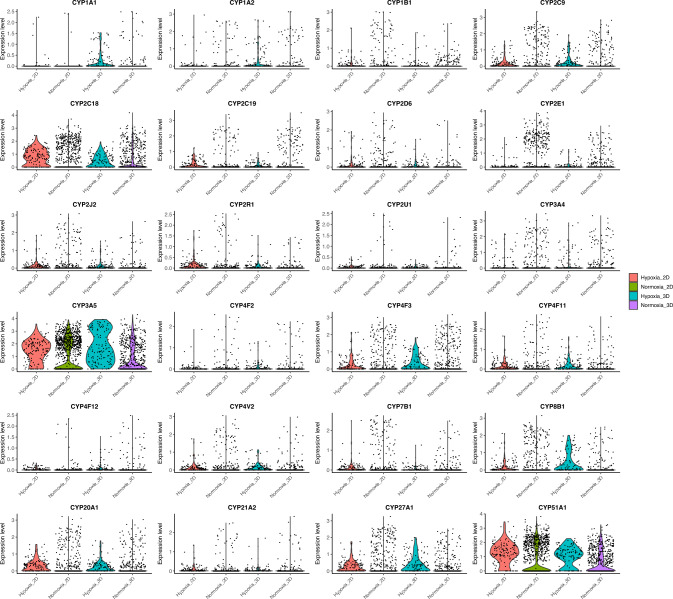 Figure 5
Peer Reviews
No public reviews on file for this paper yet. If you reviewed it on a platform where reviews are public (OpenReview, ICLR, NeurIPS, ICML), you can paste yours below so the community can read it here.
Videos
No videos yet. Explain this paper in a talk, walkthrough, or lecture? Add one.
Taxonomy
TopicsLiver physiology and pathology · Drug-Induced Hepatotoxicity and Protection · 3D Printing in Biomedical Research