Classification of industrial chemicals for respiratory chemosensory irritation using the TRPV1-expressing neuronal SH-SY5Y cell model and machine learning
María Hinojosa, Gunnar Johanson, Ulf Norinder, Anna Forsby

TL;DR
This study explores a new method using SH-SY5Y cells and machine learning to classify chemicals based on their potential to cause respiratory irritation, aiming to replace traditional animal and human testing.
Contribution
The study introduces a novel combination of a TRPV1-expressing cell model and machine learning to classify chemical irritation potential.
Findings
Fifteen of 34 chemicals induced TRPV1 activation, but only phenol acted as a true TRPV1 agonist.
The best 2-class model achieved 90% accuracy when using data with the TRPV1 antagonist capsazepine.
Three highly irritating chemicals were misclassified, suggesting other mechanisms may contribute to irritation.
Abstract
Respiratory sensory irritation is the basis for many occupational exposure limits. Irritation thresholds have hitherto mainly been identified in humans by questionnaires and in mice by measuring the inhaled concentration causing 50% respiratory depression (RD50). Both methods are ethically questionable. We investigated an alternative New Approach Methodology (NAM) approach, namely the neuronal SH-SY5Y cell model expressing the sensory receptor TRPV1 in combination with random forest-based machine learning. The intracellular Ca2+ concentration was monitored during acute exposure to different concentrations of 34 organic chemicals. Potency and efficacy were determined with and without the TRPV1 antagonist capsazepine (CZ). Fifteen of the chemicals induced TRPV1 activation at some concentrations, however only phenol appeared as a true TRPV1 agonist. Using machine learning, the parameters…
Genes, proteins, chemicals, diseases, species, mutations and cell lines named across the full text — each resolved to its canonical identifier and authoritative record.
Click any figure to enlarge with its caption.
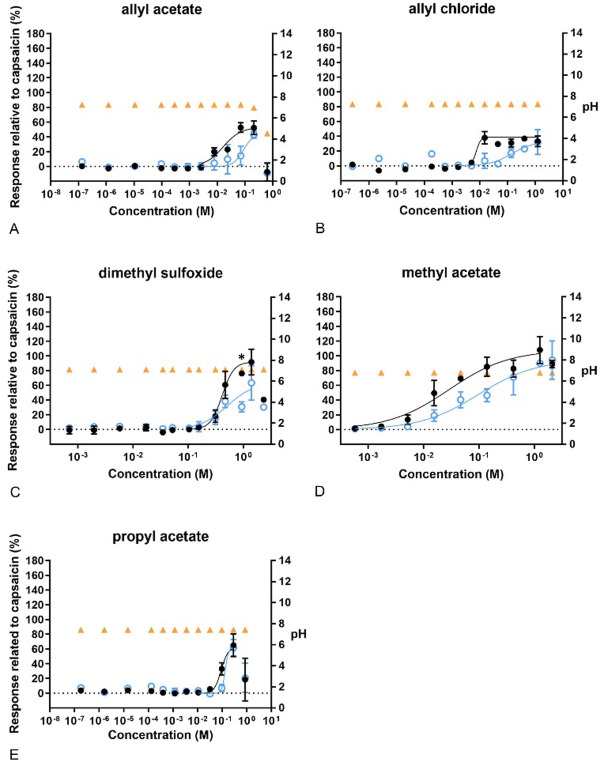 Figure 10
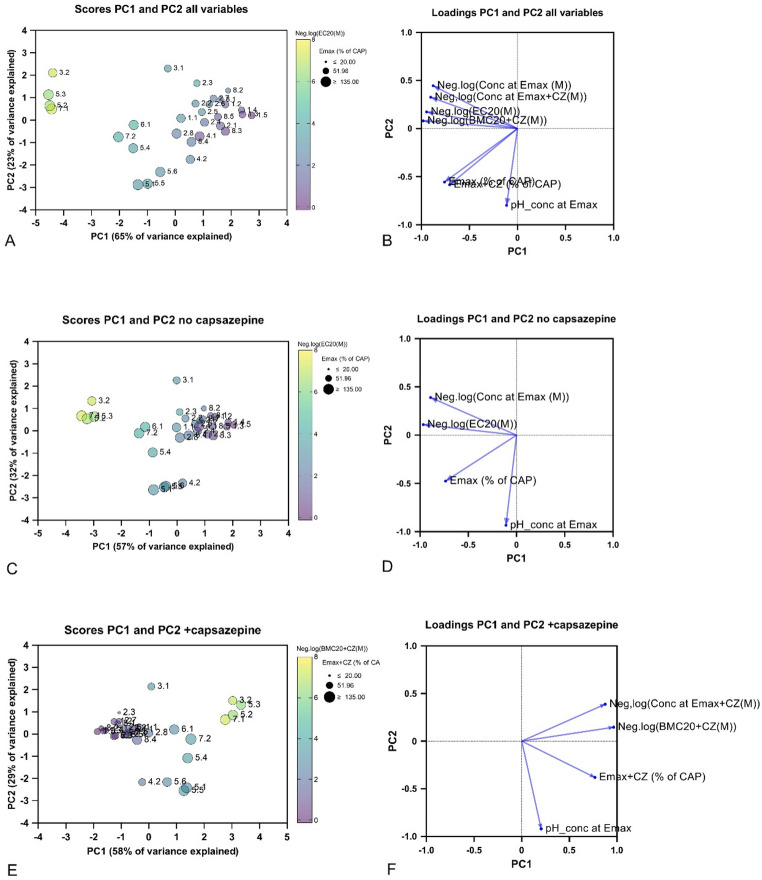 Figure 11
 Figure 1
 Figure 2
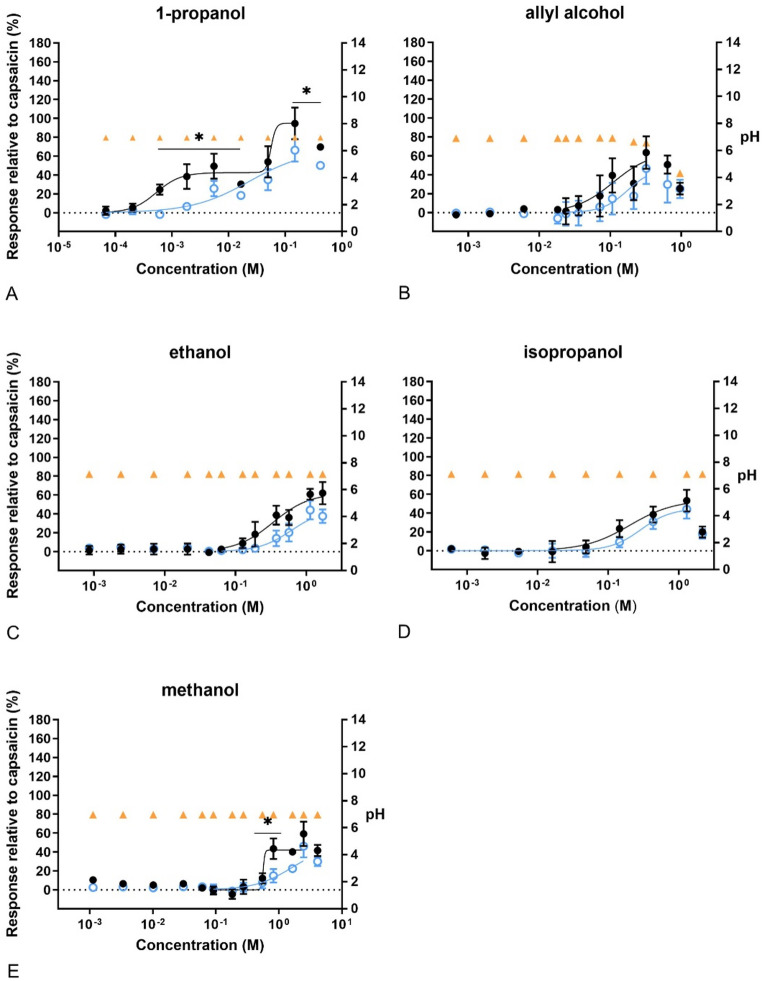 Figure 3
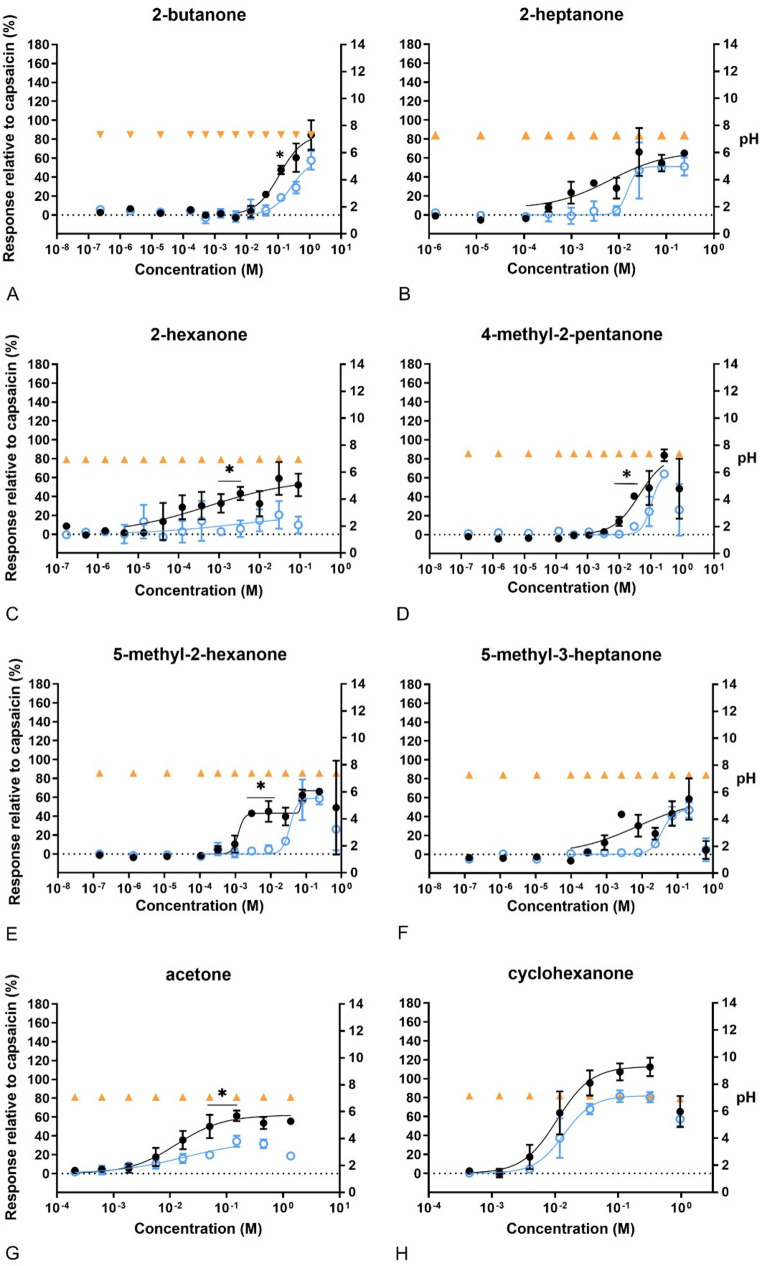 Figure 4
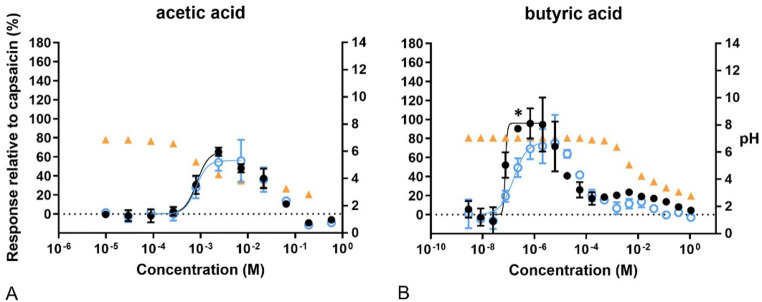 Figure 5
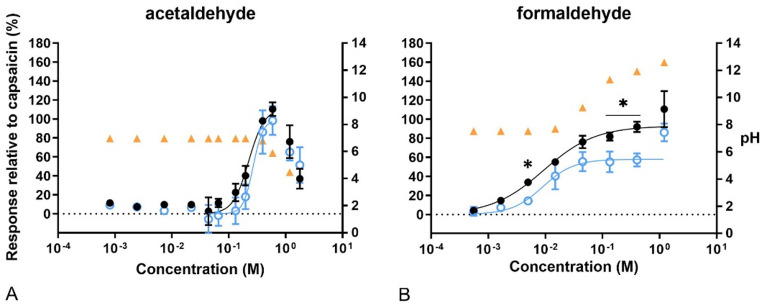 Figure 6
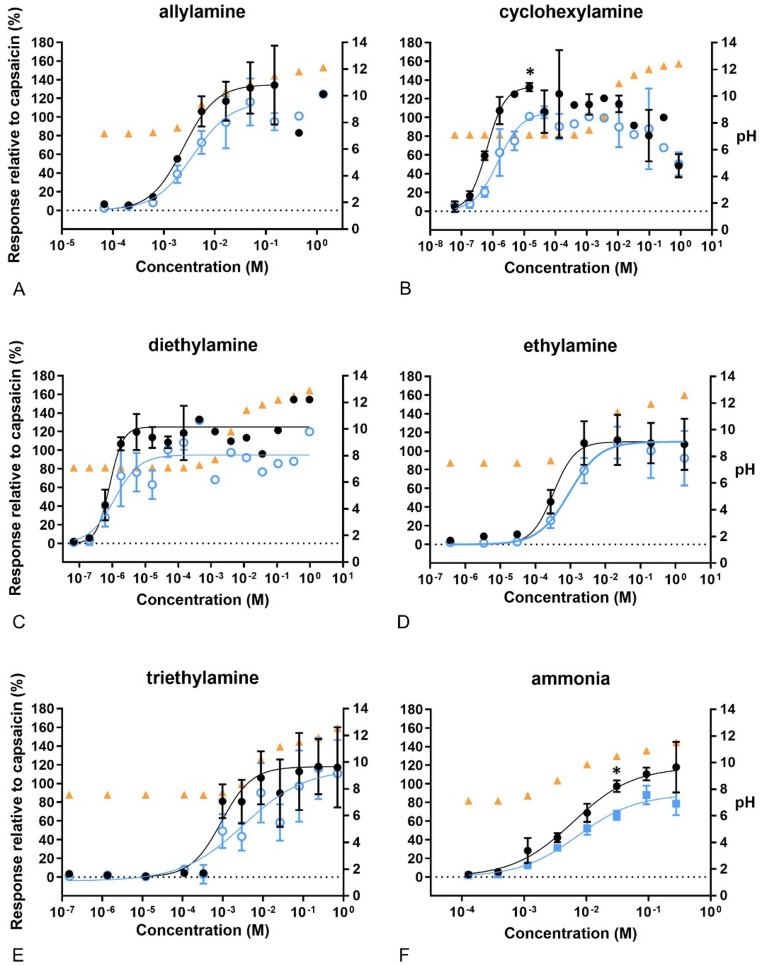 Figure 7
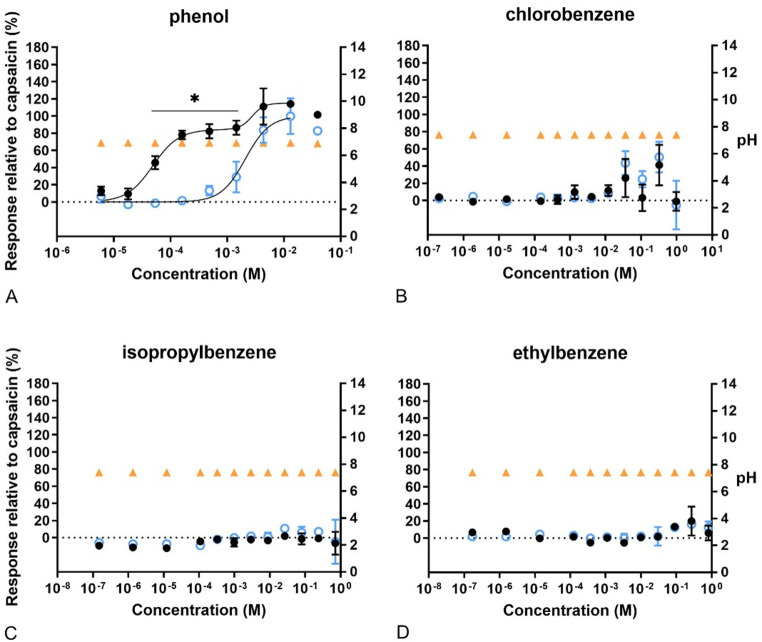 Figure 8
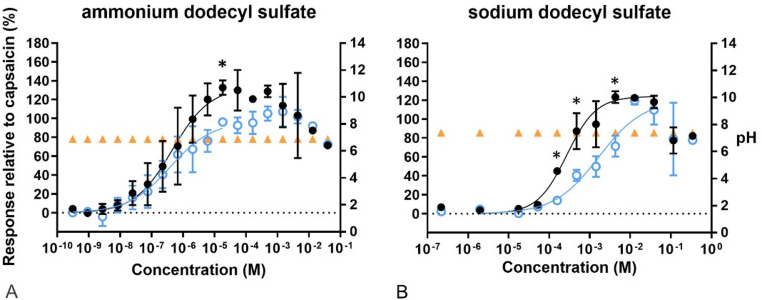 Figure 9
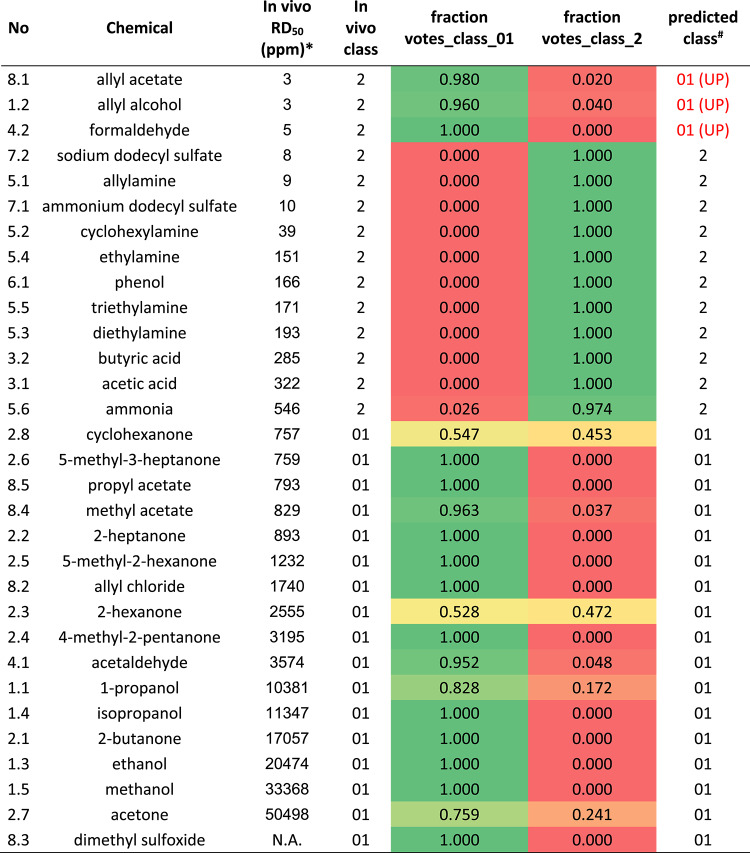 Figure 12
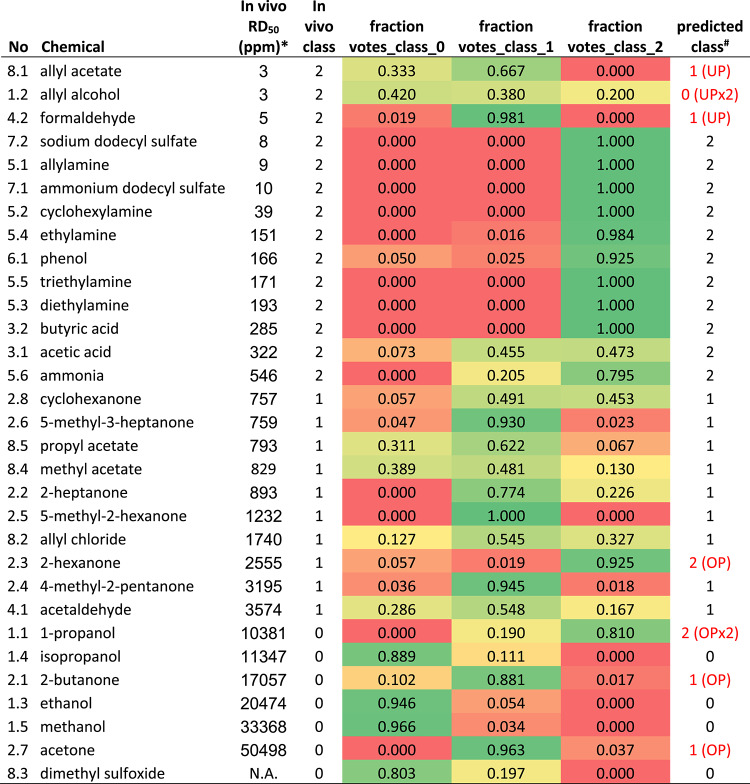 Figure 13
Peer Reviews
No public reviews on file for this paper yet. If you reviewed it on a platform where reviews are public (OpenReview, ICLR, NeurIPS, ICML), you can paste yours below so the community can read it here.
Videos
No videos yet. Explain this paper in a talk, walkthrough, or lecture? Add one.
Taxonomy
TopicsOlfactory and Sensory Function Studies · Animal testing and alternatives · Effects and risks of endocrine disrupting chemicals