Optimisation of electrospinning parameters to successfully obtain high ratios of medium chain length polyhydroxyalkanoate in electrospun fibres with drug loading for wound healing applications
Robyn A. Macartney, Annabelle T. R. Fricker, Gusti U. N. Tajalla, Andrew M. Smith, Shosei Kishida, Stefano Fedele, Ipsita Roy, Jonathan C. Knowles

TL;DR
This paper explores optimizing electrospinning to create wound dressings with drug-loaded fibers for better healing and reduced fungal infections.
Contribution
The study introduces optimized electrospinning parameters and drug loading for wound dressings using MCL and SCL PHAs.
Findings
An 80:20 MCL:SCL polymer blend at 10% concentration produced defect-free, elastic fibers suitable for wound dressings.
Incorporating CP and FLU into the fibers did not reduce oral mucosal cell viability.
Promising formulations with 2% CP and 10% FLU were identified for in vitro wound healing.
Abstract
Chronic wounds, burns and ulceration of dermal and mucosal tissues are extremely common and can arise for a wide variety of reasons causing extreme pain and reducing patient quality of life. Current treatment regimens involve the use of topical corticosteroids for prolonged treatment periods. Due to issues surrounding the use of topical ointments there is inadequate drug contact with the wound site and non-specific tissue interaction, potentially leading to significant development of fungal infections as a side effect to corticosteroid treatment. Medium chain length (MCL) and short chain length (SCL) polyhydroxyalkanoates (PHAs) may be applicable to optimise material properties for wound dressing applications. Initial work focussed on defining the optimal electrospinning parameters for suitably elastic fibres whilst subsequent work focussed on achieving an optimised dosing of clobetasol…
Genes, proteins, chemicals, diseases, species, mutations and cell lines named across the full text — each resolved to its canonical identifier and authoritative record.
Click any figure to enlarge with its caption.
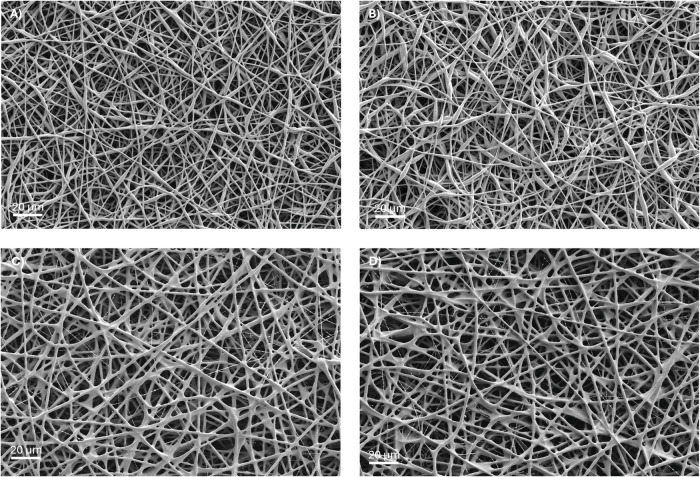 Figure 1
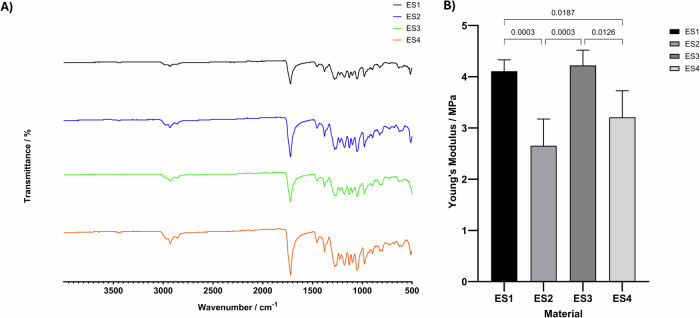 Figure 2
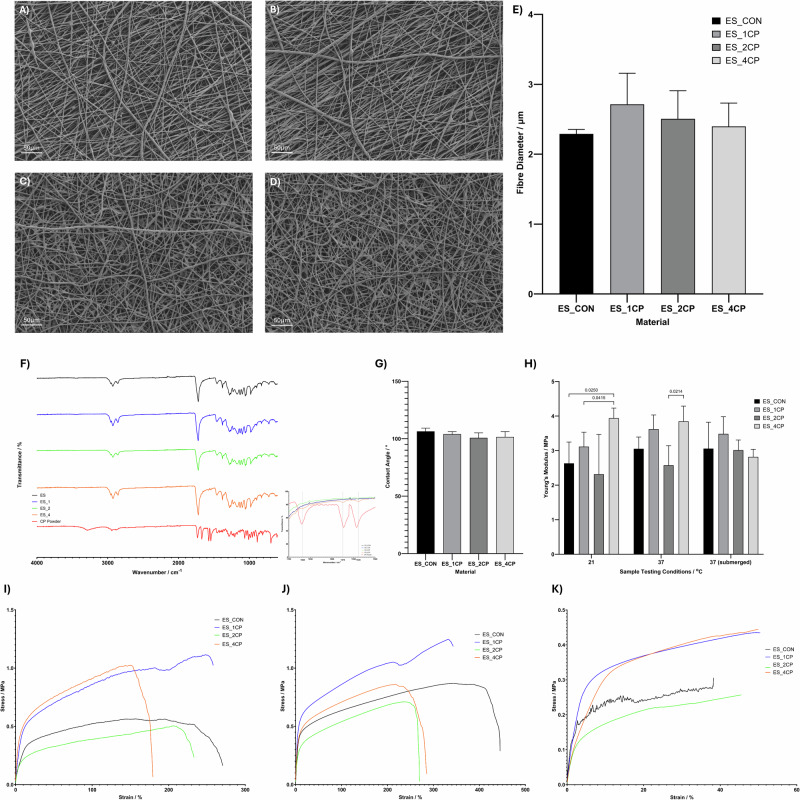 Figure 3
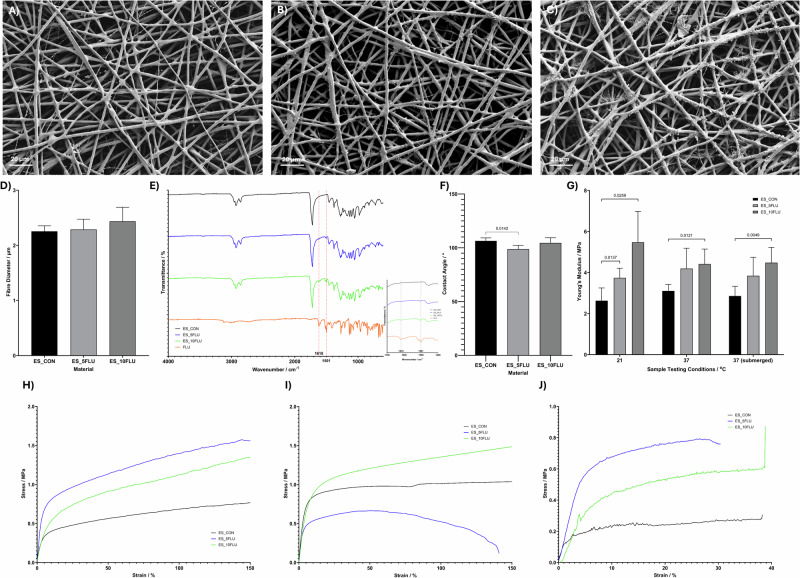 Figure 4
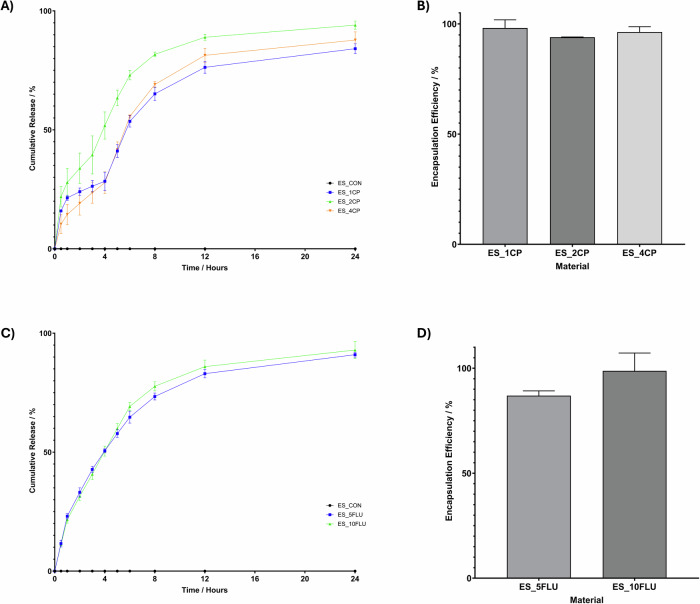 Figure 5
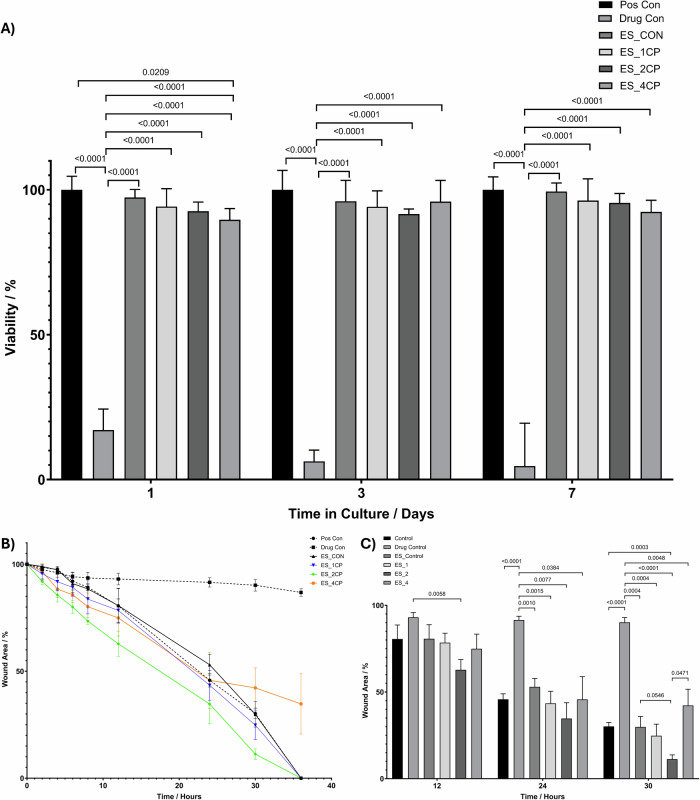 Figure 6
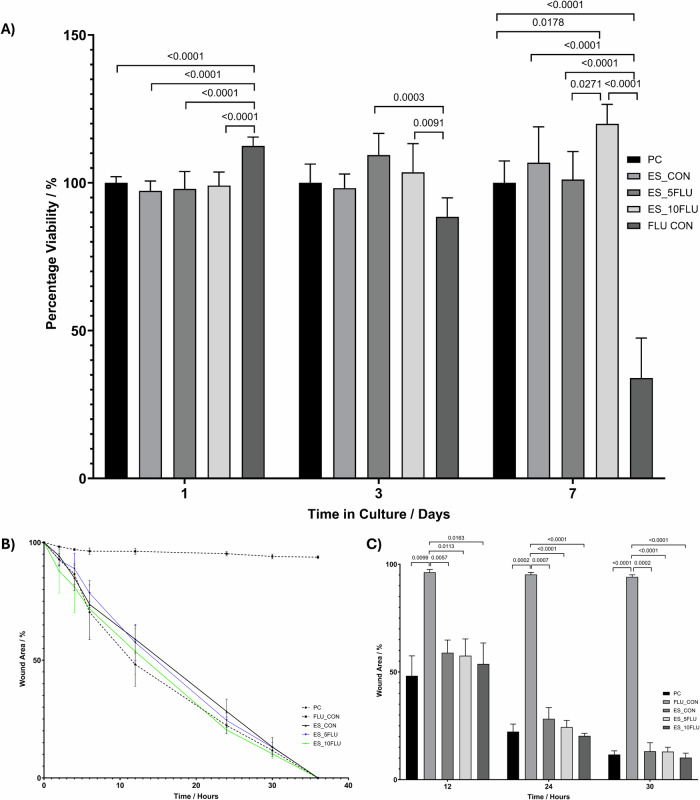 Figure 7
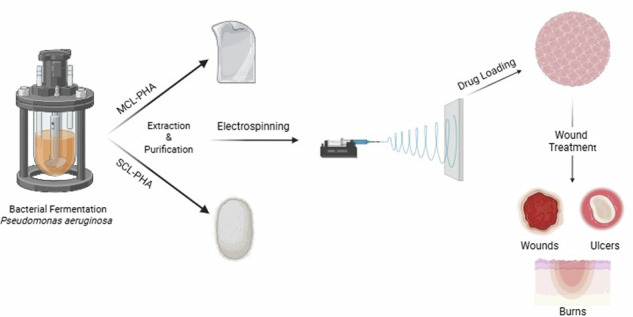 Figure 8
Peer Reviews
No public reviews on file for this paper yet. If you reviewed it on a platform where reviews are public (OpenReview, ICLR, NeurIPS, ICML), you can paste yours below so the community can read it here.
Videos
No videos yet. Explain this paper in a talk, walkthrough, or lecture? Add one.
Taxonomy
TopicsElectrospun Nanofibers in Biomedical Applications · Wound Healing and Treatments · Silk-based biomaterials and applications