A conserved monocyte activation program links brain injury to systemic immune adaptation and clinical outcomes
Abderrahmane Sadek, Melanie Petrier, Cynthia Fourgeux, Martin Braud, Victor Gourain, Marwan Bouras, Cecile Poulain, Mohieddine Moumni, Antoine Roquilly, Jeremie Poschmann

TL;DR
This study identifies a monocyte activation program after brain injury that affects immune responses and recovery, with potential as a biomarker for predicting outcomes.
Contribution
The study reveals a conserved monocyte activation program linked to clinical outcomes after TBI, with epigenetic and metabolic insights.
Findings
TBI patients show transient monocyte increases followed by a return to baseline by six months.
A monocyte-associated gene module (Yellow module) is conserved across critical illnesses and predicts survival.
PU.1 is identified as a key regulator of monocyte activation through epigenetic and transcriptional mechanisms.
Abstract
Systemic immune dysregulation after traumatic brain injury (TBI) contributes to secondary complications and influences long-term recovery, yet the cellular and molecular dynamics remain incompletely understood. To characterize longitudinal immune responses following TBI and identify conserved transcriptional programs linked to clinical outcomes and mechanistically regulated monocyte states with potential prognostic and therapeutic significance. We conducted longitudinal transcriptomic profiling of PBMCs from TBI patients (n =65 samples) at Day 1, Day 7, and Month 6 post-injury, alongside healthy controls (n =24). Cell type composition was assessed using computational deconvolution and validated by flow cytometry. Gene co-expression networks were constructed to identify temporally dynamic immune signatures. Monocyte-specific metabolic activity was inferred using genome-scale metabolic…
Genes, proteins, chemicals, diseases, species, mutations and cell lines named across the full text — each resolved to its canonical identifier and authoritative record.
Click any figure to enlarge with its caption.
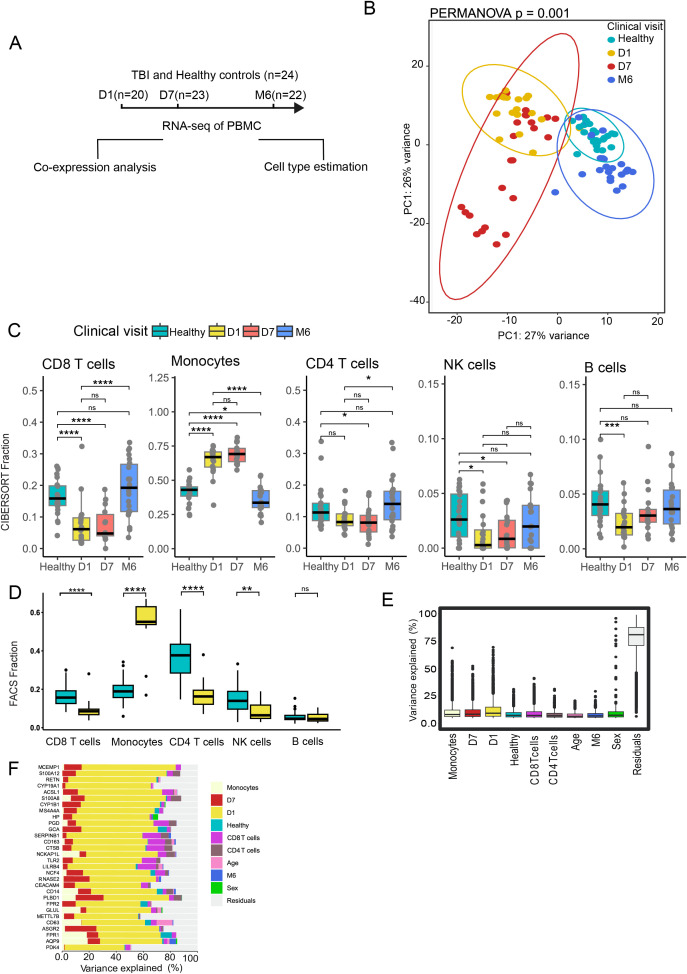 Figure 1
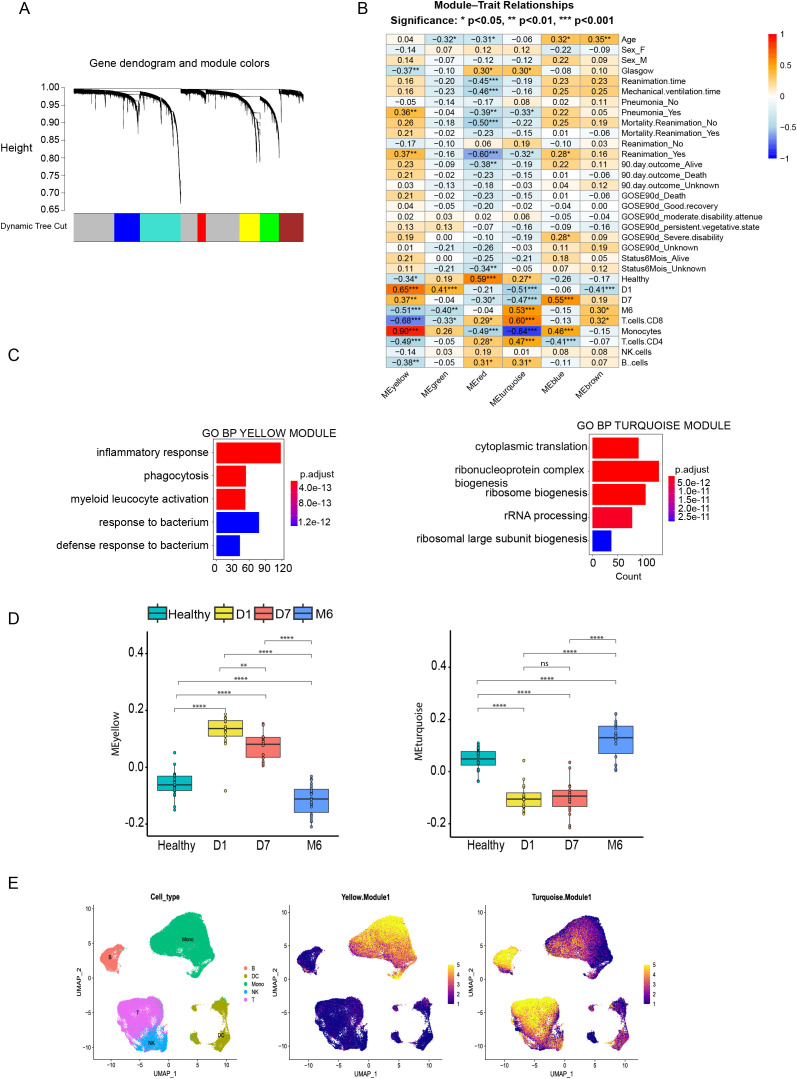 Figure 2
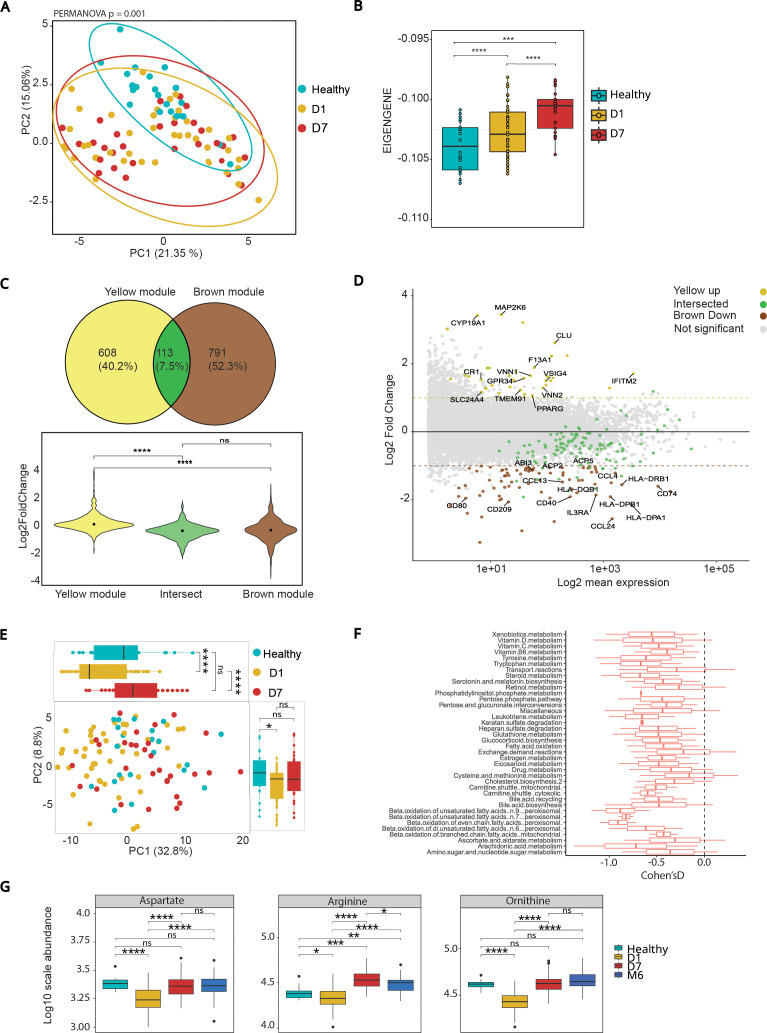 Figure 3
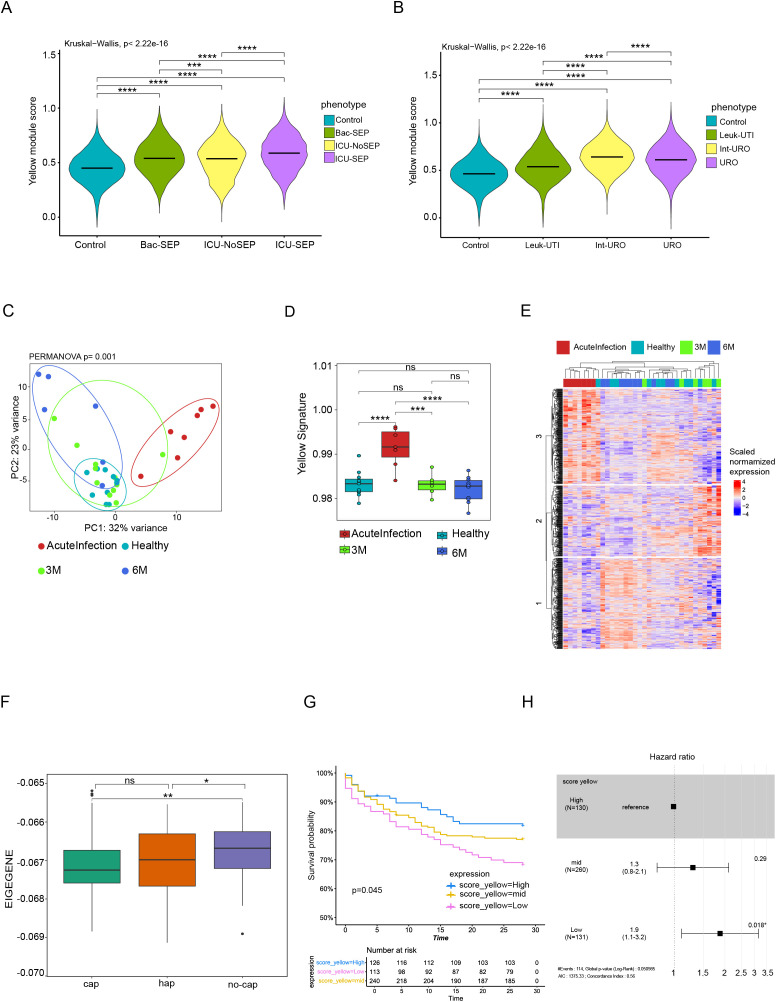 Figure 4
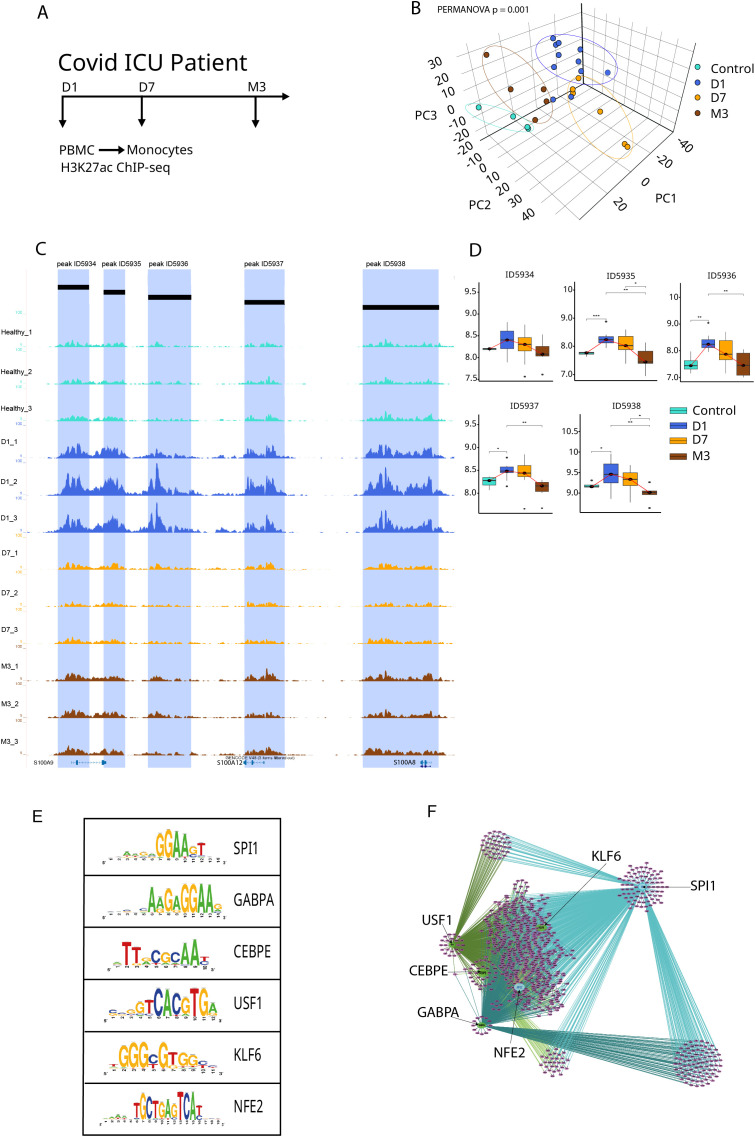 Figure 5
Peer Reviews
No public reviews on file for this paper yet. If you reviewed it on a platform where reviews are public (OpenReview, ICLR, NeurIPS, ICML), you can paste yours below so the community can read it here.
Videos
No videos yet. Explain this paper in a talk, walkthrough, or lecture? Add one.
Taxonomy
TopicsTraumatic Brain Injury and Neurovascular Disturbances · Neuroinflammation and Neurodegeneration Mechanisms · S100 Proteins and Annexins