Assessment of quality and reliability of Chinese-language myocardial infarction content on Bilibili and TikTok: a cross-sectional study
Qingruo Mao, Li Zhong, Songzi Wang

TL;DR
This study evaluates the quality and reliability of Chinese-language myocardial infarction content on Bilibili and TikTok, finding moderate quality but significant gaps in emergency information and a disconnect between popularity and educational value.
Contribution
The study introduces a systematic cross-platform evaluation of MI content quality on Chinese short-video platforms, revealing platform-specific and creator-specific trends in reliability and engagement.
Findings
Bilibili videos had higher reliability scores but lower engagement compared to TikTok videos.
Clinicians and TCM practitioners produced higher formal credibility content than patients.
Emergency measures and medication safety information were critically underrepresented in the videos.
Abstract
Myocardial infarction (MI) is a leading cause of cardiovascular mortality worldwide and requires timely treatment and accurate public awareness of risk factors, warning signs, and first aid. In China, short-video platforms such as TikTok (Douyin, Chinese mainland version) and Bilibili have become major health information sources, yet the quality and reliability of MI-related content remain inadequately evaluated. This cross-sectional study systematically assessed and compared the quality, reliability, and educational value of MI-related videos on TikTok and Bilibili. Using the keyword “心肌梗死” (myocardial infarction), we retrieved the top 100 videos from TikTok and Bilibili on September 1, 2025. After exclusions, 137 videos were included. Uploaders were classified as clinicians, patients, or traditional Chinese medicine practitioners. Quality was evaluated using GQS, mDISCERN, JAMA…
Genes, proteins, chemicals, diseases, species, mutations and cell lines named across the full text — each resolved to its canonical identifier and authoritative record.
Click any figure to enlarge with its caption.
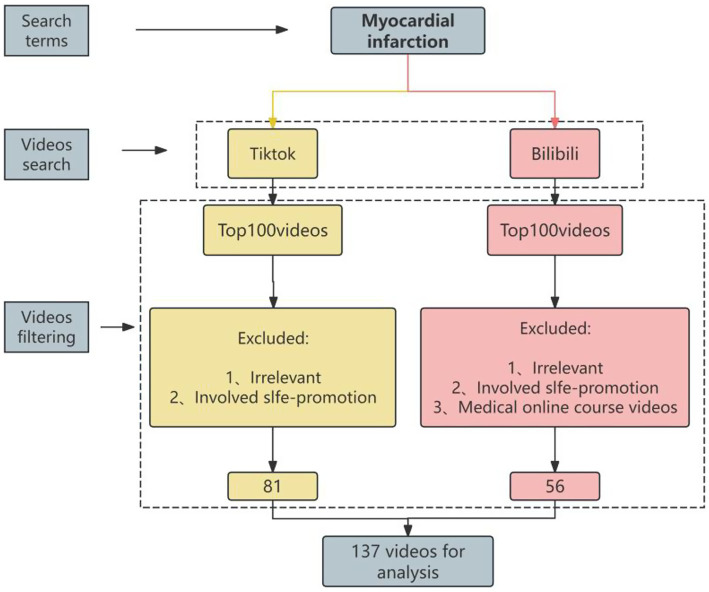 Figure 1
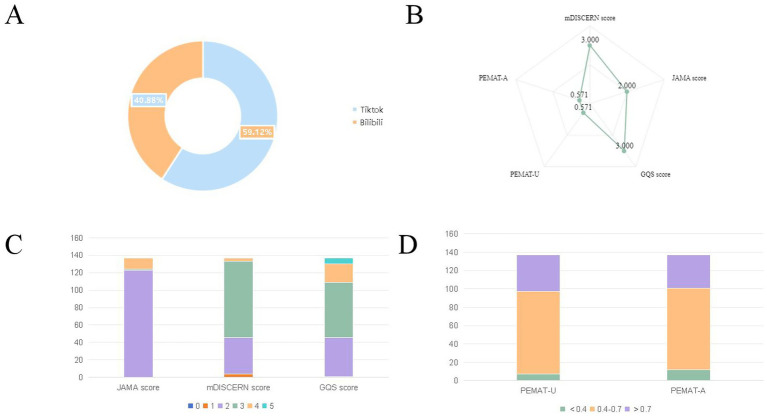 Figure 2
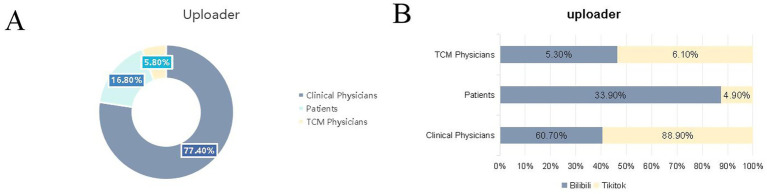 Figure 3
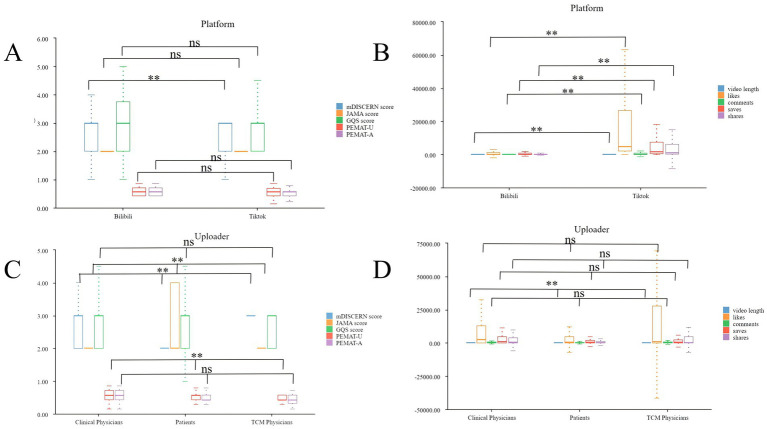 Figure 4
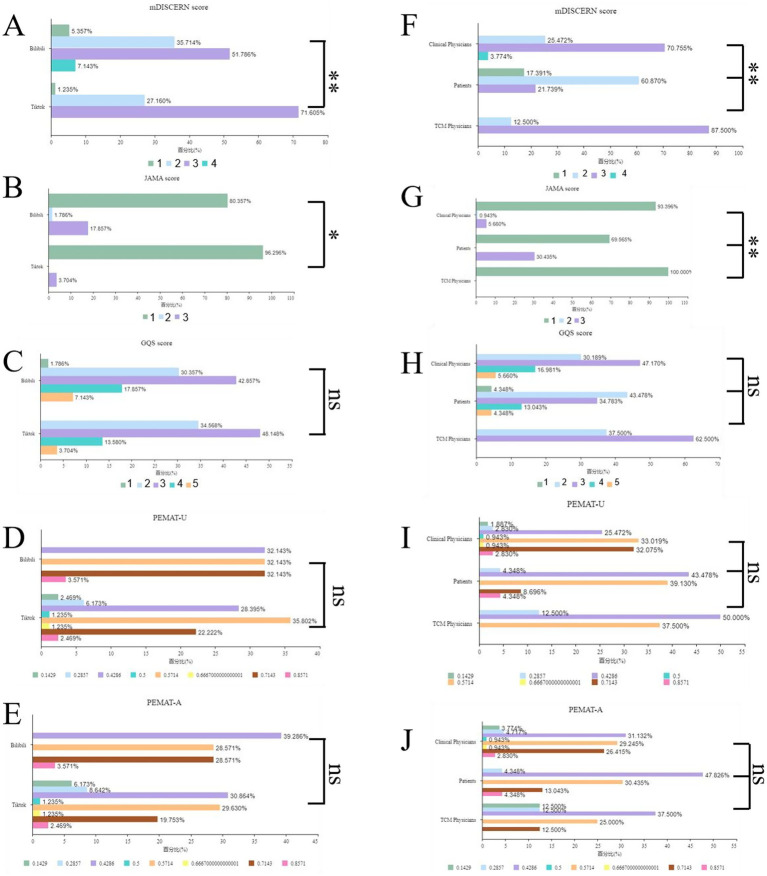 Figure 5
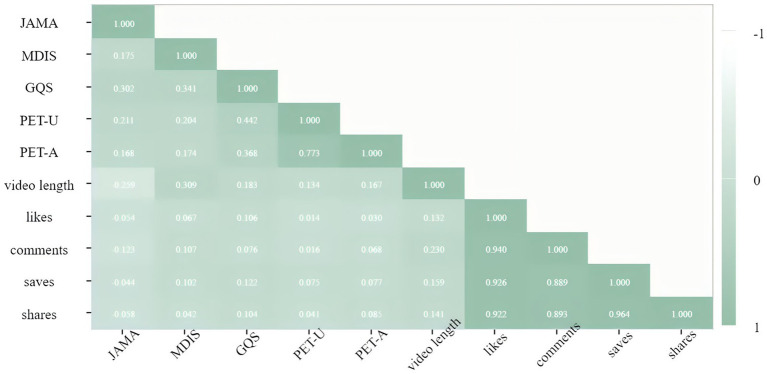 Figure 6
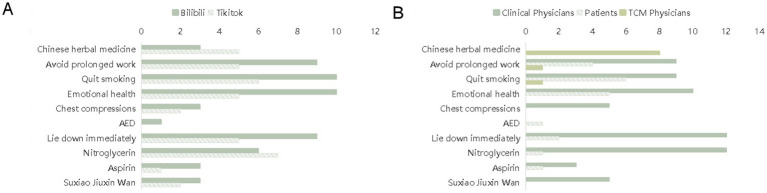 Figure 7
Peer Reviews
No public reviews on file for this paper yet. If you reviewed it on a platform where reviews are public (OpenReview, ICLR, NeurIPS, ICML), you can paste yours below so the community can read it here.
Videos
No videos yet. Explain this paper in a talk, walkthrough, or lecture? Add one.
Taxonomy
TopicsHealth Literacy and Information Accessibility · Social Media in Health Education · Mobile Health and mHealth Applications