Informing robot design through early public engagement: lay perceptions of soft versus rigid socially assistive and rescue robots
J. Fenn, L. Estadieu, M. Gorki, I. Monno, F. Tauber, J. Teichmann, S. Levy-Tzedek, T. Speck, O. Müller, A. Kiesel

TL;DR
This study explores how the public perceives soft versus rigid robots in assistive and rescue roles, showing that soft robots are seen as safer and more emotionally comforting but also more fragile.
Contribution
The study introduces a scalable method for early public engagement using Cognitive-Affective Maps to inform human-centered robot design.
Findings
Post-intervention evaluations of soft robots were more positive than pre-intervention evaluations of rigid robots.
Soft robots were associated with safety and emotional comfort, while rigid robots were linked to precision and efficiency.
Public concerns about soft robots included fragility and emotional dependence, while rigid robots raised issues like data security and emotional detachment.
Abstract
As soft robots become more prevalent in society, it becomes increasingly important to understand how laypersons evaluate their risks and benefits relative to conventional rigid robots. This article investigates public perceptions of soft versus rigid embodiments of socially assistive robots (SAR) and rescue robots (RR) and explores how these perceptions can inform early-stage robot design. We conducted an online study, using a scenario-based intervention design combined with Cognitive-Affective Maps (CAMs) to capture participants’ cognitive–emotional belief structures. In a first step, participants constructed CAMs depicting perceived risks and benefits of rigid SAR or RR. After reading a second scenario introducing the corresponding soft robot, they revised their maps, allowing a direct contrastive comparison between the first (rigid) and second (soft) scenario. Quantitative analyses…
Genes, proteins, chemicals, diseases, species, mutations and cell lines named across the full text — each resolved to its canonical identifier and authoritative record.
Click any figure to enlarge with its caption.
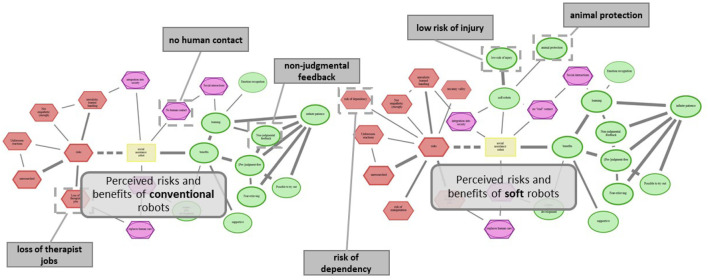 Figure 1
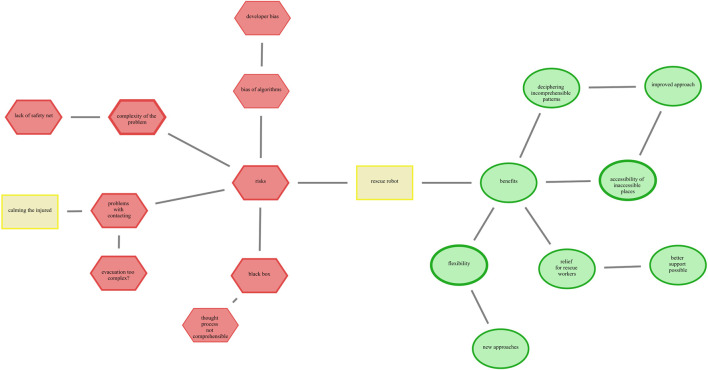 Figure 2
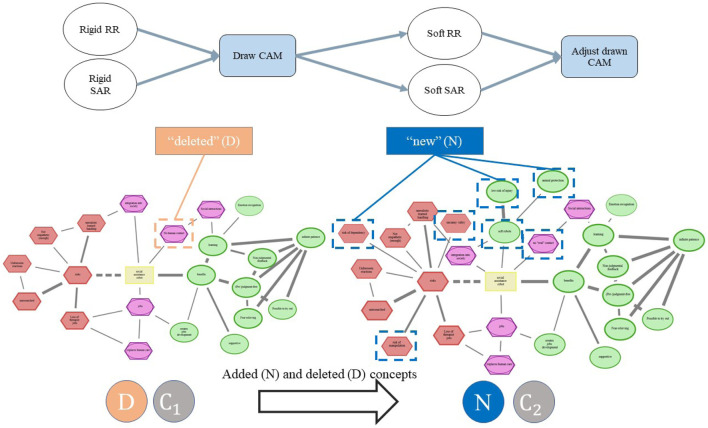 Figure 3
 Figure 4
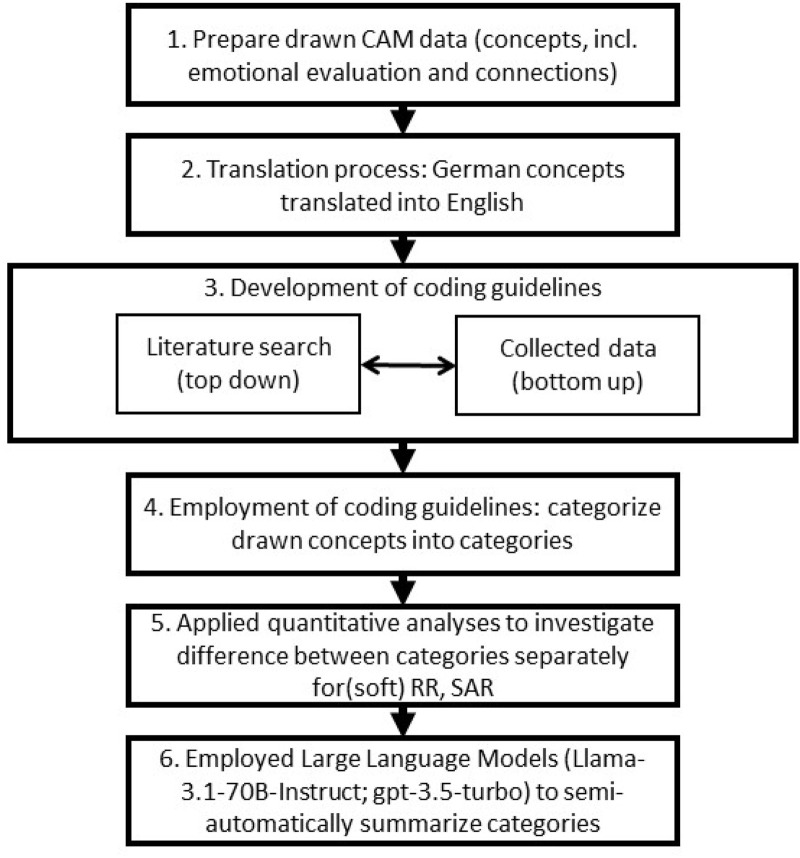 Figure 5
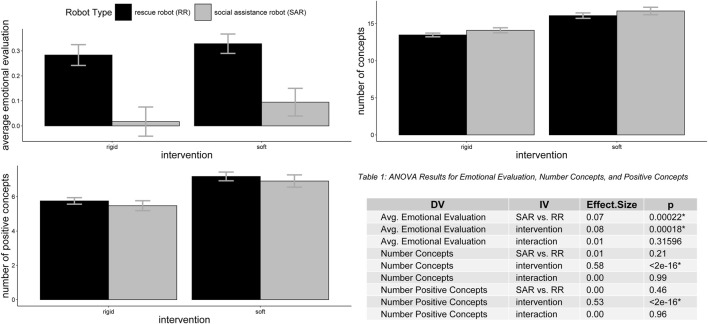 Figure 6
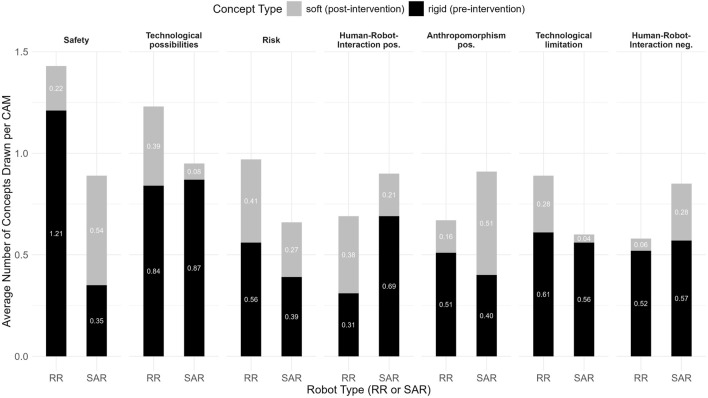 Figure 7
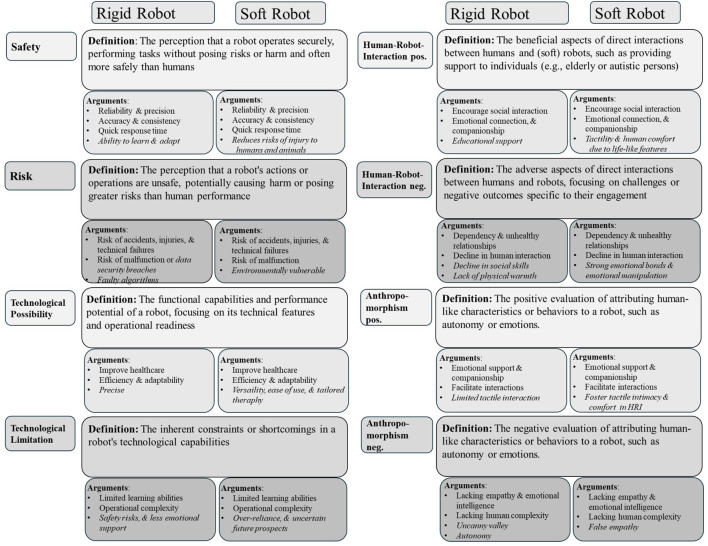 Figure 8
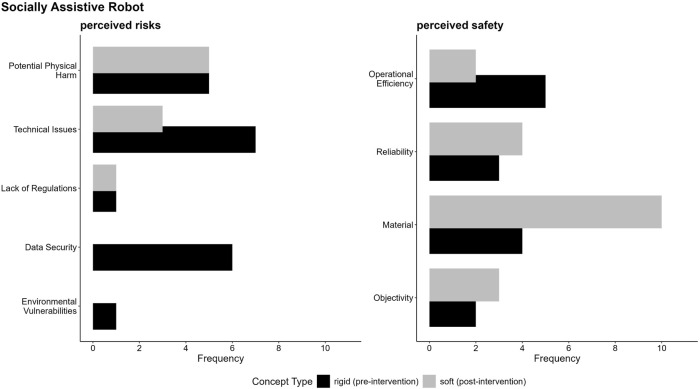 Figure 9
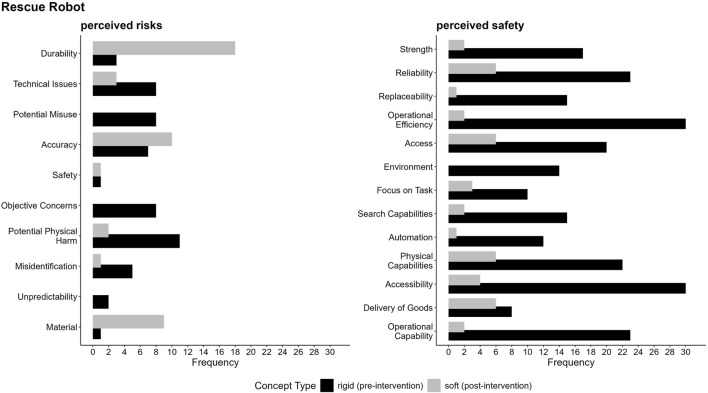 Figure 10
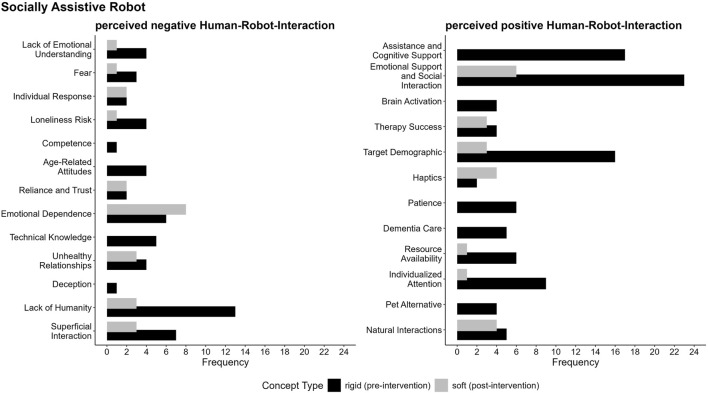 Figure 11
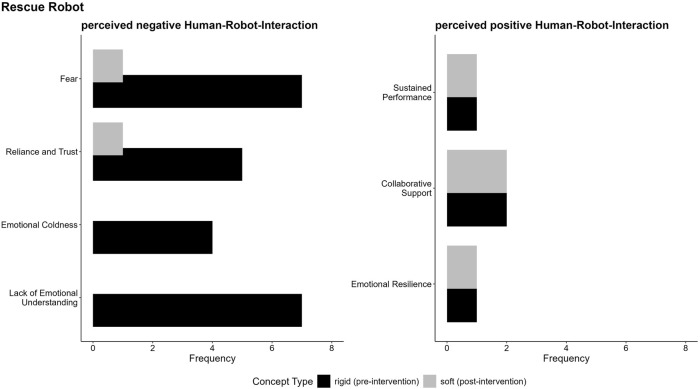 Figure 12
Peer Reviews
No public reviews on file for this paper yet. If you reviewed it on a platform where reviews are public (OpenReview, ICLR, NeurIPS, ICML), you can paste yours below so the community can read it here.
Videos
No videos yet. Explain this paper in a talk, walkthrough, or lecture? Add one.
Taxonomy
TopicsSocial Robot Interaction and HRI · Human-Automation Interaction and Safety · AI in Service Interactions