Exploring the biological functions of PCOS: identifying hub androgen-related genes through bioinformatics
Xinling He, Lan Su, Ji Yin, Yuanyuan Lai, Han Yang, Zheng Yu, Xiaoyan Zheng, Jia Liu, Jie Yang

TL;DR
This study identifies key androgen-related genes in PCOS using bioinformatics methods and validates them experimentally, offering new insights for diagnosis and treatment.
Contribution
The study integrates multiple algorithms to identify four hub androgen-related genes in PCOS and validates them in mouse models.
Findings
Four hub androgen-related genes (ALDH1A1, DHRS9, PRKCB, SGPL1) were identified through integration of LASSO, RF, and PPI methods.
RT-qPCR validation confirmed altered expression of these genes in PCOS mouse ovarian tissues.
ARG molecular subtypes were classified, showing distinct immune infiltration and gene expression patterns.
Abstract
Polycystic ovary syndrome (PCOS) is a prevalent reproductive endocrine disorder in women. While the role of androgens in PCOS is well-recognized, the underlying mechanisms warrant further investigation. In this study, we identified potential hub androgen-related genes (ARGs) in PCOS and established diagnostic and classification models to find novel biomarkers for PCOS therapy. Five datasets (GSE34526, GSE80432, GSE95728, GSE124226, and GSE137684) were retrieved from GEO, followed by data normalization and batch effect removal. To identify hub genes, a PPI network was constructed based on differentially expressed ARGs. Subsequently, we employed the least absolute shrinkage and selection operator (LASSO) regression analysis and random forest (RF) algorithm to screen hub ARGs. Besides, hub ARGs associated with PCOS were determined by integrating the results of the three algorithms.…
Genes, proteins, chemicals, diseases, species, mutations and cell lines named across the full text — each resolved to its canonical identifier and authoritative record.
Click any figure to enlarge with its caption.
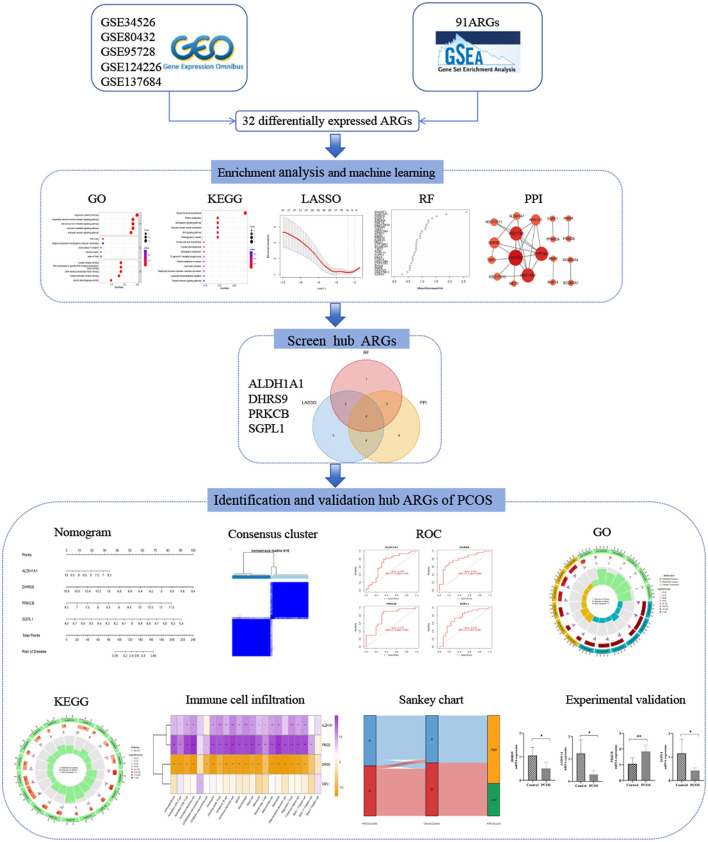 Figure 1
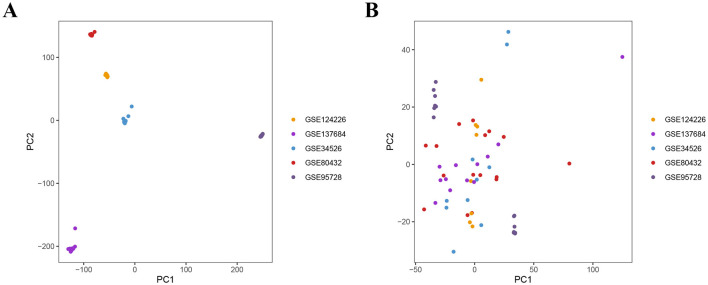 Figure 2
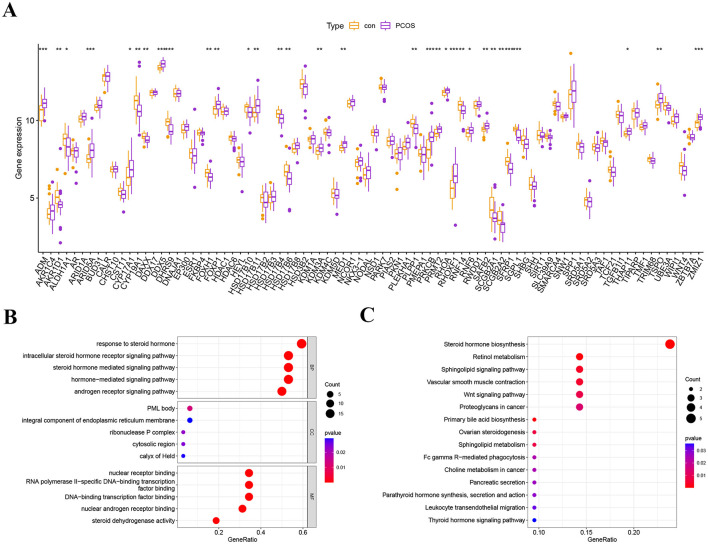 Figure 3
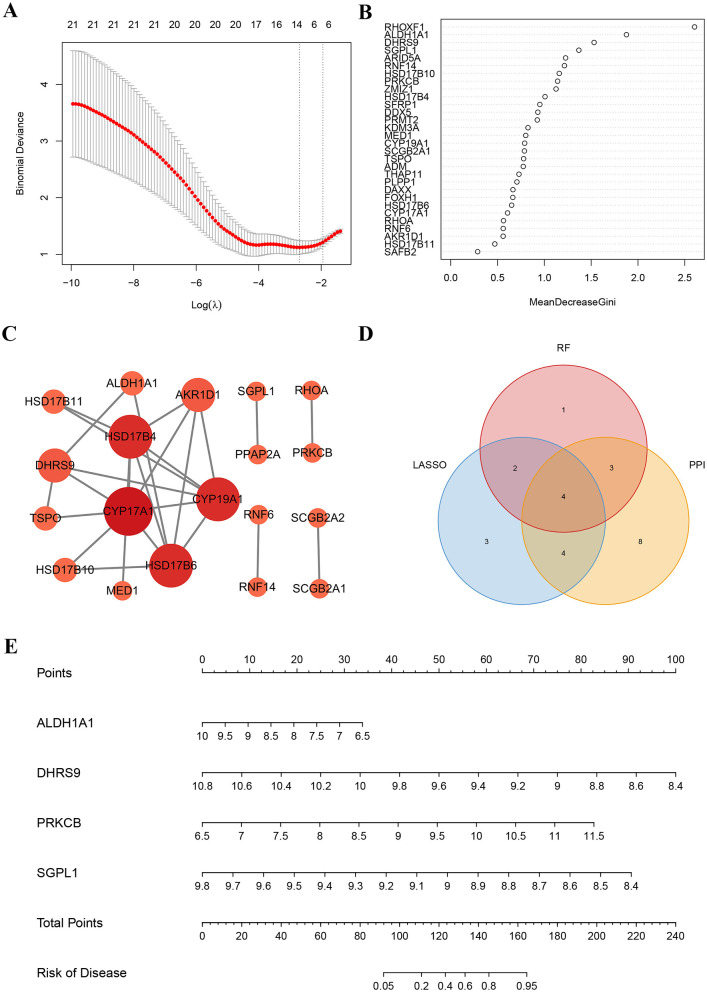 Figure 4
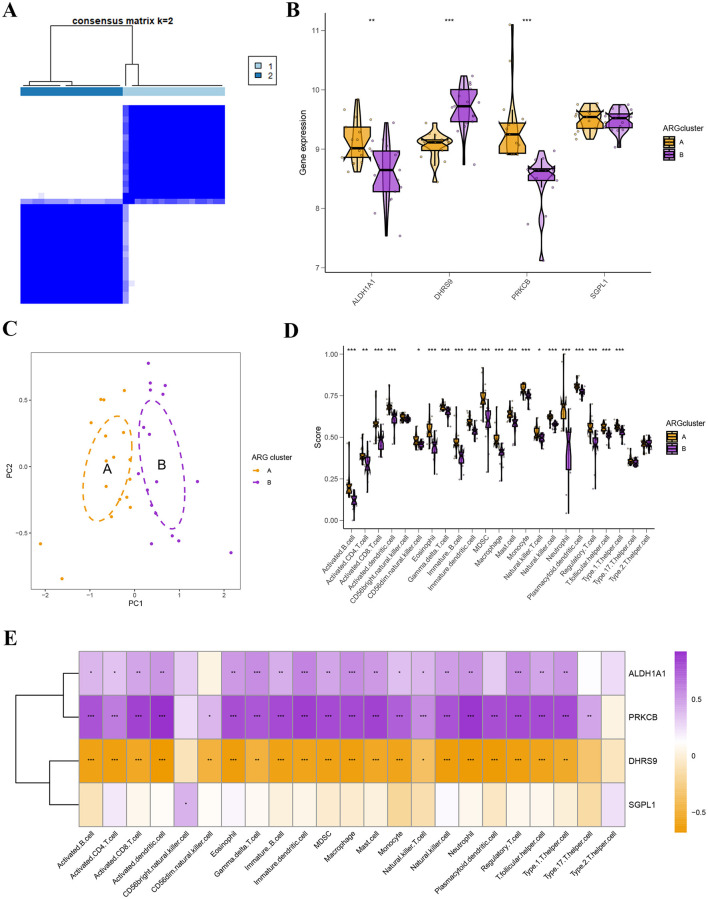 Figure 5
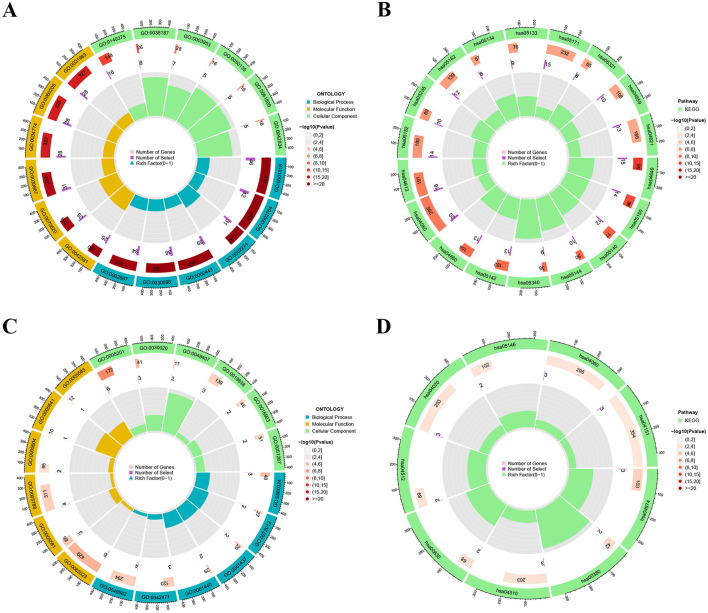 Figure 6
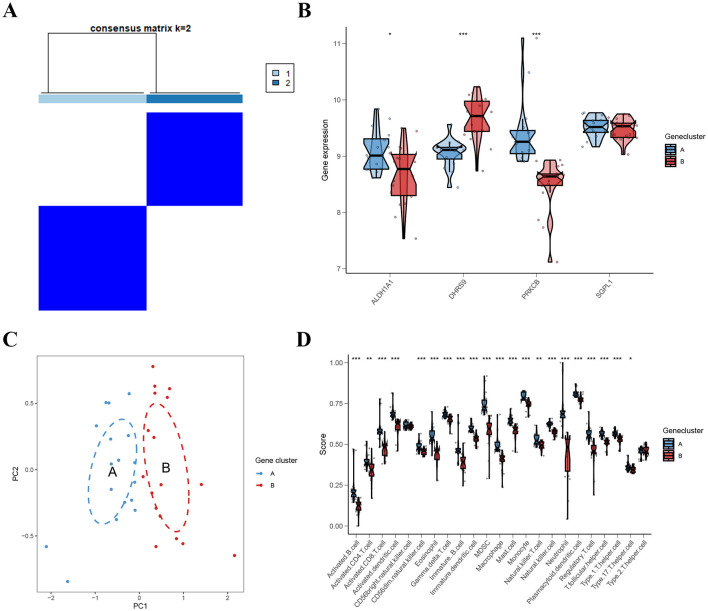 Figure 7
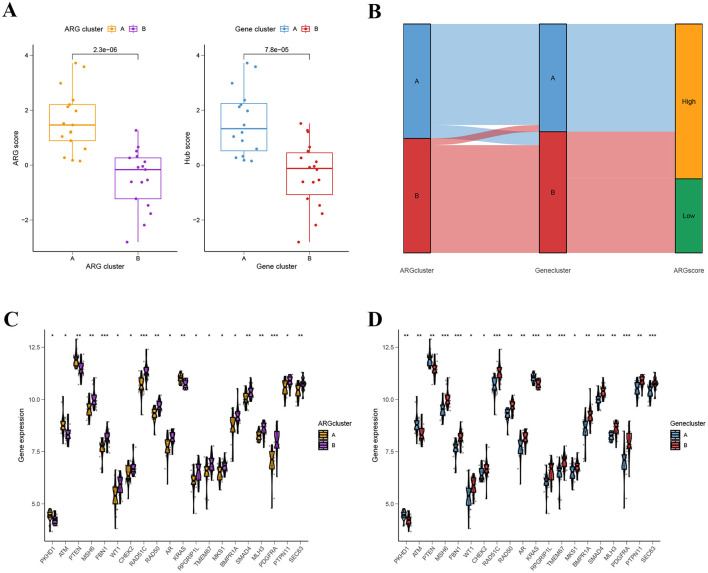 Figure 8
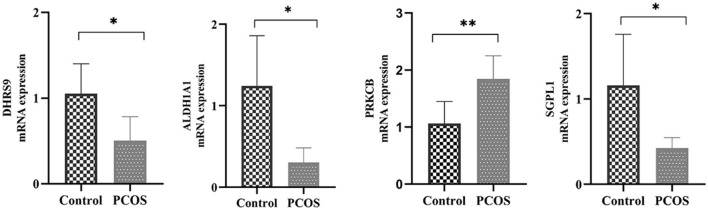 Figure 9
Peer Reviews
No public reviews on file for this paper yet. If you reviewed it on a platform where reviews are public (OpenReview, ICLR, NeurIPS, ICML), you can paste yours below so the community can read it here.
Videos
No videos yet. Explain this paper in a talk, walkthrough, or lecture? Add one.
Taxonomy
TopicsOvarian function and disorders · Genetic and Clinical Aspects of Sex Determination and Chromosomal Abnormalities · Ovarian cancer diagnosis and treatment