B-type natriuretic peptide attenuates TLR-induced cytokine and chemokine secretion in monocyte-derived Langerhans cells
Dorottya Horváth, Zsófia Pénzes, Petra Molnár, Szabolcs Muzsai, Magdolna Szántó, Andrea Szegedi, Anikó Kapitány, Attila Bácsi, Attila Gábor Szöllősi

TL;DR
B-type natriuretic peptide reduces inflammation in skin immune cells, potentially offering a new way to manage inflammatory skin conditions.
Contribution
The study reveals a novel immunomodulatory role of BNP in regulating Langerhans cell function and inflammation.
Findings
BNP treatment reduces cytokine and chemokine production in TLR-activated Langerhans cells.
BNP-treated Langerhans cells show enhanced migration toward lymph node chemokines.
BNP limits T cell proliferation and NK cell migration induced by TLR-activated Langerhans cells.
Abstract
B-type natriuretic peptide (BNP) is a well-known cardiac hormone and biomarker of heart failure, but emerging evidence suggests that it also possesses immunomodulatory properties, including a role in inflammatory skin conditions like atopic dermatitis (AD). Langerhans cells (LCs), specialized epidermal antigen-presenting cells, orchestrate cutaneous immunity and are targets of neuropeptides. In the present study, we investigated how BNP treatment during differentiation affects the activation, cytokine profile, and interaction of immune cells with moLCs subsequently activated via Toll-like receptors (TLRs). MoLCs were differentiated in the presence or absence of BNP, followed by 24-hour activation with the TLR7/8 agonist CL075 and/or the TLR3 agonist polyinosinic:polycytidylic acid (poly(I:C)). Cell surface markers of moLCs were assessed using flow cytometry. ELISA was used to analyze…
Genes, proteins, chemicals, diseases, species, mutations and cell lines named across the full text — each resolved to its canonical identifier and authoritative record.
Click any figure to enlarge with its caption.
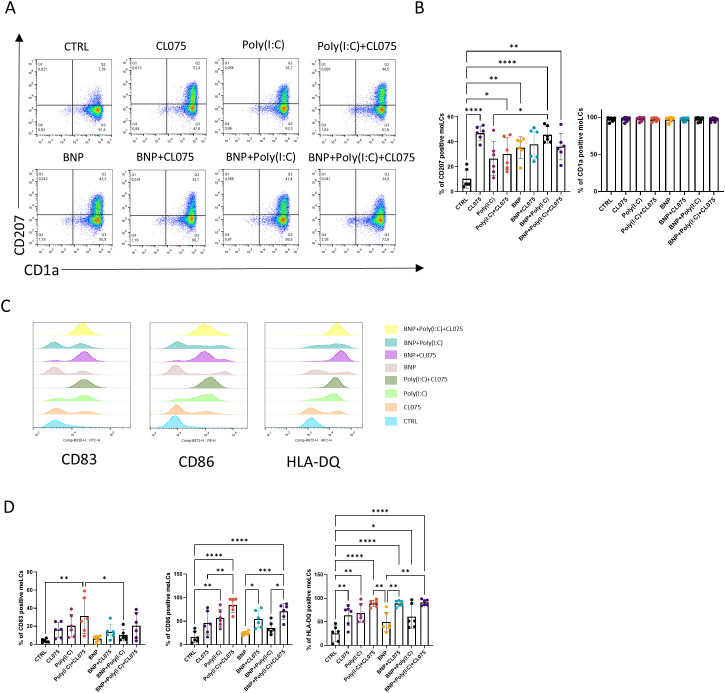 Figure 1
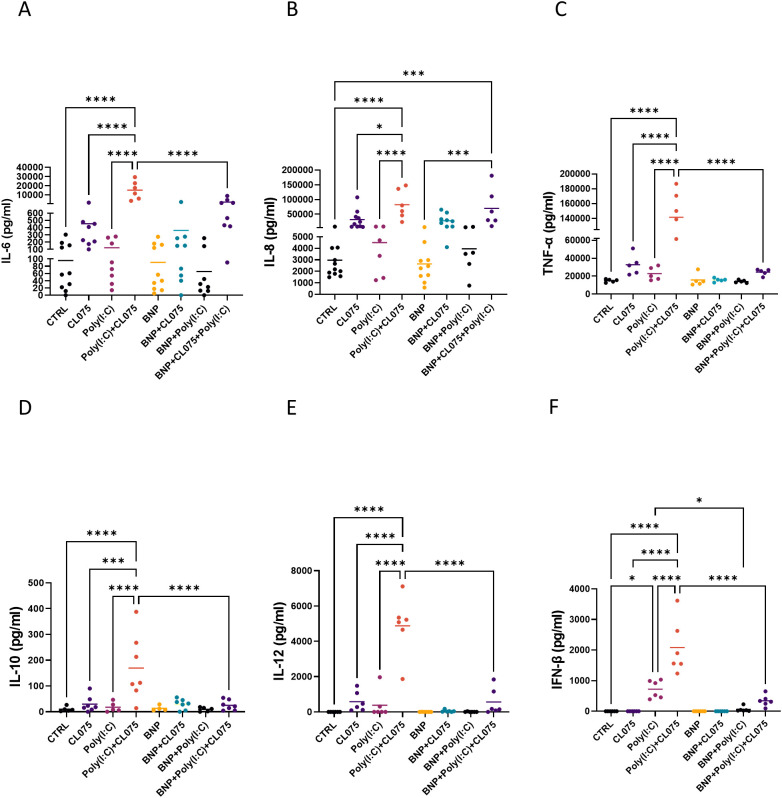 Figure 2
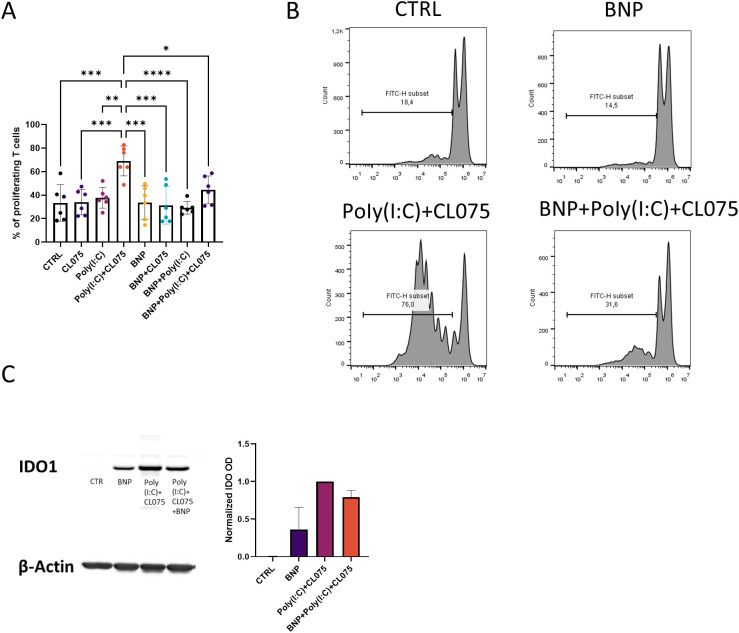 Figure 3
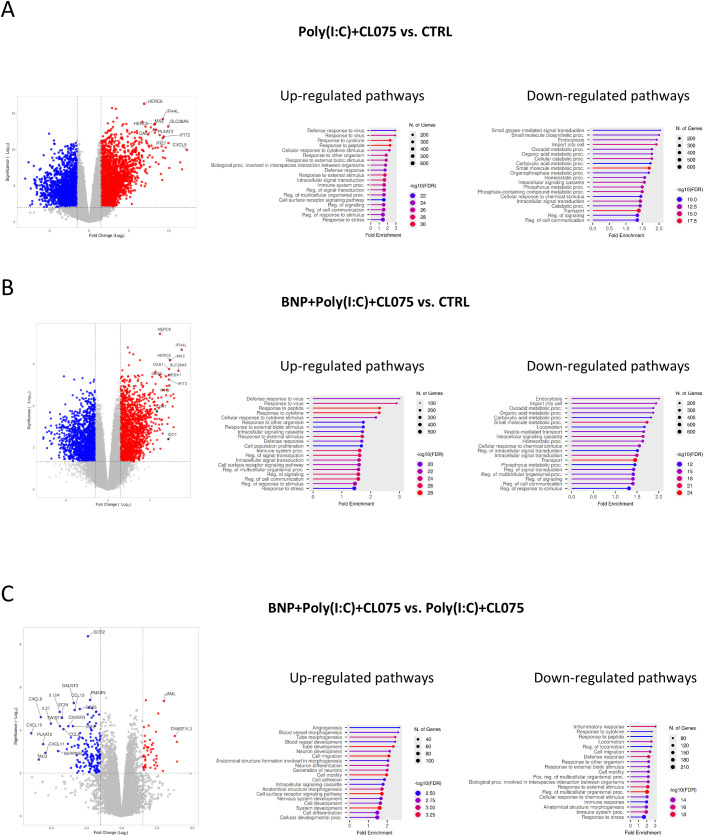 Figure 4
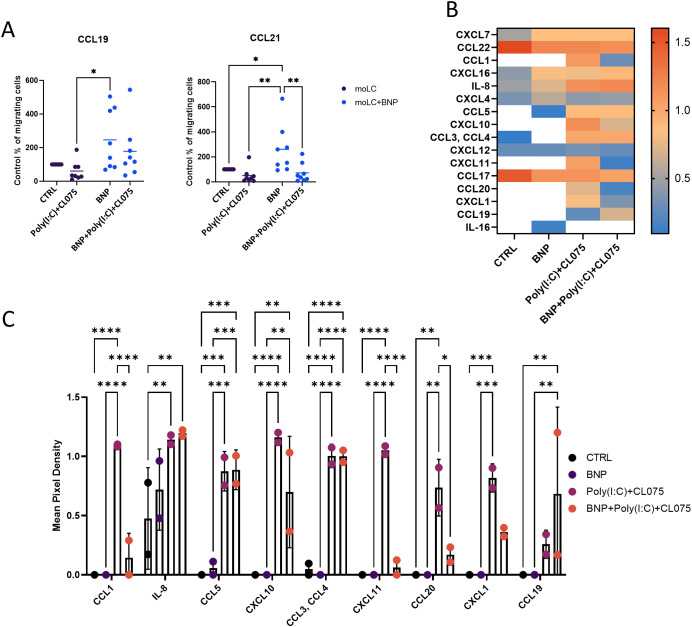 Figure 5
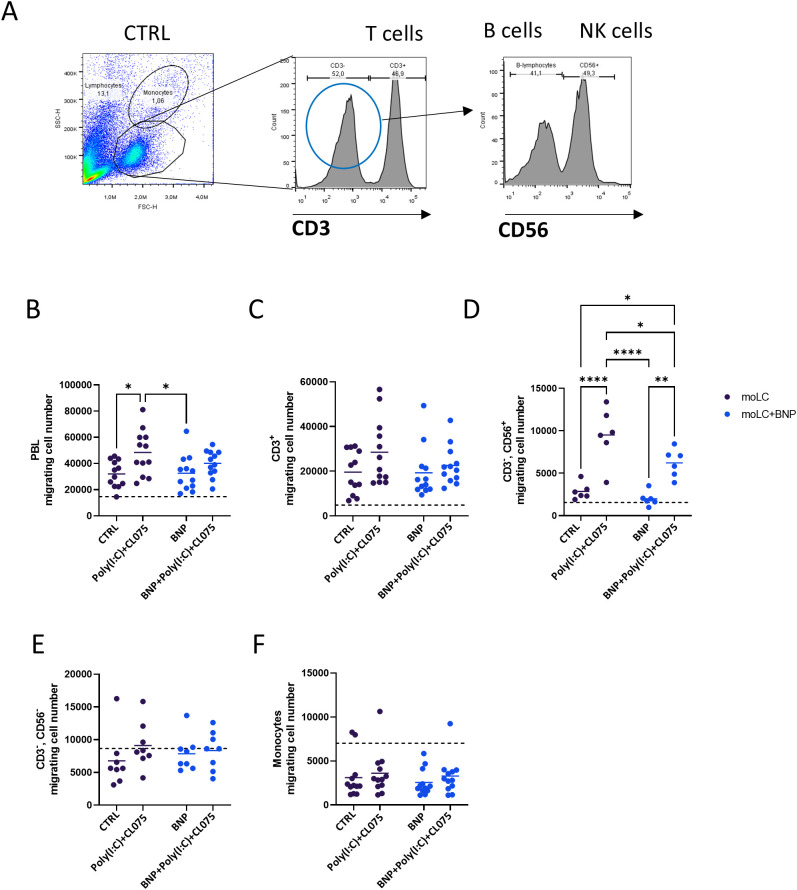 Figure 6
Peer Reviews
No public reviews on file for this paper yet. If you reviewed it on a platform where reviews are public (OpenReview, ICLR, NeurIPS, ICML), you can paste yours below so the community can read it here.
Videos
No videos yet. Explain this paper in a talk, walkthrough, or lecture? Add one.
Taxonomy
TopicsIL-33, ST2, and ILC Pathways · Food Allergy and Anaphylaxis Research · Immunotherapy and Immune Responses