Effects of different training on lower limb explosive power in youth soccer players: a systematic review and network meta-analysis
HuaiBin Tan, ZhiGao Yan, Cong Shao, YiFei Lin

TL;DR
This study compares different training methods to improve explosive leg power in young soccer players, finding that combined training is most effective for jumping and sprinting.
Contribution
The study introduces a network meta-analysis comparing five training modes for enhancing lower-limb explosive power in youth soccer players.
Findings
Combined training (CT) was most effective for improving squat and countermovement jump heights.
Optimal power load (OPL) training was most effective for reducing sprint times in 10 m and 30 m sprints.
Younger athletes showed greater improvements in explosive power compared to older adolescents.
Abstract
Football demands high lower-limb explosive power for sprinting and jumping. Traditional youth training often emphasizes aerobic endurance and heavy resistance training, which may not optimally develop such power. To compare the effects of five different training modes, including optimal power load (OPL), resistance training (RT), high-intensity interval training (HIIT), jump training (JT) and combined training (CT), on the lower limb explosive strength of 12–19 years old adolescent soccer players. A systematic review and network meta-analysis of randomized controlled trials was conducted, with 29 studies identified from databases such as PubMed, Web of Science, Embase, EBSCO, Cochrane Library, CNKI, WanFang, and VIP. Data were analyzed using Stata 17.0, with effect sizes calculated for 10 m and 30 m sprint times, squat jump (SJ), and countermovement jump (CMJ). All five training…
Genes, proteins, chemicals, diseases, species, mutations and cell lines named across the full text — each resolved to its canonical identifier and authoritative record.
Click any figure to enlarge with its caption.
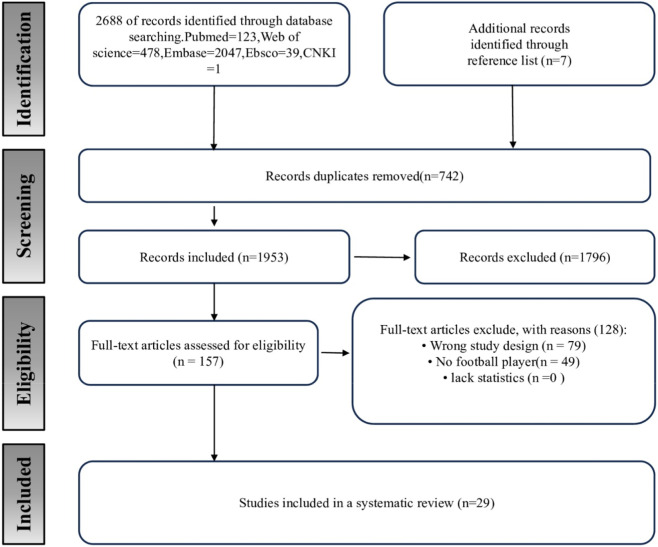 Figure 1
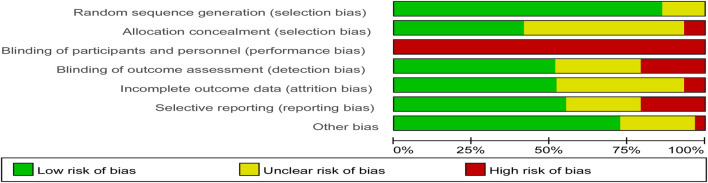 Figure 2
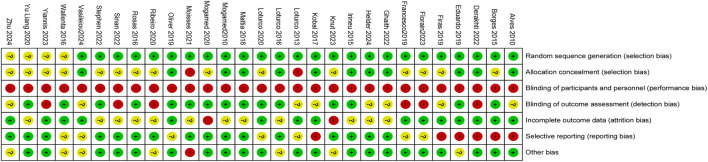 Figure 3
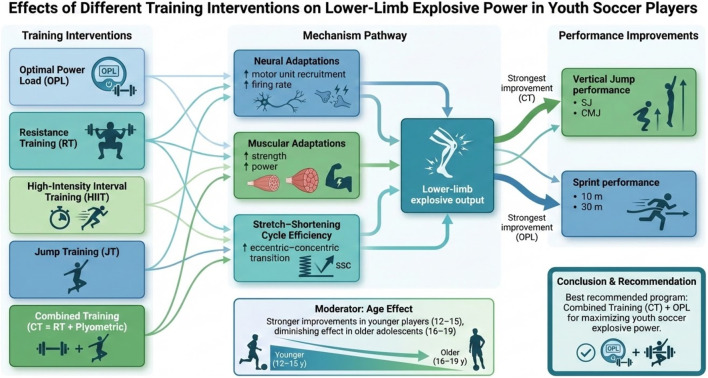 Figure 4
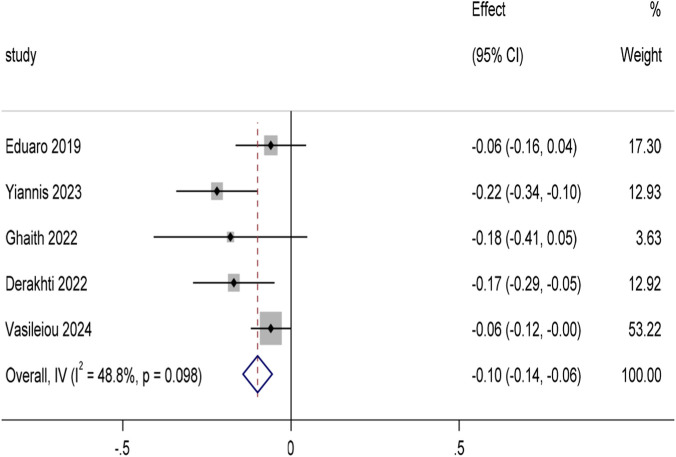 Figure 5
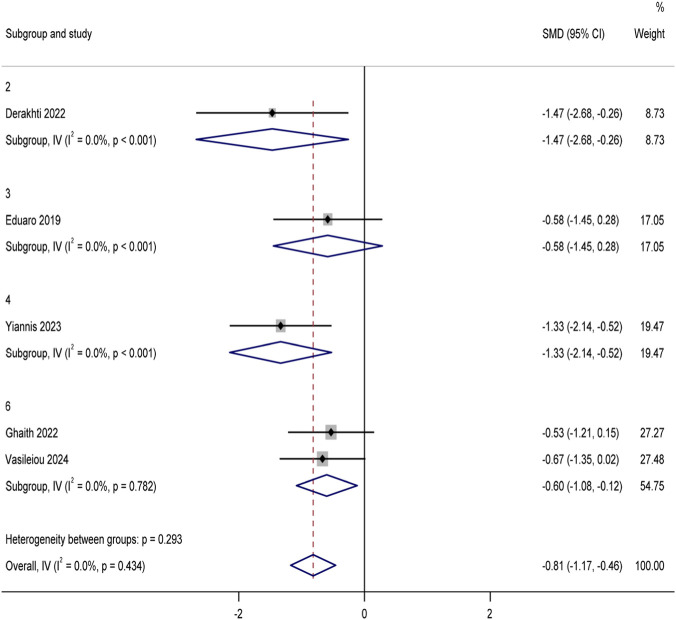 Figure 6
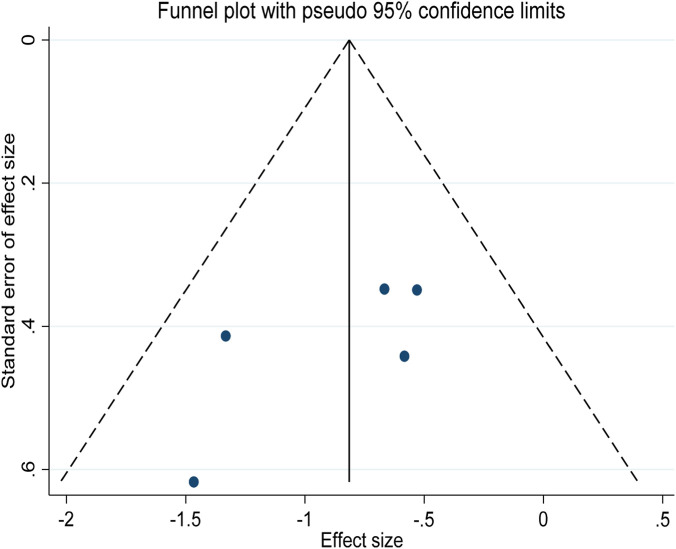 Figure 7
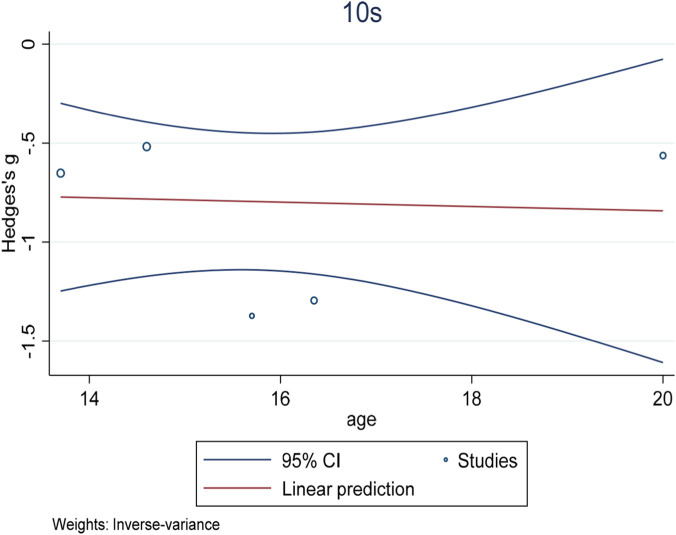 Figure 8
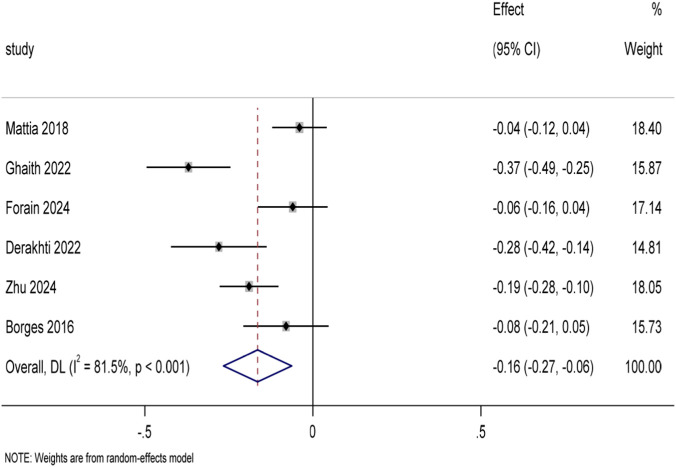 Figure 9
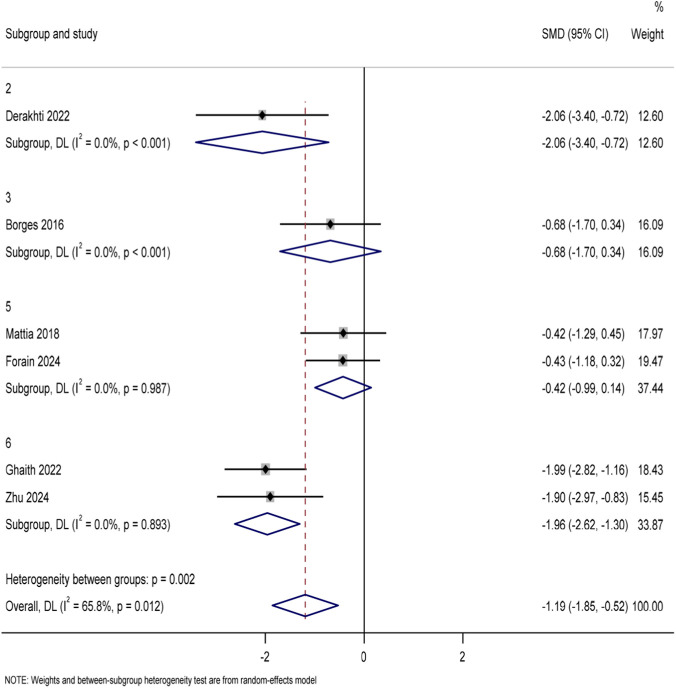 Figure 10
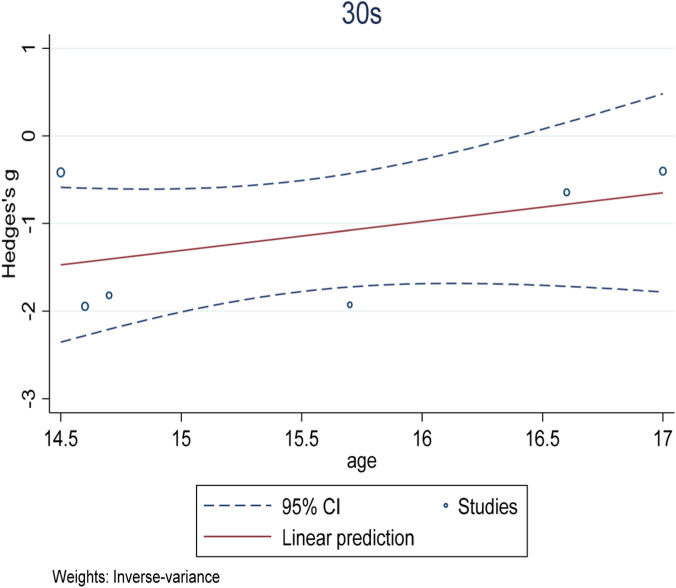 Figure 11
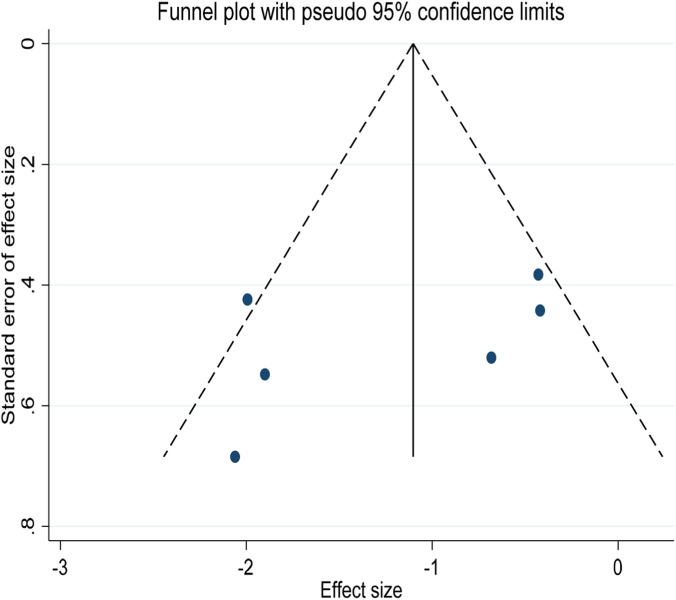 Figure 12
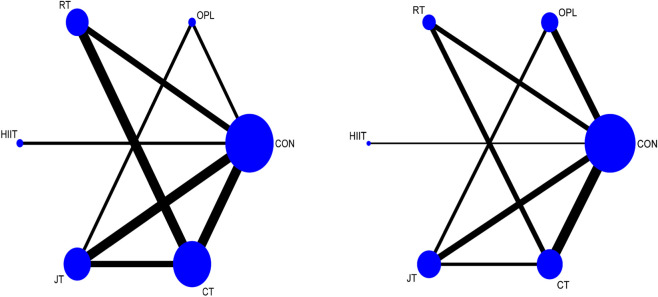 Figure 13
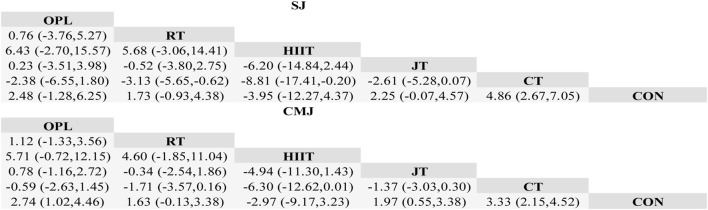 Figure 14
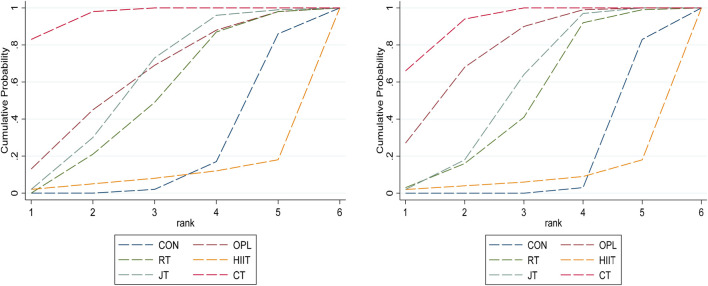 Figure 15
Peer Reviews
No public reviews on file for this paper yet. If you reviewed it on a platform where reviews are public (OpenReview, ICLR, NeurIPS, ICML), you can paste yours below so the community can read it here.
Videos
No videos yet. Explain this paper in a talk, walkthrough, or lecture? Add one.
Taxonomy
TopicsSports Performance and Training · Sports injuries and prevention · Cardiovascular and exercise physiology