Enrichment of Candida associated with dysbiosis contributes to mucosal CD4+FOXP3+ regulatory T cell accrual and their dysfunction in aging
S. Jayaraman, S. S. Mahalingam, Z. Zhu, F. Faddoul, A. Paes da Silva, R. Asaad, N. Bhaskaran, E. Schneider, T. Taylor, S. Horne, A. Yoo, L. Zhang, A. Burgener, Pushpa Pandiyan

TL;DR
This study shows that increased Candida in the mouths of older people is linked to immune cell changes, including regulatory T cell dysfunction, which may contribute to aging-related immune decline.
Contribution
The study reveals a novel link between fungal dysbiosis, particularly Candida, and age-related T cell dysfunction in mucosal tissues.
Findings
Older individuals show increased Candida colonization in oral mucosa compared to younger individuals.
Candida abundance correlates with elevated levels of dysfunctional regulatory T cells and hyperactivated CD4+ T cells.
In vitro experiments show Candida induces Treg proliferation and dysfunction in an IL-6 dependent manner.
Abstract
Age-associated T cell dysfunction is a defining feature of inflammaging and immunosenescence, the progressive decline in immune competence observed with advancing age. Here we identified the association between aging (defined as age >60) and fungal dysbiosis, notably characterized by increased colonization of Candida species in the oral mucosa. There is also a notable enrichment of other taxa related to the order Saccharomycetales in older individuals. In contrast, younger individuals exhibit a greater abundance of Cryptococcus, Yarrowia, Kluyveromyces, and various Incertae sedis lineages. Further analysis, stratified by HIV status, shows that older individuals in both healthy and HIV+ groups display significantly higher levels of Candida. Gingival tissues reveal that both healthy older group and HIV-positive group exhibit elevated levels of CD4+FOXP3+ regulatory T cells (Tregs) along…
Genes, proteins, chemicals, diseases, species, mutations and cell lines named across the full text — each resolved to its canonical identifier and authoritative record.
Click any figure to enlarge with its caption.
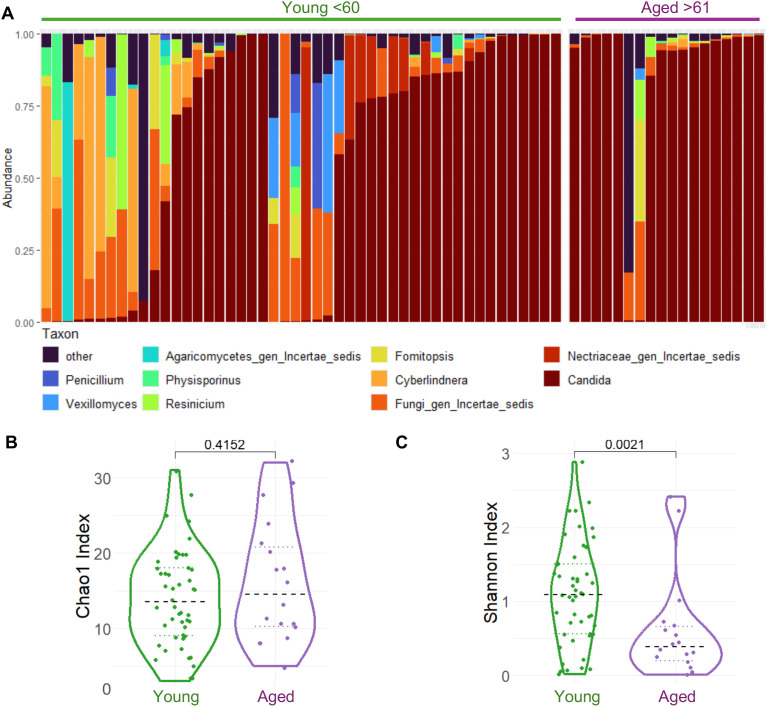 Figure 1
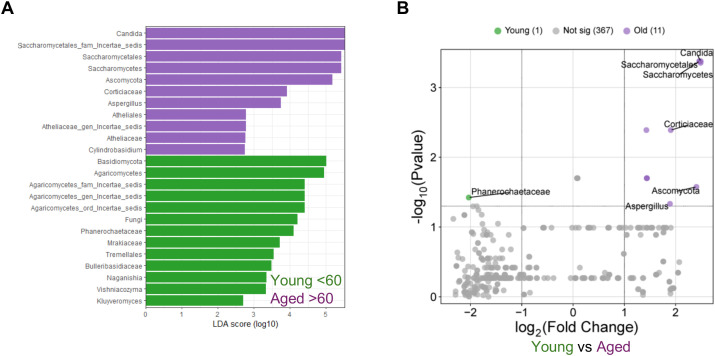 Figure 2
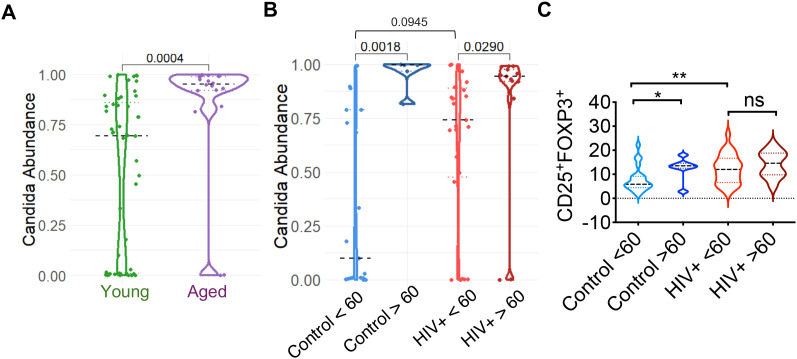 Figure 3
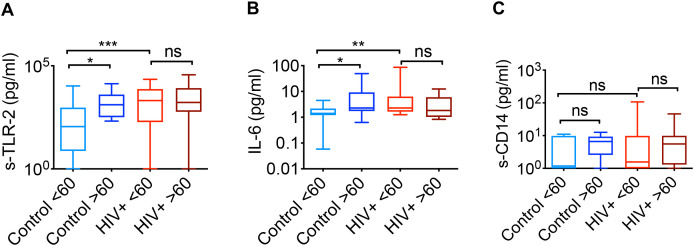 Figure 4
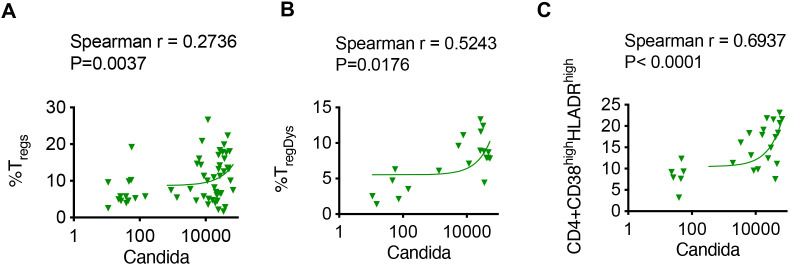 Figure 5
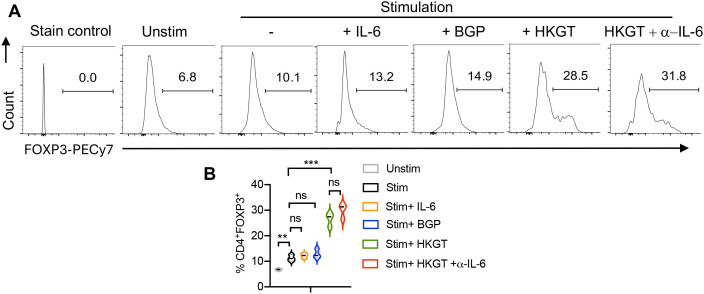 Figure 6
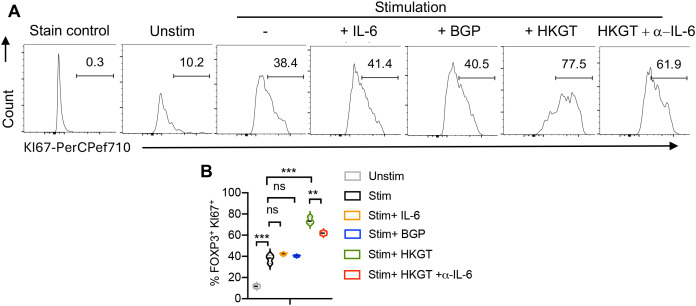 Figure 7
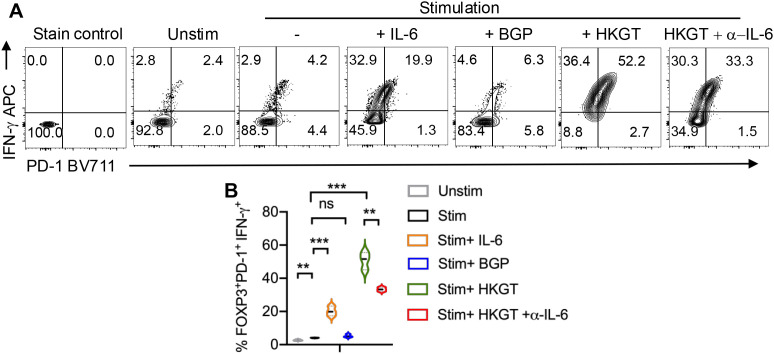 Figure 8
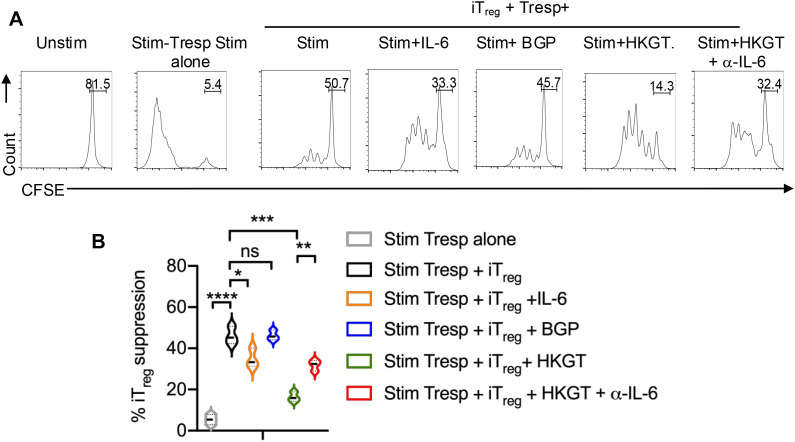 Figure 9
Peer Reviews
No public reviews on file for this paper yet. If you reviewed it on a platform where reviews are public (OpenReview, ICLR, NeurIPS, ICML), you can paste yours below so the community can read it here.
Videos
No videos yet. Explain this paper in a talk, walkthrough, or lecture? Add one.
Taxonomy
TopicsAntifungal resistance and susceptibility · HIV/AIDS oral health manifestations · Fungal Infections and Studies