Unveiling the antifungal potential of extracts in leaves and branches from Nicotiana glauca for wood biofungicides
Mohamed Z. M. Salem, Abeer A. Mohamed, Mohammed A. A. Elshaer, Mohamed A. M. Abd-Elraheem, Zakaria H. Saad, Maisa M. A. Mansour, Mervat EL-Hefny

TL;DR
This study explores the antifungal properties of extracts from Nicotiana glauca plant parts and their potential use in wood preservation.
Contribution
The study identifies and evaluates the antifungal potential of Nicotiana glauca extracts for use as natural wood biofungicides.
Findings
Ethanol extracts from Nicotiana glauca leaves and branches showed significant antifungal activity against Phoma glomerata, Fusarium circinatum, and Pythium tardicrescens.
High concentrations of rutin, quercetin, and gallic acid in leaf extracts contributed to their antifungal effectiveness.
The extracts exhibited fungal inhibition percentages ranging from 27.77% to 58.15% at 1000 µg/mL.
Abstract
Wild-growing medicinal plants are a rich source of bioactive compounds, which serve as antimicrobial agents for various medicinal, pharmaceutical, and wood preservation uses. In this study, branches and leaves from Nicotiana glauca Graham, a wild plant from Egypt, were used to extract bioactive compounds using the ethanol solvent. The ethanol extracts (EEs) were analyzed for their chemical components using HPLC and GC-MS. The EEs were applied to Fagus sylvatica L. wood to evaluate their activity against the growth of three fungi, namely Phoma glomerata, Fusarium circinatum, and Pythium tardicrescens. By HPLC analysis, the abundant phenolic and flavonoid compounds in EE from the branches were rutin (1529.37 µg/g dry extract), quercetin (856.96 µg/g dry extract), and gallic acid (813.79 µg/g dry extract). The N. glauca leaf EE contained high amounts of rutin (23364.18 µg/g dry extract),…
Genes, proteins, chemicals, diseases, species, mutations and cell lines named across the full text — each resolved to its canonical identifier and authoritative record.
Click any figure to enlarge with its caption.
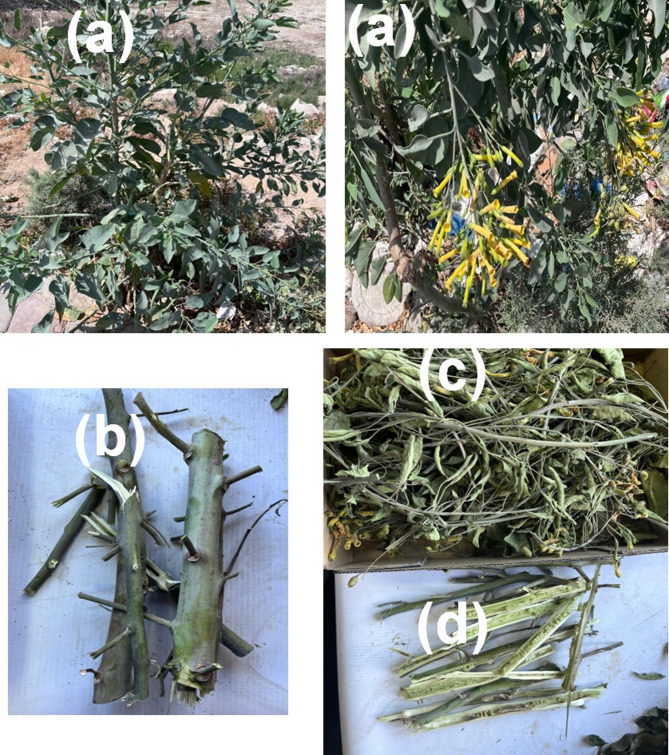 Figure 1
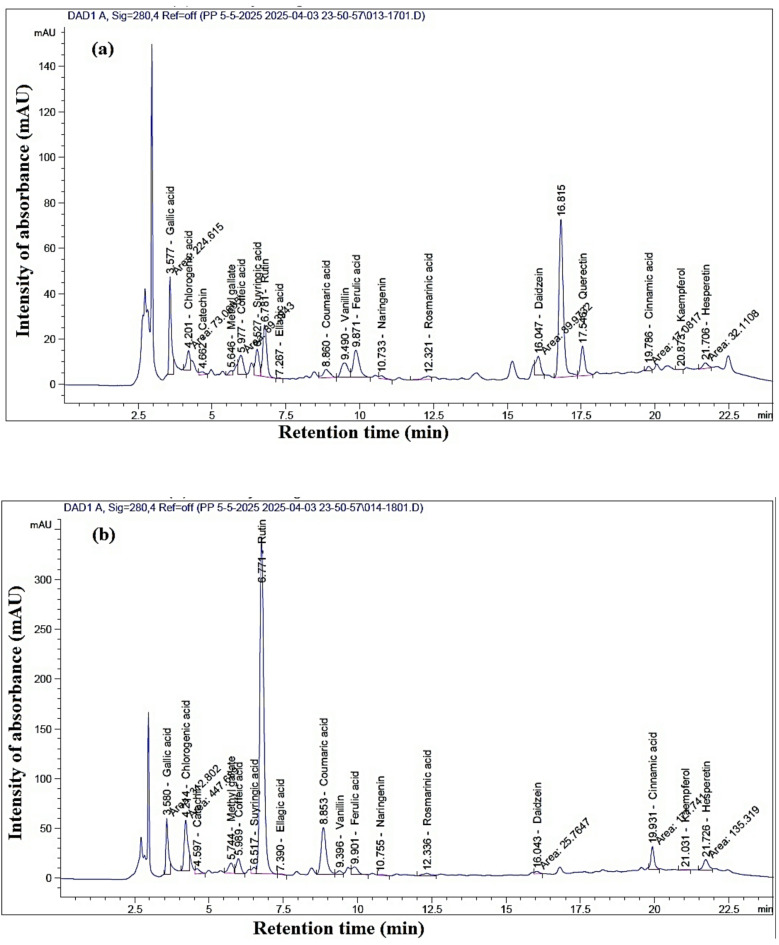 Figure 2
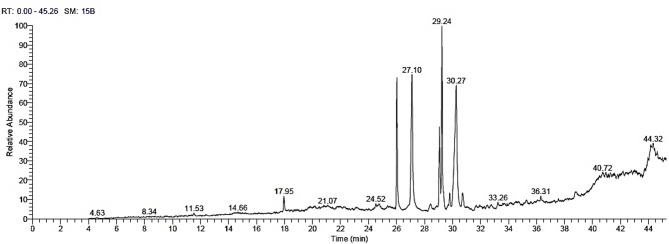 Figure 3
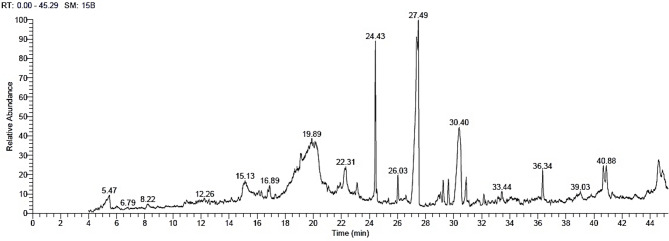 Figure 4
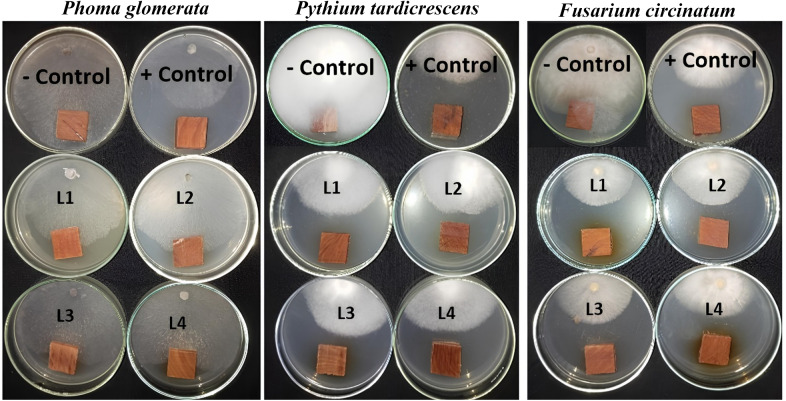 Figure 5
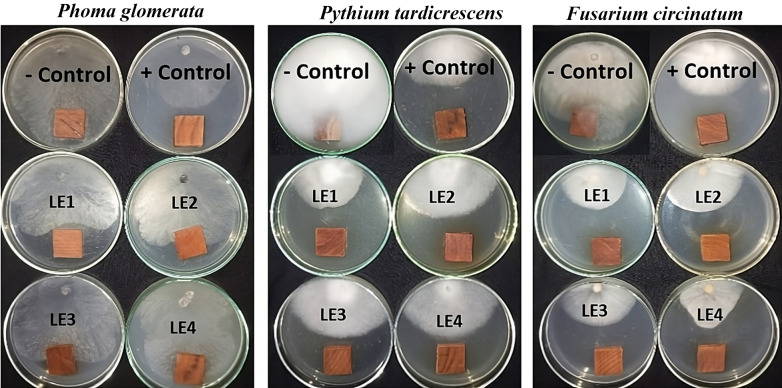 Figure 6
- —Alexandria University
Peer Reviews
No public reviews on file for this paper yet. If you reviewed it on a platform where reviews are public (OpenReview, ICLR, NeurIPS, ICML), you can paste yours below so the community can read it here.
Videos
No videos yet. Explain this paper in a talk, walkthrough, or lecture? Add one.
Taxonomy
TopicsEssential Oils and Antimicrobial Activity · Phytochemistry and biological activity of medicinal plants · Phytochemicals and Medicinal Plants
Introduction
The tree tobacco, Nicotiana glauca Graham, is a noxious invasive fast-growing evergreen perennial shrub, belonging to the family Solanaceae^1,2^. It is well known for its harmful impact on biodiversity, competing with native plants using various strategies. Allelochemical activity, or the employment of chemicals to dominate and compete with other species, is one of their strategies. This plant, however, occurs mostly in warm areas due to its sensitivity to frost^3^. The invasive plant N. glauca grows in open, disturbed areas such as roadsides, creek lines, dry riverbeds, and wastelands^4^. The whole plant has been used as anodyne, a remedy for boils, piles, sores, and wounds^5,6^.
The preliminary phytochemical analysis of extracts of N. glauca showed that varying amounts of alkaloids, steroids, tannins, flavonoids, and saponins were present in the extracts of the leaves, stems, flowers, and roots^1,7^. The preliminary phytochemical screening has indicated that leaves and flowers of N. glauca contain a higher concentration of flavonoids and other phytochemicals compared to the stems and roots. The total alkaloidal content and its specific composition compound, anabasine, can also vary across different parts of the plant^8^. The methanol extracts from roots, stem, leaves, flowers, seeds, and bark of N. glauca contain high levels of alkaloidal fraction with anti-inflammatory and antioxidant activities^9^. Phenols and tannins are known to act as allelochemical compounds in N. glauca^10^, which is presented in high concentrations in the aqueous extracts from leaves and flowers^11^. The phenolic compounds in N. glauca are expected to act as allelochemicals^10,12^. Another study observed a highly significant variation in the phenolic content among the studied plants of N. glauca from different habitats^13^.
N. glauca is highly toxic to humans and animals, and all parts of the plant are extremely poisonous due to the presence of anabasine alkaloid^2,14,15^. The anti-neovascularization effect of scopoletin, an active principal extract from N. glauca, and its antitumorigenic activity on human tumors in xenograft models was reported^16^. N. glauca is well known as a toxic plant^11,14^; however, it has been used traditionally in medicine, where warmed leaves are applied to the head to relieve headache^17^, on the throat to relieve a sore throat, and put on shoes for painful feet. Moreover, the plant has been used as an insecticide^18^. N. glauca extracts were observed to have several biological activities, such as antimicrobial, anti-inflammatory, hypoglycemic potential, cytotoxic, and antioxidant^8,19–21^. The extracts from shoots and leaves of N. glauca showed antimicrobial activity against several bacterial and fungal isolates^1,22^.
To the best of our knowledge, there are no reports about the application of extracts from N. glauca to combat the fungal growth over organic materials such as wood. Therefore, to add value to this plant, the extracts can be used as a natural product for preserving wood and other organic materials. As our previous work used natural extracts as wood protection agents against fungal growth. For example, when 1% recoverable extract from the hydrodestillation of Callistemon viminalis (Sol. ex Gaertn.) G.Don essential oil was applied to linen and oakwood textile samples; the maximum inhibition value against the growth of A. fumigatus was 99.26%^23^. The painted wood from Ficus sycomorus L. treated with 100 µL/mL of the essential oil from Thuja orientalis L. aerial parts showed good antifungal activity against the growth of Fusarium culmorum and Aspergillus niger^24^. The maximum level of inhibition to F. solani was observed when the methanol extract from Syzygium cumini (L.) Skeels leaves were applied to sapwood blocks of Pinus sylvestris L. at 4000 mg/L^25^. Wood is a renewable resource that is vital to the global economy, yet insects and fungi that break down wood can attack it^26^. It is essential to develop low-impact, efficient wood protection solutions^27,28^. An alternative to employing synthetic or inorganic compounds as wood preservatives for wood protection is to use natural extractives from plants^29^. Globally, a great deal of study has been done on different plant and microorganism extracts. In order to prevent wood from biodegrading during production, storage, transit, and use, this study investigated the use of plant extracts for biological treatment.
Therefore, the current study aims to assess the bioactivity of extracts from Nicotiana glauca biomass (leaves and branches) to inhibit the fungal infestation or growth over the treated wood samples. The bioactive substances in the extracts were identified by chromatographic analyses using the GC-MS and HPLC tools.
Materials and methods
Preparation of the plant extracts
This study has complied with relevant institutional, national, and international guidelines and legislation. This study does not contain any studies with human participants or animals performed by any of the authors. Nicotiana glauca leaves and branches (Fig. 1) in the flowering stage were collected from the growing wild plants in Alexandria (Madrasa Al Qods Street, Coordinates 31.24977° N, 30.01987° E), Egypt, with permission from the Forestry and Wood Technology Department, Faculty of Agriculture (El-Shatby), Alexandria University, Alexandria, Egypt. The plant was identified under the voucher number ME890 by Dr. Mervat EL-Hefny (Department of Floriculture, Ornamental Horticulture and Garden Design, Faculty of Agriculture (El-Shatby), Alexandria University, Alexandria, Egypt. The plant was further identified and deposited at the Herbarium of the Plant Production Department, Faculty of Agriculture (Saba Basha), Alexandria University, Alexandria, Egypt.
Fig. 1Nicotiana glauca biomass growth. (a) the whole plant showing the leaves and flowers; (b) branches; (c) dried plant with leaves; (d) dried branches. The height of the plant was measured to be around 1.5 m.
After being cleaned with tap water to remove any dust or debris, the collected leaves and branches were allowed to air-dry at room temperature. A small laboratory mill was used to grind the dried leaves and branches into a powder. The extraction by the soaking method was used according to Salem et al.^30^ with some modification. Approximately 50 g of each powdered material (leaves and branches) was mixed with 200 mL of ethanol 70% and macerated by the soaking method for one week in a laboratory setting, with periodic hand-shaking, where every day it was agitated at least three times. This was to ensure a high amount of ethanol extracts (EEs) could be extracted from the powdered materials. The EEs of leaves and branches were then obtained by filtering the mixture through a cotton plug and Whatman filter paper No. 1. The EEs were vacuum-concentrated in a rotary evaporator. The concentrated extracts were placed in Petri dishes and allowed to air dry before further analysis. The yield of EEs was calculated from branches and leaves using the following formula^31^: Extract percentage = [extract amount (g)/air-dry sample amount (g)] × 100].
The percentages of EEs were 2.34% and 5.36%, from branches and leaves, respectively. Before further examination, the concentrated EEs were transferred into Petri dishes and allowed to air-dry^32^. The EEs were kept in sealed glass vials at 4 °C in a refrigerator^33^. The EEs were prepared at the concentrations of 1000, 500, 250, and 125 µg/mL by dissolving the respective amounts of extract in 10% dimethyl sulfoxide (10% DMSO).
HPLC conditions for phytochemical analysis
An Agilent 1260 series instrument was used to perform the HPLC analysis of the EEs from N. glauca leaves and branches. A Zorbax Eclipse Plus C8 column (4.6 mm × 250 mm, id, 5 μm film thickness) was used for the separation. Water (A) and 0.05% trifluoroacetic acid in acetonitrile (B) at a flow rate of 0.9 mL/min made up the mobile phase. Using (A) concentrations of 82, 80, 60, 60, 82, 82, and 82%, respectively, a mobile phase linear gradient program was put into place with a step size of 1 min and periods of 5, 8, 12, 15, 16, and 20 min. The multi-wavelength detector was monitored at 280 nm. The injection volume was 5 µL for each sample solution (redissolved in acetone). The column temperature was maintained at 40 °C. Standard HPLC-grade phenolic and flavonoid compounds were used, including gallic acid, chlorogenic acid, catechin, methyl gallate, caffeic acid, syringic acid, pyrocatechol, rutin, ellagic acid, p-coumaric acid, vanillin, ferulic acid, naringenin, rosmarinic acid, daidzein, quercetin, cinnamic acid, kaempferol, and hesperetin. The identification of compounds was confirmed by comparing their retention times with those of the standard compounds. All chemical standards (high-performance liquid chromatography (HPLC grade) were from Sigma‒Aldrich (St. Louis, MO, USA)^34^. The HPLC chromatograms of the standard compounds are presented in our recent work^34^.
GC-MS analysis of extracts
The chemical analysis of the EEs from N. glauca was performed using Gas chromatography-mass spectrometry (GC-MS). A Trace GC-TSQ mass spectrometer (Thermo Scientific, Austin, TX, USA) with a direct capillary column TG–5MS (30 m × 0.25 mm × 0.25 μm film thickness) was used^35,36^. The temperature of the column oven was first maintained at 50 °C, then raised by 5 °C per minute to 250 °C for two minutes, and finally raised by 30 °C per minute to 300 °C for two minutes. The MS transfer line and injector were maintained at 270 °C and 260 °C, respectively. As a carrier gas, helium was utilized at a steady flow rate of one milliliter per minute. The Autosampler AS1300, combined with GC in split mode, was used to automatically inject 1 µL diluted samples following a two-minute solvent delay. Using full scan mode, EI mass spectra were obtained at 70 eV ionization voltages in the m/z 50–650 range. The temperature of the ion source was adjusted to 200 °C. By comparing their mass spectra to those of the NIST 14 and WILEY 09 mass spectral databases, the components were identified^37^. The Xcalibur 3.0 data system and threshold settings of the GC-MS were used to confirm that all of the discovered compounds’ mass spectra were connected to the library. Additionally, the measurement match factor (MF) with values > 650 was used to confirm the identified chemicals^38^.
Antifungal bioassay
The molecularly identified fungal isolates from the diseased root and branch samples from Pinus halepensis (Mill.): Fusarium circinatum, Pythium tardicrescens, and Phoma glomerata (Accession numbers PV636492, PV636491, and PV892735), respectively^39^, were used for the antifungal activity. By referring to the NCBI and comparing the nucleotide sequences of the Phoma sp. isolate, we found that this is similar to Phoma glomerata.
Wood samples prepared at the dimension of 2 × 2 × 0.7 cm were obtained from Fagus sylvatica (L.) wood. Before conducting the fungal inoculation test, the generated wood samples were autoclaved at 121 °C for 20 min. The prepared ethanol extracts from N. glauca leaves and branches at the concentrations of 1000, 500, 250, and 125 µg/mL were applied to the wood samples. All the wood samples were subjected to antifungal evaluation against the growth of the three molds (Phoma glomerata, F. circinatum, and P. tardicrescens). Three replicates (wood samples) were used for each concentration and each isolated fungus. Each wood sample received 100 µL of the concentrated extract by soaking for 30 min.
Firstly, all the dishes were autoclaved at 121 °C for 20 min and left to cool, then a 15-day-old PDA culture of each fungus was prepared. The treated wood samples with the extracts, as well as the controls, were inoculated with each fungus disc (5 mm diameter) in a Petri dish that contained 15 mL of PDA culture and then incubated for 7 days at 25 ± 1 °C^39^. The fungal inhibition percentage (FIP) = [(Control growth - Growth in treatment)/Growth in control] × 100, for the treated and untreated woods against each fungus, was measured^32^. The positive control, viz., Cure-M 72% WP (Mancozeb 64%+Metalaxyl 8%), was tested at the recommended dosage (2000 µg/mL) for antifungal activity by the poisoned food technique^40^. 10% DMSO was used as a negative control sample. The minimum inhibitory concentrations (MICs) of the ethanol extracts from N. glauca leaves and branches prepared at concentrations from 15.6 to 250 µg/mL were assessed using the broth dilution method according to CLSI^41^.
Statistical analysis
The percentage of fungal inhibition measured from the treated wood with the concentrated extracts (1000, 500, 250, and 125 µg/mL) from leaves and branches was statistically analyzed using two-way ANOVA (analysis of variance) in SAS software (SAS Institute, Release 8.02, Cary, North Carolina, USA). The means from each treatment of the extracts and their concentrations were compared to the positive and negative control treatments using Duncan’s Multiple Range Test.
Results
Phenolic and flavonoid compounds by HPLC
Table 1; Fig. 2a show the chemical compounds identified in the ethanol extract (EE) from branches of Nicotiana glauca. The abundant phenolic and flavonoid compounds in the EE by HPLC from the branch extract were rutin (1529.37 µg/g dry extract), quercetin (856.96 µg/g dry extract), gallic acid (813.79 µg/g dry extract), chlorogenic acid (511.95 µg/g), ferulic acid (498.86 µg/g dry extract), syringic acid (339.03 µg/g dry extract), caffeic acid (267.57 µg/g dry extract), and daidzein (257.22 µg/g dry extract).
Table 1. Phenolic and flavonoid compounds identified in the ethanol extract of Nicotiana glauca branches.Retention time (min)CompoundArea (mAU*s)Conc. (µg/g dry extract)3.577Gallic acid224.615813.794.201Chlorogenic acid73.068511.954.662Catechin15.093175.215.646Methyl gallate15.50143.945.977Caffeic acid89.394267.576.527Syringic acid105.916339.036.781Rutin210.3841529.377.267Ellagic acid1.6779.538.860Coumaric acid58.137106.159.490Vanillin104.028176.059.871Ferulic acid172.513498.8610.733Naringenin16.68380.6512.321Rosmarinic acid24.110107.1116.047Daidzein89.973257.2217.546Quercetin132.347856.9619.786Cinnamic acid17.08118.4920.873Kaempferol1.0475.3721.706Hesperetin32.11075.92
Table 2; Fig. 2b show the chemical compounds identified in the EE from leaves of N. glauca. The most abundant compounds were rutin (23364.18 µg/g dry extract), chlorogenic acid (3136.67 µg/g dry extract), gallic acid (1133.30 µg/g dry extract), coumaric acid (1066.13 µg/g dry extract), catechin (647.99 µg/g dry extract), caffeic acid (447.27 µg/g dry extract), methyl gallate (337.14 µg/g dry extract), ferulic acid (336.49 µg/g dry extract), and hesperetin (319.94 µg/g dry extract).
Table 2. Phenolic and flavonoid compounds identified in the ethanol extract from Nicotiana glauca leaves.Retention time (min)CompoundArea (mAU*s)Conc. (µg/g dry extract)3.580Gallic acid312.8021133.304.214Chlorogenic acid447.6883136.674.597Catechin55.818647.995.744Methyl gallate118.939337.145.989Caffeic acid149.429447.276.517Syringic acid54.266173.706.771Rutin3214.04523364.187.390Ellagic acid0.6130.448.853Coumaric acid21.321066.139.396Vanillin1.6481.919.901Ferulic acid6.73336.4910.755Naringenin1.0853.9512.336Rosmarinic acid4.06203.1216.043Daidzein1.4773.6619.931Cinnamic acid3.72185.8621.031Kaempferol0.7034.9521.726Hesperetin6.40319.94
Fig. 2. The phenolic and flavonoid compounds identified in the ethanol extracts from Nicotiana glauca by HPLC analysis. (a) branches (b) leaves.
GC-MS of the ethanol extracts
The chemical compounds identified in the EE of N. glauca branches are shown in Table S1 and Fig. 3. The main compounds were presented in Table 3 as methyl oleate (19.39%), oleic acid (17.09%), 9-octadecenal (15.65%), methyl palmitate (14.08%), and methyl 12,13-tetradecadienoate (8.99%), which were the most abundant compounds.
Table 3. The main chemical compounds by GC-MS from the ethanol extract of Nicotiana glauca branches.RTArea %CompoundMatch factorMolecular formula26.0314.08Methyl palmitate919C_17_H_34_O_2_27.1117.09Oleic acid837C_18_H_34_O_2_28.431.42Benzyl (6Z,9Z,12Z)−6,9,12-octadecatrienoate745C_25_H_36_O_2_29.068.99Methyl 12,13-tetradecadienoate824C_15_H_26_O_2_29.2419.39Methyl oleate863C_19_H_36_O_2_29.801.86Methyl dihydrohydnocarpate766C_12_H_22_O_2_30.2715.659-Octadecenal849C_18_H_34_O30.712.23Hydnocarpic acid772C_16_H_28_O_2_31.701.08N-[5-hydroxy-n-pentyl]-Arachidonic amide705C_25_H_43_NO_2_32.461.592,3-Bis(acetyloxy)propyl (9E,12E,15E)−9,12,15-octadecatrienoate673C_25_H_40_O_6_38.761.9212-Methyl-E, E-2,13-octadecadien-1-ol686C_19_H_36_O
Fig. 3. The GC-MS chromatograms of the identified compounds in the ethanol extract from Nicotiana glauca branches.
The chemical compounds identified in the EE from N. glauca leaves are shown in Table S2 and Fig. 4. The main compounds in Table 4 were anabasine (11.44%), palmitic acid (11.29%), oleic acid (10.96%), hydnocarpic acid (8.34%), hexahydrofarnesyl acetone (6.76%), phytosphingosine (5.63%), tert-hexadecanethiol (4.31%), atrazine deisopropyl (3.74%), and tetrahydrocannabihexol (2.03%).
Table 4. The GC-MS analysis of the chemical compounds from the ethanol extract of Nicotiana glauca leaves.RTArea %CompoundMatch factorMolecular formula5.481.413-Methylvaleric acid679C_6_H_12_O_2_15.031.335-Hydroxy-4-hydroxymethyl-1-(1-hydroxy-1-isopropyl)cyclohex-3-ene682C_10_H_18_O_3_19.111.19Methyl 8,11-octadecadiynoate703C_19_H_30_O_2_19.8911.44Anabasine708C_10_H_14_N_2_22.241.361-Cyclohexene-1-methanol728C_7_H_12_O22.321.543-Oxiranyl-7-oxabicyclo[4.1.0]heptane784C_8_H_12_O_2_23.121.565α-Androstan-16-one, cyclic ethylene mercaptole709C_21_H_34_S_2_24.436.76Hexahydrofarnesyl acetone784C_18_H_36_O26.021.30Cyclopentaneundecanoic acid methyl ester771C_17_H_32_O_2_27.3610.96Oleic acid774C_18_H_34_O_2_27.4911.29Palmitic acid772C_16_H_32_O_2_28.901.051-Hexadecanol, acrylate810C_19_H_36_O_2_29.241.497-Nonenoic acid methyl ester784C_10_H_18_O_2_29.631.39Isophytol713C_20_H_40_O30.388.34Hydnocarpic acid830C_16_H_28_O_2_30.425.63Phytosphingosine819C_18_H_39_NO_3_30.901.98Dodecanoic acid705C_12_H_24_O_2_40.874.31tert-Hexadecanethiol651C_16_H_34_S44.623.74Atrazine deisopropyl705C_5_H_8_ClN_5_44.851.984-t-Butyl-2-(1-methyl-2-nitroethyl)cyclohexanone709C_13_H_23_NO_3_
Fig. 4. The GC-MS chromatograms of the identified compounds in the ethanol leaf extract from Nicotiana glauca.
Antifungal activity
Table 5 presents the antifungal activity of the EEs from N. glauca branches and leaves against the growth of Phoma glomerata, Pythium tardicrescens, and Fusarium circinatum. Figures 5 and 6 show the visual observation of the incubated fungi with the treated Fagus sylvatica wood samples by the EEs from N. glauca branches and leaves, respectively.
Leaf and branch EEs at 1000 µg/mL exhibited the highest activity against the growth of P. glomerata, with moderate fungal inhibition percentage (FIP) values of 35.92% and 27.77%, respectively, compared to the positive control Cure-M 72% WP (FIP 36.29%). At the concentration of 1000 µg/mL, the leaf and branch EEs observed the highest FIP values of 58.15% and 47.41%, respectively, against the growth of Pythium tardicrescens compared to the positive control Cure-M 72% WP (FIP 55.18%). The highest activity of branch and leaf EEs against Fusarium circinatum was observed at the concentration of 1000 µg/mL, with FIP values of 55.55 and 55.18%, respectively, compared to the positive control Cure-M 72% WP (FIP 48.15%).
The EE from the branches had MIC values of 31.25, 62.5, and 125 µg/mL, whereas the EE from the leaves had MIC values of 15.25, 62.6, and 250 µg/mL against the growth of Fusarium circinatum, Pythium tardicrescens, and P. glomerata, respectively.
Table 5. The fungal growth inhibition (%) of the ethanol extracts from branches and leaves of Nicotiana glauca against the growth of Pythium tardicrescens, Fusarium circinatum, and Phoma glomerata when applied to Fagus sylvatica wood.TreatmentConcnetrationFungal growth inhibition (%)Phoma glomerata**Pythium tardicrescens**Fusarium circinatumNC10% DMSO0.00 F0.00E0.00EPCCure-M 72% WP36.29 A ± 2.7955.18 A ± 0.6448.15D ± 1.28Branch extract1000 µg/mL27.77B ± 5.5547.41B ± 1.2855.55 A ± 1.11500 µg/mL17.03D ± 1.6945.92B ± 0.6450.74 C ± 1.28250 µg/mL10.00E ± 4.00643.70BC ± 1.6948.52D ± 0.64125 µg/mL4.44 F ± 3.3341.48 C ± 0.6447.41D ± 0.64MIC µg/mL12562.531.25Leaf extract1000 µg/mL35.92 A ± 2.5658.15 A ± 6.5155.18 A ± 0.64500 µg/mL22.22 C ± 1.1146.66B ± 1.1153.33B ± 0.00250 µg/mL15.18D ± 1.6941.85 C ± 0.6452.22B ± 0.00125 µg/mL2.59 F ± 1.6935.55d ± 1.1147.41D ± 1.28MIC µg/mL25062.515.6P-value0.0272< 0.00010.0011
Values are means ± SD; Means with the same letter are not significantly different according to Duncan’s Multiple Range Test. PC (Positive control): Cure-M 72% WP (Mancozeb 64%+Metalaxyl 8%); NC (Negative control): 10% DMSO.
Fig. 5. Visual observation of the antifungal activity of the branch ethanol extract when applied to Fagus sylvatica wood samples against the growth of Pythium tardicrescens, Fusarium circinatum, and Phoma glomerata. The concentrations of the branch extract are labeled as L1, L2, L3, and L4 (1000, 500, 250, and 125 µg/mL), respectively. +Control (positive control): Cure-M 72% WP (Mancozeb 64%+Metalaxyl 8%); -Control (negative control): 10% DMSO.
Fig. 6. Visual observation of the antifungal activity of the leaf ethanol extract when applied to Fagus sylvatica wood samples against the growth of Pythium tardicrescens, Fusarium circinatum, and Phoma glomerata. The concentrations of the leaf extract are labeled as LE1, LE2, LE3, and LE4 (1000, 500, 250, and 125 µg/mL), respectively. +Control (positive control): Cure-M 72% WP (Mancozeb 64%+Metalaxyl 8%); -Control (negative control): 10% DMSO.
Discussion
Nicotiana glauca contains a variety of phenolic and flavonoid compounds, which vary in concentration depending on the extraction method and the part of the plant used. These compounds contribute to the plant’s antioxidant and antimicrobial properties. Several phenolic and flavonoid compounds like gallic acid, chlorogenic acid, catechin, methyl gallate, caffeic acid, syringic acid, rutin, ellagic acid, coumaric acid, vanillin, ferulic acid, naringenin, rosmarinic acid, daidzein, quercetin, cinnamic acid, kaempferol, and hesperetin were isolated and identified from the ethanol extracts (EEs) of branches and leaves of N. glauca. Except that quercetin was not detected in the leaf EE. These EEs showed different activities when applied to Fagus sylvatica wood samples against the growth of Pythium tardicrescens, Fusarium circinatum, and Phoma glomerata.
The EE from the branch showed the abundant phenolic and flavonoid compounds rutin, quercetin, gallic acid, chlorogenic acid, ferulic acid, syringic acid, caffeic acid, and daidzein. While in the leaf EE, the abundant compounds were rutin, chlorogenic acid, gallic acid, coumaric acid, catechin, caffeic acid, methyl gallate, ferulic acid, and hesperetin.
Saponins, coumarins, tannins, phlobatannins, resins, cardiac glycosides, and steroids were found in the stem and leaves of N. glauca, as well as terpenoids in the root, according to the initial phytochemical screening. Flavonoids were found in every part of the plant^13^. Chlorogenic acid, rutin, hyperoside, robinetin, umbelliferone (coumarin derivative), scopoletin (coumarin derivative), saponarin, and syringic acid were all detected in the leaf extract^8^. Quercetin and kaempferol, as well as several of their glycosides (rutin, kaempferol-3-glucoside, and quercetin-3-glucoside), cinnamic, and ferulic acids, were detected by flavonols in the leaf extract^13^. According to another study, N. glauca leaves have higher levels of quercetin, cinnamic acid, and rutin than various vegetables, which is consistent with flavonoid concentrations^42^.
According to the chemical compounds’ GC-MS analysis, some carboxylic acids and esters, saturated fatty acids, and hydrocarbon compounds were found. There were also some alkaloids found. Methyl oleate, oleic acid, 9-octadecenal, methyl palmitate, and methyl 12,13-tetradecadienoate were found in significant amounts in the branch extract, whereas the leaf extract contained anabasine, palmitic acid, oleic acid, hydnocarpic acid, hexahydrofarnesyl acetone, phytosphingosine, tert-hexadecanethiol, and atrazine deisopropyl.
The methanol extract from leaves showed the presence of ethylene oxide, acetaldehyde, dimethyl sulfide, pentanal, 1-propanal, and propanal, 2-methyl as the most active components in^19^. The volatile oil of the N. glauca extract was found to include significant amounts of oxygenated sesquiterpenes, including β-bisabolol, carboxylic acids, and esters such as ethyl linoleate and hexadecanoic acid. Additionally, 9,17-octadecadienal was found^43^. The predominant ingredient in N. glauca leaves extract was eugenol, followed by nonadecane, eugenyl acetate, 3-methyl-tridecane, and 8-methyl-heptadecane^44^. In another investigation, the stem of N. glauca active fraction contained a variety of polyphenols and aromatic compounds, such as bicyclo heptanes, 3, 7, 11, 15-tetramethyl-2-hexadecen-1-ol, scopoletin, D-α-tocopherol, campesterol, stigmasterol, and β-sitosterol^45^.
Hexacosenol, nonacosane, triacontane, octacosenol, nonacosonal, hentriacontane, dotriacontane, tritriacontane, and total hydrocarbon were the nine components found in the hexane extract of N. glauca leaves^46^. N. glauca leaf extracts from seven different places revealed that the most prevalent chemicals were 2-acetoxyisobutyryl chloride, 2,4-dimethyl-1,3-dioxolane-2-methanol, and 4-hydroxy-4-methyl-2-pentanone^47^. Anabasine, a pyridine and piperidine alkaloid, was discovered to be present in varying levels in all places under investigation, particularly in the methanol extracts^47^. Compounds like 2-methyl-6-pheny-l1,6-heptadiene, eicosane, octadecenoic acid methyl ester, dodecanoic acid 1-methylethyl ester, diethyl phthalate, (z,z,z)−9,12,15-octadecatrienoic acid, 1 H-2,3-dihydro-1,1,3-trimethyl-3-phenyl-Indene, 11,14,17-eicosatrienoic acid methyl ester, phytol, 15-methyl-hexadecanoic acid methyl ester, 2-hydroxy-propanoic acid ethyl ester, and tetratetracontane were also reported in the ethanol extracts from N. glauca leaves as collected from various locations in Saudi Arabia^47^. The essential oil from N. glauca was found to contain a high percentage of saturated hydrocarbons, with hexadecane, limonene, and heneicosane being the minor ingredients (about 0.5% each)^44^.
Anabasine, anabaseine, nicotine, nornicotine, ammodendrine, rutin, and chlorogenic acid were found in the alkaloid-rich fraction analyzed by the UPLC-HRESI-MS in N. glauca. However, the GC-MS identified 5-pentanolactam, anabasine, 1,2,3,4-tetrahydro-pyridine-2,5-dicarbonitrile, 1,2,3,5,9b-pentaaza-cyclopenta[a]naphthalen-4-ol, and 1-ethynyl-1-isocyano-cyclohexane as the main constituents^43^.
According to the antifungal activity of the EEs from branches and leaves of N. glauca, the fungal growth of Phoma glomerata, Fusarium circinatum, and Pythium tardicrescens was inhibited by the application of the EE from the leaves on Fagus sylvatica wood samples more than using the branch EE. These could be related to the presence of bioactive compounds as determined by HPLC and GC-MS.
For the antifungal activity of N. glauca extracts, the leaf and flower extracts at the tested concentrations 1, 2, 3, and 4% showed potential effects against the growth of Trichoderma viride and Fusarium oxysporum f. sp. melonis^48^. However, F. oxysporum f. sp. lycopersici and F. oxysporum f. sp. tuberosi were found to be less sensitive to N. glauca extracts as compared to F. oxysporum f. sp. melonis. At the concentrations of 1, 2, and 3%, the aqueous extract from N. glauca leaves was observed to have the strongest antifungal efficacy against Aspergillus niger, A. flavus, A. terreus, Alternaria alternata, and Rhizoctonia solani among a few medicinal plants^49^. In terms of the measured MIC values, the acetone extract from N. glauca leaves demonstrated good antifungal activity against the growth of A. niger, A. parasiticus, Colletotrichum gloeosporioides, F. oxysporum, T. harzianum, Phytophthora nicotiana, P. ultimum, R. solani, and Penicillium janthinellum^21^.The methanol extracts of Ceratonia siliqua L. leaves and branches exhibited the strongest action against A. alternata growth at 4%, whereas the leaf extract demonstrated the strongest fungal inhibition against F. oxysporum^50^. These could be related to the presence of phenolic and flavonoid compounds like catechin, syringic acid, gallic acid, coumaric acid, and methyl gallate in the extract^50^. The highest inhibition of fungal growth against Rhizoctonia solani was observed by the application of methanol extracts from Ziziphus spina-christi (L.) Desf. branches and leaves on Pinus sylvestris wood blocks^50^. These also could result from the presence of polyphenolic compounds such as ellagic acid, gallic acid, rutin, catechin, and chlorogenic acid^50^. Ethanol extractives from teak heartwood (Tectona grandis L.f.) waste significantly changed the decay resistance of the treated wood from 10-year-old teak sapwood and Pinus sp. against the brown rot fungus Postia placenta^51^. Wood samples from Vitex doniana Sweet, and Triplochiton scleroxylon K.Schum. treated with Lawsonia inermis L. extracts from the bark and leaves exhibited good activity against the growth of Ganoderma lucidum and Sclerotium rolfsii in comparison to the untreated wood samples^52^.
The formulation of environmentally friendly wood preservatives may benefit from the antifungal properties of phenolic chemicals. When compared to the untreated control specimens, Scots pine and beech wood specimens impregnated with leaf extracts of Sicilian sumac (Rhus coriaria L.), valonia oak (Quercus macrolepis L.), and Turkish pine bark (Pinus brutia Ten.) demonstrated enhanced resistance to Trametes versicolor (beech wood) and Gloeophyllum trabeum (pine wood)^53^. Galangin and pinocembrin, two flavonoids, showed similar antifungal effectiveness to ketoconazole against Ganoderma applanatum, Pycnoporus sanguineus, Schizophyllum commune, and Aspergillus niger^54^. The antifungal ability of flavonoids extracted from Citrus species, including hesperidin, naringenin, and neohesperidin, as well as their enzymatically modified derivatives, was observed against the growth of Aspergillus parasiticus,* Aspergillus flavus*,* Fusarium semitectum*, and Penicillium expansum^55^.
The extracts from N. glauca presented some bioactive phenolic and flavonoid compounds. Many flavonoids are susceptible to degradation by environmental factors, such as sunlight^56^. Rutin is a flavonoid found in many plants that has shown promising antifungal activity in laboratory and animal studies, particularly against Candida and Aspergillus fungal species^57^. Rutin has demonstrated antifungal properties, including inhibiting the growth of Candida albicans and Cryptococcus neoformans^58^. Although rutin has shown encouraging antifungal properties against Gloeophyllum trabeum and Trametes versicolor in a lab setting, there is no proof that it is marketed as a stand-alone wood protection product^59^. Rutin is a bioactive plant molecule that may be able to protect wood, but its practical use is limited by its weak water solubility and low absorption. This would need to be addressed using specialized formulation processes to create a viable product^60^.
Quercetin is one of the flavonoids being studied by researchers as a possible ingredient in environmentally friendly wood treatments^61^. The majority of studies on quercetin’s antifungal properties concentrate on laboratory and medical usage rather than wood preservation. The research that deals with wood is still in its early stages. The stability and bioavailability of quercetin as a preservative are unknown, and although it has shown antifungal properties in lab conditions against certain fungi, such as Aspergillus and Candida, its direct application as a stand-alone antifungal wood treatment is still in the experimental research stage.
Although gallic acid, like quercetin, has shown antifungal properties in experimental conditions, it is not yet marketed as a stand-alone wood treatment. It is a polyphenol and a part of hydrolyzable tannins, which are found naturally in some plants and help prevent wood from decaying. Its application in environmentally friendly wood preservatives is still being studied; it is frequently mixed with other materials to increase its efficacy and fixation^62^. The concentration, the kind of wood, and the particular fungus species can all have a substantial impact on the antifungal effectiveness of plant extracts containing gallic acid^63^. A mixture of citric acid and tannin-rich inner and outer bark extracts from sugar maple (Acer saccharum Marshall), when applied to Leucaena leucocephala (Lam.) de Wit wood, was found to have a strong anti-mold efficacy. Salicylic acid, gallic acid, and p-hydroxybenzoic acid were identified as the primary constituents of biological activity^64^. High antifungal activity against F. solani is exhibited by purified gallic acid, and this activity was dose-dependent. The hyphae shrank and collapsed after being incubated with gallic acid (500 ppm) for 24 h^65^. Gallic, protocatechuic, vanillic, chlorogenic, caffeic, and ferulic acids from tobacco waste were observed as antifungal agents against wood-decay fungi^66^.
Like quercetin and gallic acid, chlorogenic acid is a polyphenol that has antifungal properties in lab settings but is not used as a stand-alone commercial wood preservative. Chlorogenic acid is being investigated as a possible natural and environmentally friendly wood preservative, particularly when combined with other compounds or as a component of complex plant extracts^63^. Extracts from Schotia brachypetala branches containing chlorogenic and gallic acids as main compounds were effective in inhibiting the growth of certain pathogenic fungi on wood samples^34^. Chlorogenic acid extracted from coffee grounds can inhibit wood-decaying fungi in a lab setting, suggesting potential for developing a “green” preservative from organic waste^67^.
Although the polyphenol ferulic acid has shown antifungal qualities in experimental conditions, it is not yet a widely available, stand-alone wood treatment. Ferulic acid is being investigated as a potential ingredient in the ongoing search for natural and environmentally friendly alternatives to traditional wood preservatives. But like other natural substances, it has drawbacks, such as being prone to leaching^68^. Ferulic acid can inhibit the growth of various fungi, including some wood-decaying types. A study found that ferulic acid inhibited the activity of 26 S fungal proteasomes, which are crucial for fungal cellular function^69,70^.
Phenolic compounds combat fungi through a variety of, frequently combined, mechanisms, including disrupting cell membranes (increasing permeability, altering integrity)^71,72^. Additionally, they produce reactive oxygen species (ROS) for oxidative stress, interfering with essential enzymes like those in ergosterol synthesis, preventing spore germination, influencing adhesion/biofilm formation, and affecting important fungal pathways like Ras/cAMP^73–75^. These mechanisms ultimately result in cell death or growth inhibition. Certain phenolics, such as ellagic acid and caffeic acid phenethyl ester (CAPE), interfere with cell wall integrity, potentially by inhibiting 1,3-β-glucan synthase, an enzyme critical for cell wall synthesis^76^.
It is essential to remember that although N. glauca contains some beneficial substances, its high concentration of alkaloids, such as nicotine and anabasine, makes it extremely hazardous. Ingestion of this toxin can be lethal, making it a serious health risk^14^. Therefore, the safety considerations and implications for practical use as a wood preservative are required for further research.
The differences in antifungal effectiveness between Nicotiana glauca plant sections and concentrations imply that greater research into these extracts may result in wood preservative compositions that are more successful. Furthermore, Nicotiana glauca is a useful source of bioactive chemicals due to its potential to inhibit the growth of molds. However, before the obtained extracts can be utilized as alternatives to synthetic fungicides, more research is required to evaluate the toxicity and effectiveness of the treatments for long-term usage as antifungal agents.
It is crucial to remember that bioactivity data collected in a lab setting cannot always correspond to in vivo toxicity. Therefore, this work paves the way for more investigation into the long-term effects, or shelf life, of Nicotiana glauca extracts when applied as a wood-biofungicide.
Conclusions
For new and significant uses of natural products of Nicotiana glauca extracts, the ethanol extracts from leaves and branches were applied to wood samples. They observed good inhibition of the growth of fungi including Phoma glomerata, Fusarium circinatum, and Pythium tardicrescens. The extracts were found to have several bioactive compounds as analyzed by HPLC and GC-MS apparatuses. These compounds are listed as phenolic and flavonoids, as well as several hydrocarbons, saturated fatty acids, and alkaloid compounds. Nicotiana glauca could be considered a valuable natural resource of both flavonoids and phenolic compounds with good wood-biofungicide activities.
Supplementary Information
Below is the link to the electronic supplementary material.
Supplementary Material 1
The reference list from the paper itself. Each links out to its DOI / PubMed record.
- 1Kuzmishyna, I. I. Medicinal plants and medicinal raw materials: theory and practice: educational and methodological manual. Lutsk, 268 с. (2024). https://evnuir.vnu.edu.ua/handle/123456789/23772 (2024).
- 2Green, K. D. & Thomas, N. H. Nicotiana glauca: In Vitro Production of Pyridine Alkaloids and Other Secondary Metabolites. In Medicinal and Aromatic Plants VIII (ed. Bajaj, Y. P. S.) 326–343 (Springer Berlin Heidelberg, 1995).
- 3Rinez, A., Ladhari, A., Omezzine, F., Rinez, I. & Haouala, R. Phytotoxicity of Nicotiana glauca Graham aqueous extracts, a Tunisian invasive plant. In Proceedings of the 3rd International Symposium on Weeds and Invasive Plants, Ascona, Switzerland, 2–7 October ; pp. 2–7. (2011).
- 4Mikaia, A. et al. NIST standard reference database 1A, Standard Reference Data, NIST, Gaithersburg, MD, USA, (2014). https://www.nist.gov/srd/nist-standard-reference-database-1a, https://www.nist.gov/system/files/documents/srd/NIST 1a Ver 22Man.pdf
- 5Singh, T. & Singh, A. P. IRG-WP 10-30545 (IRG Secretariat, 2010).