The anxious bipolar phenotype: clinical complexity and treatment response
Balwinder Singh, Ada Man-Choi Ho, Brandon J. Coombes, Francisco Romo-Nava, Alfredo B. Cuellar-Barboza, Manuel Gardea-Reséndez, David J. Bond, Miguel L. Prieto, Marin Veldic, Richard S. Pendegraft, Susan L. McElroy, Joanna M. Biernacka, Mark A. Frye

TL;DR
People with bipolar disorder and anxiety are younger, have more health issues, and respond less well to certain medications compared to those without anxiety.
Contribution
This study identifies distinct clinical and treatment patterns in bipolar disorder patients with comorbid anxiety.
Findings
Individuals with bipolar disorder and anxiety are younger, more likely female, and have higher rates of rapid cycling and substance use.
Those with comorbid anxiety are prescribed more antidepressants and benzodiazepines but fewer mood stabilizers.
Treatment response scores are lower for mood stabilizers in bipolar disorder patients with anxiety.
Abstract
Anxiety disorders (ANX) affect 30–60% of individuals with bipolar disorder (BD), yet limited research has systematically examined clinical characteristics and treatment patterns in this comorbid population. This study investigated demographic, clinical, and pharmacotherapeutic differences between individuals with BD with and without comorbid ANX. Cross-sectional data from 2,225 adults with BD enrolled in the Mayo Clinic Bipolar Disorder Biobank were analyzed. Participants were assessed for comorbid ANX, demographics, clinical characteristics, medication use, and treatment response using the Alda-A scale. Overall, 61% (n = 1,366) had comorbid ANX. Individuals with BD + ANX were younger (40.4 vs. 43.6 years, p < 0.001), more likely female (66.6% vs. 54.8%, p < 0.001), and exhibited higher rates of rapid cycling (64.2% vs. 45.2%, p < 0.001), suicide attempts (40.4% vs. 24.8%, p < 0.001),…
Genes, proteins, chemicals, diseases, species, mutations and cell lines named across the full text — each resolved to its canonical identifier and authoritative record.
Click any figure to enlarge with its caption.
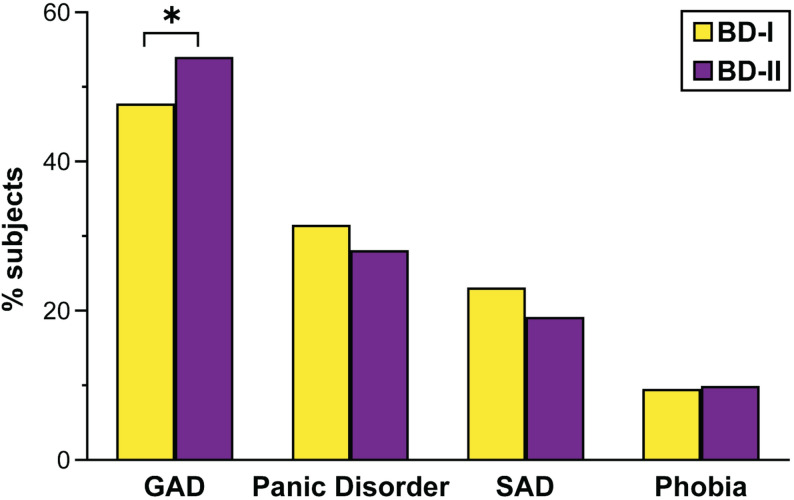 Figure 1
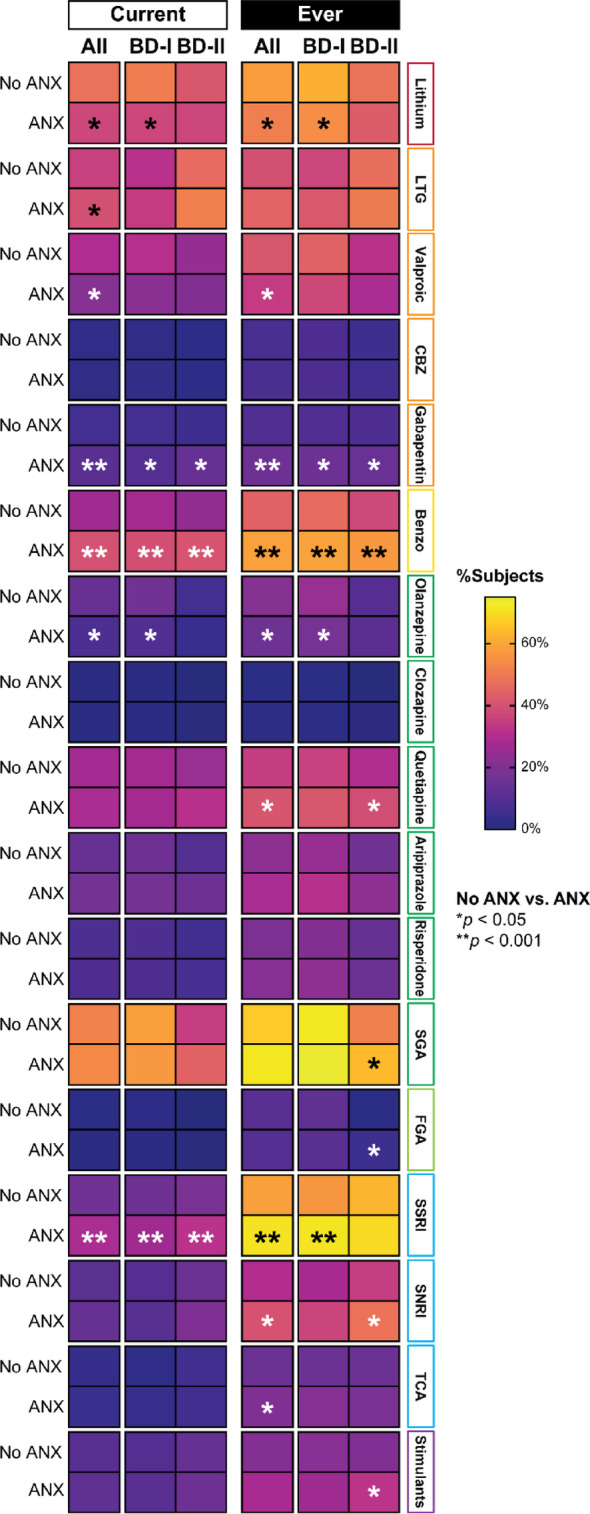 Figure 2
- —https://doi.org/10.13039/100006108National Center for Advancing Translational Sciences
- —The Mayo Clinic Bipolar Disorder Biobank was supported by the Marriott Foundation, and by the Thomas and Elizabeth Grainger Fund in Bipolar Functional Genomics and Drug Development.
Peer Reviews
No public reviews on file for this paper yet. If you reviewed it on a platform where reviews are public (OpenReview, ICLR, NeurIPS, ICML), you can paste yours below so the community can read it here.
Videos
No videos yet. Explain this paper in a talk, walkthrough, or lecture? Add one.
Taxonomy
TopicsBipolar Disorder and Treatment · Anxiety, Depression, Psychometrics, Treatment, Cognitive Processes · Tryptophan and brain disorders
Introduction
A significant challenge in effectively managing bipolar disorder (BD) is the high prevalence of comorbidities, particularly anxiety disorders (ANX) (Pavlova et al. 2015; Singh et al. 2024), with clinical estimates up to 60% (Kinrys et al. 2019; McIntyre et al. 2006; Pavlova et al. 2015; Singh et al. 2025b). Those with ANX are at increased risk for developing substance use disorders (SUDs) and frequently self-medicate with alcohol (Smith and Book 2008). Previous research has indicated that BD with comorbid ANX (BD + ANX) correlates with substantial functional impairment, risk for suicidality, and poor quality of life (Burdick et al. 2022; Simon et al. 2004). A recent systematic review reported the current prevalence of ANX in BD at approximately 38%, with generalized anxiety disorder (GAD) being the most common subtype (Yapici Eser et al. 2018). Although some studies suggest the lifetime risk of ANX may be as high as 60–85% (Merikangas et al. 2007; Mitchell et al. 2013), there remains a lack of consistent data on prevalence rates across bipolar I and bipolar II subtypes, as well as on associated clinical outcomes (Cullen et al. 2021; Galimberti et al. 2020; Kauer-Sant’Anna et al. 2009; Keck et al. 2006; Kinrys et al. 2019; Schaffer et al. 2012; Vazquez et al. 2014). There is a paucity of recent data examining pharmacotherapeutic approaches and treatment response differences among bipolar individuals with (BD + ANX) and without lifetime anxiety (BD+NoANX).
A critical discussion within the field of BD concerns the prescription rates of monoaminergic antidepressants (Elmosalamy et al. 2025; Park et al. 2022), which may vary between 30 and 70%, depending on the region and study populations (Singh et al. 2024; Yocum and Singh 2025). Evidence suggests that individuals with ANX are frequently prescribed monoaminergic antidepressants (Yatham et al. 2018), which may increase the risk of affective switching in BD. This raises the question of whether pharmacotherapy patterns differ between individuals with BD + ANX and BD+NoANX, with the former typically receiving higher rates of antidepressant prescriptions (Keck et al. 2006). Understanding these prescribing trends can inform clinical practices and contribute to strategies aimed at enhancing treatment outcomes in future research.
Recent data from the Global Bipolar Cohort Collaboration showed prevalence rates of BD + ANX as high as 60% in the North American cohorts compared to 30% in the European cohorts (Singh et al. 2024). We also observed regional variations in prescription patterns; however, data regarding the BD + ANX phenotype were not available. Leveraging data from the Mayo Clinic Bipolar Disorder Biobank, this study examined the differences in clinical and demographic characteristics as well as pharmacotherapeutic prescription patterns among individuals with BD + ANX and BD+NoANX. Furthermore, we analyzed prescription patterns among individuals with bipolar I (BD-I) and bipolar II disorder (BD-II) with and without ANX, as those with BD-II tend to be prescribed more monoaminergic antidepressants (Singh et al. 2024).
Methods
Detailed information about the Mayo Clinic Bipolar Disorder Biobank has been previously published (Frye et al. 2015). In summary, cross-sectional data were collected from study participants at enrollment (Gardea-Resendez et al. 2022; Pahwa et al., 2021b). Participants were recruited from five sites: Mayo Clinic, Rochester, Minnesota; Lindner Center of HOPE/University of Cincinnati College of Medicine, Cincinnati, Ohio; University of Minnesota, Minneapolis, Minnesota; Universidad Autónoma de Nuevo León, Mexico; and Universidad de los Andes, Chile. The inclusion criteria consisted of adults aged 18–80 with BD who spoke English at the U.S. sites and Spanish at Mexico and Chile sites, provided informed consent, and met DSM-IV-TR criteria for BD-I/BD-II or schizoaffective BD. Participants exhibiting active psychosis or suicidal ideation were excluded.
At the time of study enrollment, data were collected on demographics, family history, psychiatric conditions (including adult and childhood attention deficit hyperactivity disorder [ADHD], anorexia nervosa, bulimia nervosa, binge eating disorder (BED), GAD, obsessive-compulsive disorder (OCD), panic disorder, post-traumatic stress disorder (PTSD), and social anxiety disorder (SAD), medications, and somatic comorbidities. ANX and other psychiatric diagnoses were determined using the Bipolar Biobank Clinical Questionnaire and medical record documentation. Patients were classified as BD + ANX if they met criteria for one or more ANX. In the DSM-IV-TR, OCD and PTSD were classified under ANX; however, in the DSM-5, they were moved to independent diagnostic categories. For this study, only GAD, panic disorder, SAD, and phobias were categorized under the ANX category. Since most ANX persist as psychiatric diagnoses throughout an individual’s life, our study concentrated on lifetime ANX diagnoses. The overall burden of medical illness was measured using the Modified Cumulative Illness Rating Scale (MCIRS) (Salvi et al. 2008), with psychiatric comorbidity data excluded. Data for additional somatic comorbidities were extracted using structured surveys.
We collected data on current and lifetime prescriptions for second-generation antipsychotics (SGAs), and mood stabilizers, including lithium and mood-stabilizing anticonvulsants (MSACs) such as valproate, carbamazepine, and lamotrigine. Additional data were obtained for first-generation antipsychotics (FGAs), monoaminergic antidepressants—including selective serotonin reuptake inhibitors (SSRIs), serotonin-norepinephrine reuptake inhibitors (SNRIs), and tricyclic antidepressants (TCAs)—as well as benzodiazepines, gabapentinoids (gabapentin or pregabalin), stimulants, wakefulness-promoting agents, and dopamine agonists. We examined patterns of polypharmacotherapy, defined as the concurrent use of two or more SGAs or mood stabilizers, and assessed the frequency of monoaminergic antidepressant prescriptions without a concurrent mood stabilizer.
Treatment response to lithium, SGAs, and MSACs was assessed using the Alda-A score from the Alda Scale (Grof et al. 2002). The Alda-A score measures clinical improvement in illness severity during the treatment, rated from 0 (no improvement or worsening) to 10 (full recovery or absence of symptoms). The B score reflects the extent of confounding factors that may influence treatment response; a lower B score indicates a smaller contribution from confounding treatments. For patients with Alda-A scores for more than one mood stabilizer, we used the score from the treatment episode with the lowest B score. If they had a missing B score, we use the medication with non-missing B score. Although initially developed to retrospectively measure response to lithium, it has been modified to assess response to other mood stabilizers in previous studies (Cuellar-Barboza et al. 2020; Ho et al. 2020; Joseph et al. 2023; Pahwa et al. 2021a; Singh et al. 2025a).
Statistical analysis
Clinical and demographic characteristics were compared between participants with and without a lifetime anxiety diagnosis (BD + ANX and BD+NoANX, respectively) using the arsenal package in R. The modelsum function was applied to perform multiple univariate tests, using linear models for continuous variables and logistic models for categorical variables. All models were adjusted for age, sex, and recruitment site (Mayo Clinic, Lindner Center of HOPE, University of Minnesota, Chile, or Mexico). Given the large number of comparisons, a threshold of p < 0.001 was used to define statistical significance. Analyses were conducted using R version 4.2.2.
Results
The study cohort consisted of 2,225 adults with BD (1,451 BD-I, 723 BD-II, 51 schizoaffective disorder BD). The mean age was 41.6 years; 62.1% were female, 84.0% White, and 12.4% Hispanic (Table 1). Rapid cycling was prevalent in 57.1% of individuals, with a history of psychosis in 39.6%, and 38.1% had early onset of BD.
Table 1. Comparisons of demographic and clinical characteristics between individuals with BD, with and without ANX, adjusted for age, sex, and recruitment siteTotal(N = 2225)BD+NoANX(N = 859)BD + ANX(N = 1366)p-value ** Site of recruitment, ** n 22258591366Mayo, n (%)1154 (51.9%)495 (57.6%)659 (48.2%)< 0.001Lindner, n (%)770 (34.6%)219 (25.5%)551 (40.3%)University of Minnesota, n (%)75 (3.4%)29 (3.4%)46 (3.4%)Chile, n (%)75 (3.4%)51 (5.9%)24 (1.8%)Mexico, n (%)151 (6.8%)65 (7.6%)86 (6.3%)Age, n22198561363Mean (SD)41.6 (15.0)43.6 (15.9)40.4 (14.3) < 0.001 Sex, n22258591366Male, n (%)844 (37.9%)388 (45.2%)456 (33.4%) < 0.001* Female, n (%)1381 (62.1%)471 (54.8%)910 (66.6%)Race, n21918401351White, n (%)1840 (84.0%)705 (83.9%)1135 (84.0%)0.005*Black, n (%)62 (2.8%)18 (2.1%)44 (3.3%)Asian, n (%)22 (1.0%)15 (1.8%)7 (0.5%)Other, n (%)170 (7.8%)73 (8.7%)97 (7.2%)Multiracial, n (%)97 (4.4%)29 (3.5%)68 (5.0%)Hispanic, n21798331346Yes, n (%)271 (12.4%)124 (14.9%)147 (10.9%)0.223Body mass index, n21188181300Mean (SD)29.9 (7.4)29.4 (6.8)30.2 (7.7)0.094Currently married, n22018481353Yes, n (%)997 (45.3%)403 (47.5%)594 (43.9%)0.821Employment, n21068091297Full-time, n (%)544 (25.8%)226 (27.9%)318 (24.5%)0.012Part-time, n (%)401 (19.0%)170 (21.0%)231 (17.8%)Not working for pay at present, n (%)1161 (55.1%)413 (51.1%)748 (57.7%)Education, n21348141320High school or less, n (%)61 (2.9%)26 (3.2%)35 (2.7%)0.271High school graduated, n (%)284 (13.3%)97 (11.9%)187 (14.2%)Beyond high school graduation, n (%)1789 (83.8%)691 (84.9%)1098 (83.2%) Bipolar Disorder Characteristics Bipolar type, n22258591366Bipolar I, n (%)1451 (65.2%)573 (66.7%)878 (64.3%)0.234Bipolar II, n (%)723 (32.5%)263 (30.6%)460 (33.7%)Schizoaffective, n (%)51 (2.3%)23 (2.7%)28 (2.0%)Rapid cycling, n20837831300Yes, n (%)1189 (57.1%)354 (45.2%)835 (64.2%) < 0.001 History of psychosis, n22078521355Yes, n (%)874 (39.6%)352 (41.3%)522 (38.5%)0.302Manic psychosis, n22078521355Yes, n (%)693 (31.4%)301 (35.3%)392 (28.9%)0.012Early onset (≤ 19 years old), n20947911303Yes, n (%)797 (38.1%)275 (34.8%)522 (40.1%)0.016Suicide attempt, n22118541357Yes, n (%)760 (34.4%)212 (24.8%)548 (40.4%) < 0.001 Suicide attempt (≤ 19 years old), n571156415Yes, n (%)256 (44.8%)66 (42.3%)190 (45.8%)0.457 Lifetime Psychiatric Illness History Childhood ADHD, n21858531332Yes, n (%)347 (15.9%)110 (12.9%)237 (17.8%)0.015Anorexia or bulimia, n22008571343Yes, n (%)194 (8.8%)50 (5.8%)144 (10.7%)0.005Binge eating disorder, n22028551347Yes, n (%)270 (12.3%)64 (7.5%)206 (15.3%) < 0.001 Post-traumatic stress disorder, n22028551347Yes, n (%)574 (26.1%)108 (12.6%)466 (34.6%) < 0.001 Obsessive compulsive disorder, n21968571339Yes, n (%)358 (16.3%)73 (8.5%)285 (21.3%) < 0.001
Lifetime Substance Use Disorder Substance use disorder, n21358361299Yes, n (%)1283 (60.1%)458 (54.8%)825 (63.5%) < 0.001 Tobacco use disorder, n22008541346Yes, n (%)880 (40.0%)300 (35.1%)580 (43.1%) < 0.001 Alcohol use disorder, n22078561351Yes, n (%)879 (39.8%)308 (36.0%)571 (42.3%)0.002Cocaine use disorder, n21938521341Yes, n (%)313 (14.3%)90 (10.6%)223 (16.6%) < 0.001 Cannabis use disorder, n22058551350Yes, n (%)658 (29.8%)209 (24.4%)449 (33.3%) < 0.001 Methamphetamine use disorder, n22008551345Yes, n (%)200 (9.1%)60 (7.0%)140 (10.4%)0.002Opioid use disorder, n21898541335Yes, n (%)230 (10.5%)59 (6.9%)171 (12.8%) < 0.001
Family History (First-degree Relatives) Bipolar disorder, n16926481044Yes, n (%)799 (47.2%)261 (40.3%)538 (51.5%) < 0.001 Anxiety, n722296426Yes, n (%)439 (60.8%)147 (49.7%)292 (68.5%) < 0.001 Depression, n18777071170Yes, n (%)1505 (80.2%)513 (72.6%)992 (84.8%) < 0.001 Alcohol use disorder, n18947211173Yes, n (%)928 (49.0%)294 (40.8%)634 (54.0%) < 0.001 Suicide, n18737211152Yes, n (%)167 (8.9%)55 (7.6%)112 (9.7%)0.124MCIRS, mean (SD)6.19 (6.57)5.42 (6.21)6.68 (6.75) < 0.001 Medical comorbidities, n758312446Hypertension, n (%)130 (17.2%)52 (16.7%)78 (17.5%)0.522Musculoskeletal, integumentary, n (%)6 (0.8%)2 (0.6%)4 (0.9%)0.707Eczema, n (%)69 (9.1%)27 (8.7%)42 (9.4%)0.275Psoriasis, n (%)24 (3.2%)10 (3.2%)14 (3.1%)0.721Vitiligo, n (%)4 (0.5%)2 (0.6%)2 (0.4%)0.390Diabetes, n (%)58 (7.7%)21 (6.7%)37 (8.3%)0.193PCOS, n (%)40 (5.3%)11 (3.5%)29 (6.5%)0.172Thyroid, n (%)135 (17.8%)61 (19.6%)74 (16.6%)0.734Rheum arthritis, n (%)14 (1.8%)5 (1.6%)9 (2.0%)0.529Fibromyalgia, n (%)44 (5.8%)11 (3.5%)33 (7.4%)0.068Stroke, n (%)4 (0.5%)1 (0.3%)3 (0.7%)0.882Epilepsy, n (%)50 (6.6%)11 (3.5%)39 (8.7%)0.038Obstructive sleep apnea, n (%)82 (10.8%)32 (10.3%)50 (11.2%)0.666Migraines, n (%)223 (29.4%)59 (18.9%)164 (36.8%) < 0.001 Osteoporosis, n (%)31 (4.1%)7 (2.2%)24 (5.4%)0.010Osteoarthritis, n (%)94 (12.4%)28 (9.0%)66 (14.8%)0.098COPD, n (%)23 (3.0%)8 (2.6%)15 (3.4%)0.345Obesity, n21188181300Yes, n (%)888 (41.9%)317 (38.8%)571 (43.9%)0.140Current psychotropics, n22168541362Mean (SD)2.72 (1.58)2.50 (1.47)2.86 (1.63) < 0.001 Lifetime psychotropics, n22168541362Mean (SD)6.68 (5.46)5.74 (4.77)7.23 (5.77) < 0.001 Antidepressant-induced mania, n184867211760.207Mean (SD)384 (20.8%)118 (17.6%)266 (22.6%)Tardive dyskinesia, n729293436Yes, n (%)67 (9.2%)25 (8.5%)42 (9.6%)0.391*Not adjusted for age, sex, and site of recruitment
90% of ANX data came from the US, with the rest from Mexico and Chile. Overall, 61.4% (n = 1366) had ANX, with similar rates in BD-I (66.7%) and BD-II (64.3%). Among individuals with BD-I and BD-II, the most common ANX was GAD (50%), followed by panic disorder (30.3%), SAD (21.8%), and phobias (9.6%). There was a trend toward a higher prevalence of GAD in BD-II compared to BD-I (54.0% vs. 47.7%, p = 0.02), although this did not meet the prespecified threshold of p < 0.001; rates of other ANX disorders were similar across BD subtypes (Fig. 1).
Fig. 1. Prevalence of Anxiety Disorders in Bipolar I and Bipolar II disorders. GAD: generalized anxiety disorder; SAD: social anxiety disorder. *p < 0.05 (trend-level)
Comparison of individuals with BD + ANX (n = 1366) and BD+NoANX (n = 859)
Table 1 shows the comparisons of demographic and clinical characteristics between individuals with BD + ANX and BD+NoANX, adjusted for age, sex, and recruitment site. Individuals with BD + ANX were younger (mean age 40.4 vs. 43.6 years, p < 0.001) and more likely female (66.6% vs. 54.8%, p < 0.001) compared to those with BD+NoANX. They exhibited higher rates of rapid cycling (64.2% vs. 45.2%, p < 0.001), BED (12.3% vs. 7.5%, p < 0.001), PTSD (34.6% vs. 12.6%, p < 0.001), OCD (21.3% vs. 8.5%, p < 0.001), and SUDs (63.5% vs. 54.8%, p < 0.001). Suicidal attempts (40.4% vs. 24.8%, p < 0.001), tobacco use disorder (43.1% vs. 35.1%, p < 0.001), cocaine use disorder (16.6% vs. 10.6%, p < 0.001), cannabis use disorder (33.3% vs. 24.4%, p < 0.001), and opioid use disorder (12.8% vs. 6.9%, p < 0.001) were more prevalent in individuals with BD + ANX, while alcohol use disorder (42.3% vs. 36.0%, p = 0.002) and methamphetamine use disorder (10.4% vs. 7.0%, p = 0.002) showed trend-level differences. A family history of BD (51.5% vs. 40.3%, p < 0.001), anxiety (68.5% vs. 49.7%, p < 0.001), depression (84.8% vs. 72.6%, p < 0.001), and alcohol use disorder (54.0% vs. 40.8%, p < 0.001) was also more common in BD + ANX group. Individuals with BD + ANX had higher MCIRS scores (6.68 vs. 5.42, p < 0.001), more migraines (36.8% vs. 18.9%, p < 0.001), and more current (2.86 vs. 2.50, p < 0.001) and lifetime use of psychotropics (7.27 vs. 5.74, p < 0.001).
Pharmacotherapeutic differences among individuals with BD + ANX (n = 1366) and BD+NoANX (n = 859)
Individuals with BD + ANX (n = 1366) differed significantly from those with BD+NoANX (n = 859) across multiple pharmacotherapeutic variables (Table 2; Fig. 2). Individuals with BD + ANX were less likely to be currently prescribed lithium, a trend‑level difference (37.1% vs. 47.8%, p = 0.005), and showed a trend towards lower valproic acid use (21.7% vs. 29.6%, p = 0.047). In contrast, they were significantly more likely to receive gabapentinoids (8.5% vs. 4.5%, p < 0.001) and benzodiazepines (39.9% vs. 26.6%, p < 0.001). They were also significantly more likely to receive antidepressant treatment (53.8% vs. 39.5%, p < 0.001), including two or more concurrent antidepressants (13.0% vs. 6.9%, p < 0.001), particularly SSRIs (28.8% vs. 16.8%, p < 0.001), and to be prescribed antidepressants without a concomitant mood stabilizer (17.3% vs. 9.7%, p < 0.001). Olanzapine prescriptions were lower among individuals with BD + ANX at a trend-level (8.0% vs. 14.0%, p = 0.008), and there was a trend toward slightly higher lamotrigine use (39.7% vs. 35.8%, p = 0.027). No significant differences were observed for carbamazepine, quetiapine, FGAs, thyroid hormones, stimulants, or dopamine agonists.
Table 2. Differences in pharmacotherapeutic prescriptions among individuals with bipolar disorder, with and without comorbid anxiety disorder (ANX)Total(N = 2225)BD+NoANX(N = 859)BD + ANX(N = 1366)p-value* Current Prescriptions Lithium, n15165799370.005Yes, n (%)625 (41.2%)277 (47.8%)348 (37.1%)Lamotrigine, n170062810720.027Yes, n (%)651 (38.3%)225 (35.8%)426 (39.7%)Valproic acid, n163863110070.047Yes, n (%)406 (24.8%)187 (29.6%)219 (21.7%)Carbamazepine, n15435789650.807Yes, n (%)43 (2.8%)15 (2.6%)28 (2.9%)Gabapentinoids, n21988481350 < 0.001 Yes, n (%)153 (7.0%)38 (4.5%)115 (8.5%)Benzodiazepines, n19857431242 < 0.001 Yes, n (%)693 (34.9%)198 (26.6%)495 (39.9%)Non-BZD sedatives, n197474012340.387Yes, n (%)154 (7.8%)52 (7.0%)102 (8.3%)SGA, n209280112910.635Yes, n (%)1110 (53.1%)418 (52.2%)692 (53.6%)Olanzapine, n15446019430.008Yes, n (%)159 (10.3%)84 (14.0%)75 (8.0%)Clozapine, n15145859290.740Yes, n (%)23 (1.5%)9 (1.5%)14 (1.5%)Quetiapine, n162562010050.141Yes, n (%)461 (28.4%)171 (27.6%)290 (28.9%)Aripiprazole, n15665999670.353Yes, n (%)250 (16.0%)84 (14.0%)166 (17.2%)Risperidone, n15515979540.735Yes, n (%)128 (8.3%)48 (8.0%)80 (8.4%)FGA, n15836029810.388Yes, n (%)25 (1.6%)12 (2.0%)13 (1.3%)Any antidepressants, n21027831319 < 0.001 Yes, n (%)1018 (48.4%)309 (39.5%)709 (53.8%)Two or more antidepressants, n21027831319 <0.001 Yes, n (%)226 (10.8%)54 (6.9%)172 (13.0%)SSRI, n20787721306 < 0.001 Yes, n (%)506 (24.4%)130 (16.8%)376 (28.8%)SNRI, n176465611080.254Yes, n (%)228 (12.9%)77 (11.7%)151 (13.6%)TCA, n189468412100.140Yes, n (%)83 (4.4%)26 (3.8%)57 (4.7%)Antidepressant without MS, n21608281332 < 0.001 Yes, n (%)311 (14.4%)80 (9.7%)231 (17.3%)Thyroid hormone, n11854317540.067Yes, n (%)262 (22.1%)113 (26.2%)149 (19.8%)Stimulants/wakefulness agents, n167561010650.939Yes, n (%)199 (11.9%)67 (11.0%)132 (12.4%)Dopamine agonist, n168461810660.769Yes, n (%)24 (1.4%)9 (1.5%)15 (1.4%)Two or more SGA, n209280112910.430Yes, n (%)91 (4.3%)39 (4.9%)52 (4.0%)One or more MS, n216583313320.060Yes, n (%)1503 (69.4%)617 (74.1%)886 (66.5%)Two or more MSs, n216583313320.597Yes, n (%)220 (10.2%)87 (10.4%)133 (10.0%)Three or more MSs, n216583313320.957Yes, n (%)2 (0.1%)0 (0.0%)2 (0.2%)No MS, n216583313320.060Yes, n (%)662 (30.6%)216 (25.9%)446 (33.5%)No medications, n221685413620.762Yes, n (%)183 (8.3%)62 (7.3%)121 (8.9%) Lifetime Prescriptions Lithium ever,** n187671711590.030Yes, n (%)1009 (53.8%)415 (57.9%)594 (51.3%)Lamotrigine ever, n206378112820.150Yes, n (%)880 (42.7%)310 (39.7%)570 (44.5%)Valproate ever, n207178312880.013Yes, n (%)769 (37.1%)323 (41.3%)446 (34.6%)Gabapentinoids ever, n21988481350 < 0.001 Yes, n (%)286 (13.0%)75 (8.8%)211 (15.6%)Benzodiazepines ever, n19857431242 < 0.001 Yes, n (%)1060 (53.4%)330 (44.4%)730 (58.8%)FGA ever, n15836029810.897n (%)163 (10.3%)66 (11.0%)97 (9.9%)SGA ever, n209280112910.172n (%)1457 (69.6%)534 (66.7%)923 (71.5%)Olanzapine ever, n204378812550.034Yes, n (%)374 (18.3%)171 (21.7%)203 (16.2%)Quetiapine ever, n205078812620.010Yes, n (%)787 (38.4%)274 (34.8%)513 (40.6%)Aripiprazole ever, n204278512570.386n (%)543 (26.6%)178 (22.7%)365 (29.0%)Risperidone ever, n204578912560.773n (%)419 (20.5%)153 (19.4%)266 (21.2%)Any antidepressant ever, n21027831319 < 0.001 n (%)1710 (81.4%)590 (75.4%)1120 (84.9%)SSRI ever, n20787721306 < 0.001 Yes, n (%)1373 (66.1%)452 (58.5%)921 (70.6%)SNRI ever, n176465611080.002Yes, n (%)644 (36.5%)200 (30.5%)444 (40.1%)TCA ever, n189468412100.012Yes, n (%)350 (18.5%)105 (15.4%)245 (20.2%)Antidepressant without MS ever, n21648311333 < 0.001 n (%)267 (12.3%)72 (8.7%)195 (14.6%)Thyroid hormone ever, n11854317540.300n (%)120 (10.1%)51 (11.8%)69 (9.2%)Stimulants/wakefulness agents ever, n167561010650.060n (%)432 (25.8%)129 (21.1%)303 (28.5%)Dopamine agonist ever, n168461810660.736n (%)44 (2.6%)17 (2.8%)27 (2.5%)Two or more SGAs ever, n209280112910.866n (%)640 (30.6%)229 (28.6%)411 (31.8%)One or more MS ever, n216583313320.043n (%)1799 (83.1%)714 (85.7%)1085 (81.5%)Two or more MSs ever, n216583313320.873n (%)721 (33.3%)279 (33.5%)442 (33.2%)Three or more MSs ever, n216583313320.415n (%)249 (11.5%)101 (12.1%)148 (11.1%)No MS ever, n216583313320.043n (%)366 (16.9%)119 (14.3%)247 (18.5%)No medications ever, n**221685413620.827n (%)36 (1.6%)15 (1.8%)21 (1.5%)*Models adjusted for age, sex, and recruitment siteANX: anxiety disorders; BZD: benzodiazepines; FGA: first-generation antipsychotics; MS: mood stabilizer (includes valproate, lamotrigine, carbamazepine, and lithium); SGA: second-generation antipsychotic; SNRI: serotonin-norepinephrine reuptake inhibitor; SSRI: selective serotonin reuptake inhibitor; TCA: tricyclic antidepressant
Fig. 2. Current and lifetime pharmacotherapeutic prescribing patterns among individuals with bipolar disorder, with and without comorbid anxiety disorders (ANX), by Bipolar I and Bipolar II subtypes. Benzo: benzodiazepines; CBZ: carbamazepine; FGA: first-generation antipsychotics; SGA: second-generation antipsychotics; SNRI: serotonin-norepinephrine reuptake inhibitor; SSRI: selective serotonin reuptake inhibitor; TCA: tricyclic antidepressants. *p < 0.05 (trend-level);. **p < 0.001
Lifetime treatment patterns mirrored these trends: individuals with BD + ANX showed a trend toward lower lifetime use of lithium (51.3% vs. 57.9%, p = 0.030) and a trend toward lower valproate use (34.6% vs. 41.3%, p = 0.013) but were significantly more likely to have received gabapentinoids (15.6% vs. 8.8%, p < 0.001), benzodiazepines (58.8% vs. 44.4%, p < 0.001), SSRIs (70.6% vs. 58.5%, p < 0.001), and SNRIs (40.1% vs. 30.5%, p = 0.002; trend-level). They were also more likely to have been treated with antidepressants without a mood stabilizer (14.6% vs. 8.7%, p < 0.001).
Pharmacotherapeutic differences among individuals with BD-I and ANX (n = 878) and those without ANX (n = 573)
Among individuals with BD-I (ANX n = 878; NoANX n = 573), significant differences were observed in several pharmacotherapeutic variables (Supplementary Table 1, Fig. 2). Individuals with BD-I + ANX were less likely to be currently prescribed lithium, a trend‑level difference (37.1% vs. 50.7%, p = 0.009), while valproic acid (22.4% vs. 31.2%, p = 0.137) and lamotrigine use (34.6% vs. 31.8%, p = 0.092) showed no statistically significant differences. There was a trend toward higher use of gabapentinoids (7.8% vs. 4.8%, p = 0.041) and significantly higher use of benzodiazepines (39.4% vs. 27.7%, p < 0.001). Olanzapine prescriptions trended lower among individuals with BD-I + ANX (9.4% vs. 16.9%, p = 0.023), while no significant differences were observed for carbamazepine, quetiapine, aripiprazole, risperidone, FGAs, or SGA overall. Regarding antidepressants, individuals with BD-I + ANX were significantly more likely to be prescribed any antidepressant (48.8% vs. 37.0%, p < 0.001), two or more concurrent antidepressants (10.5% vs. 4.0%, p < 0.001), and SSRIs (26.5% vs. 15.5%, p < 0.001), and demonstrated a trend‑level higher likelihood of receiving antidepressants without a concomitant mood stabilizer (15.9% vs. 7.7%, p = 0.001). Thyroid hormone use was lower at a trend level among ANX individuals (17.2% vs. 27.2%, p = 0.014).
Lifetime treatment patterns reflected similar trends: individuals with BD-I + ANX showed a trend toward lower lithium use (54.6% vs. 61.9%, p = 0.035) and a trend toward higher use of gabapentinoids (15.6% vs. 9.0%, p = 0.015), and quetiapine (41.3% vs. 35.7%, p = 0.052). They were also more likely to have received benzodiazepines (59.2% vs. 46.7%, p < 0.001) and SSRIs (70.9% vs. 56.6%, p < 0.001), with only these reaching statistical significance.
Pharmacotherapeutic differences among individuals with BD-II and ANX (n = 460) and those without ANX (n = 263)
Among individuals with BD-II (ANX n = 460; No ANX n = 263), similar differences emerged in pharmacotherapy patterns (Supplementary Table 2, Fig. 2). Individuals with BD-II + ANX were more likely to receive gabapentinoids, a trend‑level difference (9.5% vs. 3.5%, p = 0.005) and were significantly more likely to receive benzodiazepines (40.3% vs. 24.1%, p < 0.001) compared to those without ANX. They were also significantly more likely to be prescribed SSRIs (31.8% vs. 18.9%, p < 0.001) and any antidepressant (62.6% vs. 43.9%, p < 0.001). There was a trend-level increase in antidepressant use without a mood stabilizer (19.2% vs. 13.0%, p = 0.046). Current use of lamotrigine (51.4% vs. 46.6%, p = 0.313) and valproic acid (21.0% vs. 24.9%, p = 0.452) did not differ significantly, nor did prescriptions for carbamazepine, quetiapine, aripiprazole, risperidone, FGAs, or thyroid hormones.
Lifetime treatment patterns reflected similar trends: individuals with BD-II + ANX showed a trend toward higher gabapentinoid use (15.0% vs. 8.5%, p = 0.015), trend-level higher SNRI use (48.2% vs. 35.2%, p = 0.002), and were significantly more likely to have received benzodiazepines (57.2% vs. 37.7%, p < 0.001). There was also a trend toward higher quetiapine use (39.0% vs. 30.2%, p = 0.030) and trend-level higher overall SGA use (64.2% vs. 51.7%, p = 0.003). In contrast, lifetime lithium and valproate use showed no significant differences.
Effect of comorbid ANX on Pharmacological treatment response in BD
Individuals with BD + ANX demonstrated significantly lower treatment responses to lithium (4.91 vs. 6.05, p < 0.001) and significantly lower responses to SGAs (4.67 vs. 5.73, p < 0.001), as measured by Alda A scores (Table 3). Responses to MSACs showed a trend‑level reduction (5.16 vs. 6.01, p = 0.005). Sensitivity analyses excluding individuals with Alda B scores > 4 showed similar patterns in pharmacological treatment response (Alda A scores): individuals with BD+ANX exhibited trend-level lower responses to lithium (5.00 vs. 6.12, p = 0.008), SGAs (4.66 vs. 5.67, p = 0.002), and MSACs (5.24 vs. 6.01, p = 0.036).This pattern of reduced treatment response was evident in both BD-I and BD-II subtypes. However, the differences between groups were less pronounced in BD-II than in BD-I, and the bipolar II comparisons were further limited by smaller sample sizes.
Table 3. Treatment responses of lithium, mood-stabilizing anticonvulsants (MSACs) and second-generation antipsychotics (SGAs), measured by Alda A scores, in individuals with bipolar disorder with and without comorbid anxiety disorders (ANX)AllBD-IBD-IINoANXANXp*-valueNoANXANXp-valueNoANXANXp-valueLithium response (Alda-A), n289404 < 0.001 2183000.00466920.183Mean (SD)6.05 (2.65)4.91 (2.93)6.28 (2.59)5.07 (2.88)5.21 (2.78)4.39 (3.03)MSACs (Alda-A), n2323870.0051532480.011781380.165Mean (SD)6.01 (2.56)5.16 (2.59)6.12 (2.46)5.08 (2.53)5.77 (2.76)5.26 (2.67)SGAs (Alda-A), n230309 < 0.001 1312570.002461000.080Mean (SD)5.73 (2.56)4.67 (2.69)5.87 (2.58)4.69 (2.70)5.48 (2.51)4.65 (2.71)*Including BD-I, BD-II and schizoaffective (bipolar type)
Discussion
This study represents one of the largest systematic examinations of the clinical, demographic, and pharmacotherapeutic differences between individuals with BD + ANX and BD+NoANX. Our findings reveal that anxiety comorbidity in BD is associated with a more complex clinical presentation, greater psychiatric and somatic burden, distinct prescribing patterns, and poorer treatment response to mood stabilizers. These observations have important implications for clinical management and highlight the need for tailored therapeutic approaches in this phenotypically distinct subgroup.
Clinical and demographic characteristics
Individuals with BD + ANX demonstrated a significantly more severe clinical profile compared to those of BD+NoANX. The higher prevalence of rapid cycling, suicide attempts, and multiple SUDs in the BD + ANX group suggests a more treatment-refractory illness course. Consistent with previous research showing that ANX emerge earlier and are more common in women (Simon et al. 2004; Vazquez et al. 2014), our BD + ANX group demonstrated younger age and female predominance. This pattern supports the hypothesis that anxiety may be an early predictor of BD onset (McElroy et al. 2001). Our findings align with a prior systematic review showing greater SUD prevalence and poorer treatment response in individuals with BD + ANX (Vazquez et al. 2014). The association with a history of suicide attempts is consistent with data from the Systematic Treatment Enhancement Program for Bipolar Disorder (Simon et al. 2004), reinforcing that the ANX phenotype reflects a more severe clinical profile. The substantially elevated rates of PTSD, BED, and OCD in the BD + ANX cohort further underscore the complex psychiatric burden characterizing this population. We combined heterogeneous ANX into a single cluster due to similar rates across subtypes and limited statistical power for subtype analyses. However, this approach may obscure differential effects, as certain ANX (e.g., GAD, panic disorder) may influence treatment outcomes more substantially than others (e.g., specific phobias). Future longitudinal studies with larger samples examining individual anxiety subtypes and functional outcomes would clarify their differential impacts on treatment response in BD.
The familial aggregation patterns observed in our study are particularly noteworthy. Individuals with BD + ANX had significantly higher rates of family history across multiple psychiatric conditions, including BD, ANX, depression, and alcohol use disorder. This may suggest potential shared genetic vulnerabilities (Williams et al. 2024) or environmental factors that predispose to both mood and anxiety pathology, consistent with emerging evidence of common neurobiological substrates underlying these disorders (Lopes et al. 2020; Maki et al. 2025). One hypothesis suggests that both disorders may share a core fronto-limbic network, characterized by overlapping amygdala hyperactivation and impaired prefrontal cortex regulation (Bi et al. 2022).
The increased medical comorbidity burden, as reflected by higher MCIRS scores and elevated migraine prevalence in the BD + ANX group, aligns with the growing recognition that psychiatric comorbidity often parallels increased somatic illness (Romo-Nava et al. 2021). The substantially higher medication burden—both current and lifetime—in the ANX comorbid group likely reflects both the greater clinical complexity and the challenges in achieving symptom control in this population (Feske et al. 2000).
Pharmacotherapeutic patterns and implications
A key finding of this study is the distinct pharmacotherapeutic patterns observed between individuals with and without comorbid ANX. Individuals with BD + ANX were significantly less likely to receive lithium and valproic acid, medications with robust evidence for mood stabilization and suicide prevention in BD. Conversely, they were more likely to be prescribed monoaminergic antidepressants, including SSRIs and SNRIs, as well as adjunctive agents such as benzodiazepines and gabapentinoids. Our findings are consistent with prior reports showing higher rates of antidepressant prescriptions among individuals with BD + ANX (Galimberti et al. 2020; Keck et al. 2006; Vazquez et al. 2014). Notably, a substantial proportion of BD + ANX individuals received antidepressants without concurrent mood stabilizers—a pattern that may increase risk of affective instability, rapid cycling, and mood switching, particularly in BD-I. It remains unclear whether unimodal antidepressant use, lower rates of lithium/MSAC use, anxiety comorbidity itself, or associated substance use comorbidity drives illness severity measures such as cycle acceleration and mood switching (Altshuler et al. 1995).
The lower utilization of lithium and valproate in the BD + ANX group may reflect multiple factors. Clinicians may avoid these agents due to concerns about tolerability, narrow therapeutic windows, or monitoring requirements in patients already managing complex medication regimens. The reduced valproate prescribing may also reflect growing safety concerns, particularly in women of childbearing potential due to teratogenic risks (Freeman 2022) and, more recently, emerging recommendations in European guidelines to exercise caution even in men (Singh et al. 2025b). Lamotrigine emerged as a notable exception, with slightly higher utilization in the BD + ANX group, particularly among those with BD-II. This pattern may reflect lamotrigine’s favorable tolerability profile and its efficacy in preventing depressive episodes (Keck et al. 2006). The preference for antidepressants may stem from attempts to target depressive and anxious symptoms concurrently, despite limited evidence supporting antidepressant monotherapy in BD (Elmosalamy et al. 2025). The increased prescription of benzodiazepines and gabapentinoids likely represents symptomatic management of anxiety, though benzodiazepines carry risks of dependence and may not address underlying mood dysregulation. The relative safety of gabapentinoids, and their evidence base for use in GAD and SAD, without increasing the risk of affective switching, highlight their potential role in this specific phenotype (Frye and Singh 2024; Rickels et al. 2005). The observation that individuals with BD + ANX received significantly more lifetime medications underscores the complexity of treating this difficult-to-treat population.
Treatment response and clinical outcomes
Perhaps most clinically significant is the substantially poorer treatment response to mood stabilizers among individuals with BD + ANX, as measured by the Alda-A score. Mean response scores for lithium, MSACs, and SGAs were all significantly lower in the anxiety comorbid group across both BD subtypes, with the most pronounced differences in BD-I. These findings suggest ANX comorbidity may represent a negative prognostic indicator associated with attenuated response to standard mood stabilizers. This finding aligns with previous research indicating that anxiety is a predictor of poor outcomes in BD (Feske et al. 2000; Gaudiano and Miller 2005; Simon et al. 2004). This treatment resistance may reflect distinct neurobiological underpinnings—such as hyperactive fear circuitry, dysregulated stress response systems, or altered serotonergic, GABAergic, and dopaminergic neurotransmission—not adequately addressed by conventional mood stabilizers (Freeman et al. 2002). Additionally, chronic anxiety symptoms may perpetuate mood instability (Coryell et al. 2012) through behavioral mechanisms including sleep disruption and substance use as self-medication.
The BD + ANX group showed diminished lithium response, consistent with earlier reports of reduced efficacy in comorbid anxiety (Feske et al. 2000; Young et al. 1993), despite lithium’s antisuicidal effects. A recent open-label trial suggests lithium may improve comorbid anxiety in bipolar disorder, with similar effects at low (< 0.5) and high (> 0.5) doses, and improvements correlated with depressive symptoms (Jones et al. 2022). We lack lithium dose data and adherence information in our cohort, which should be addressed in future studies. However, randomized controlled trial evidence for this population remains limited (Kauer-Sant’Anna et al. 2009; Yatham et al. 2018). It is unclear whether anxiety comorbidity alters the neurobiology of BD, reducing lithium responsiveness, or whether factors such as suboptimal dosing, adherence challenges, or early discontinuation contribute. The cross-sectional design of this study limits causal conclusions, highlighting the need for future research using longitudinal treatment data and objective adherence measures.
Subtype-Specific considerations
Subgroup analyses revealed shared and distinct patterns in BD-I and BD-II with comorbid anxiety. In both subtypes, anxiety was associated with increased antidepressant use, higher rates of benzodiazepine and gabapentinoid prescriptions, and reduced lithium utilization. However, several differences emerged. Among individuals with BD-I, anxiety comorbidity was associated with significantly lower olanzapine use and reduced thyroid hormone supplementation. In contrast, individuals with BD-II + ANX showed higher lifetime use of SGAs, particularly quetiapine, possibly reflecting its efficacy for both BD depression and GAD.
GAD was more prevalent in BD-II than BD-I, consistent with the depressive predominance of BD-II and the frequent co-occurrence of anxiety with depressive states. The particularly high rate of antidepressant monotherapy in BD-II individuals with anxiety (19.2% without mood stabilizer coverage) raises concerns about potential mood destabilization, even though the risk of treatment-emergent mania may be lower in BD-II than BD-I.
Clinical and research implications
The findings of this study have several important clinical implications. First, the presence of comorbid ANX should be recognized as a marker of illness severity and treatment complexity in BD. Clinicians should maintain heightened vigilance for suicide risk, substance use, and somatic comorbidities in this population, implementing comprehensive assessment and monitoring strategies. Second, the prevalent use of antidepressant monotherapy in the BD + ANX group—particularly without mood stabilizer coverage—warrants critical reconsideration. Antidepressant-induced activation, agitation, and insomnia may mimic or exacerbate anxiety symptoms, potentially perpetuating inappropriate antidepressant use through symptom misattribution. While anxiety symptoms are distressing and merit treatment, antidepressant monotherapy in BD carries risks of mood destabilization. Current clinical guidelines recommend mood stabilizer therapy as the foundation of BD treatment, with adjunctive agents added as needed for residual symptoms. Our data suggest this principle may be frequently overlooked in individuals with prominent anxiety, potentially contributing to the poorer outcomes observed in this group. Third, the reduced treatment response to standard mood stabilizers in BD + ANX highlights the need for alternative or augmentation strategies. Potential approaches might include psychotherapy (particularly cognitive-behavioral therapy with anxiety-specific modules), optimization of mood stabilizer dosing before adding additional agents, or investigation of novel pharmacological targets. Short-term (8 weeks) data support quetiapine as a helpful option for BD + ANX (Hirschfeld et al. 2006; Sheehan et al. 2013).
Limitations
Several limitations of this study merit consideration. First, the cross-sectional design precludes causal inferences about the relationships between ANX comorbidity, prescribing patterns, and treatment outcomes. Because data on current anxiety symptoms were not available, we were unable to assess the influence of symptom severity on pharmacotherapeutic patterns. Our study did not capture the anxious distress specifier (Bartoli et al. 2024), limiting our ability to distinguish persistent comorbid ANX from episodic anxious distress during mood episodes. Additionally, we did not assess predominant polarity, which may be associated with anxiety comorbidity and could confound the observed relationships between anxiety and treatment outcomes (Bartoli et al. 2024). Future studies incorporating both measures would provide more comprehensive characterization of anxiety presentations in bipolar disorder and their treatment implications. Longitudinal studies tracking symptom trajectories and medication changes over time would provide more definitive insights. Second, ANX diagnoses were determined at enrollment and may not reflect the full longitudinal course of anxiety symptoms, which can fluctuate with mood state. Third, our sample was predominantly recruited from U.S. sites and largely composed of white participants, with limited representation from Mexico and Chile, which may limit generalizability. Fourth, we did not assess affective temperaments, which may influence clinical presentation and treatment response in BD (Fico et al. 2023; Karam et al. 2023). Anxious temperament could potentially mediate the observed associations between anxiety comorbidity and treatment outcomes, limiting our ability to distinguish effects of ANX from underlying temperamental vulnerabilities. Fifth, our dataset did not include information on mixed features, which frequently co-occur with ANX in BD (Bartoli et al. 2020). Mixed states may confound the observed associations between anxiety comorbidity and treatment outcomes. Finally, we did not have detailed data on antidepressant treatment duration, dosing, or specific indications, which would help clarify whether these agents were prescribed primarily for anxiety, depression, or both.
Conclusions
This large-scale study reports that 60% of individuals with BD have comorbid ANX, forming a clinically distinct subgroup with greater psychiatric and somatic complexity, unique pharmacotherapy patterns, and reduced response to standard mood stabilizers. Widespread antidepressant use—often without adequate mood stabilizer coverage—and high benzodiazepine use raise concerns about current prescribing practices. These findings require replication and emphasize the need for anxiety-informed treatment strategies, further research into neurobiological mechanisms of poor treatment response, and more intensive monitoring and tailored interventions for this high-risk population.
Supplementary Information
Below is the link to the electronic supplementary material.
Supplementary Material 1
The reference list from the paper itself. Each links out to its DOI / PubMed record.
- 1Freeman MP. Prescribing guideline for valproic acid and women of reproductive potential: forget it exists. J Clin Psychiatry. 2022;83. 10.4088/JCP.22ed 14609.10.4088/JCP.22ed 1460936244029 · doi ↗ · pubmed ↗
- 2Joseph B, Nunez NA, Pazdernik V, Kumar R, Pahwa M, Ercis M, Ozerdem A, Cuellar-Barboza AB, Romo-Nava F, Mc Elroy SL, Coombes BJ, Biernacka JM, Stan MN, Frye MA, Singh B. Long-Term lithium therapy and thyroid disorders in bipolar disorder: A historical cohort study. Brain Sci. 2023;13. 10.3390/brainsci 13010133.10.3390/brainsci 13010133 PMC 985684636672114 · doi ↗ · pubmed ↗
- 3Pahwa M, Joseph B, Nunez NA, Jenkins GD, Colby CL, Kashani KB, Marin V, Moore KM, Betcher HK, Ozerdem A, Cuellar-Barboza AB, Mc Elroy SL, Biernacka JM, Frye MA, Singh B. 2021 b. Long-term lithium therapy and risk of chronic kidney disease in bipolar disorder: A historical cohort study. Bipolar Disord. 10.1111/bdi.1305210.1111/bdi.1305233548063 · doi ↗ · pubmed ↗
- 4Schaffer A, Mc Intosh D, Goldstein BI, Rector NA, Mc Intyre RS, Beaulieu S, Swinson R, Yatham LN, Canadian Network for, Task MAT. F., 2012. The CANMAT task force recommendations for the management of patients with mood disorders and comorbid anxiety disorders. Ann Clin Psychiatry. 24, 6–22.22303519 · pubmed ↗
- 5Singh B, Yocum AK, Strawbridge R, Burdick KE, Millett CE, Peters AT, Sperry SH, Fico G, Vieta E, Verdolini N, Godin O, Leboyer M, Etain B, Tso IF, Coombes BJ, Mc Innis MG, Nierenberg AA, Young AH, Ashton MM, Berk M, Williams LJ, Keramatian K, Yatham LN, Overs BJ, Fullerton JM, Roberts G, Mitchell PB, Andreassen OA, Andreazza AC, Zandi PP, Pham D, Biernacka JM, Frye MA, Collaborators F-B. T.G.B.C.C., 2024. Patterns of pharmacotherapy for bipolar disorder: A GBC survey. Bipolar Disord. 26, 22–32. 1 · doi ↗ · pubmed ↗