Lactylation omics of rabbit rotator cuff tear reveals differentially modified proteins and metabolic relating therapy targets
Tong Pan, Zhenlong Liu

TL;DR
This study explores lactylation in rabbit rotator cuff tears, identifying modified proteins and potential therapeutic targets for musculoskeletal diseases.
Contribution
The study introduces the 'lysine co-lactylation modification effect' and provides the first lactylation omics analysis of rotator cuff tears.
Findings
2,624 lactylation sites were identified on 851 proteins in rabbit rotator cuff tear samples.
Lactylation was found to be enriched in RNA processing, DNA processing, and cellular metabolism pathways.
Lactylation primarily localized in the cytoplasm, mitochondria, and nucleus.
Abstract
Proteins exert biological functions not only depending on abundance but also on regulation. Lactylation, a novel post-translational modification, can mediate metabolic reprogramming and epigenetic regulation, playing a crucial role in signal transduction, gene expression and cellular metabolism. Lactylation is also involved in various diseases, such as tumors, Alzheimer’s disease, heart failure and myocardial infarction. However, there is little research in musculoskeletal system. In this study, we conducted lactylation omics on rabbit rotator cuff tear samples and identified 2,624 modification sites on 851 proteins. We obtained results on subcellular localization, differentially modified proteins and functional pathway enrichment. Basing on motif, we proposed the “lysine co-lactylation modification effect” concept. Overall, lactylation mainly localized in cytoplasm, mitochondria and…
Genes, proteins, chemicals, diseases, species, mutations and cell lines named across the full text — each resolved to its canonical identifier and authoritative record.
Click any figure to enlarge with its caption.
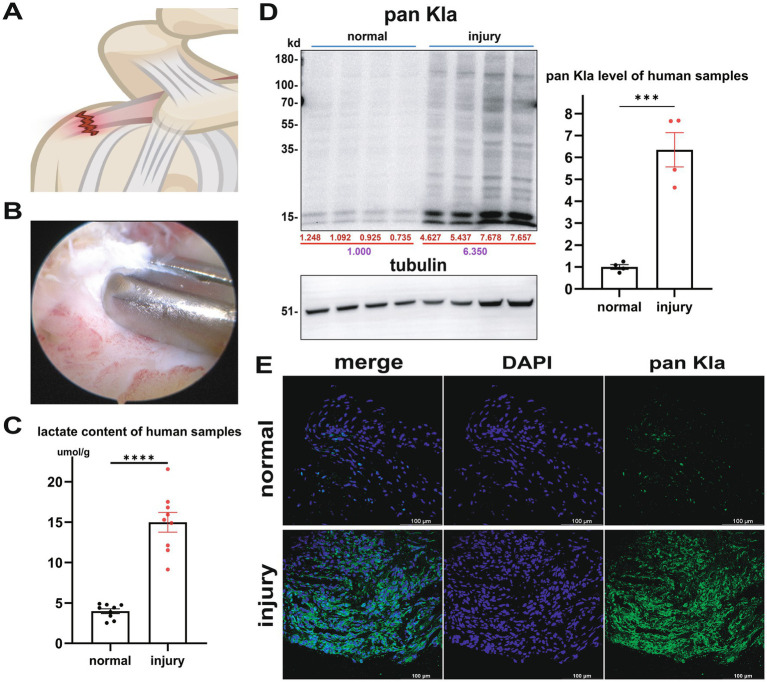 Figure 1
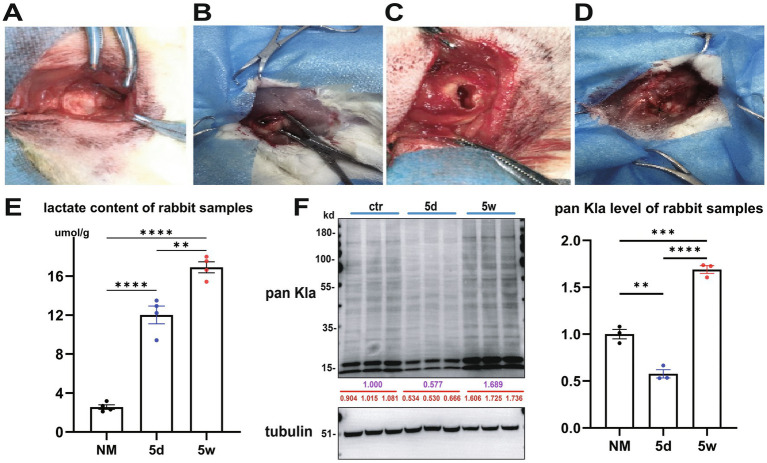 Figure 2
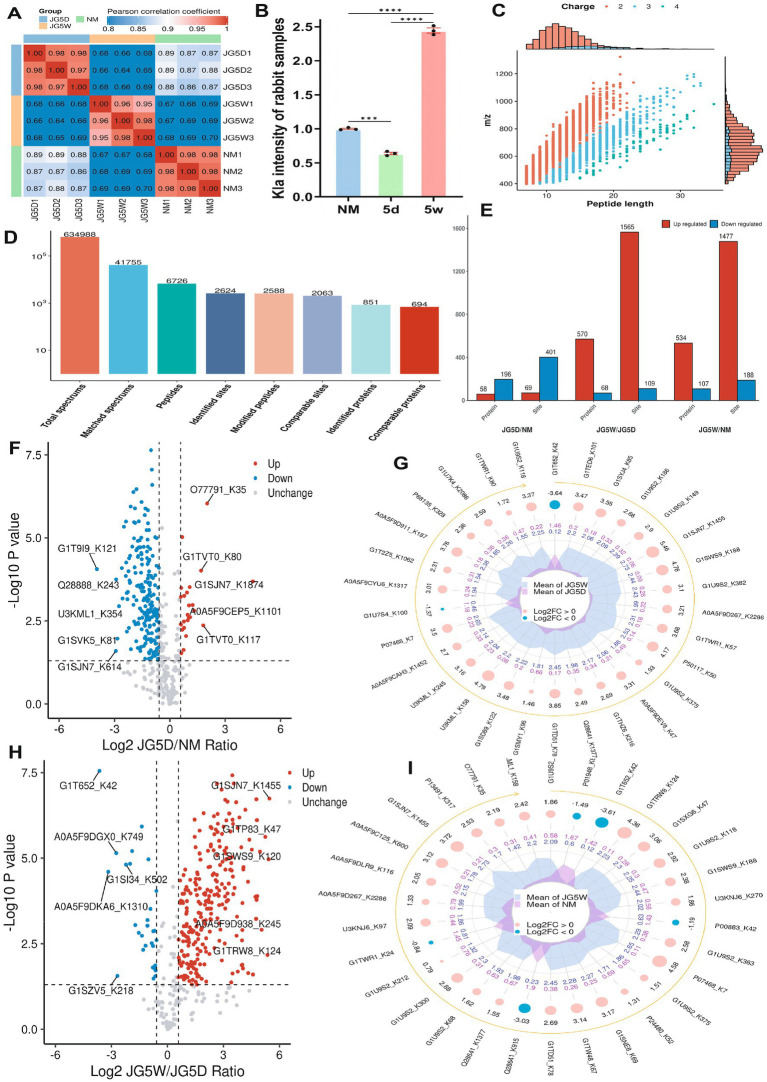 Figure 3
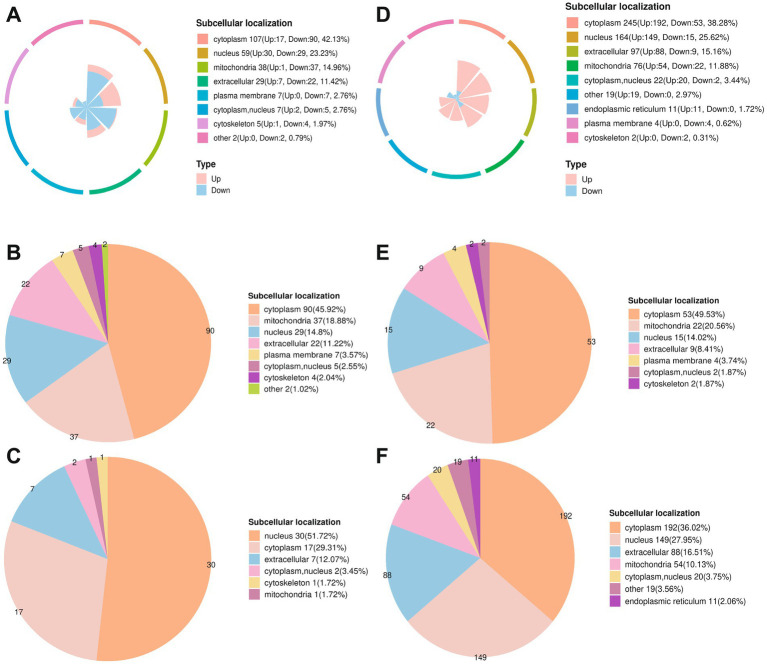 Figure 4
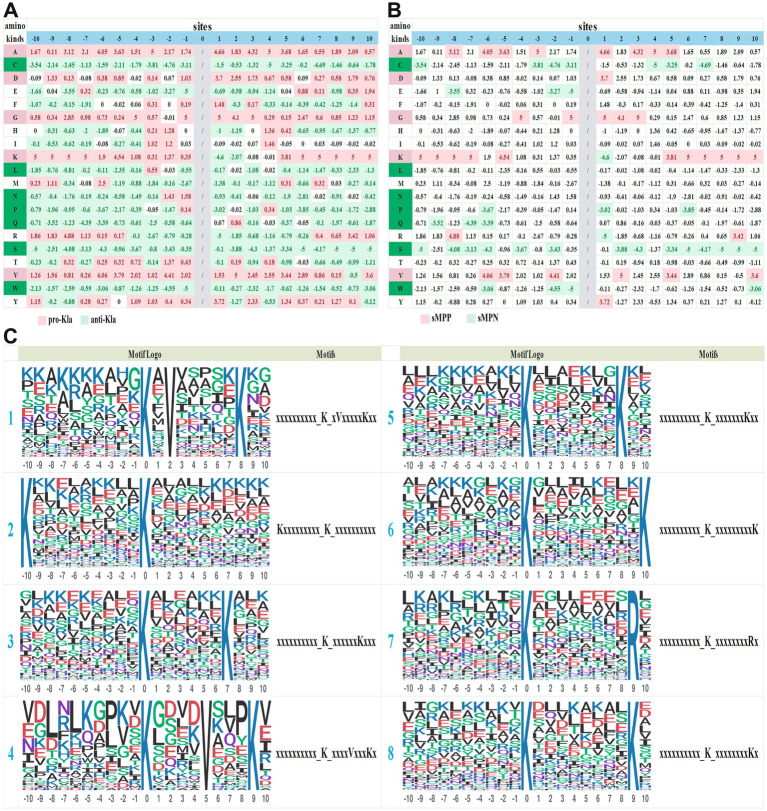 Figure 5
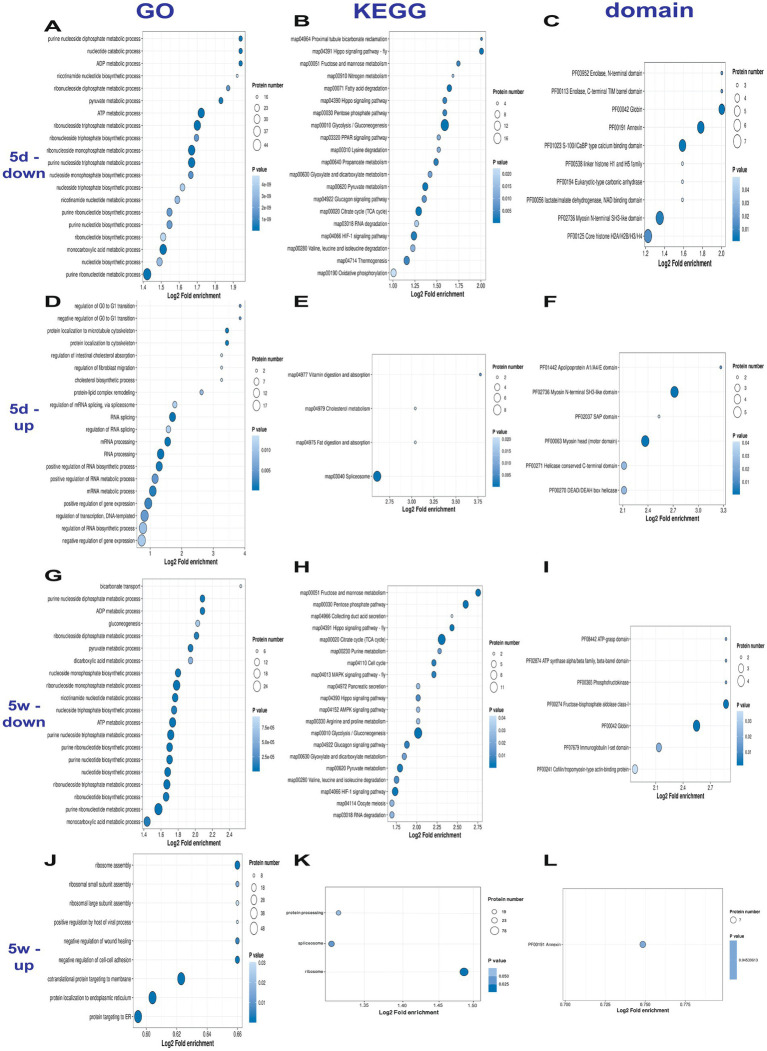 Figure 6
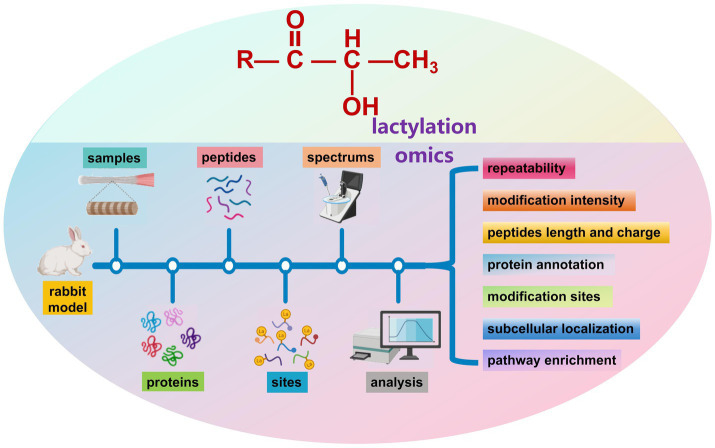 Figure 7
Peer Reviews
No public reviews on file for this paper yet. If you reviewed it on a platform where reviews are public (OpenReview, ICLR, NeurIPS, ICML), you can paste yours below so the community can read it here.
Videos
No videos yet. Explain this paper in a talk, walkthrough, or lecture? Add one.
Taxonomy
TopicsProteoglycans and glycosaminoglycans research · Sirtuins and Resveratrol in Medicine · Connective tissue disorders research