Structures and broad-spectrum growth-inhibiting activity of formomarinobactin, formylated marinobactin analogs from the Pseudomonas lutea group
Camille Grosse, Kristelle Hughes, Marie Lavender, Bertrand Cornu, Grégory Ploegaerts, Nathalie Brandt, Sandra Matthijs

TL;DR
A new type of iron-binding molecule called formomarinobactin is found in certain Pseudomonas bacteria, and it not only helps them acquire iron but also inhibits the growth of other microbes.
Contribution
Discovery of formomarinobactin, a novel formylated marinobactin analog with dual roles in iron acquisition and growth inhibition.
Findings
Formomarinobactin has a formylated hexapeptide backbone and shorter lipid tails compared to marinobactin.
Formomarinobactin production is conserved in the P. lutea group except for a cheater strain.
Formomarinobactin inhibits growth of Gram-positive bacteria and has some effect on Gram-negative bacteria.
Abstract
Pseudomonas graminis LMG 21661T, an environmental strain of the P. lutea group, produces the siderophore formomarinobactin, a novel marinobactin-like siderophore. Mass spectrometry revealed that formomarinobactin shares the same six-residue peptide backbone as marinobactin but contains formylated rather than acetylated N-hydroxyornithines. Alike marinobactins, formomarinobactins are produced as a suite of siderophores with a conserved hexapeptide core but varying lipid tail lengths (C10–C14), shorter than the C12–C18 characteristic of marinobactins. Both the biosynthesis and cognate receptor genes of the formomarinobactin system in P. graminis are iron regulated but unaffected by zinc or nickel underscoring their role in iron homeostasis. Genome mining combined with mass analyses demonstrated that formomarinobactin production is a conserved trait across the P. lutea group, with one…
Genes, proteins, chemicals, diseases, species, mutations and cell lines named across the full text — each resolved to its canonical identifier and authoritative record.
Click any figure to enlarge with its caption.
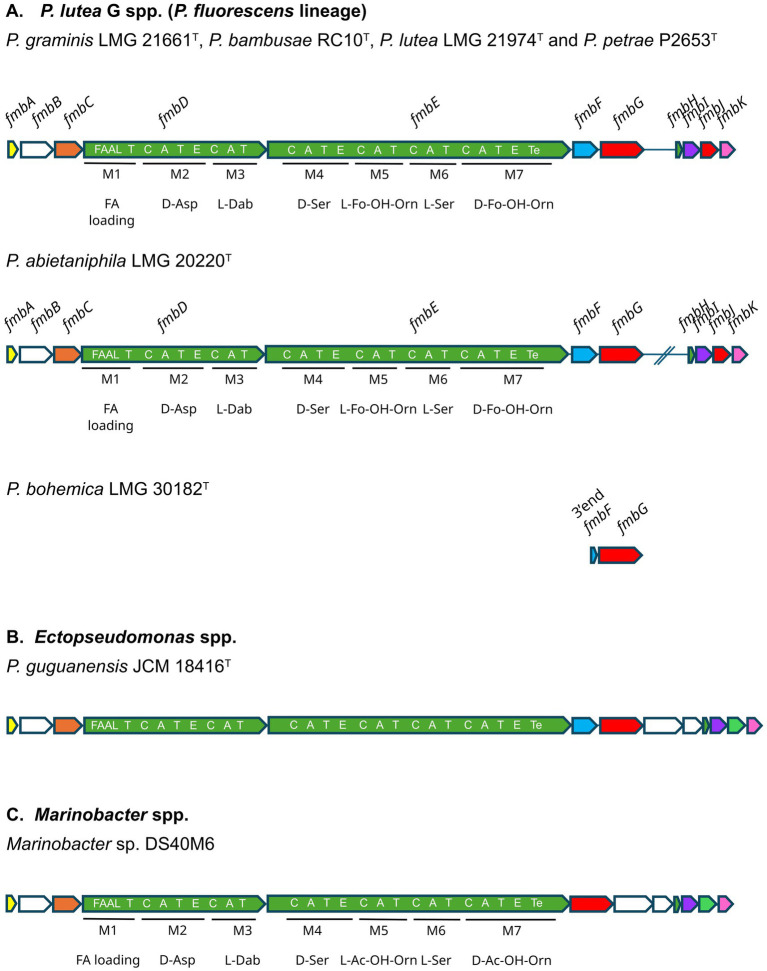 Figure 1
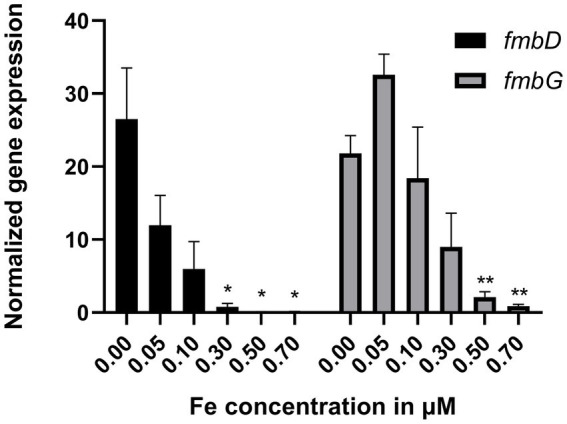 Figure 2
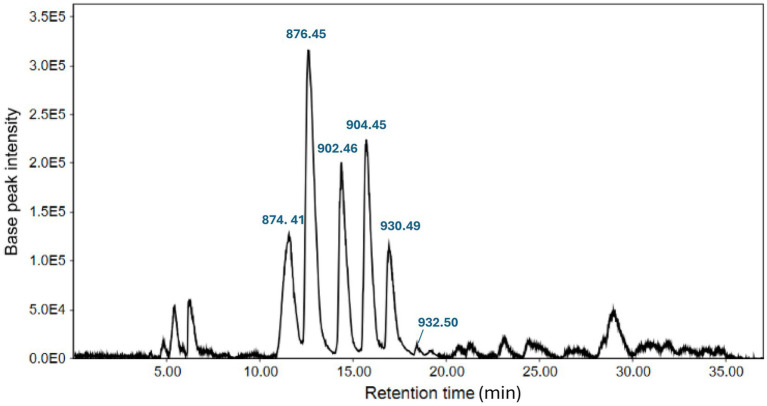 Figure 3
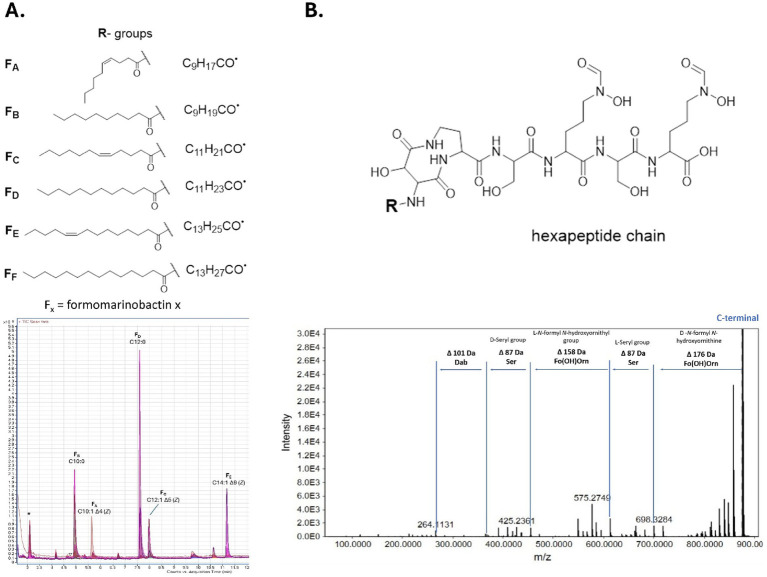 Figure 4
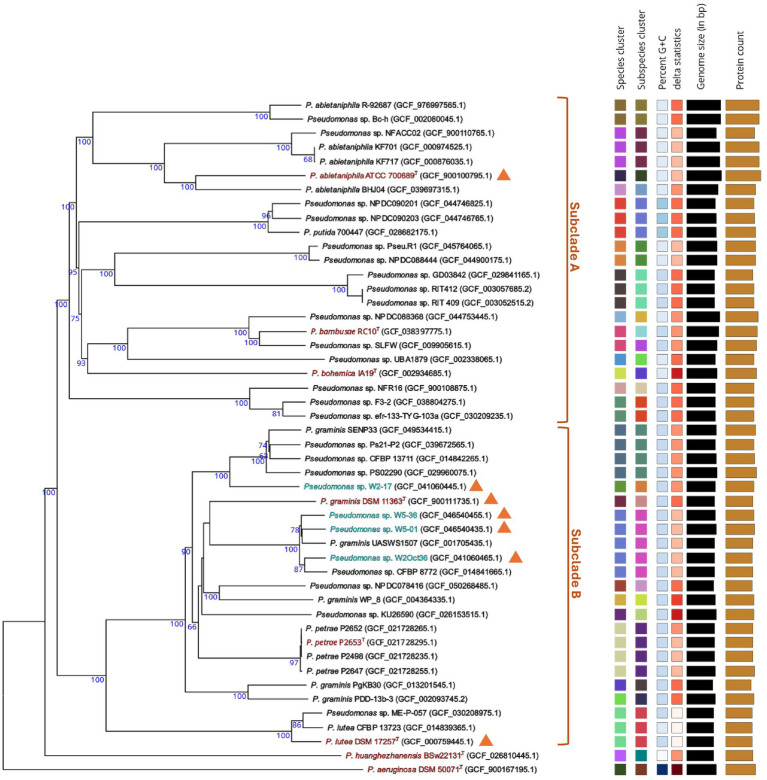 Figure 5
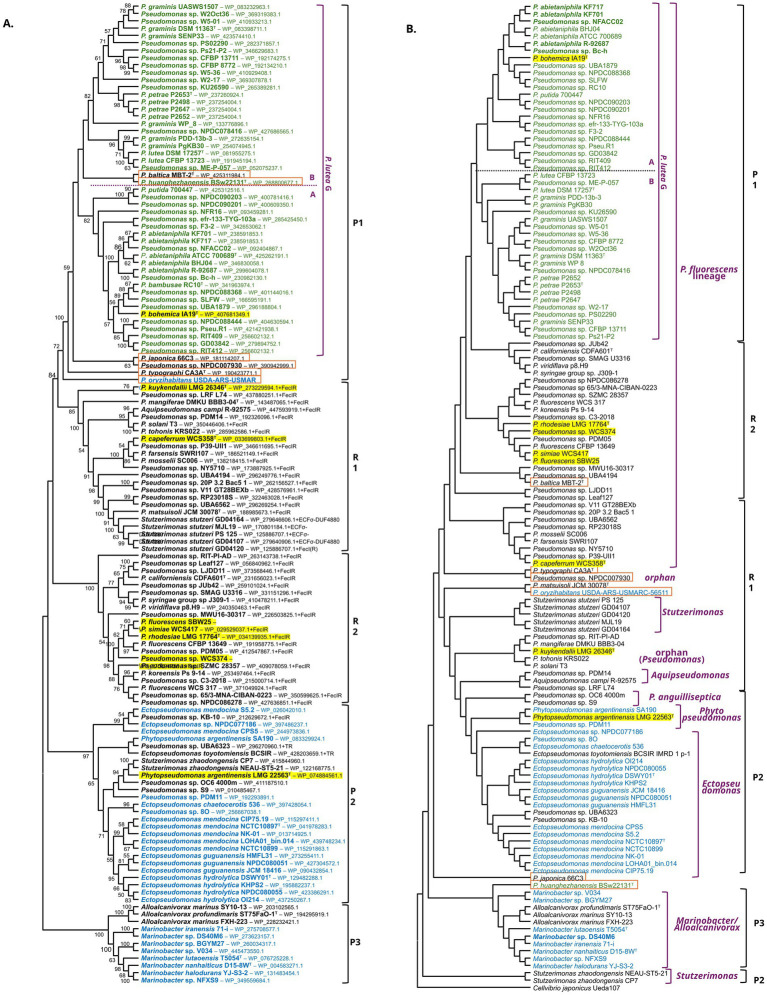 Figure 6
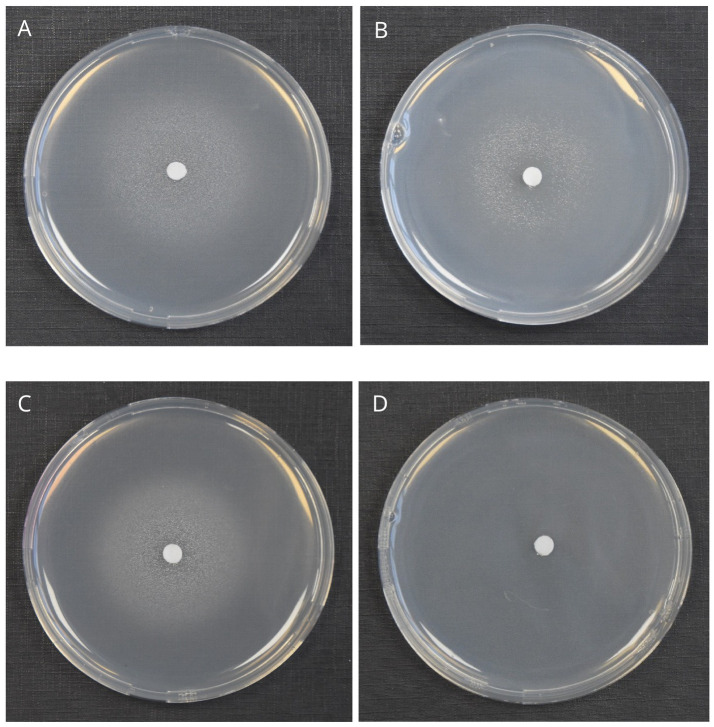 Figure 7
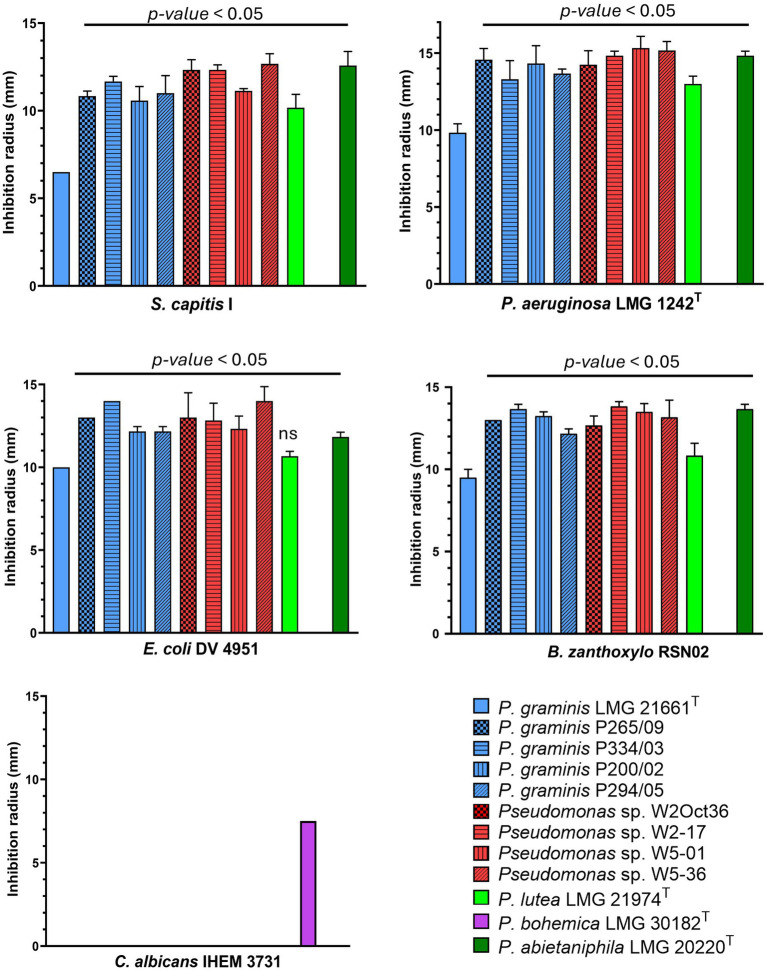 Figure 8
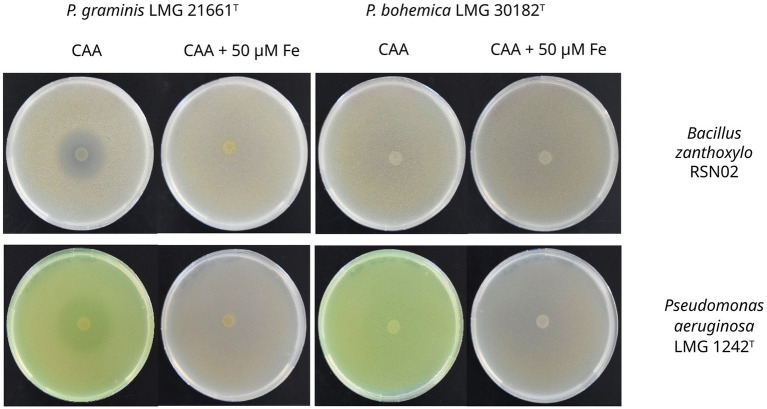 Figure 9
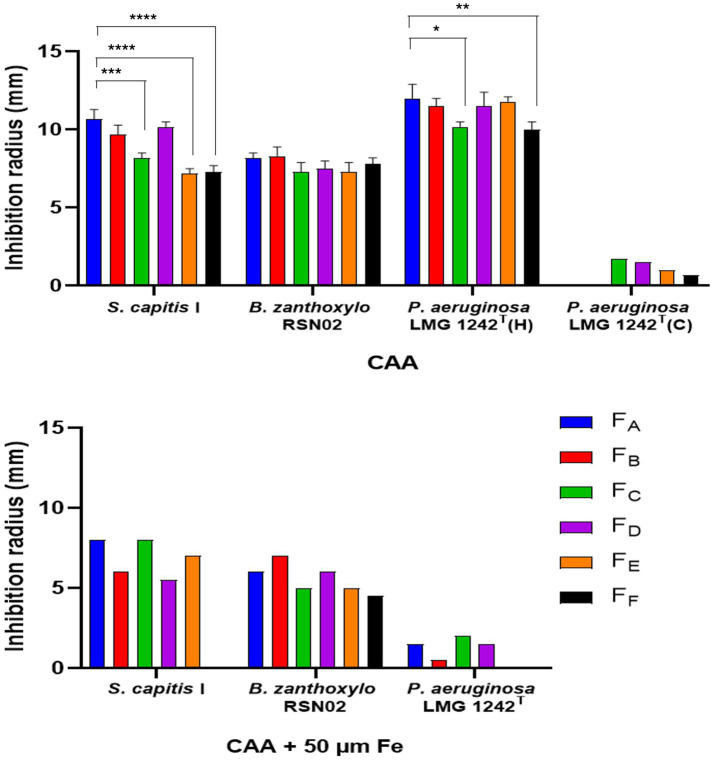 Figure 10
Peer Reviews
No public reviews on file for this paper yet. If you reviewed it on a platform where reviews are public (OpenReview, ICLR, NeurIPS, ICML), you can paste yours below so the community can read it here.
Videos
No videos yet. Explain this paper in a talk, walkthrough, or lecture? Add one.
Taxonomy
TopicsBacterial Genetics and Biotechnology · Bacterial biofilms and quorum sensing · Glycosylation and Glycoproteins Research