Evolutionary dynamics and virulence factor variability in invasive Streptococcus pyogenes in Norway, 2017−2023
Ola Brønstad Brynildsrud, Hilde S. Vollan Gjerdrum, Einar Sverre Berg, Astrid L. Wester, Dominique A. Caugant

TL;DR
This study analyzed Streptococcus pyogenes infections in Norway from 2017 to 2023 to understand how virulence factors and antibiotic resistance have changed over time.
Contribution
The study identifies new phages carrying virulence factors and highlights the dynamic nature of phage integration and excision in S. pyogenes.
Findings
15.6% of isolates showed antibiotic resistance, with tetracycline resistance being the most common.
Dominant emm types included emm1, emm12, emm89, emm28, emm4, and emm87, with emm1 largely belonging to the M1UK lineage.
Four new phages carrying virulence factors speC and spd1 were identified, showing rapid turnover and genomic variability.
Abstract
Invasive infections caused by Streptococcus pyogenes (iGAS) have increased in Europe over the past decade, with a marked upsurge after the COVID-19 pandemic. Here, we examined whether the increase in iGAS infections in Norway was associated with the spread of variants that had acquired new virulence factors. A collection of 1,163 iGAS isolates submitted to the National Reference Laboratory between January 2017 and April 2023, representing 87% of all cases recorded by the Norwegian Surveillance System for Infectious Diseases, was analyzed by whole genome sequencing. Resistance to one or more antibiotics was found in 15.6% of the isolates: 14.1% were resistant to tetracycline, 6.4% to erythromycin, and 4.0% to clindamycin. Resistance to other antibiotics was < 1%. The dominating emm types were emm1 (30.9%), emm12 (13.8%), emm89 (9.3%), emm28 (8.3%), emm4 (6.0%), and emm87 (4.5%), with the…
Genes, proteins, chemicals, diseases, species, mutations and cell lines named across the full text — each resolved to its canonical identifier and authoritative record.
Click any figure to enlarge with its caption.
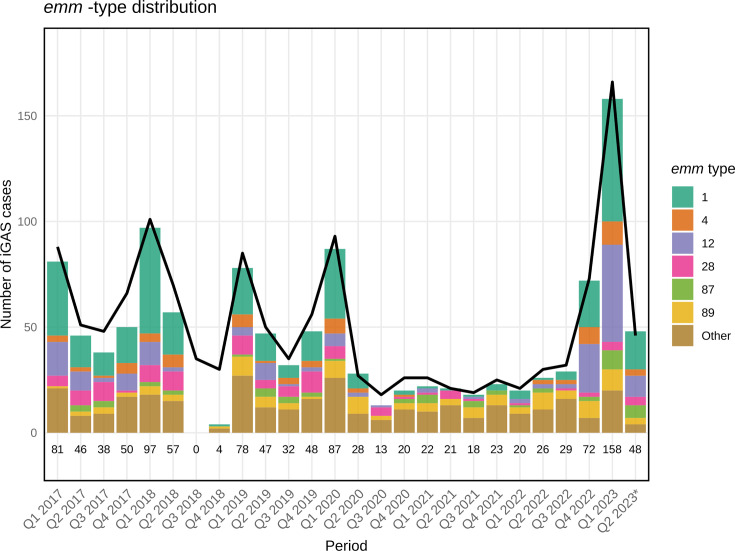 Figure 1
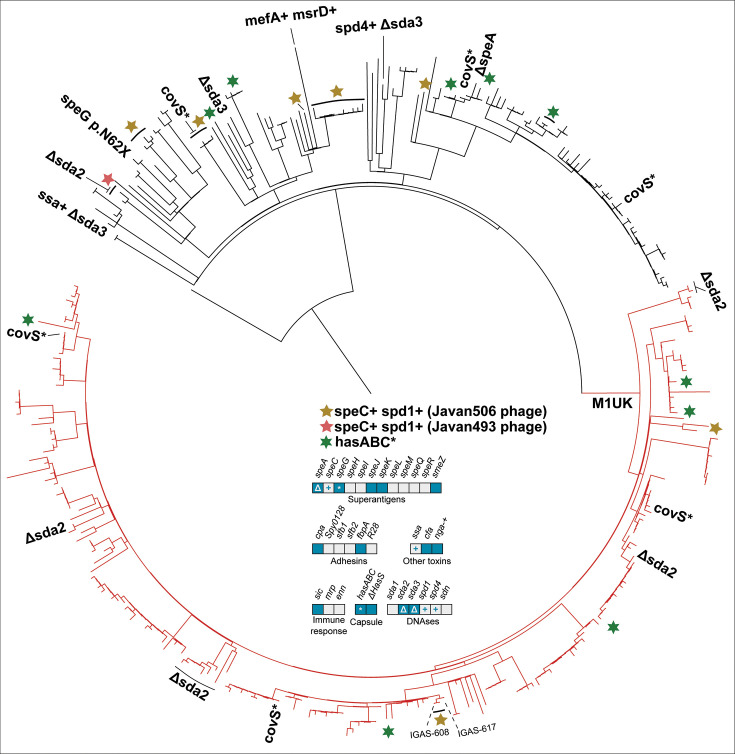 Figure 2
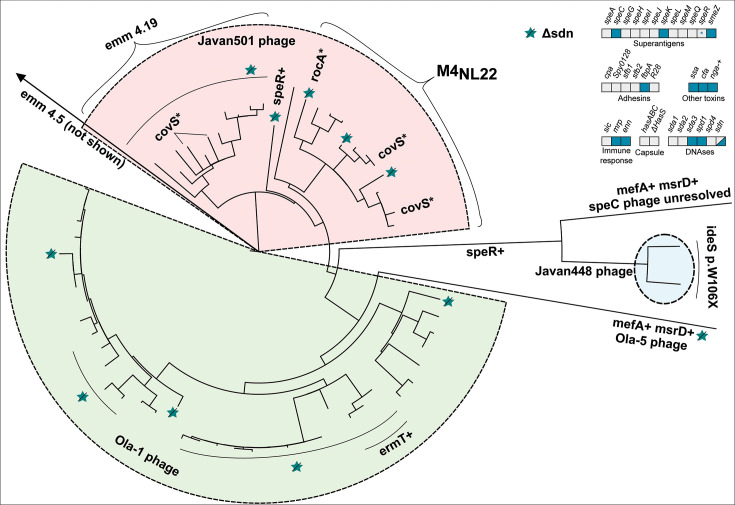 Figure 3
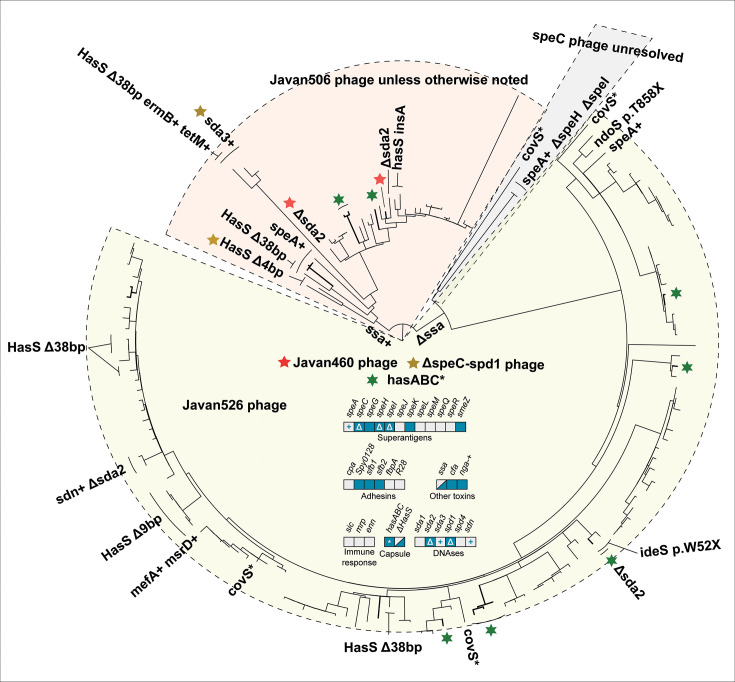 Figure 4
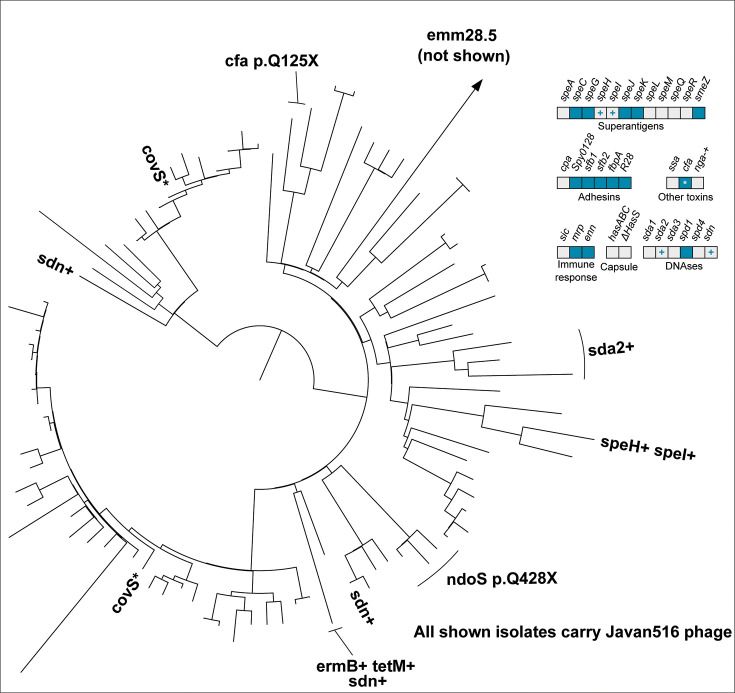 Figure 5
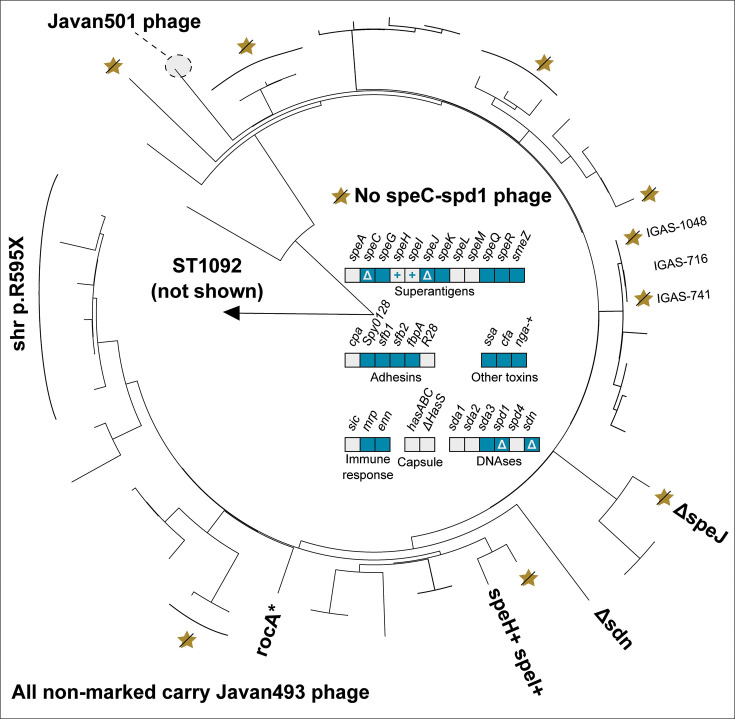 Figure 6
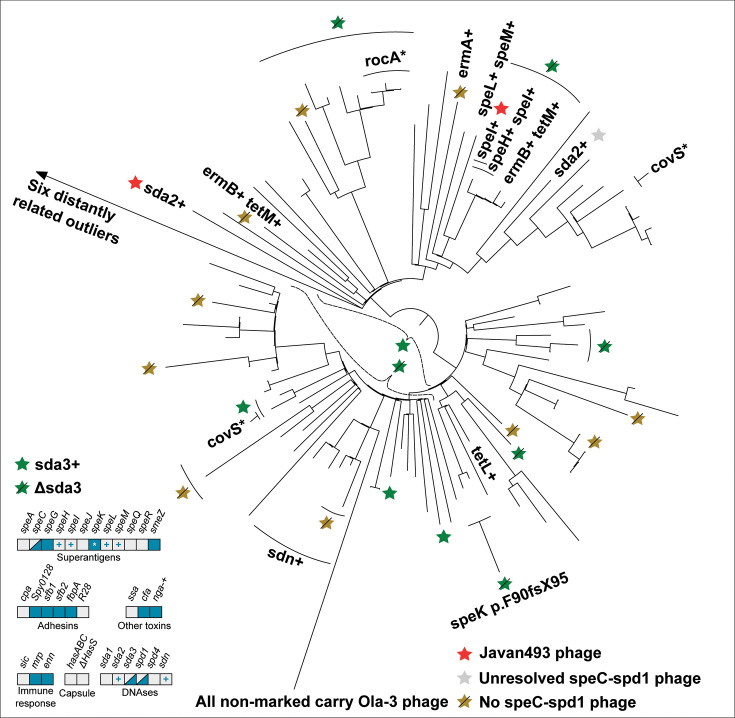 Figure 7
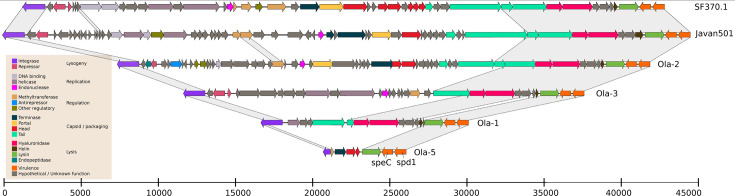 Figure 8
Peer Reviews
No public reviews on file for this paper yet. If you reviewed it on a platform where reviews are public (OpenReview, ICLR, NeurIPS, ICML), you can paste yours below so the community can read it here.
Videos
No videos yet. Explain this paper in a talk, walkthrough, or lecture? Add one.
Taxonomy
TopicsStreptococcal Infections and Treatments · Neonatal and Maternal Infections · Infective Endocarditis Diagnosis and Management