The IrlS2-IrlR2 two-component system is a global regulator of biofilm formation, stress adaptation, and virulence in Burkholderia pseudomallei
Fang Chen, Jian Luo, Yingjuan Wang, Shen Tian, Xun Kang, Nan Zhang, Wan Zheng, Wenting Li, Qianfeng Xia, Dai Kuang

TL;DR
The IrlS2-IrlR2 system in Burkholderia pseudomallei regulates biofilm formation, stress adaptation, and virulence, playing a key role in the pathogen's survival and disease-causing potential.
Contribution
The study identifies and characterizes the previously unstudied IrlS2-IrlR2 two-component system as a global regulator in Burkholderia pseudomallei.
Findings
Knockout of irlR2 leads to enhanced biofilm formation, reduced motility, and increased sensitivity to oxidative stress.
The ΔirlR2 mutant shows impaired adhesion and cytotoxicity toward A549 cells and attenuated virulence in Galleria mellonella.
Transcriptomic analysis reveals altered regulation of secretion systems, iron homeostasis, and redox balance in the mutant strain.
Abstract
Burkholderia pseudomallei, which causes melioidosis, is an adaptable pathogen that survives in diverse environments. Two-component systems (TCSs) play pivotal roles in bacterial signal transduction and adaptation, yet the functions of most TCSs in B. pseudomallei remain poorly characterized. Here, we identified and functionally characterized a previously unstudied TCS, IrlS2-IrlR2, which shares partial homology with the IrlS-IrlR system but exhibits distinct regulatory roles. Knockout of irlR2 (ΔirlR2) did not affect growth in nutrient-rich medium but led to enhanced biofilm formation, reduced motility, decreased siderophore production, and increased sensitivity to oxidative stress, all of which were restored in the complemented strain. The mutant also exhibited growth retardation under subinhibitory cobalt concentrations, despite unchanged MICs. In infection assays, ΔirlR2 displayed…
Genes, proteins, chemicals, diseases, species, mutations and cell lines named across the full text — each resolved to its canonical identifier and authoritative record.
Click any figure to enlarge with its caption.
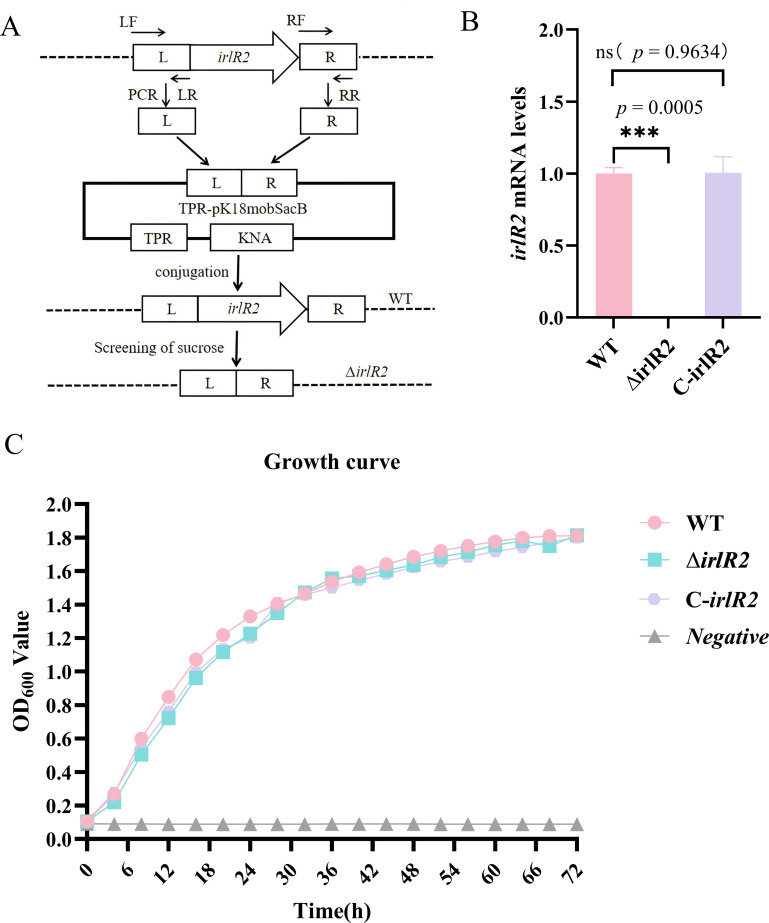 Figure 1
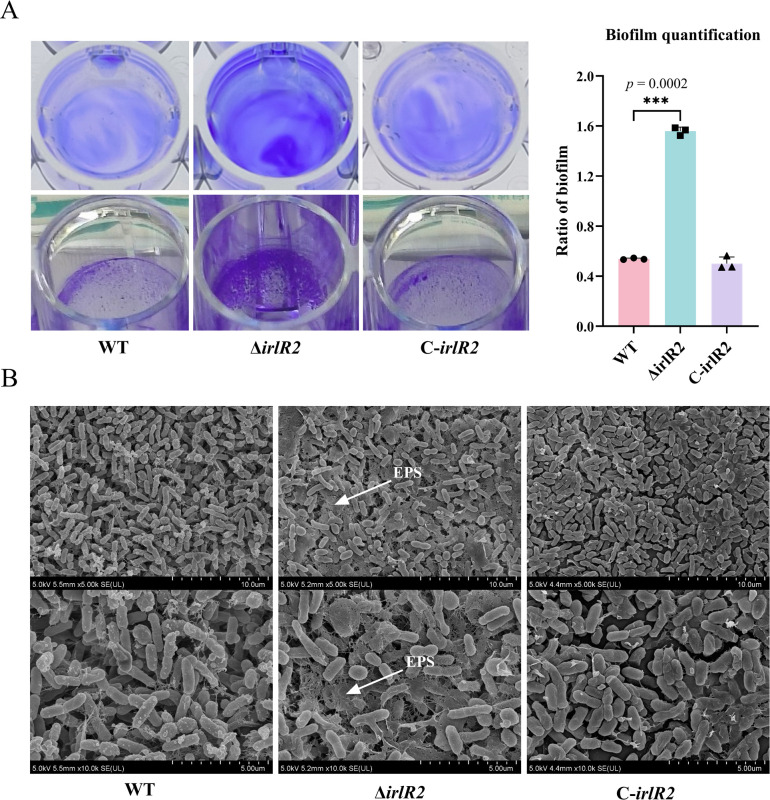 Figure 2
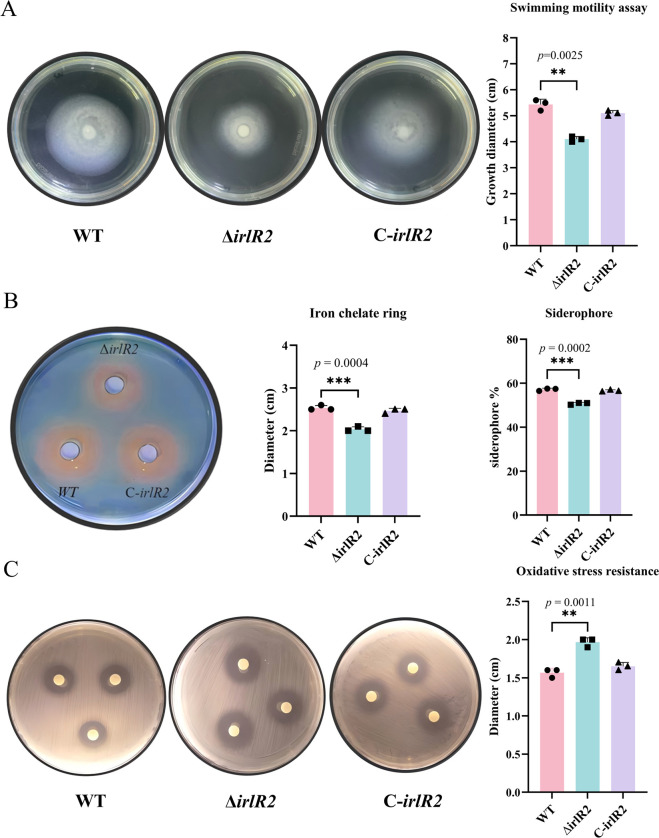 Figure 3
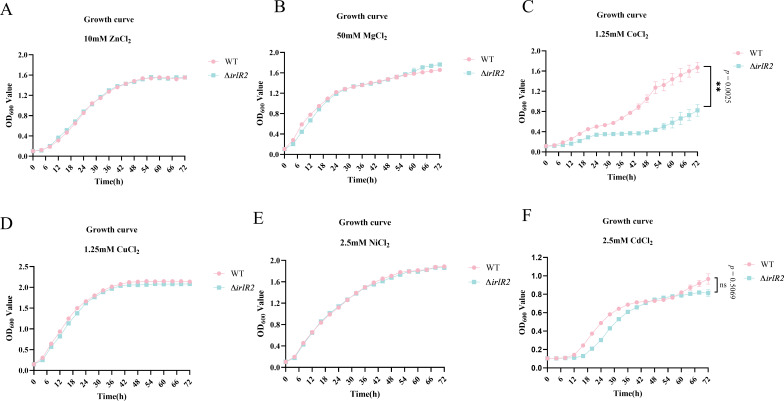 Figure 4
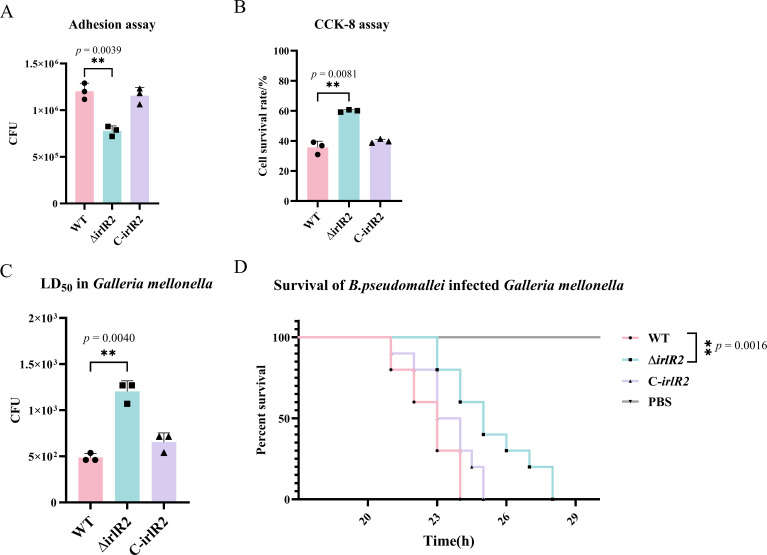 Figure 5
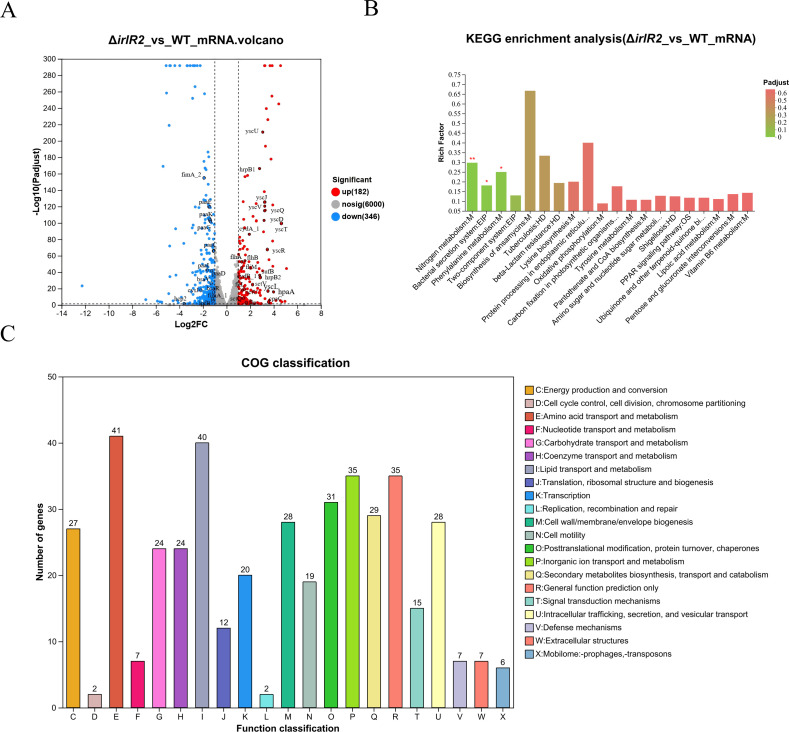 Figure 6
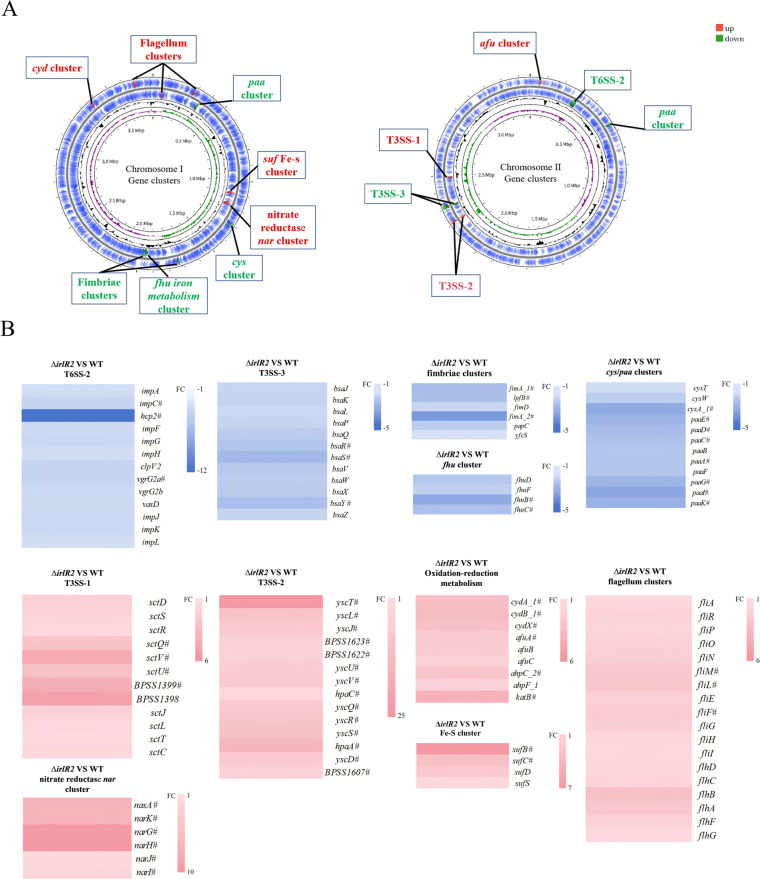 Figure 7
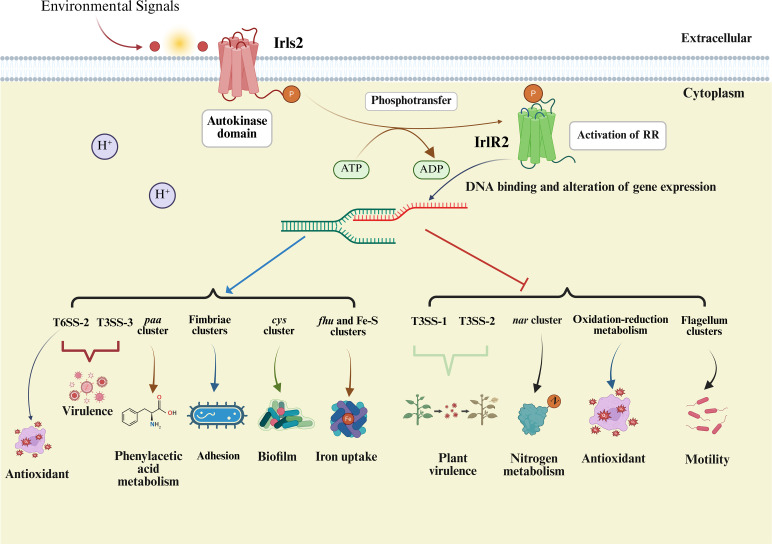 Figure 8
Peer Reviews
No public reviews on file for this paper yet. If you reviewed it on a platform where reviews are public (OpenReview, ICLR, NeurIPS, ICML), you can paste yours below so the community can read it here.
Videos
No videos yet. Explain this paper in a talk, walkthrough, or lecture? Add one.
Taxonomy
TopicsBurkholderia infections and melioidosis · Research on Leishmaniasis Studies · Amoebic Infections and Treatments