High-power dual-channel chamber for high-frequency magnetic neuromodulation
Xiaoyang Tian, Hui Wang, Boshuo Wang, Jinshui Zhang, Dong Yan, Jeannette Ingabire, Samantha Coffler, Guillaume Duret, Quoc-Khanh Pham, Gang Bao, Junzhe Wang, Ashok Veeraraghavan, Jacob T Robinson, Stefan M Goetz, Angel V Peterchev

TL;DR
A new high-power magnetic chamber was developed to study how high-frequency magnetic fields can control neural activity in freely moving mice.
Contribution
The novel dual-channel magnetic chamber enables independent, high-frequency magnetic stimulation with real-time behavioral observation.
Findings
The system generates two orthogonal magnetic fields at 50 and 550 kHz with minimal interference.
The chamber maintains uniform magnetic field distribution and safe temperature increases during operation.
Frequency-selective heating was demonstrated using doped and undoped nanoparticles.
Abstract
Objective. Several novel methods, including magnetogenetics and magnetoelectric stimulation, use high frequency alternating magnetic fields to precisely manipulate neural activity. To quantify the behavioral effects of such interventions in a freely moving mouse, we developed a dual-channel magnetic chamber, specifically designed for rate-sensitive magnetothermal-genetic stimulation, and adaptable for other uses of alternating magnetic fields. Approach. Through an optimized coil design, the system allows independent control of two spatially orthogonal uniform magnetic fields delivered at different frequencies within a 10 × 10 × 6 cm3 chamber suitable for mouse studies. The two channels have nominal frequencies of 50 and 550 kHz with peak magnetic field strengths of 88 and 12.5 mT, achieved with resonant coil drives having peak voltages of 1.6 and 1.8 kV and currents of 1.0 and 0.26 kA,…
Genes, proteins, chemicals, diseases, species, mutations and cell lines named across the full text — each resolved to its canonical identifier and authoritative record.
Click any figure to enlarge with its caption.
 Figure 1
 Figure 2
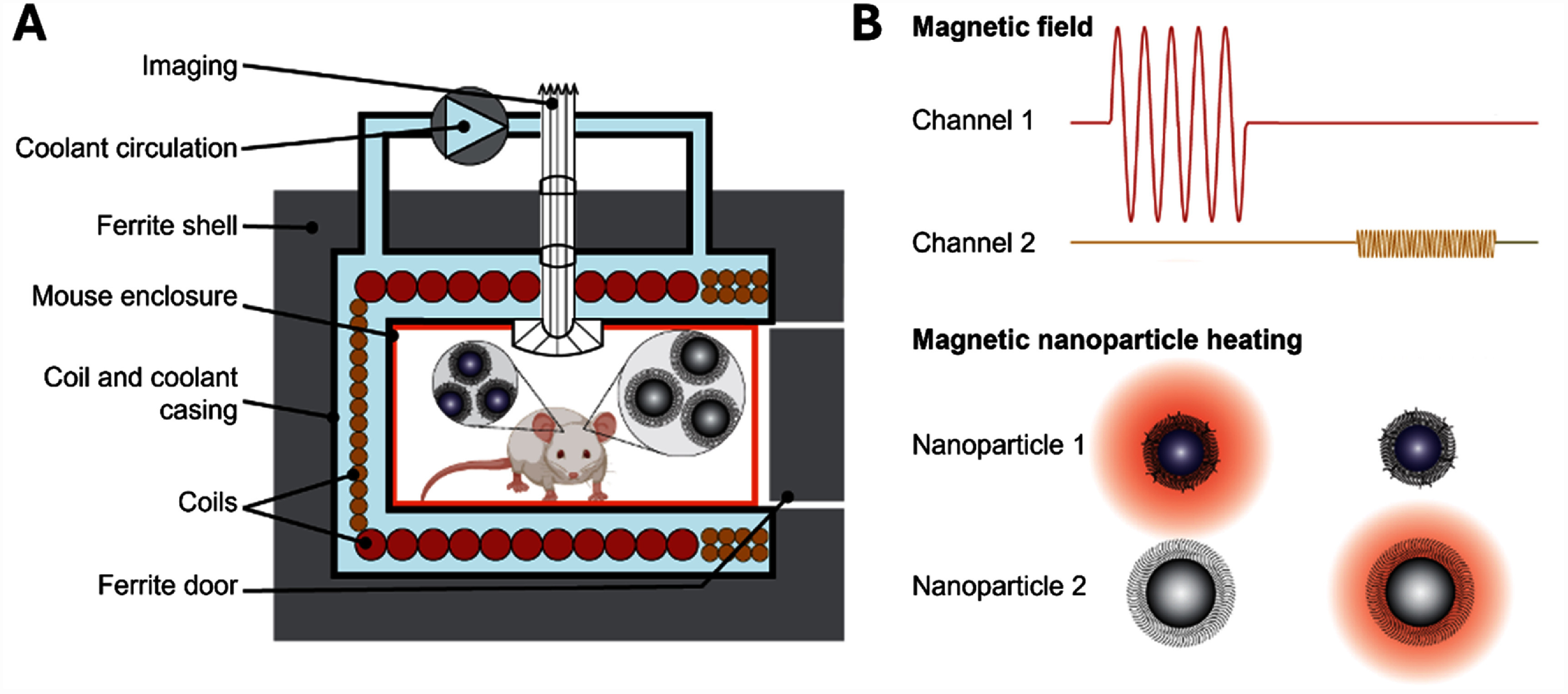 Figure 3
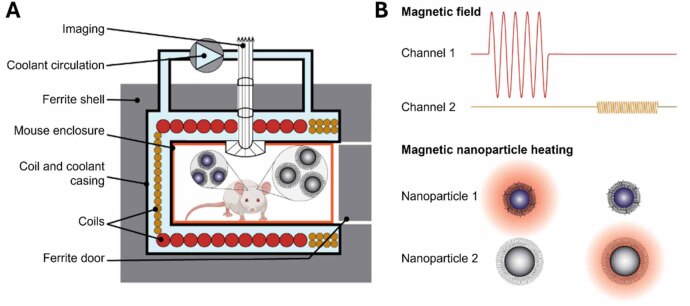 Figure 4
 Figure 5
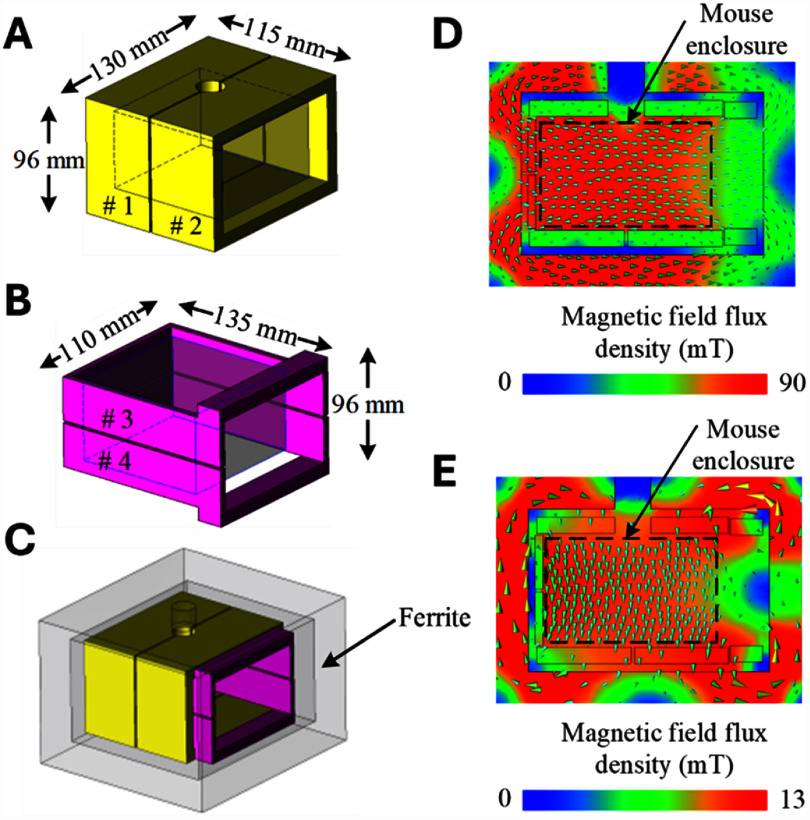 Figure 6
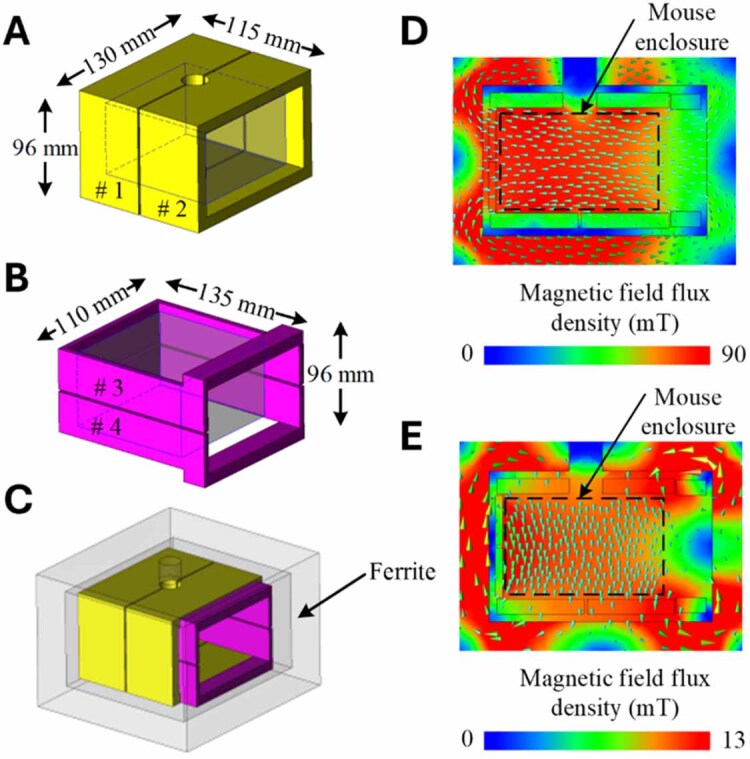 Figure 7
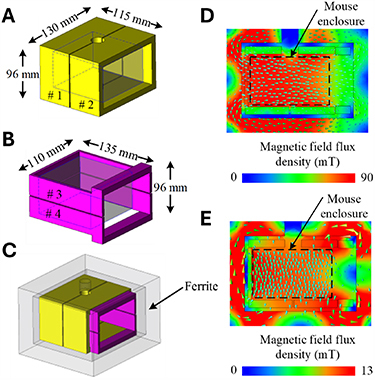 Figure 8
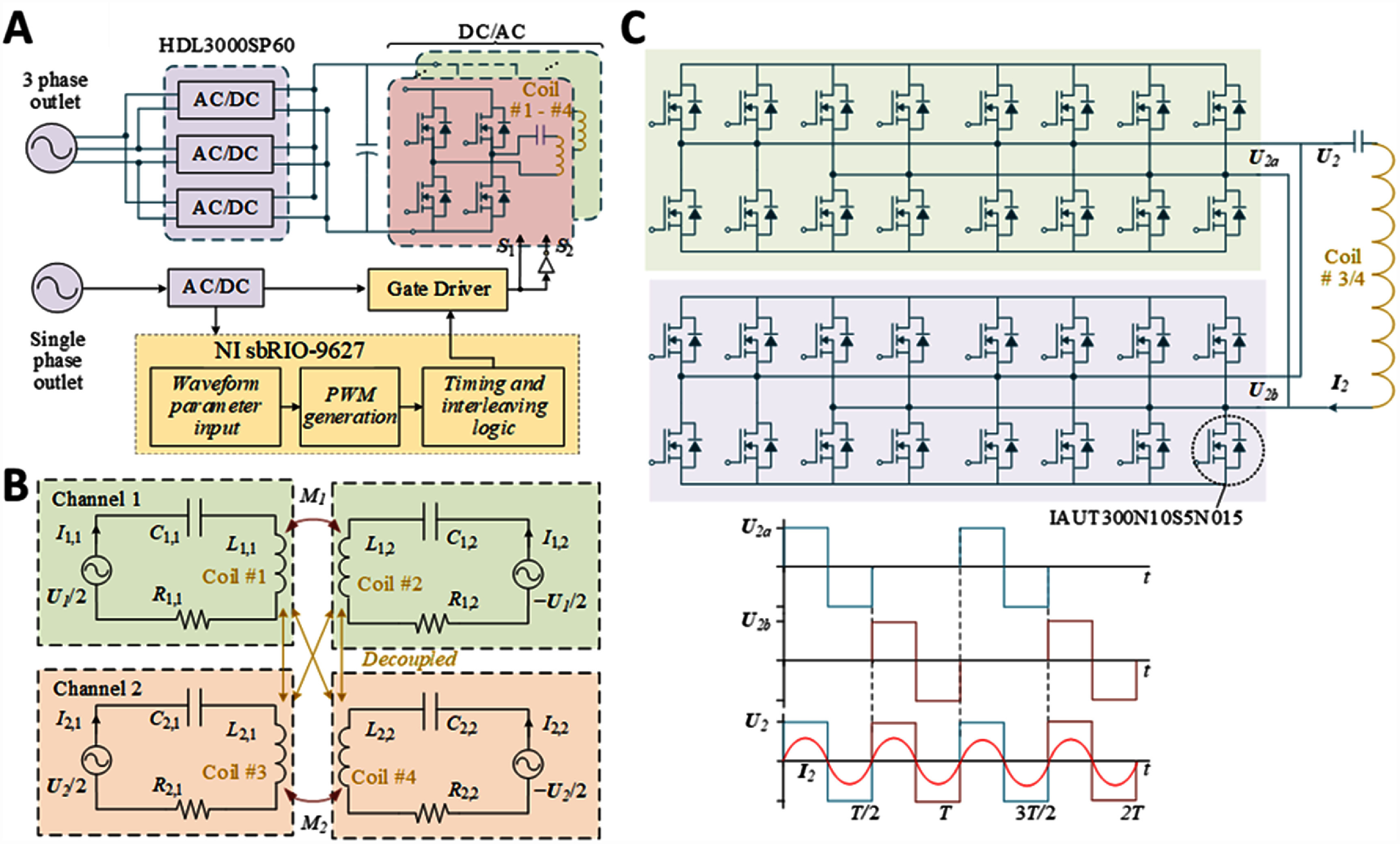 Figure 9
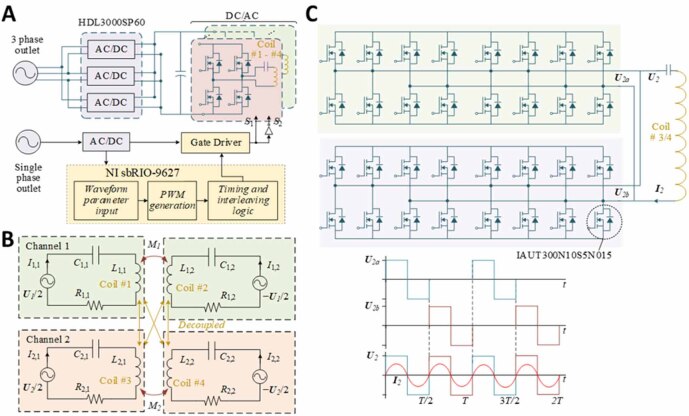 Figure 10
 Figure 11
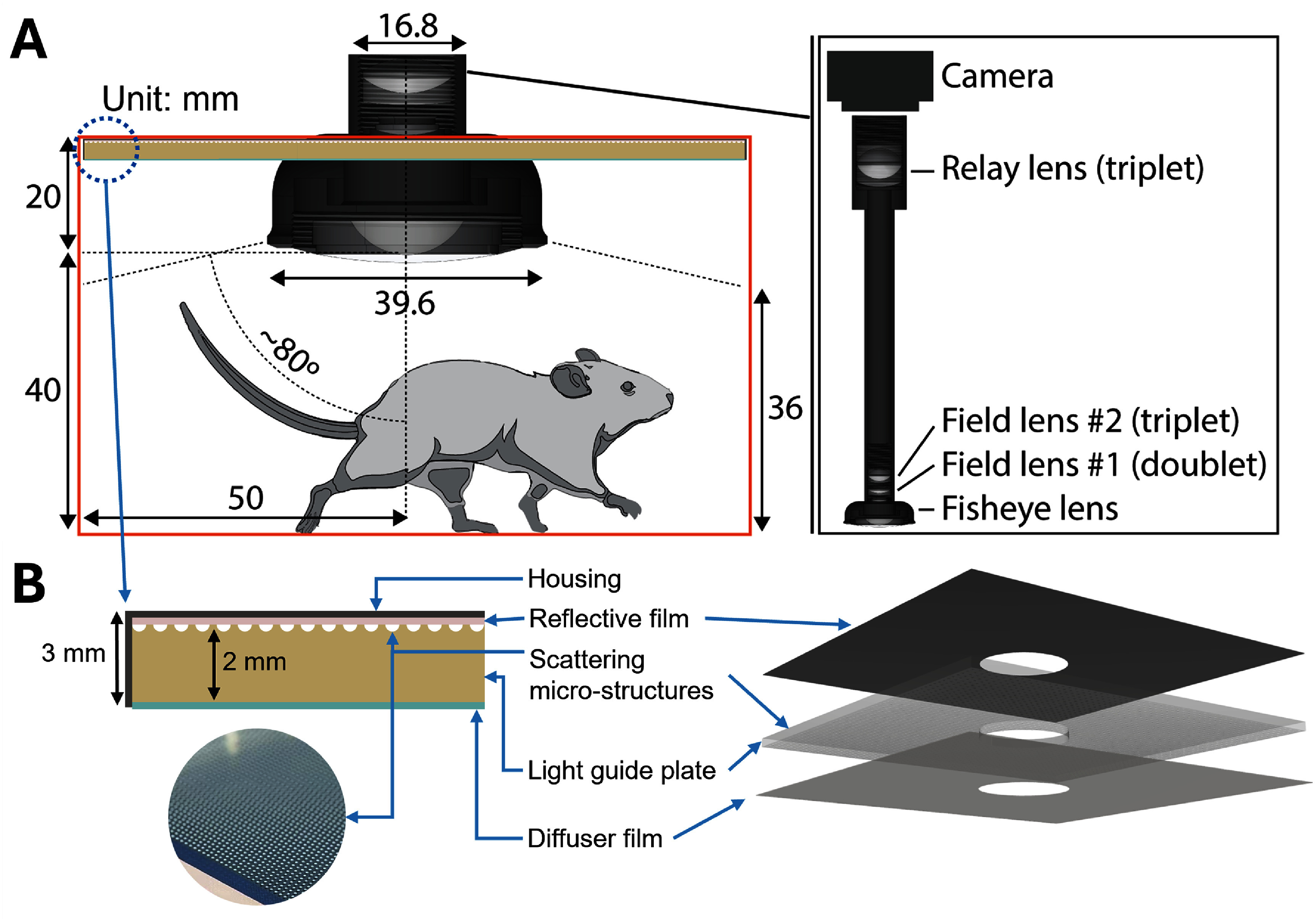 Figure 12
 Figure 13
 Figure 14
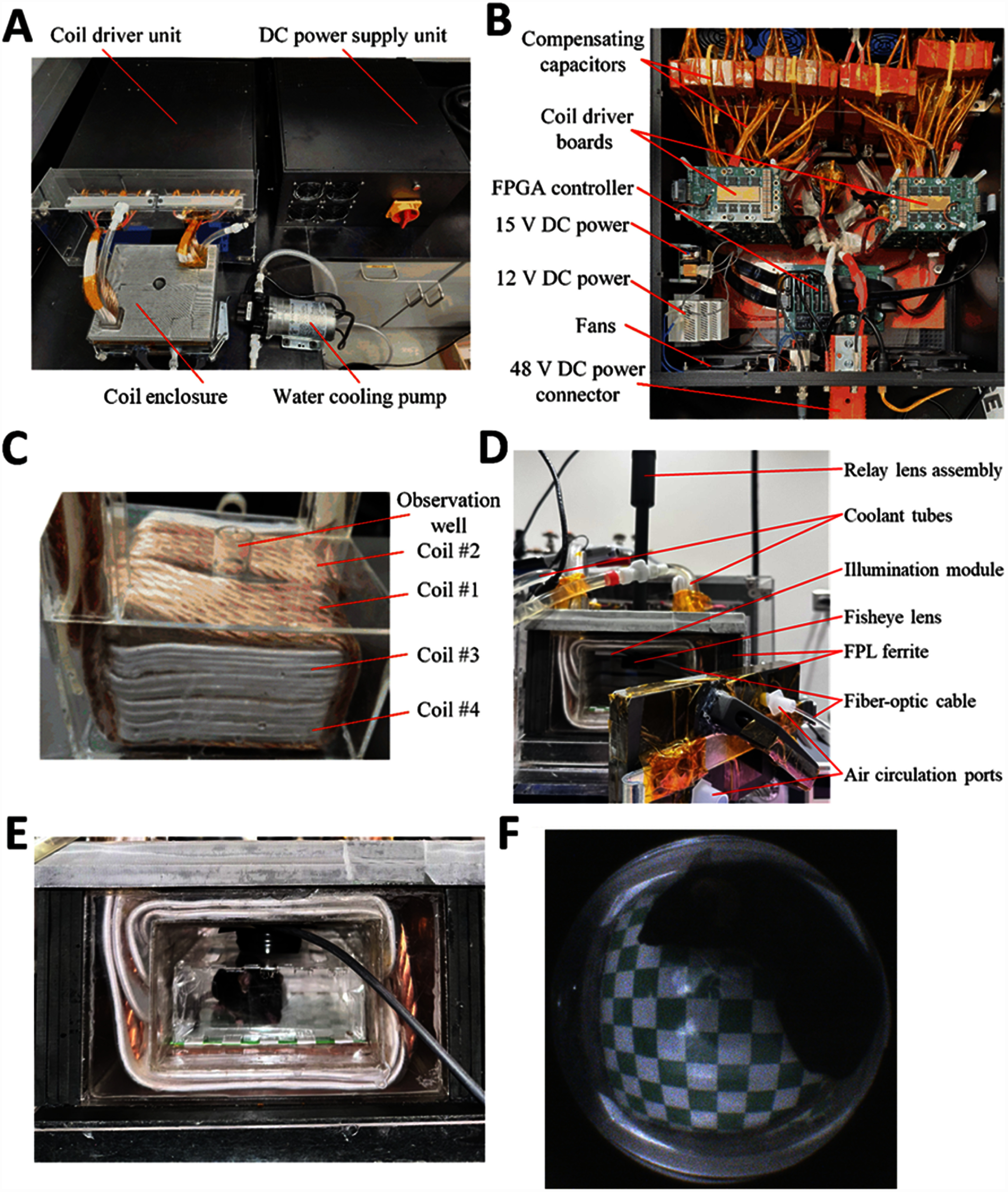 Figure 15
 Figure 16
 Figure 17
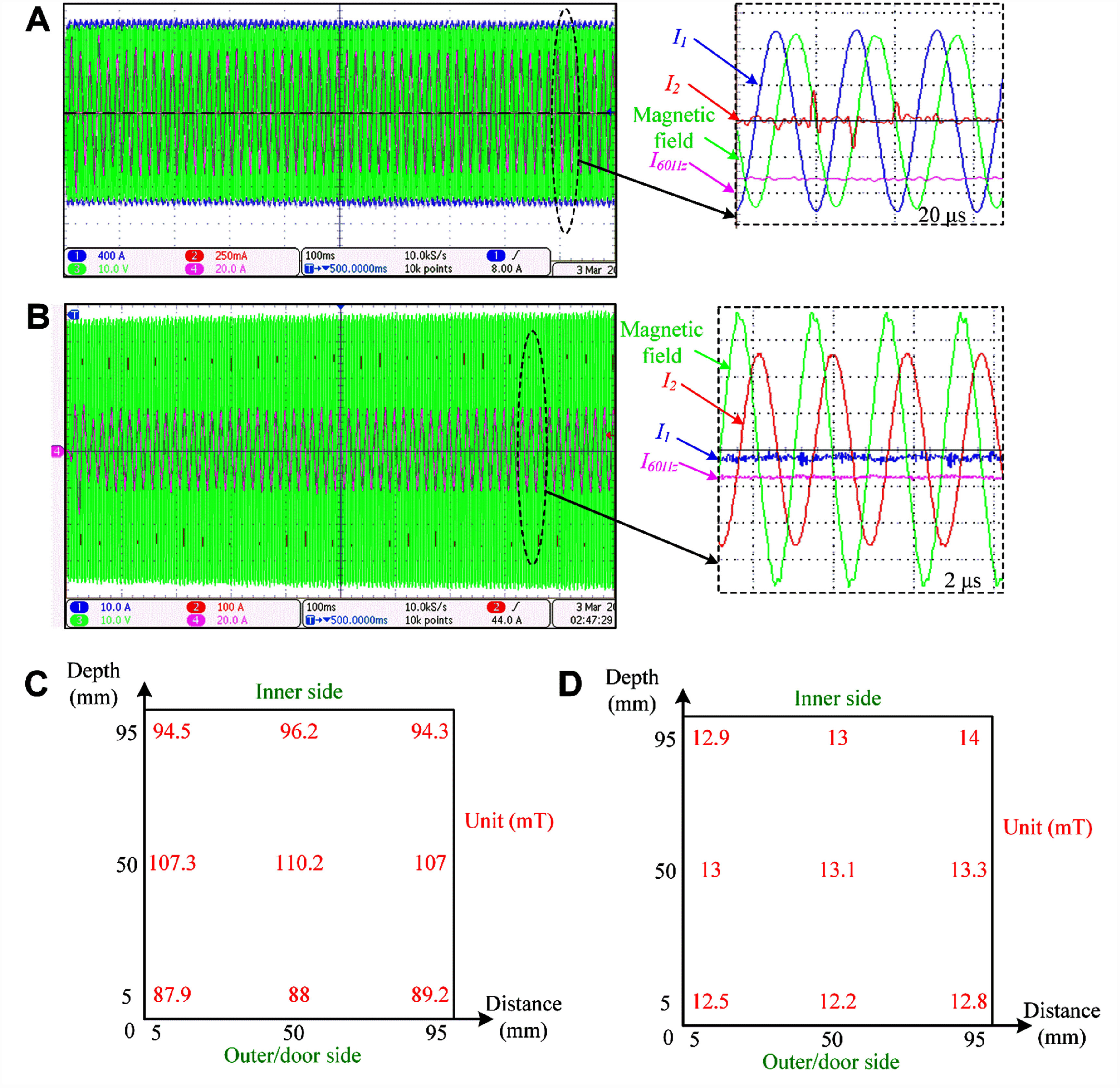 Figure 18
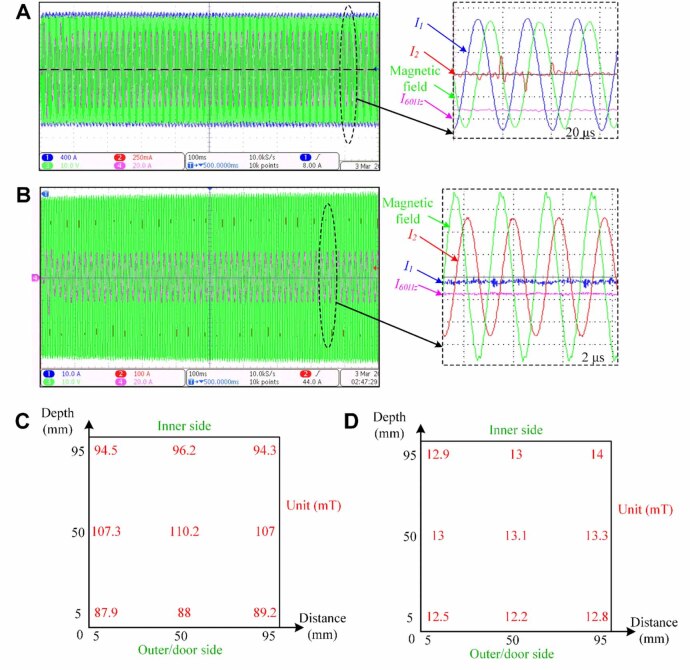 Figure 19
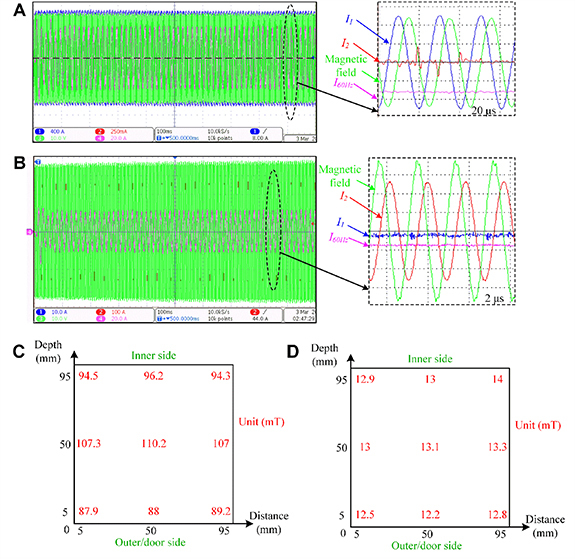 Figure 20
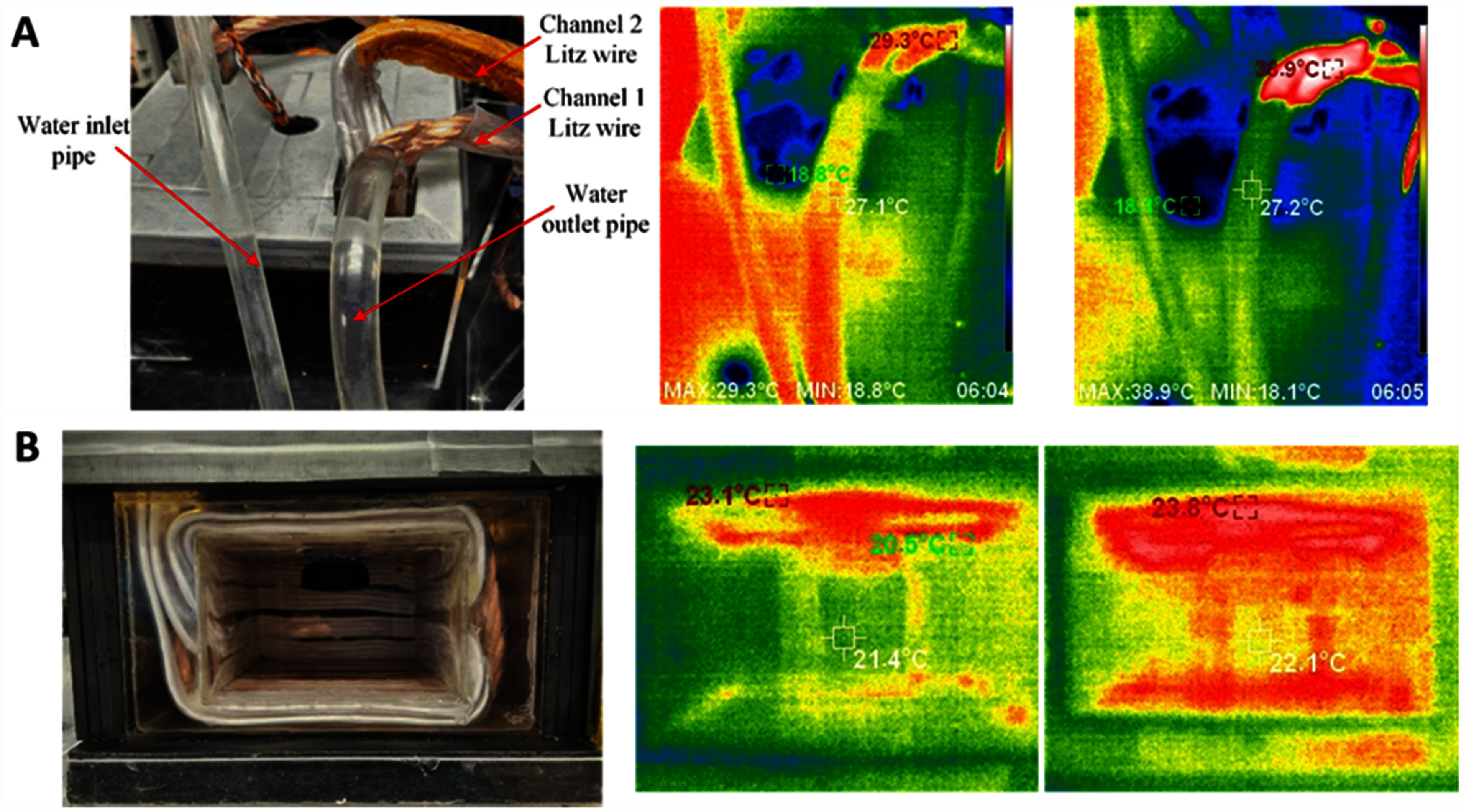 Figure 21
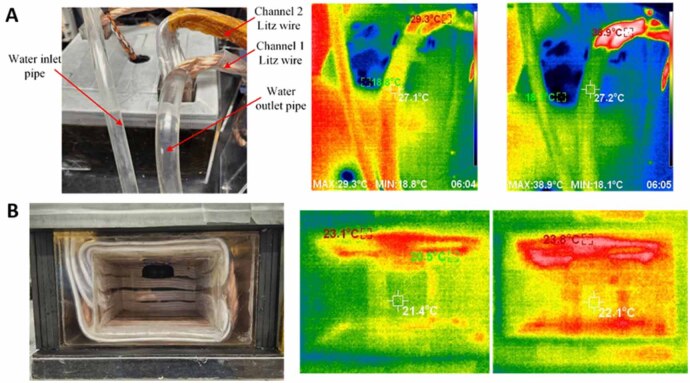 Figure 22
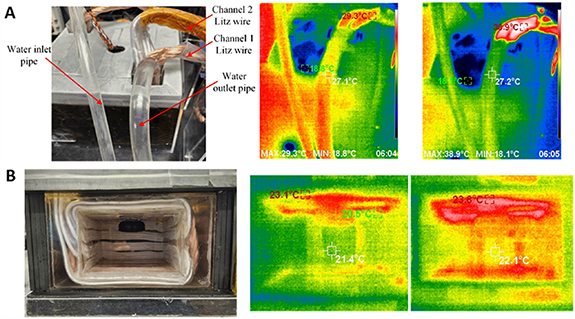 Figure 23
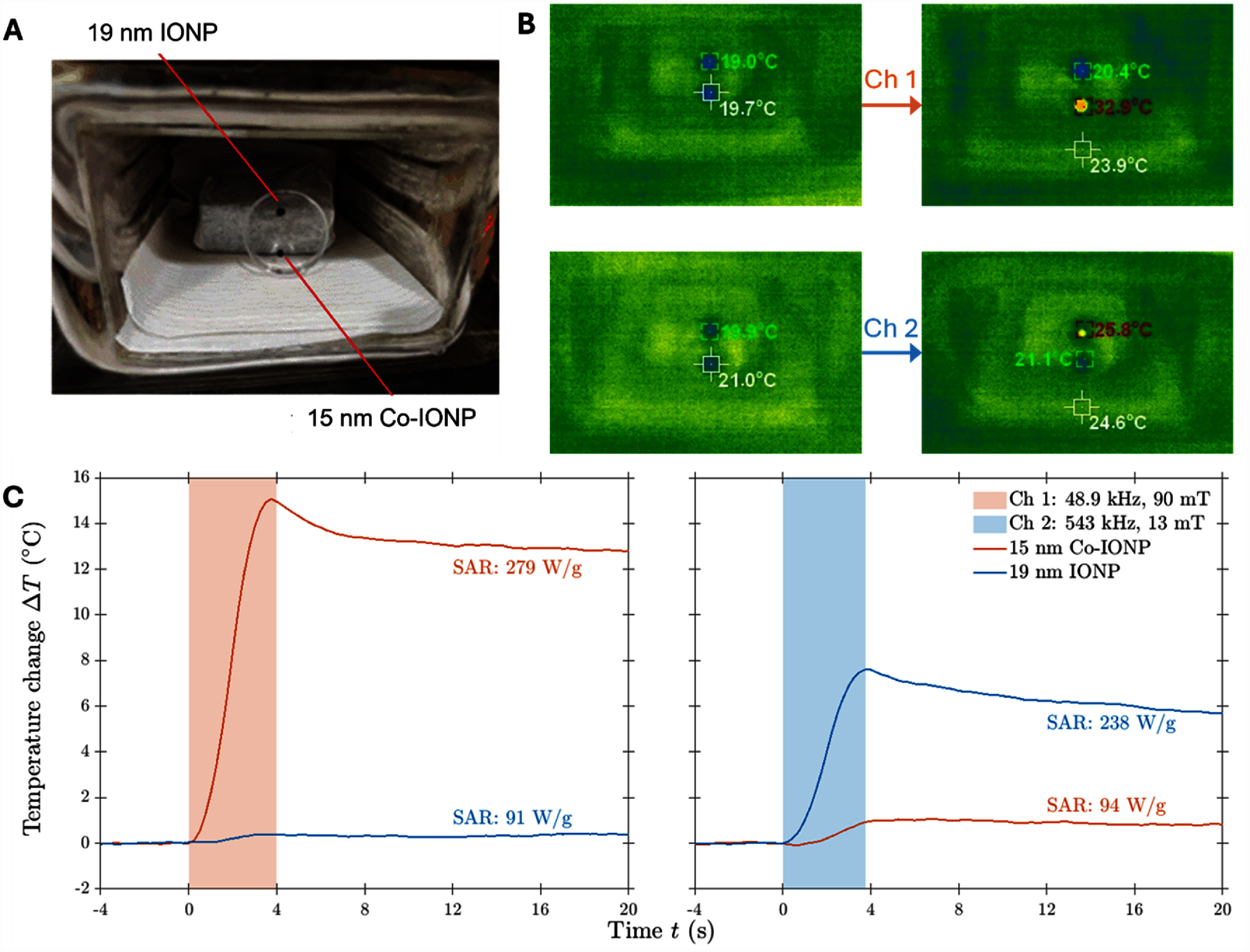 Figure 24
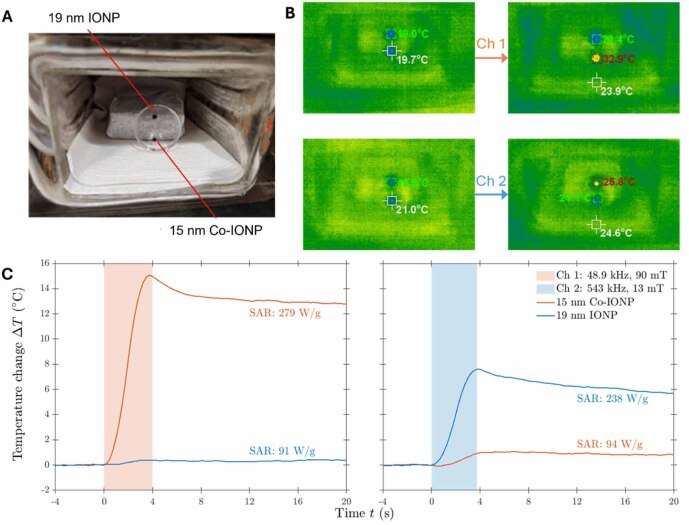 Figure 25
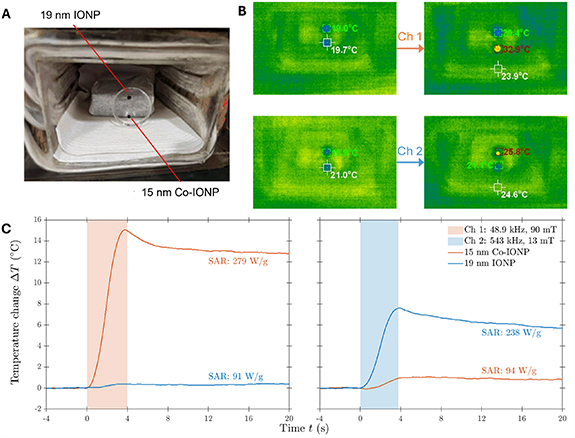 Figure 26
 Figure 27
 Figure 28
 Figure 29
 Figure 30
 Figure 31
 Figure 32
 Figure 33
 Figure 34
 Figure 35
 Figure 36
 Figure 37
 Figure 38
 Figure 39
 Figure 40
 Figure 41
 Figure 42
 Figure 43
 Figure 44
 Figure 45
 Figure 46
 Figure 47
 Figure 48
 Figure 49
 Figure 50
Peer Reviews
No public reviews on file for this paper yet. If you reviewed it on a platform where reviews are public (OpenReview, ICLR, NeurIPS, ICML), you can paste yours below so the community can read it here.
Videos
No videos yet. Explain this paper in a talk, walkthrough, or lecture? Add one.
Taxonomy
TopicsTranscranial Magnetic Stimulation Studies · Electromagnetic Fields and Biological Effects · Functional Brain Connectivity Studies