Recent Advances in Chemical Probing Strategies for RNA Structure Determination In Vivo
Maryana Yarshova, Jieyu Zhao, Chun Kit Kwok

TL;DR
This review discusses how new chemical probing methods and sequencing technologies are improving our understanding of RNA structures inside living cells.
Contribution
The paper highlights novel structural probes and strategies for RNA structure reconstruction in biological contexts.
Findings
Cell-permeable chemical probes enable RNA structure analysis in native cellular environments.
Advanced sequencing technologies enhance the resolution of RNA structural studies at single-molecule and single-cell levels.
New methodologies expand the applicability of RNA structure probing to diverse biological questions.
Abstract
The intricate structures of RNA molecules facilitate their diverse cellular functions. These structures are shaped by the cellular environment, a context that in silico and in vitro methods typically cannot reconstitute, making it more difficult to study the structure of RNA in cells. In response to these challenges, RNA structure probing using cell‐permeable chemicals has emerged as an effective method to capture the RNA structural landscape in its native environment. The integration of these probes with advanced adduct detection techniques, particularly second‐ and third‐generation sequencing, has propelled the field forward, facilitating a deeper understanding of the RNA structurome within its precise functional context, including the examination of RNA structure at the single‐molecule and single‐cell levels, within specific subcellular compartments, and across various stages of RNA…
Genes, proteins, chemicals, diseases, species, mutations and cell lines named across the full text — each resolved to its canonical identifier and authoritative record.
Click any figure to enlarge with its caption.
 Figure 1
 Figure 2
 Figure 3
 Figure 4
 Figure 5
 Figure 6
 Figure 7
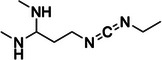 Figure 8
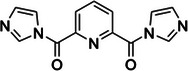 Figure 9
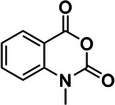 Figure 10
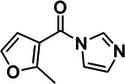 Figure 11
 Figure 12
 Figure 13
 Figure 14
 Figure 15
 Figure 16
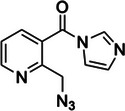 Figure 17
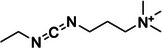 Figure 18
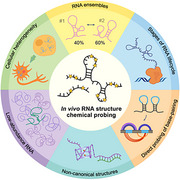 Figure 19
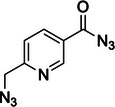 Figure 20
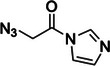 Figure 21
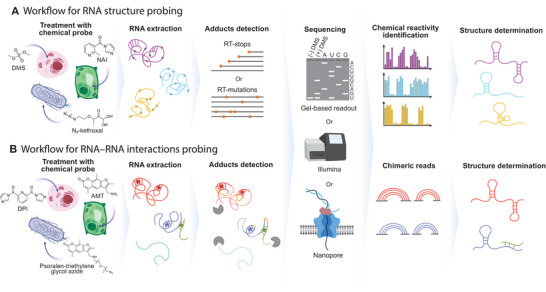 Figure 22
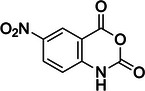 Figure 23
 Figure 24
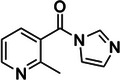 Figure 25
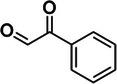 Figure 26
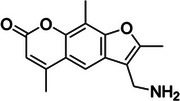 Figure 27
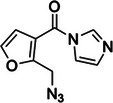 Figure 28
Peer Reviews
No public reviews on file for this paper yet. If you reviewed it on a platform where reviews are public (OpenReview, ICLR, NeurIPS, ICML), you can paste yours below so the community can read it here.
Videos
No videos yet. Explain this paper in a talk, walkthrough, or lecture? Add one.
Taxonomy
TopicsRNA and protein synthesis mechanisms · Click Chemistry and Applications · RNA Research and Splicing