Machine learning model identifies tibial anatomical variables as potential risk factors for anterior cruciate ligament injury
Cheng‐Hao Kao, Javad Hashemi, James Slauterbeck, Naveen Chandrashekar

TL;DR
A machine learning model was developed to predict ACL injury risk based on tibial anatomy, identifying key anatomical features that could help clinicians assess injury likelihood.
Contribution
The study introduces a machine learning model validated for predicting ACL injury risk using tibial anatomical variables and identifies the most predictive features.
Findings
The default tested model achieved high performance metrics on the test set, including 100% ROC AUC and 100% recall.
Decreased medial tibial depth and increased medial/lateral tibial slopes were top predictors of ACL injury.
The full-dataset model showed improved validation F2-score compared to the default tested model.
Abstract
The tibial slope is a well‐known risk factor for anterior cruciate ligament (ACL) injury. As machine learning continues to progress, it has become an increasingly explored tool for clinical screening and risk factor analysis. This study aims to develop and validate a prognostic machine learning model to predict the outcome of ACL injury from tibial anatomic parameters and identify the most predictive features. A pre‐published dataset of coronal, medial and lateral tibial slopes and medial tibial depth was constructed using magnetic resonance imaging scans taken from 104 subjects (44 males: 22 injured, 22 uninjured; 60 females: 27 injured, 33 uninjured). The dataset was split into train‐validation and test sets to ensure robust model evaluation. AutoGluon‐enabled machine learning models, including XGBoost, LightGBM, CatBoost, TabPFN, TabM, TabICL, MITRA and their weighted ensembles were…
Genes, proteins, chemicals, diseases, species, mutations and cell lines named across the full text — each resolved to its canonical identifier and authoritative record.
Click any figure to enlarge with its caption.
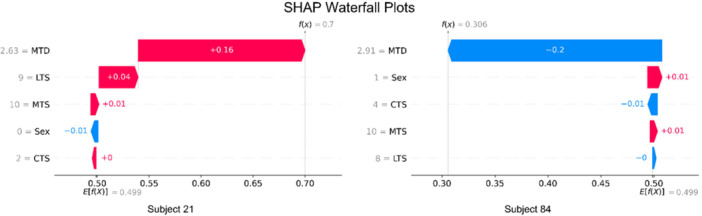 Figure 1
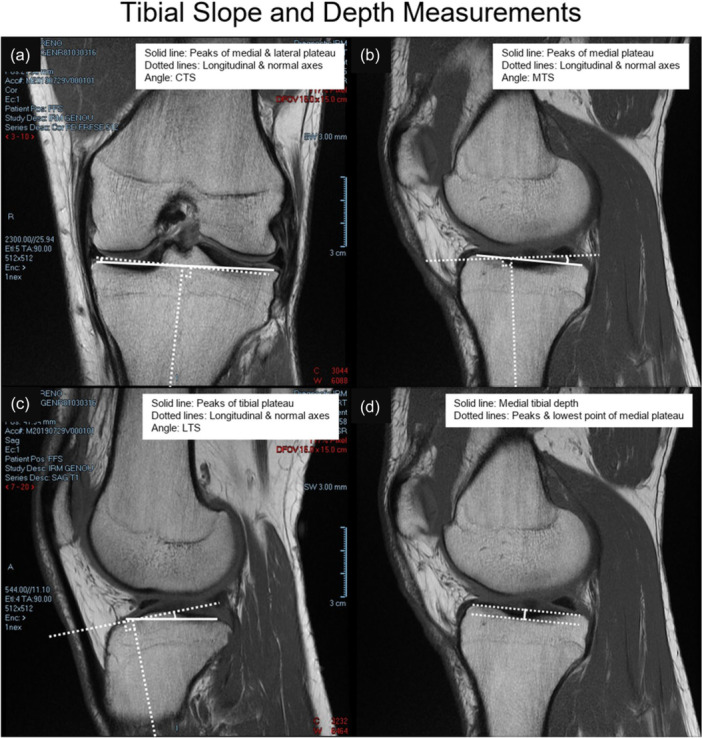 Figure 2
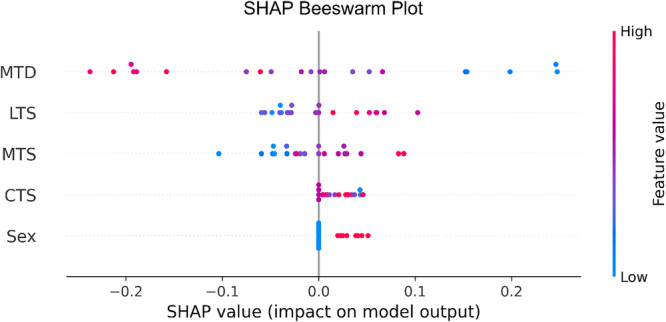 Figure 3
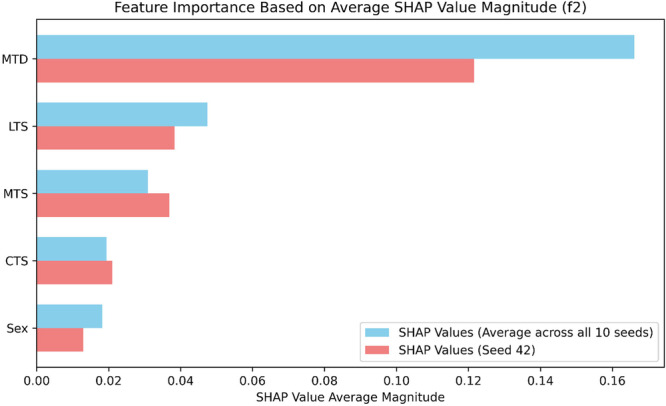 Figure 4
Peer Reviews
No public reviews on file for this paper yet. If you reviewed it on a platform where reviews are public (OpenReview, ICLR, NeurIPS, ICML), you can paste yours below so the community can read it here.
Videos
No videos yet. Explain this paper in a talk, walkthrough, or lecture? Add one.
Taxonomy
TopicsKnee injuries and reconstruction techniques · Artificial Intelligence in Healthcare and Education · Total Knee Arthroplasty Outcomes