Predicting adverse outcomes in dilated cardiomyopathy using 3D echocardiography: penalised Cox regression versus machine learning
Manman Yang, Bingjie Qu, Jiacheng Cai, Danke Ma, Yan Zhang, Chengzeng Wang, Dahai Yu, Lin Liu

TL;DR
The study compares machine learning and regression models for predicting adverse outcomes in dilated cardiomyopathy patients, finding that a penalized regression model offers the best balance of accuracy and reliability.
Contribution
The study introduces a comparison of penalized regression and machine learning models for risk prediction in dilated cardiomyopathy using 3D echocardiography data.
Findings
ML models like RF showed high discrimination but poor calibration at risk extremes.
Lasso-Cox maintained stable performance and better calibration over longer prediction horizons.
4D-RVEF, LAVI, PASP, and TAPSE were consistently important predictors across models.
Abstract
Risk prediction in dilated cardiomyopathy (DCM) remains suboptimal, and there is uncertainty about how newer machine-learning (ML) methods compare with conventional regression for clinically useful prognostic modelling. Advanced three-dimensional (3D) echocardiographic measures, particularly of right ventricular function, may improve model performance when combined with routinely collected clinical data. We aimed to compare conventional Cox regression, penalised Cox regression, and ML approaches for prognostic modelling in DCM and to identify models that offer the best balance of discrimination, calibration, and interpretability for risk stratification. We conducted a retrospective cohort study including 196 adults with DCM attending a tertiary cardiology centre between 2021 and 2023. Participants were followed for a composite outcome of all-cause mortality, heart failure…
Genes, proteins, chemicals, diseases, species, mutations and cell lines named across the full text — each resolved to its canonical identifier and authoritative record.
Click any figure to enlarge with its caption.
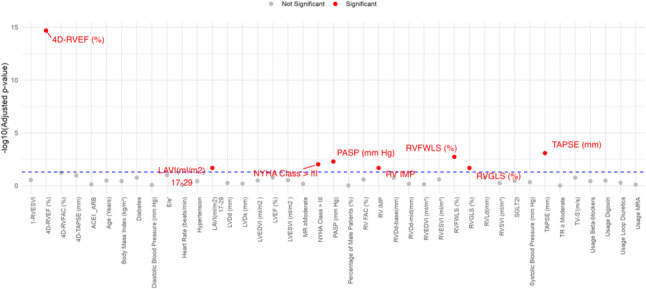 Figure 1
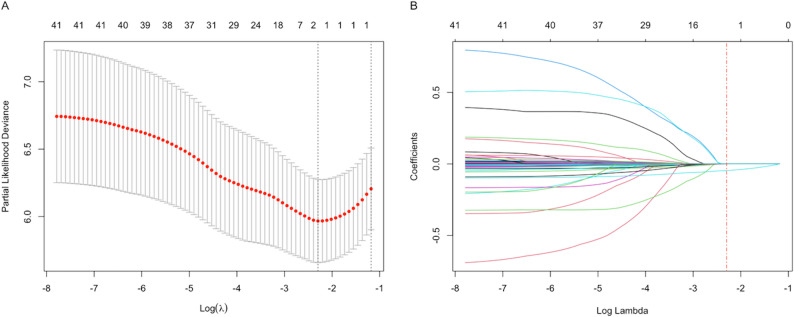 Figure 2
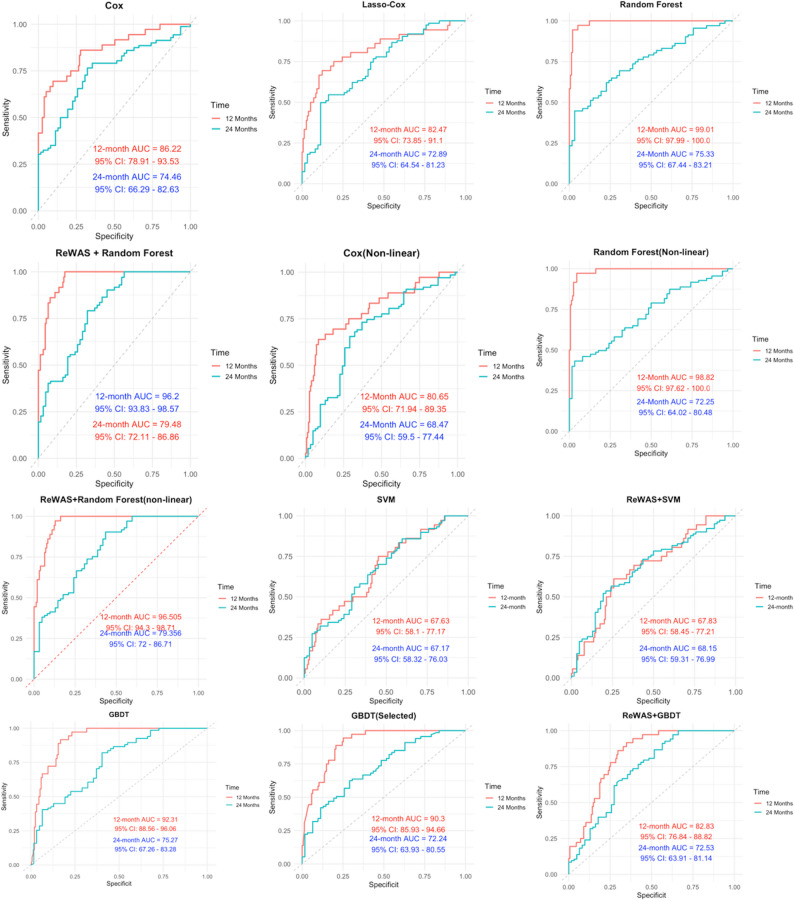 Figure 3
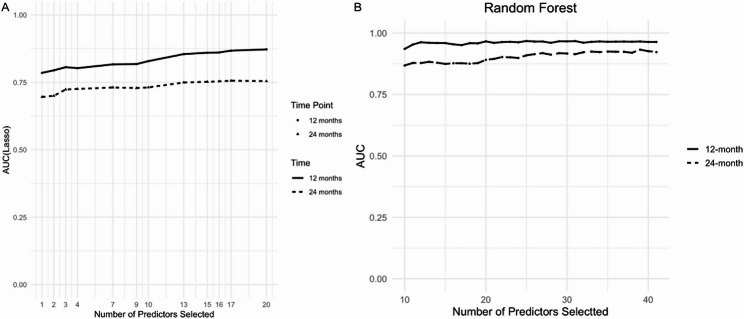 Figure 4
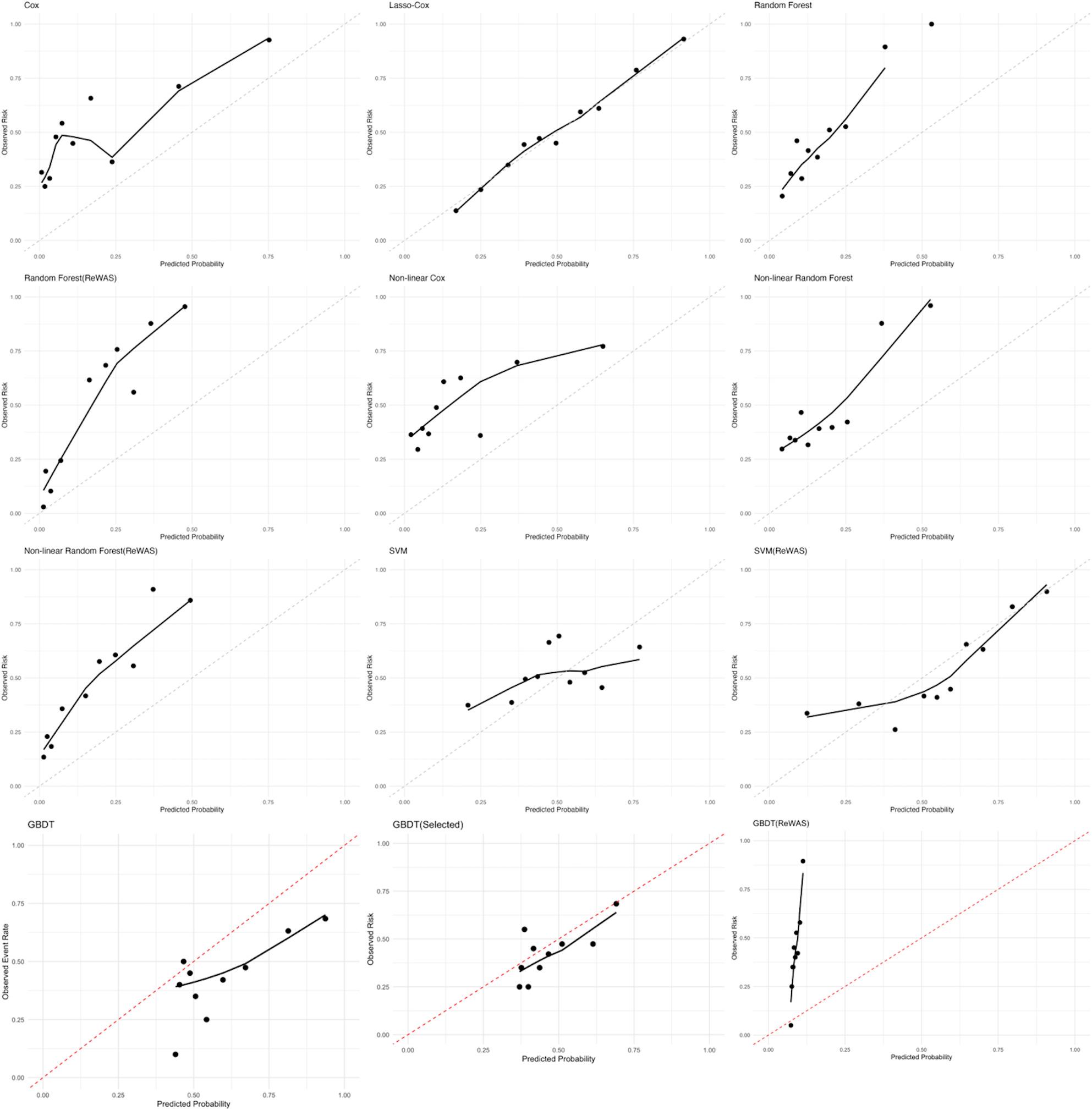 Figure 5
Peer Reviews
No public reviews on file for this paper yet. If you reviewed it on a platform where reviews are public (OpenReview, ICLR, NeurIPS, ICML), you can paste yours below so the community can read it here.
Videos
No videos yet. Explain this paper in a talk, walkthrough, or lecture? Add one.
Taxonomy
TopicsCardiovascular Function and Risk Factors · Mechanical Circulatory Support Devices · Pulmonary Hypertension Research and Treatments