Evaluation of contact-active antibacterial properties of cetylpyridinium chloride–graphene oxide coatings on dental restorative and titanium surfaces: an in vitro study
Keisuke Okubo, Gen Kano, Masato Komoda, Hideyuki Kamata, Shin Nakamura, Yuki Shinoda-Ito, Kazuhiro Omori, Yuta Nishina, Shogo Takashiba

TL;DR
This study shows that a coating made of cetylpyridinium chloride and graphene oxide can effectively reduce bacteria on dental materials and implants, potentially preventing dental diseases.
Contribution
A novel composite coating combining cetylpyridinium chloride and graphene oxide is developed for durable antibacterial surface modification in dentistry.
Findings
Cetylpyridinium chloride–graphene oxide coatings significantly reduced bacterial viability on dental surfaces.
The antibacterial effects remained after washing and air-drying on both composite resin and titanium surfaces.
Raman spectroscopy confirmed stable retention of the coating on material surfaces.
Abstract
Biofilm formation on dental restorative materials and implant surfaces plays a central role in the development of dental caries, periodontal disease, and peri-implantitis. Durable antimicrobial surface treatments that inhibit bacterial adhesion and biofilm formation remain a significant unmet need in restorative and implant dentistry. Therefore, this study aimed to develop a composite coating combining cetylpyridinium chloride and graphene oxide, and to evaluate its durable antibacterial surface modification under in vitro conditions. A composite coating consisting of cetylpyridinium chloride and graphene oxide was prepared and applied to composite resin and titanium surfaces. Antibacterial activity against Streptococcus mutans and Porphyromonas gingivalis was evaluated using adenosine triphosphate assays and fluorescence-based live/dead staining. Coating retention after washing and…
Genes, proteins, chemicals, diseases, species, mutations and cell lines named across the full text — each resolved to its canonical identifier and authoritative record.
Click any figure to enlarge with its caption.
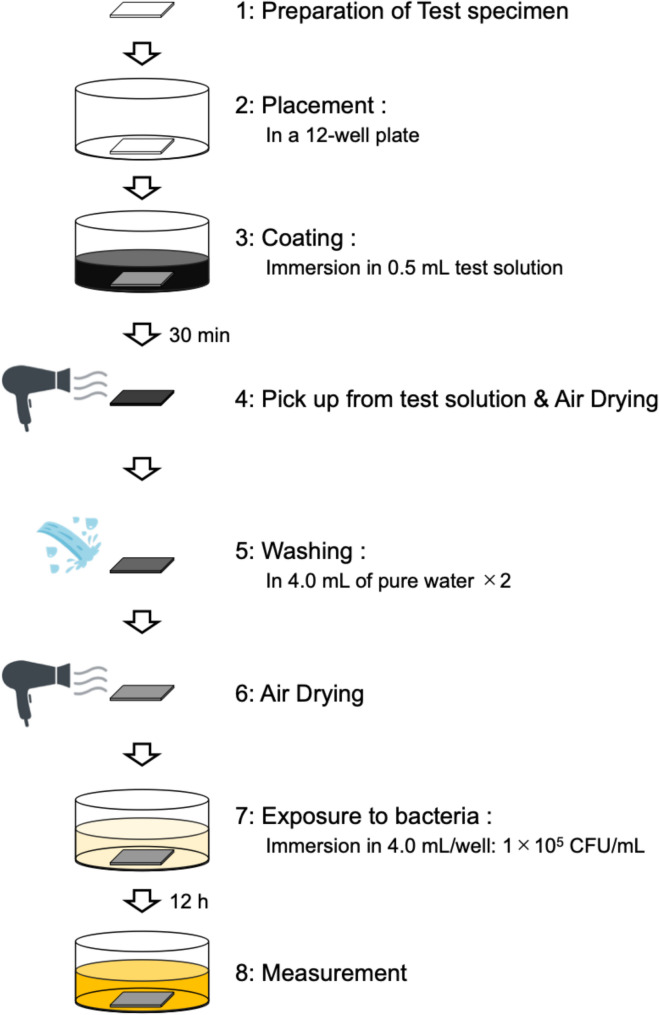 Figure 1
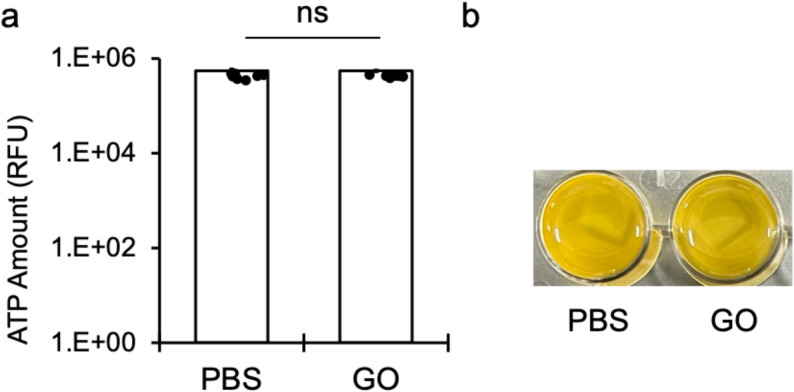 Figure 2
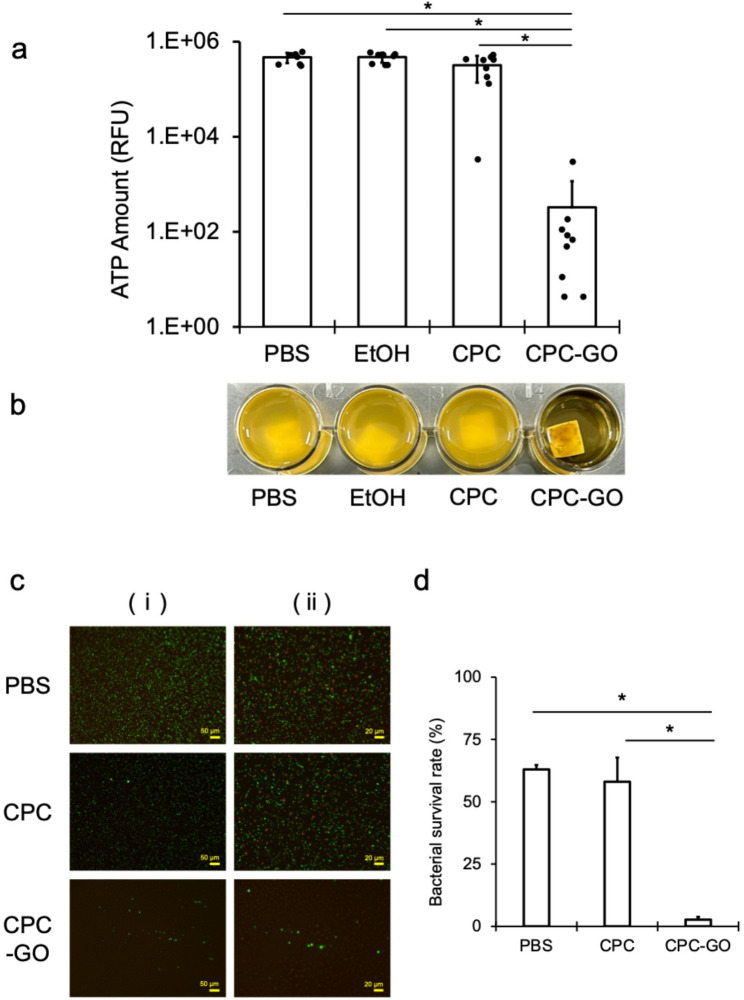 Figure 3
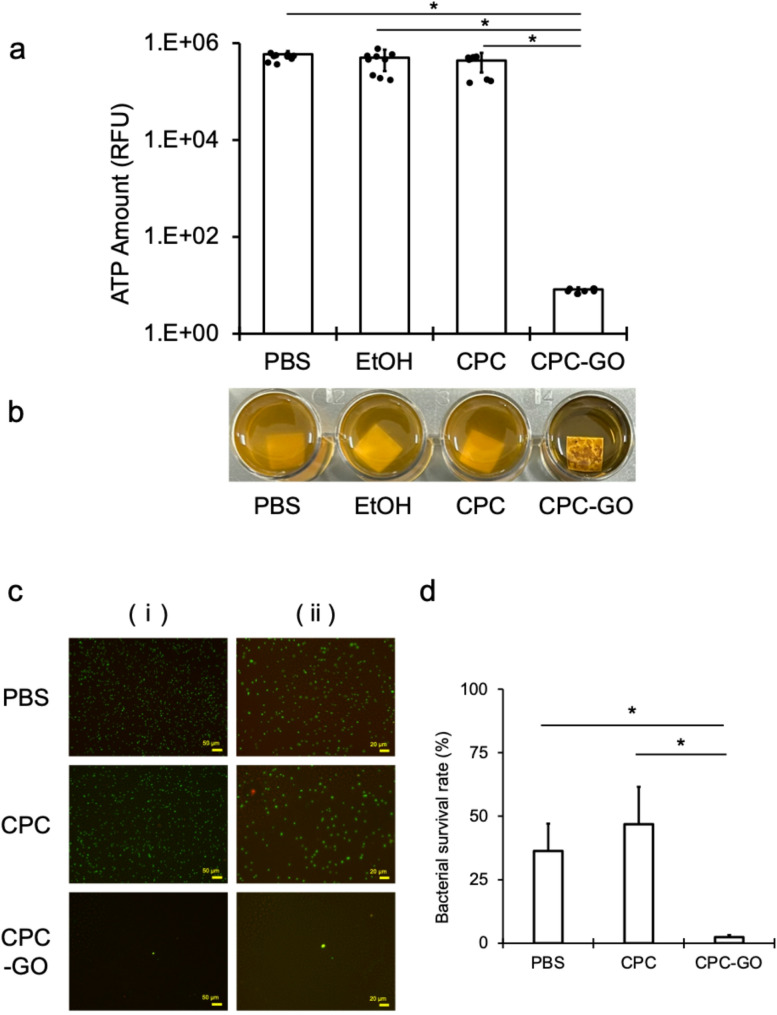 Figure 4
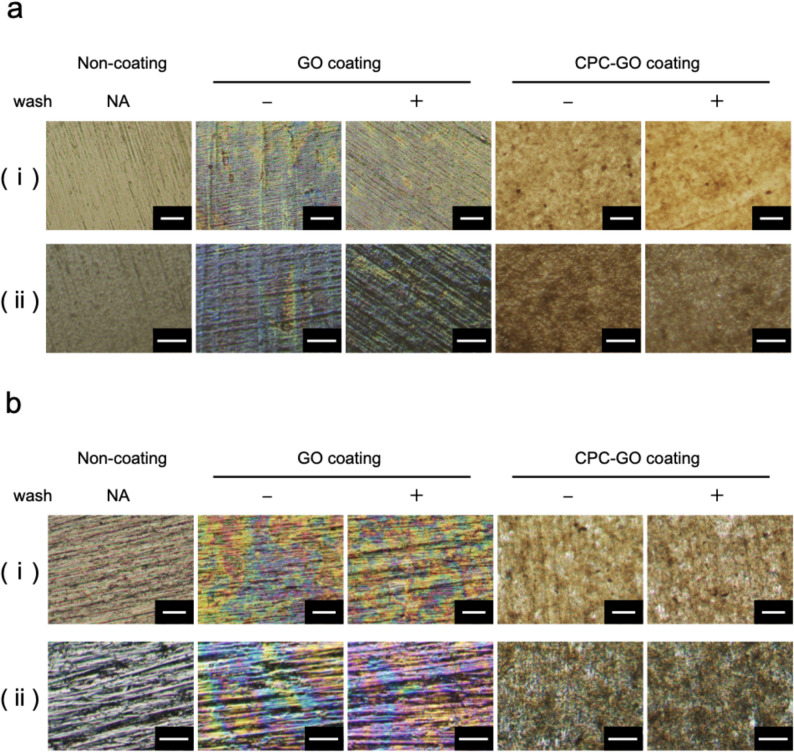 Figure 5
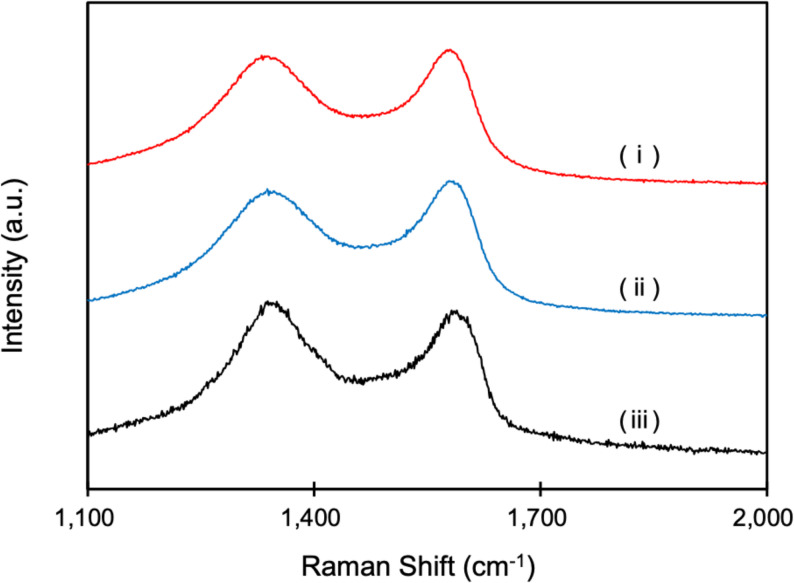 Figure 6
Peer Reviews
No public reviews on file for this paper yet. If you reviewed it on a platform where reviews are public (OpenReview, ICLR, NeurIPS, ICML), you can paste yours below so the community can read it here.
Videos
No videos yet. Explain this paper in a talk, walkthrough, or lecture? Add one.
Taxonomy
TopicsGraphene and Nanomaterials Applications · Bone Tissue Engineering Materials · Graphene research and applications