Detecting the metabolic transition to personalize nutritional timing: model development and preliminary validation in a large ICU cohort
Yonatan Gargi, Neriya Levran, Jacob Vine, Amir Cohen, Dana Weiner, Dorit Stein, Ori Levi, Dor Cohen, Julia Klein, Hamutal S. Taube, Maxim Glebov, Teddy Lazebnik, Mor Saban, Shaked Efrat, Elad Drori, Yael Haviv, Eran Segal

TL;DR
This study creates a model to detect when critically ill patients shift from catabolism to anabolism, showing that early metabolic transition is linked to better survival and that calorie timing should align with this transition.
Contribution
A physiology-based model to detect metabolic transition in ICU patients, validated with clinical data and mortality outcomes.
Findings
Metabolic transition was identified in 94% of ICU patients, with ~60% transitioning by day 3.
Transition by day 3 was associated with a 28% lower 90-day mortality risk.
High caloric delivery before transition increased mortality risk, suggesting nutrition should align with physiological recovery.
Abstract
The metabolic transition from catabolism to anabolism is a key determinant of recovery in critical illness and should guide nutritional therapy. However, no validated clinical marker currently exists to identify this transition, and current clinical practice relies on calendar-based recommendations. We aim to develop and preliminarily validate a physiology-based, trajectory-driven model to detect the metabolic transition window in critically ill patients. We conducted a retrospective cohort study in a tertiary-care general ICU. A daily insulin resistance index (IRI) was computed from glucose and insulin data and corrected for steroid exposure. Transition was defined as a ≥ 30% sustained drop in IRI after its peak, together with ≥ 2 of 8 physiologic recovery criteria (lactate, noradrenaline, vasopressin, adrenaline, inflammatory markers-WBC, %neutrophils, CRP, and albumin). Associations…
Genes, proteins, chemicals, diseases, species, mutations and cell lines named across the full text — each resolved to its canonical identifier and authoritative record.
Click any figure to enlarge with its caption.
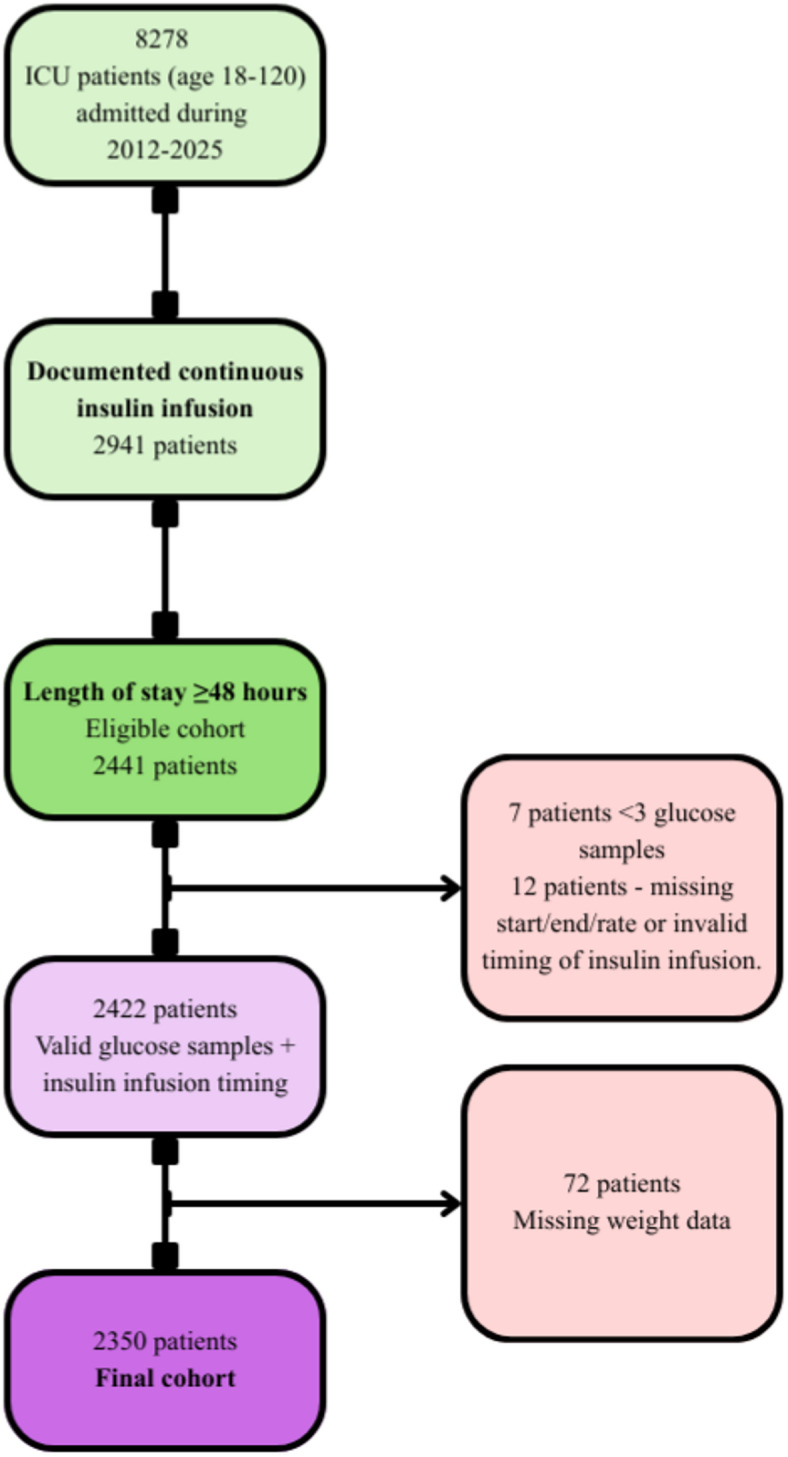 Figure 1
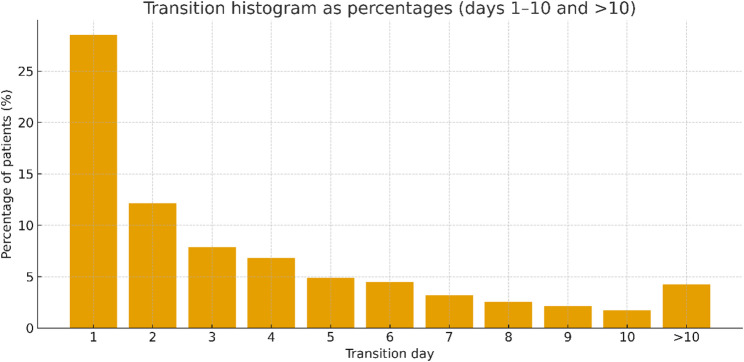 Figure 2
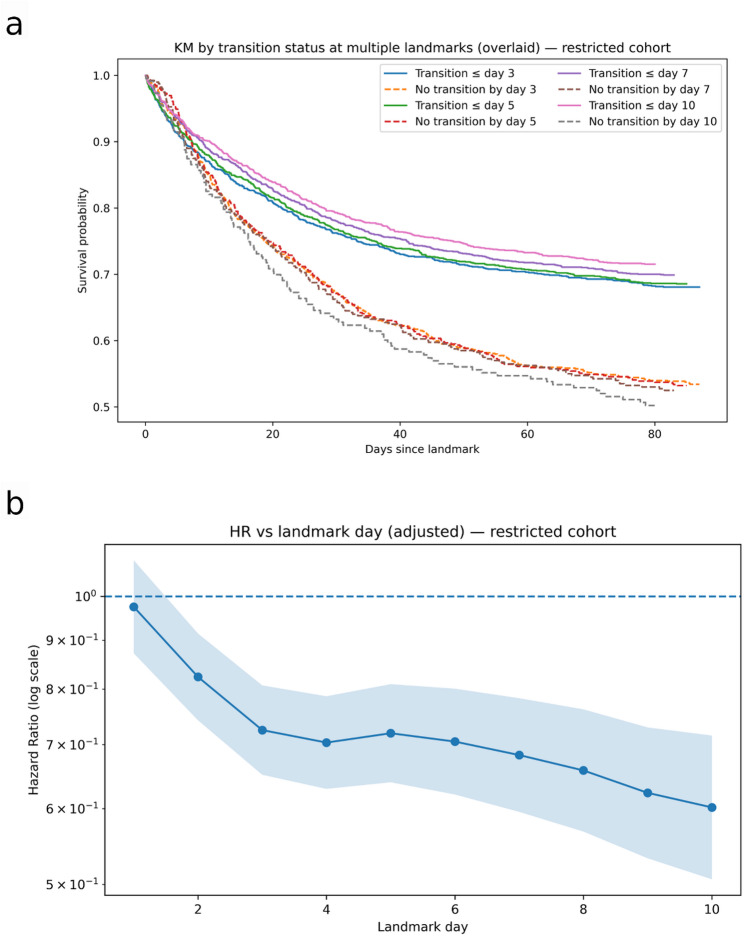 Figure 3
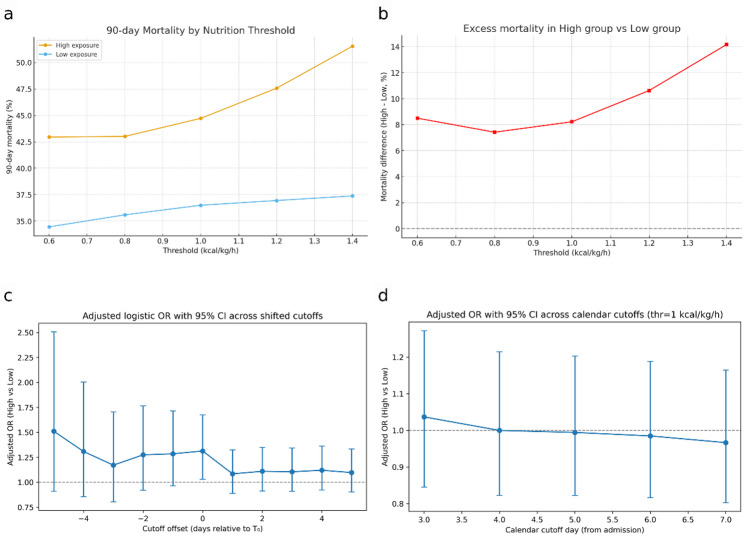 Figure 4
Peer Reviews
No public reviews on file for this paper yet. If you reviewed it on a platform where reviews are public (OpenReview, ICLR, NeurIPS, ICML), you can paste yours below so the community can read it here.
Videos
No videos yet. Explain this paper in a talk, walkthrough, or lecture? Add one.
Taxonomy
TopicsClinical Nutrition and Gastroenterology · Nutrition and Health in Aging · Enhanced Recovery After Surgery