Lineage-specific diversity of pheromone response pathway genes is independent of mating strategy in Ceratocystidaceae
Frances A. Lane, Brenda D. Wingfield, Michael J. Wingfield, P. Markus Wilken

TL;DR
This study explores pheromone-related genes in fungi and finds that their diversity is not linked to mating strategies.
Contribution
The study provides the most extensive analysis of pheromone-receptor systems in the Ceratocystidaceae fungi family.
Findings
Pheromone and receptor genes are present in most Ceratocystidaceae species, regardless of mating strategy.
Sequence and genomic location conservation correlate more with taxonomic relatedness than mating strategy.
Ambrosiella species lack a functional α-pheromone gene despite sexual reproduction reports.
Abstract
The pheromone-receptor system plays a crucial role in mate recognition and fertilisation of ascomycete fungi and is strongly regulated by proteins coded for in the mating-type locus. This locus also determines the mating strategy, sexual identity and mate compatibility of fungal species. Genome assemblies are available for many species in the Ceratocystidaceae, a family of fungi with diverse mating strategies. This provided an opportunity to investigate the relationship between sexual strategy and the pheromone-receptor system in these species. The pheromone and pheromone-receptor genes were identified and characterised from the genome sequences of 52 isolates representing 35 species from 14 genera in the Ceratocystidaceae. Additionally, these data were used to elucidate patterns linked to differences between the pheromones and pheromone receptors, and mating strategies. To do this, the…
Genes, proteins, chemicals, diseases, species, mutations and cell lines named across the full text — each resolved to its canonical identifier and authoritative record.
Click any figure to enlarge with its caption.
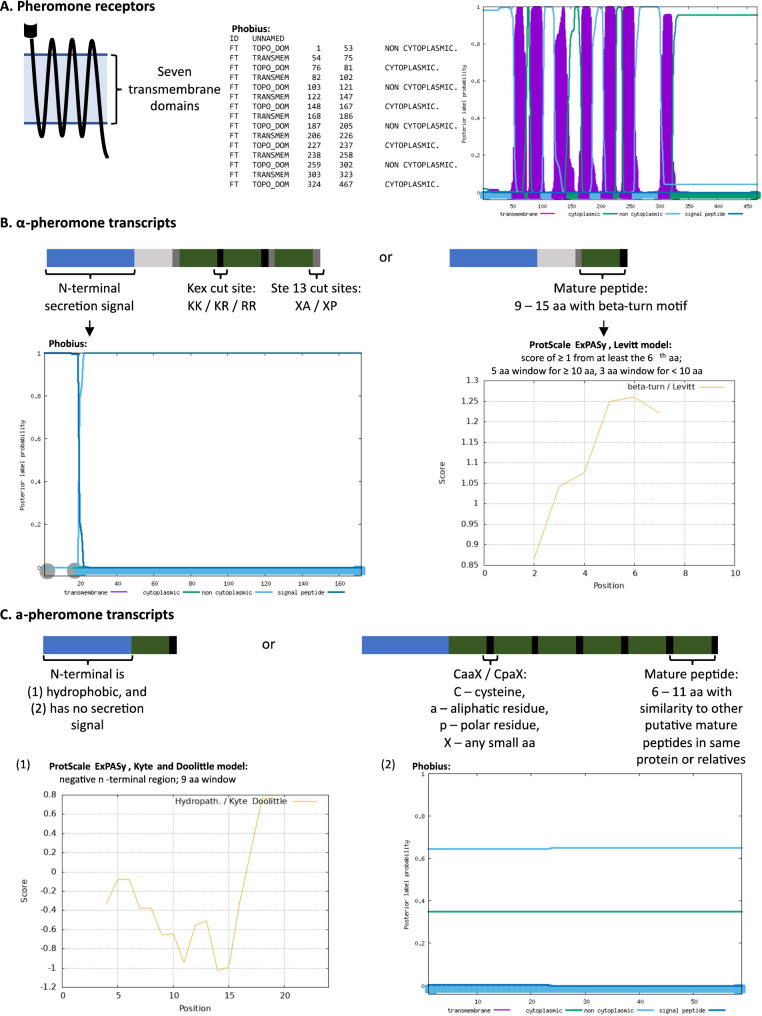 Figure 1
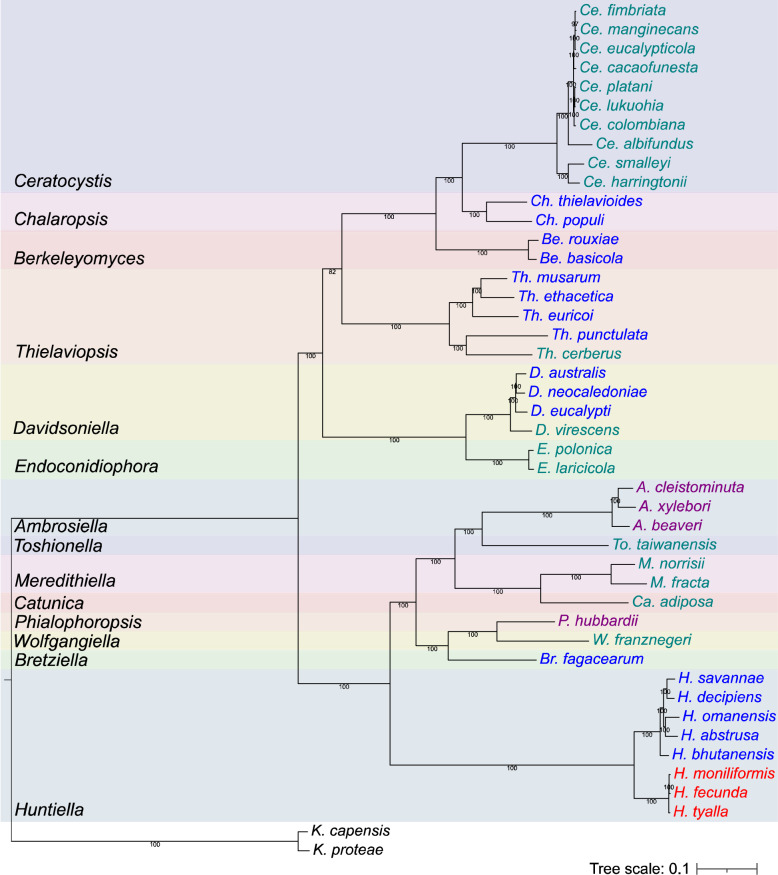 Figure 2
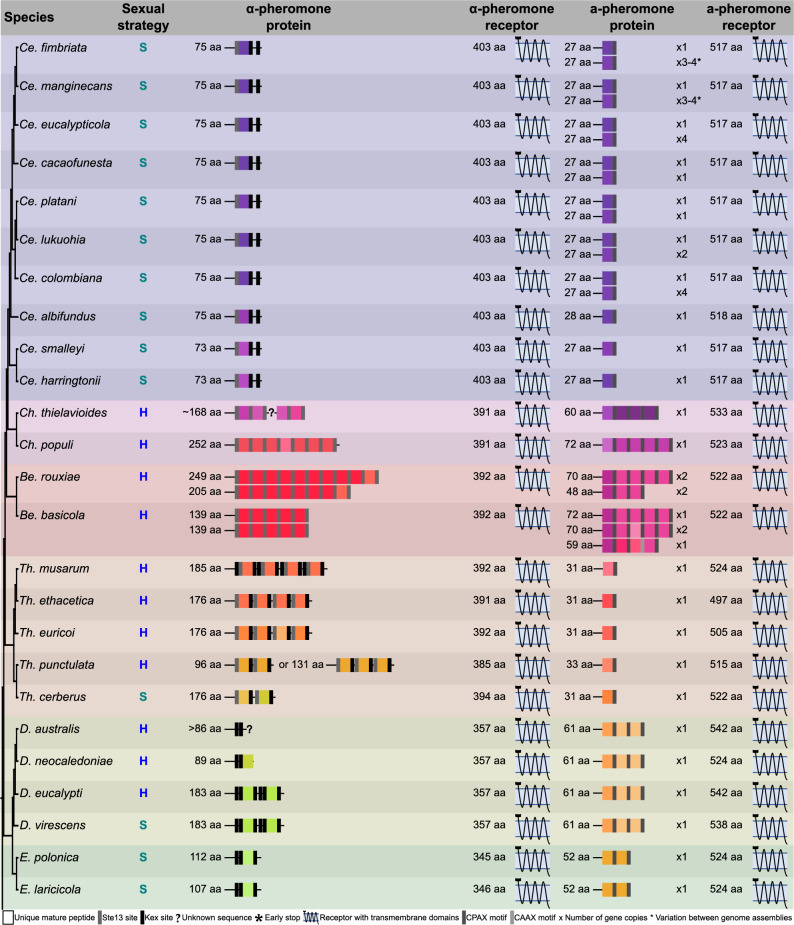 Figure 3
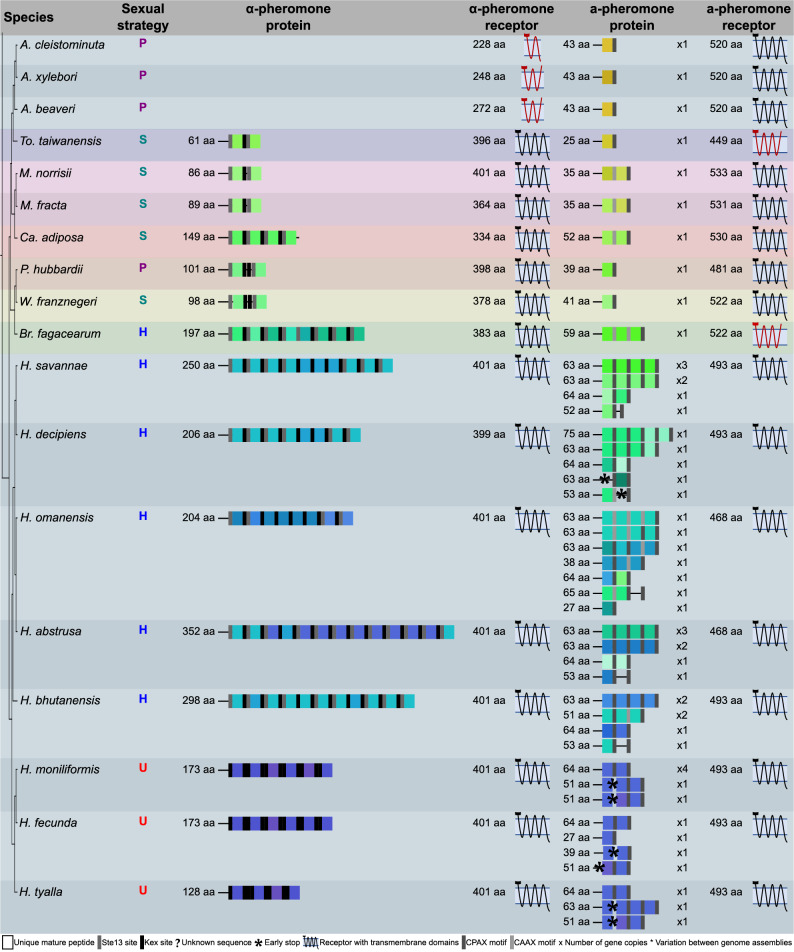 Figure 3
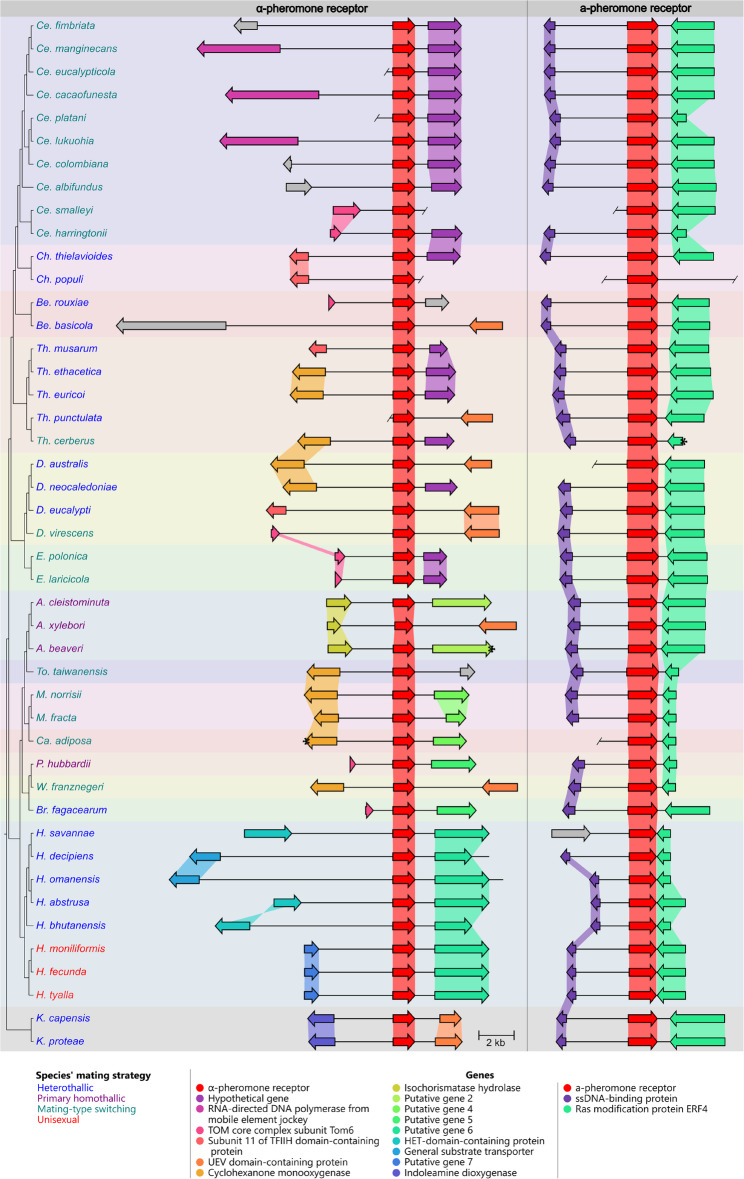 Figure 4
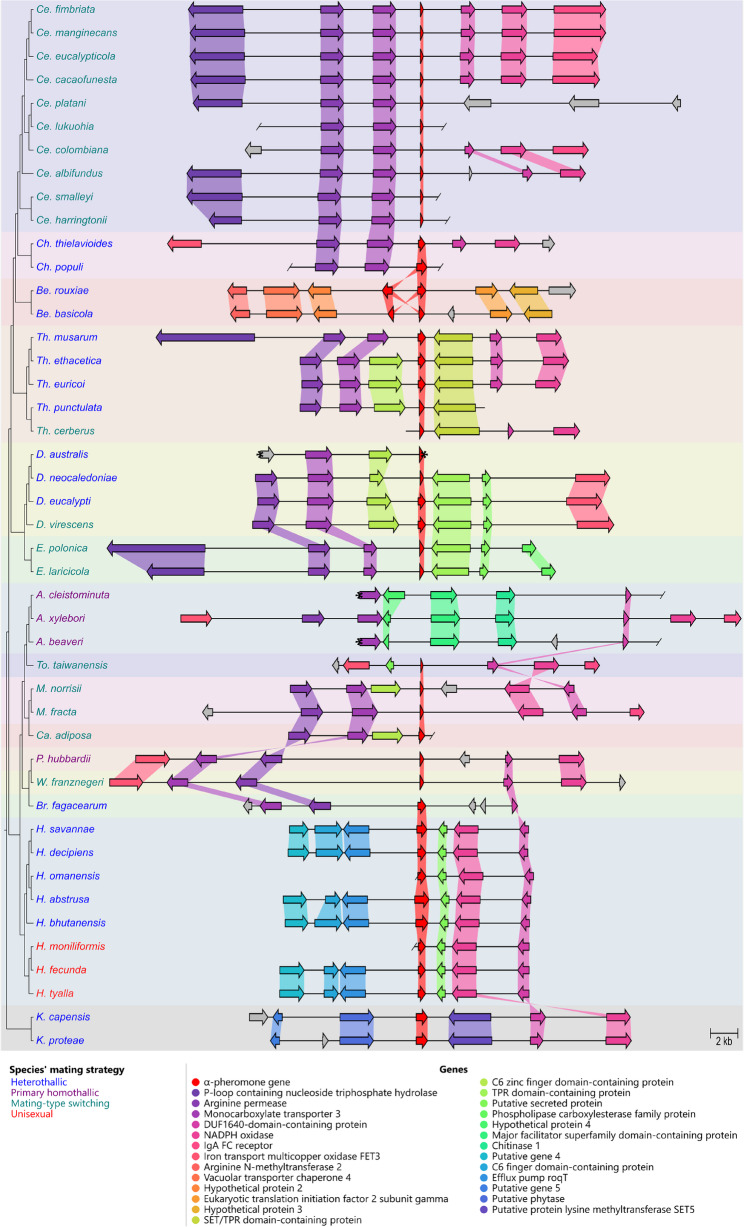 Figure 5
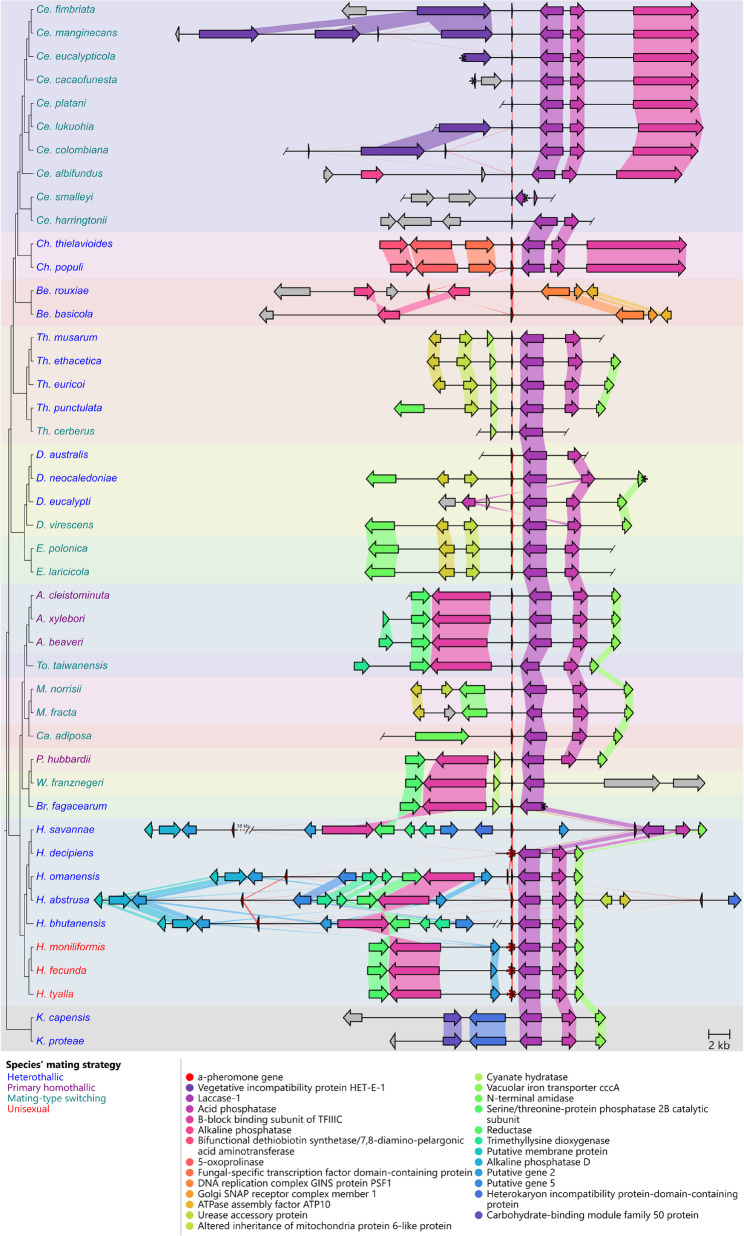 Figure 6
Peer Reviews
No public reviews on file for this paper yet. If you reviewed it on a platform where reviews are public (OpenReview, ICLR, NeurIPS, ICML), you can paste yours below so the community can read it here.
Videos
No videos yet. Explain this paper in a talk, walkthrough, or lecture? Add one.
Taxonomy
TopicsFungal and yeast genetics research · Forest Insect Ecology and Management · Infectious Diseases and Mycology