Onchocerca volvulus infection prevalence and intensity in Logo and Nyarambe Health Zones in Ituri, Democratic Republic of the Congo in 2010 and in 2021–2023: results of screening for clinical trials of moxidectin versus ivermectin
Françoise N. Ngave, Deogratias U. Wonyarossi, Germain M. Abhafule, Joël L. Mande, Amos Nyathirombo, Claude B. Uvon, Anuarite A. Raciu, Michel Mandro, Pascal T. Adroba, Tony O. Ukety, Innocent A. Mananu, Gisèle L. Abeditho, Jules U. Upenjirwoth, Carine M. Aliang’o

TL;DR
This study compares the prevalence and intensity of Onchocerca volvulus infection in two regions of the Democratic Republic of the Congo in 2010 and 2021–2023, finding a significant decline that may be due to reduced vector biting rates.
Contribution
The study provides new insights into the decline of Onchocerca volvulus infection in areas without ivermectin treatment, suggesting environmental factors may be responsible.
Findings
Infection prevalence dropped from 23.3% to 89.8% in Logo Health Zone between 2010 and 2021–2023.
Microfilariae density decreased significantly, with mean values dropping from 24.30 to 1.1 in Logo Health Zone.
The reduction in infection is likely due to decreased vector biting rates, possibly linked to land-use changes.
Abstract
In Ituri Province, 7576 and 1056 volunteers living in Logo and Nyarambe Health Zone (HZ), respectively, were screened in 2021–2023 for two studies comparing moxidectin and ivermectin in individuals with ≥ 0 Onchocerca volvulus skin microfilariae density (SmfD, microfilariae/mg skin). Site selection was based on the trial capacity established for the moxidectin Phase 3 study and SmfD measured among 1373 and 36 individuals screened in HZ Logo and Nyarambe, respectively, in 2010. We compared the SmfD measured in 2010 and 2021–2023 in Logo HZ where ivermectin mass administration was never implemented and provide descriptive statistics for SmfD from Nyarambe HZ. Four skin snips from each consenting/assenting individual ≥ 12 years old were weighed and incubated in isotonic saline for ≥ 8 h. Emerged microfilariae were counted and SmfD calculated as the mean of the microfilariae/mg skin of…
Genes, proteins, chemicals, diseases, species, mutations and cell lines named across the full text — each resolved to its canonical identifier and authoritative record.
Click any figure to enlarge with its caption.
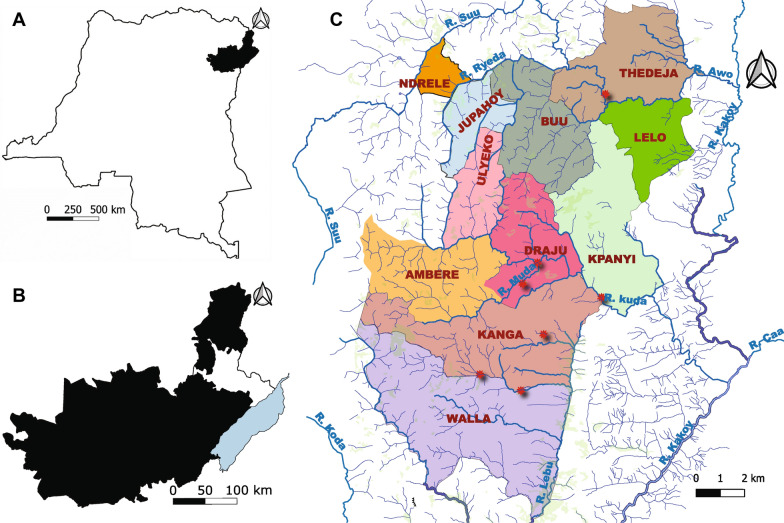 Figure 1
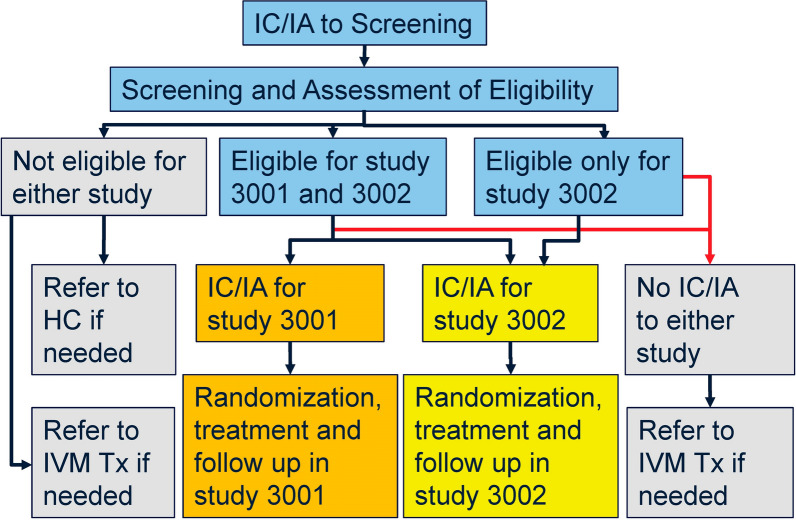 Figure 2
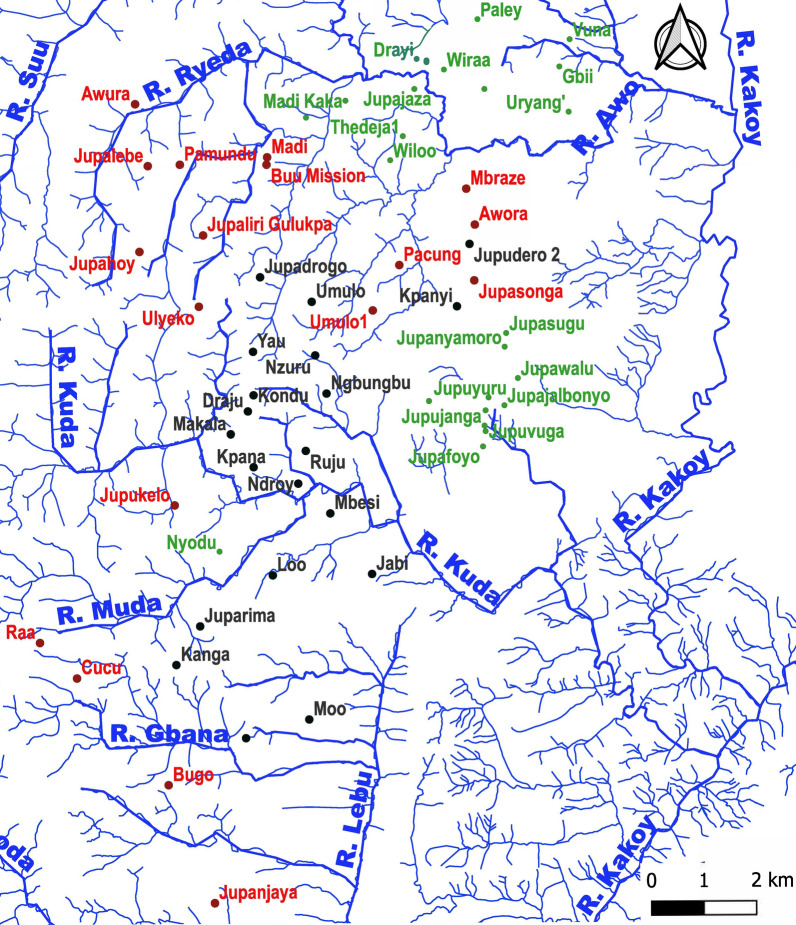 Figure 3
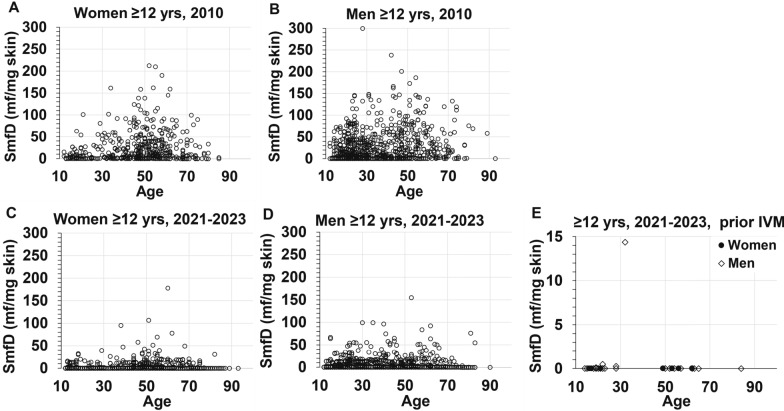 Figure 4
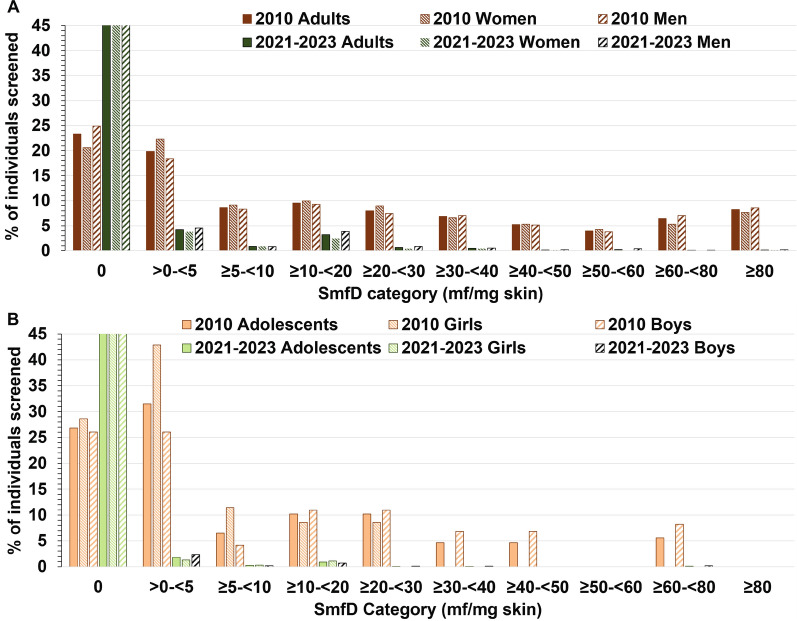 Figure 5
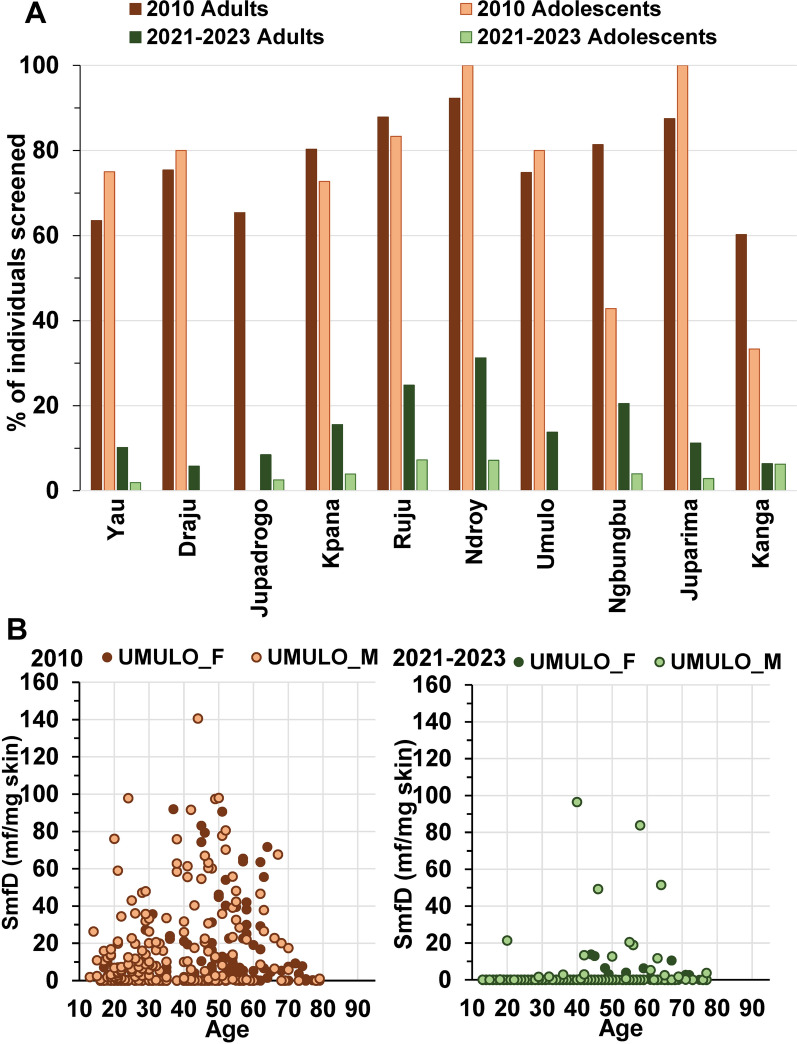 Figure 6
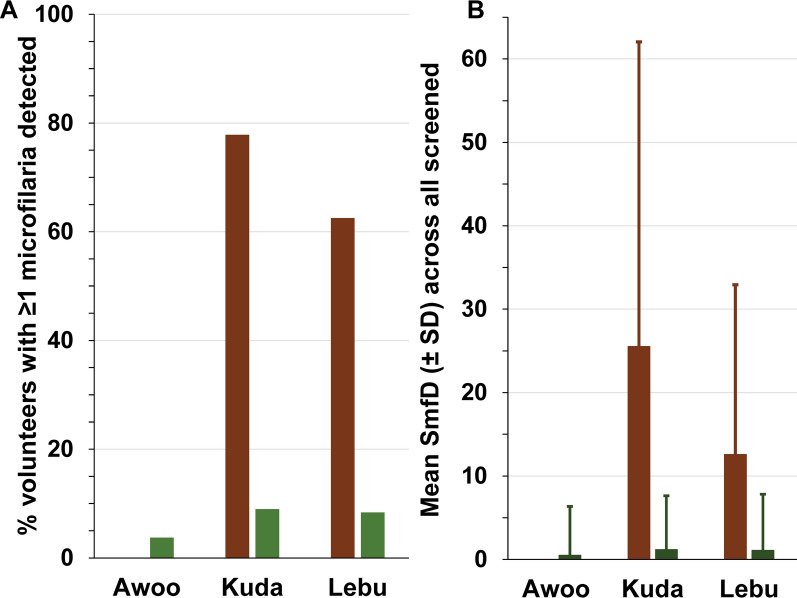 Figure 7
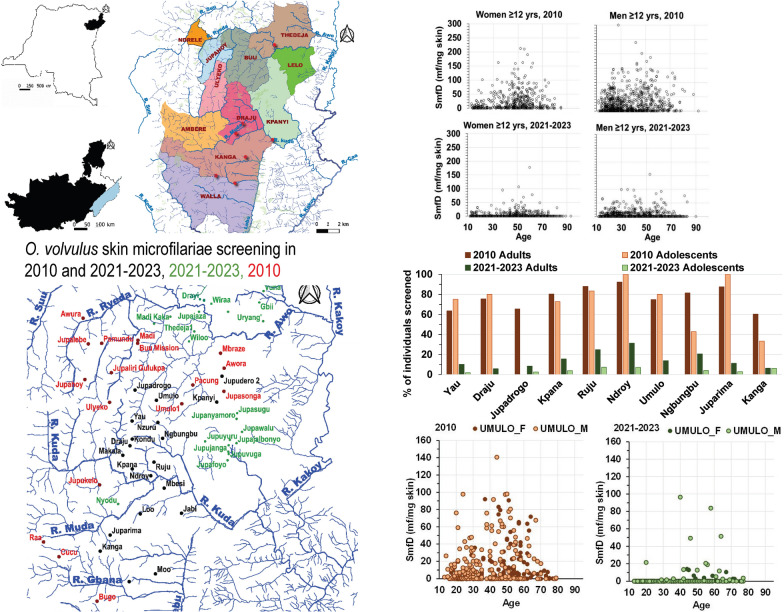 Figure 8
Peer Reviews
No public reviews on file for this paper yet. If you reviewed it on a platform where reviews are public (OpenReview, ICLR, NeurIPS, ICML), you can paste yours below so the community can read it here.
Videos
No videos yet. Explain this paper in a talk, walkthrough, or lecture? Add one.
Taxonomy
TopicsParasitic Diseases Research and Treatment · Parasites and Host Interactions · Insects and Parasite Interactions