Construction of a novel risk model for esophageal squamous cell carcinoma associated with purinergic signaling pathways and chemoradiotherapy sensitivity genes
Xiang Zhan, Fengge Zhou, Yuanhui Yang, Lingli Lei, Miao Li, Jixian Li, Alei Feng, Yan Qu, Renya Zeng, Zhe Yang

TL;DR
This study identifies four genes linked to chemoradiotherapy and purinergic signaling in esophageal cancer, creating a risk model to predict patient survival and treatment response.
Contribution
A novel risk model for ESCC based on purinergic signaling and CRT sensitivity genes is developed, offering new insights for diagnosis and treatment.
Findings
Four prognostic signature genes (ANXA10, ERICH5, HRG, AMN) were identified and linked to survival outcomes.
High-risk patients showed increased immune cell infiltration and better response to specific drugs like VX.702 and BMS.754807.
ANXA10 was down-regulated in tumors, while HRG was up-regulated compared to normal tissues.
Abstract
Esophageal squamous cell carcinoma (ESCC) significantly impacts public health. Variability exists in patients’ responses to chemoradiotherapy (CRT), and the role of purinergic signaling (PS) in ESCC, related to tumor migration, remains unclear. Survival-related genes among PS-related genes were identified using univariate Cox analysis. Patients from The Cancer Genome Atlas (TCGA)-ESCC dataset were categorized based on optimal scoring thresholds. Differential expression analysis was employed to identify differentially expressed genes (DEGs) between tumors and controls and across scoring groups. Intersecting genes from DEGs were identified and further analyzed in the GSE45670 dataset to identify genes associated with CRT sensitivity, which were designated as candidate genes. A prognostic signature was developed, and gene set enrichment analysis (GSEA), mutation analysis, immune…
Genes, proteins, chemicals, diseases, species, mutations and cell lines named across the full text — each resolved to its canonical identifier and authoritative record.
Click any figure to enlarge with its caption.
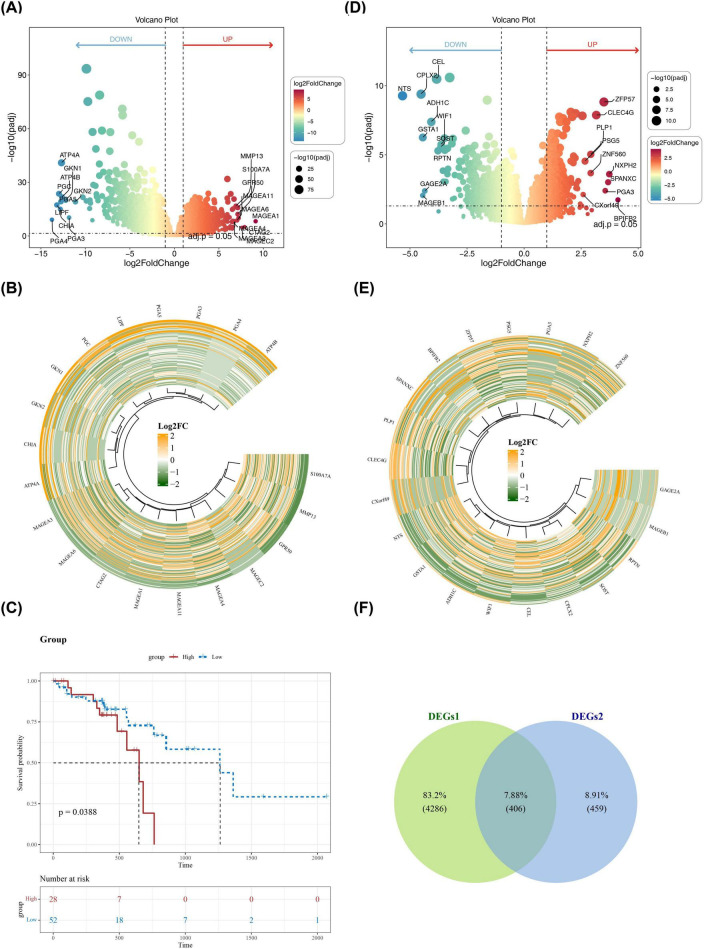 Figure 1
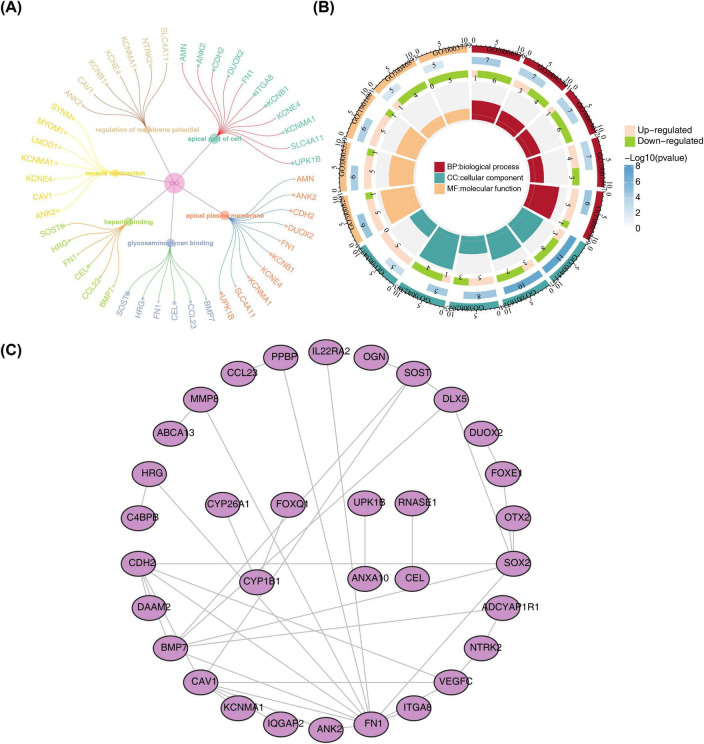 Figure 2
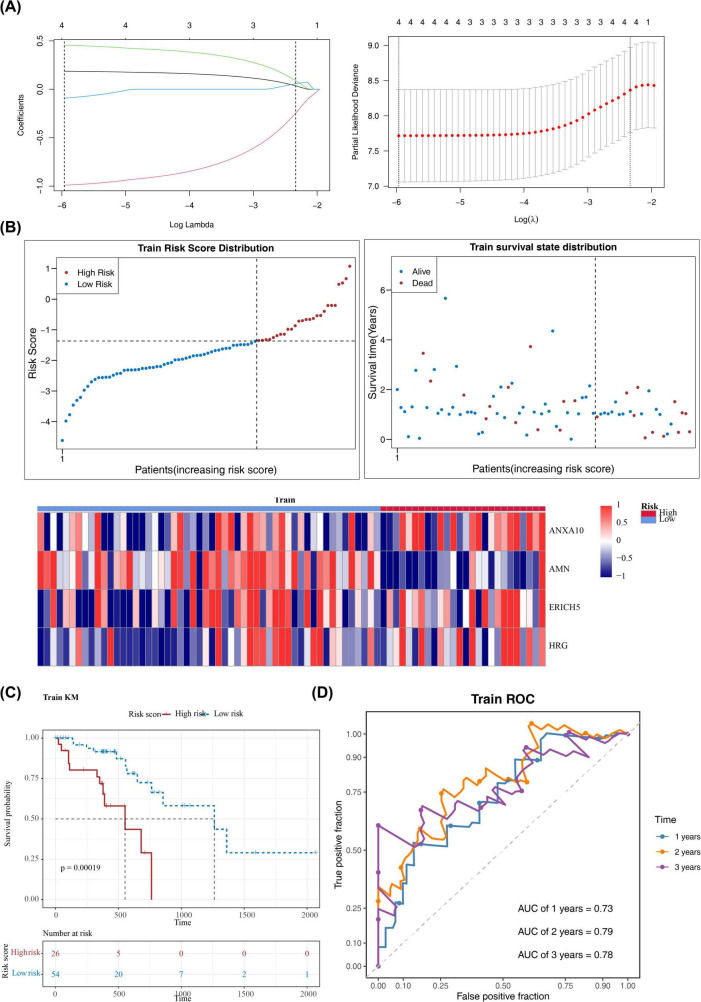 Figure 3
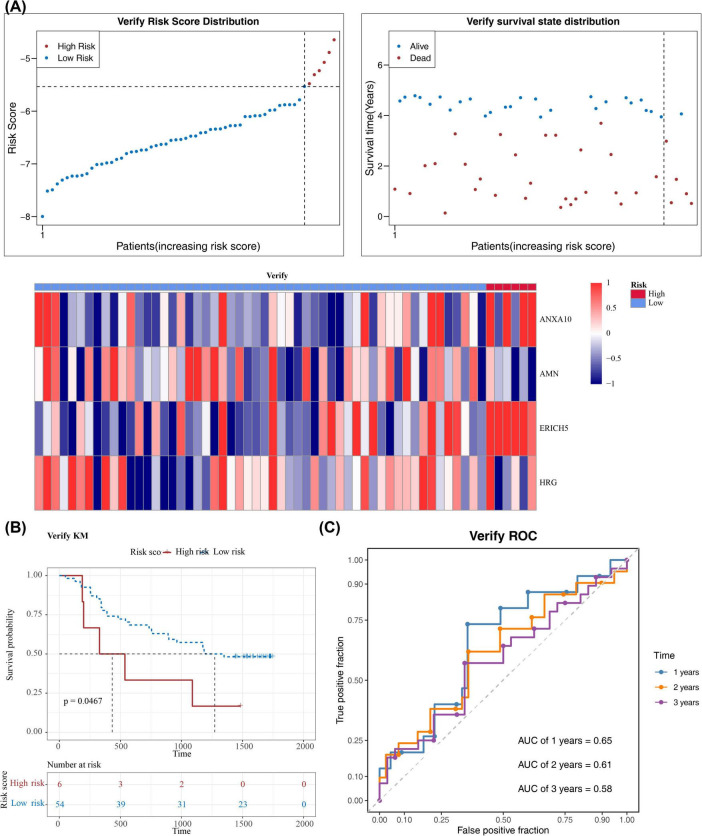 Figure 4
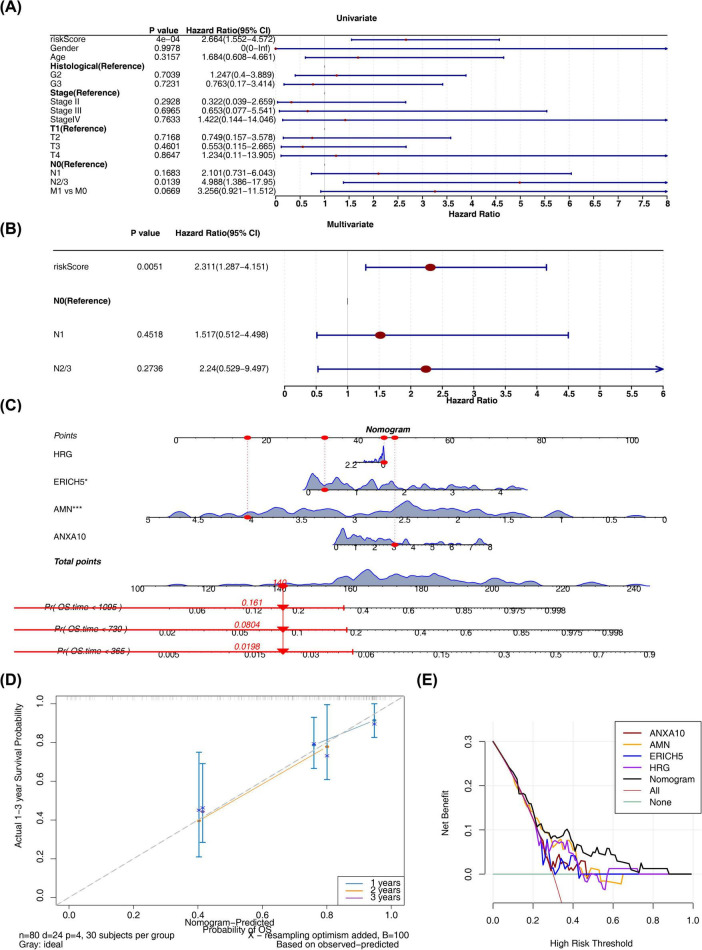 Figure 5
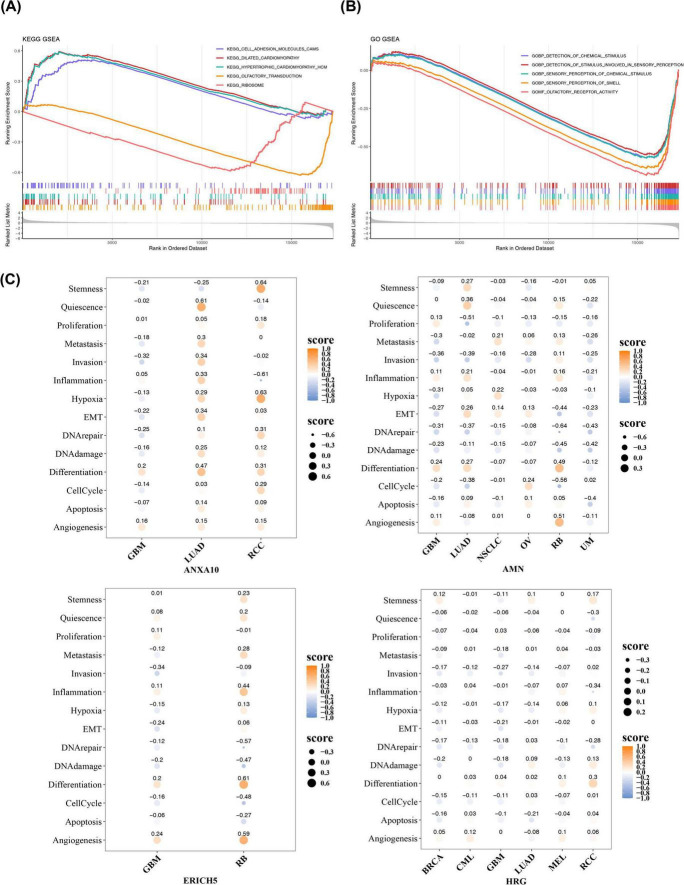 Figure 6
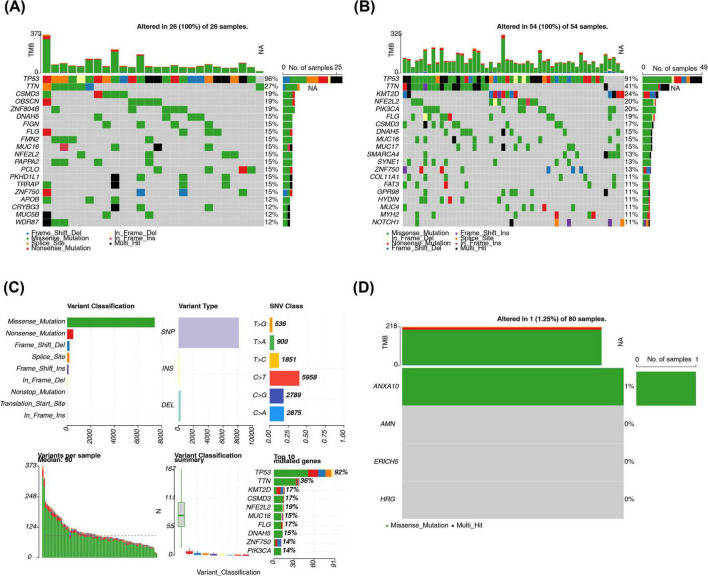 Figure 7
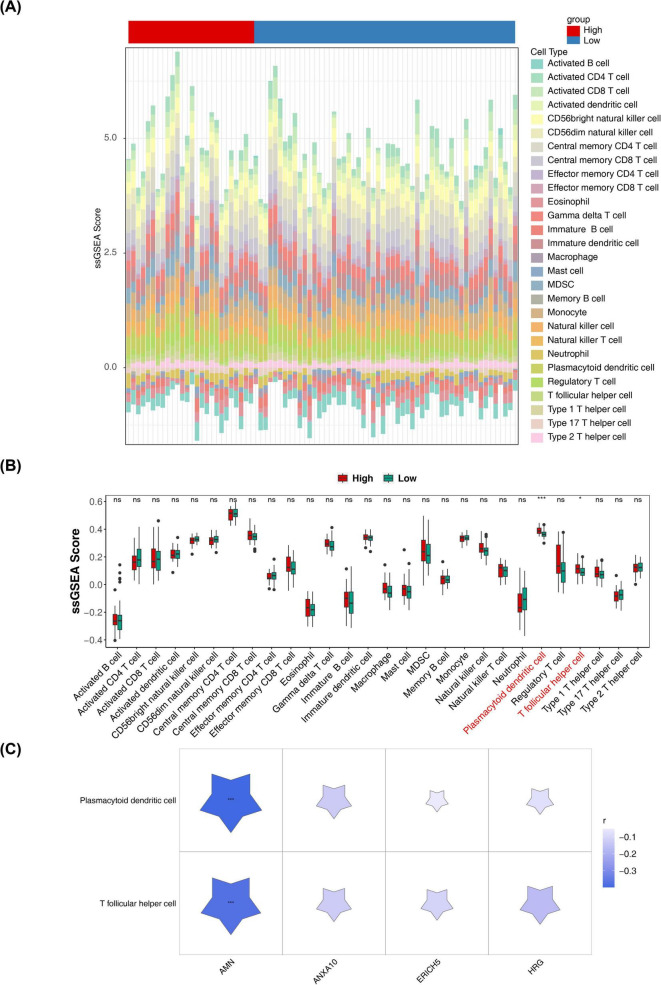 Figure 8
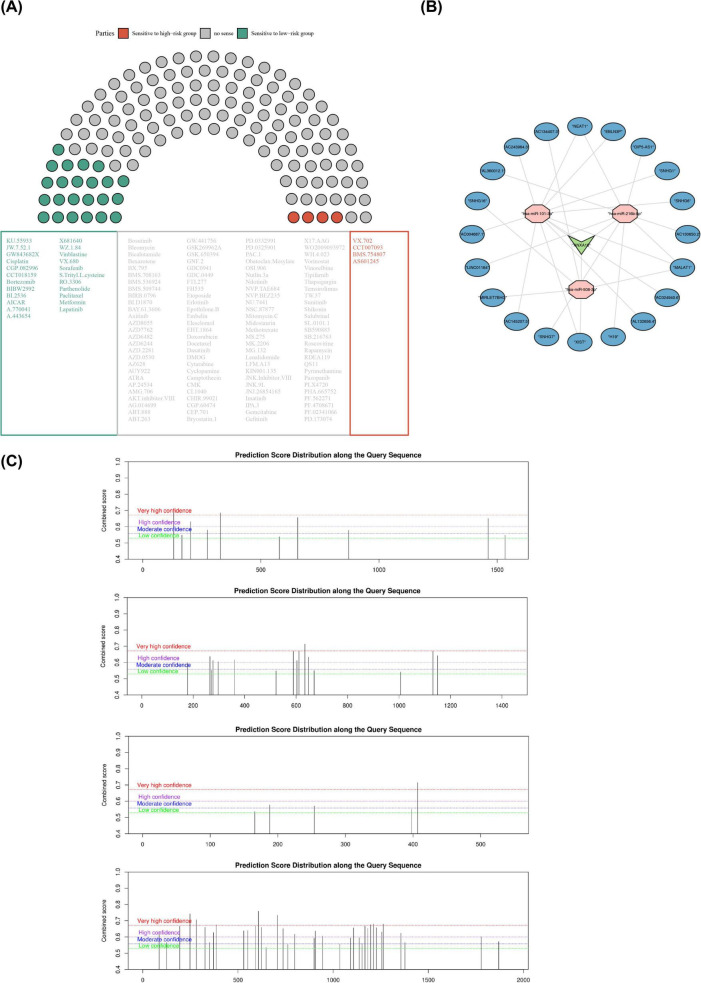 Figure 9
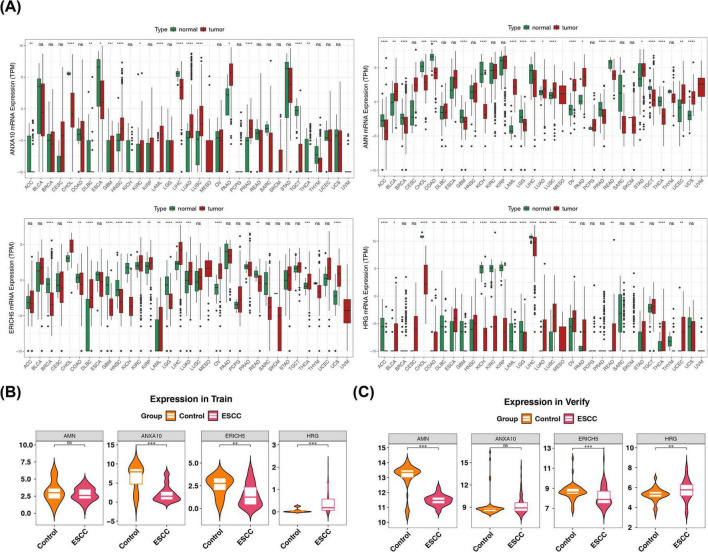 Figure 10
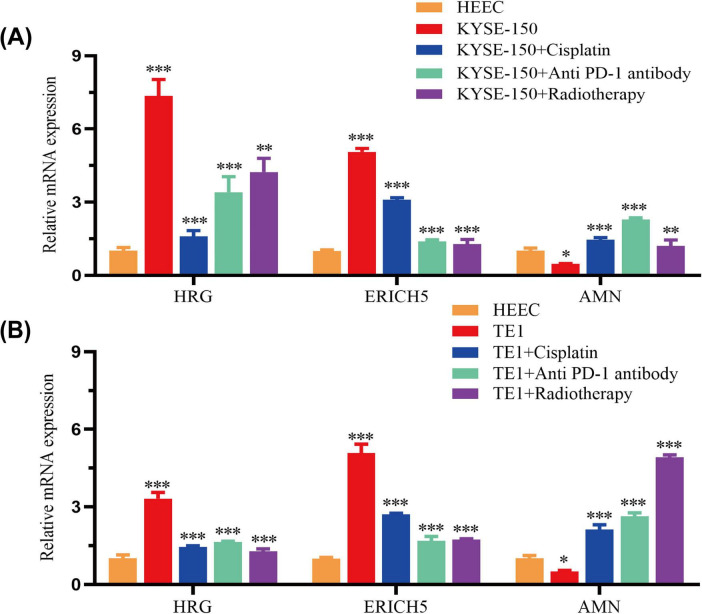 Figure 11
Peer Reviews
No public reviews on file for this paper yet. If you reviewed it on a platform where reviews are public (OpenReview, ICLR, NeurIPS, ICML), you can paste yours below so the community can read it here.
Videos
No videos yet. Explain this paper in a talk, walkthrough, or lecture? Add one.
Taxonomy
TopicsAdenosine and Purinergic Signaling · Ferroptosis and cancer prognosis · Connective Tissue Growth Factor Research