Basal inferoseptal longitudinal strain deformation may indicate early cardiac involvement in wild-type carpal ATTR
Toshihiro Tsuruda, Tomomi Ota, Tamasa Terada, Hiroshi Nakada, Miyuki Ogata, Miyo Tanaka, Yosuke Suiko, Yunosuke Matsuura, Soichi Komaki, Kohei Moribayashi, Rina Yamada, Atsushi Yamashita, Keisuke Yamamoto, Kensaku Nishihira, Yoshisato Shibata, Koichi Kaikita

TL;DR
This study finds that specific heart muscle strain patterns may signal early heart issues in older adults with a certain type of amyloidosis.
Contribution
The study identifies basal inferoseptal longitudinal strain as a novel early indicator of cardiac involvement in wild-type ATTR amyloidosis.
Findings
Basal inferoseptal longitudinal strain (LS) was significantly lower in patients with elevated troponin-T.
Basal inferoseptal LS outperformed global longitudinal strain and BNP in identifying high troponin-T levels.
Segmental strain analysis differentiated early cardiac involvement in wild-type ATTR amyloidosis.
Abstract
Wild-type transthyretin cardiac amyloidosis (ATTRwt-CA) is now increasingly identified as a cause of heart failure in older adults. This study aimed to clarify the morphological and functional alterations of the left ventricle (LV) that define the early stage of this condition. We prospectively evaluated 81 patients diagnosed with wild-type ATTR (ATTRwt) amyloidosis (mean age 77 ± 6 years; 88% male), categorized into three groups based on myocardial uptake on radioactive pyrophosphate scintigraphy and histological confirmation: (i) carpal ATTR without cardiac involvement (Group 1, n = 13), (ii) asymptomatic cardiac involvement (Group 2, n = 10) and (iii) overt heart failure (Group 3, n = 58). Compared with Group 3, Group 1 showed higher absolute global longitudinal strain (GLS) (median 19.0 [13.2–23.8]%, P < .001), a lower apical-sparing ratio (median 0.66 [0.55–1.04], P < .001) and…
Genes, proteins, chemicals, diseases, species, mutations and cell lines named across the full text — each resolved to its canonical identifier and authoritative record.
Click any figure to enlarge with its caption.
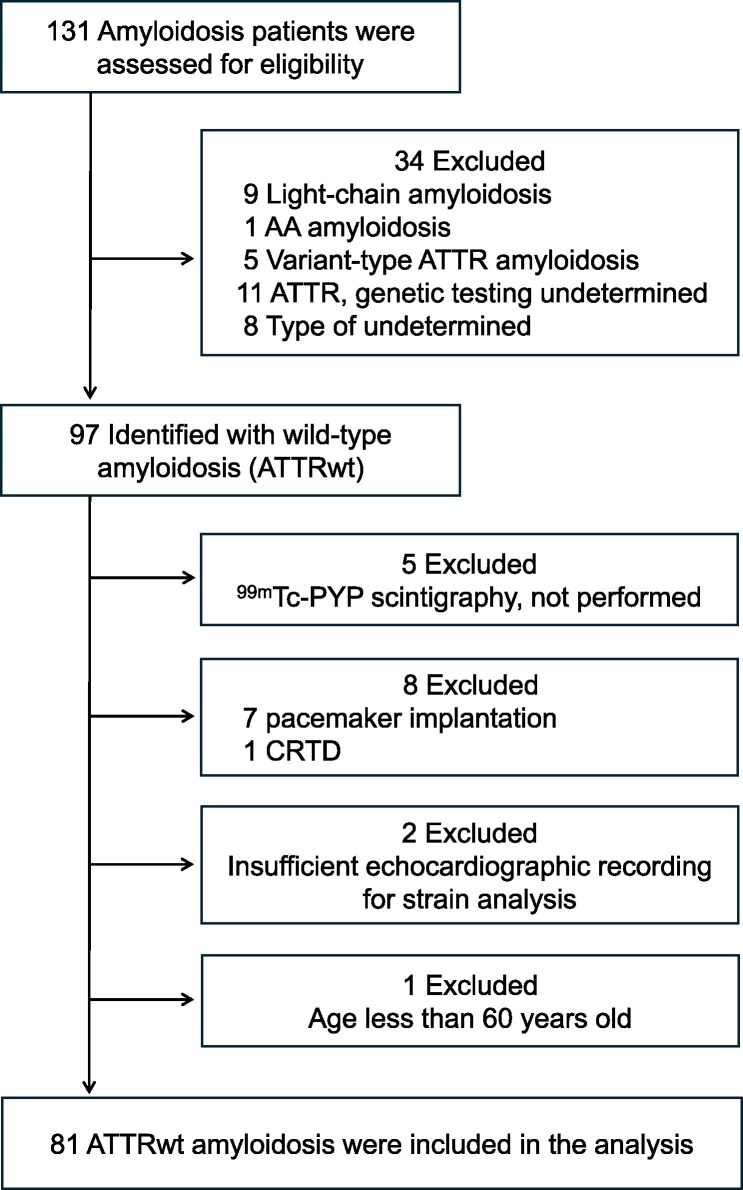 Figure 1
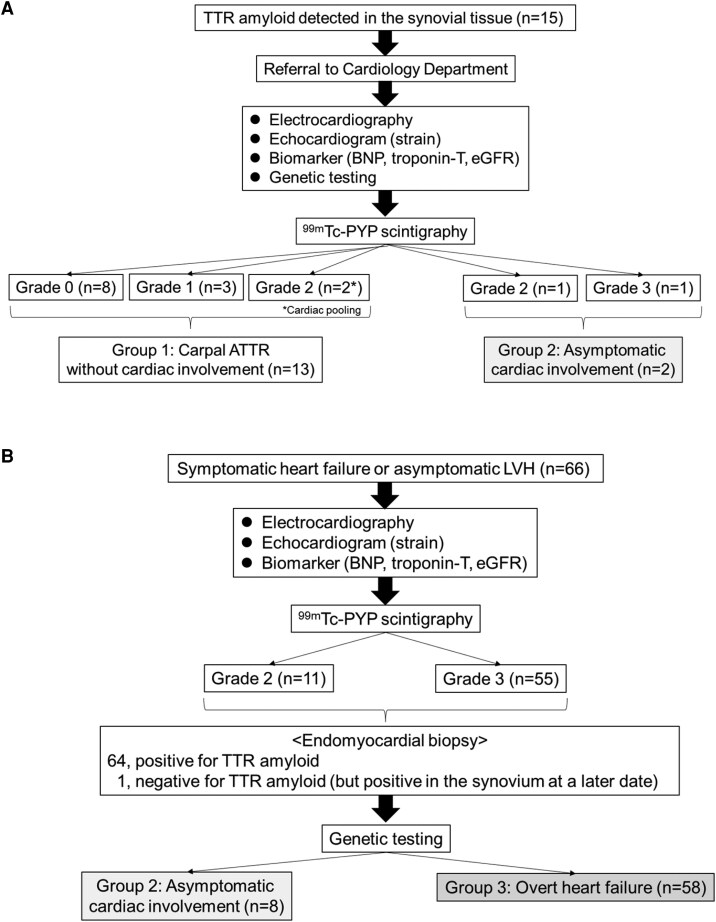 Figure 2
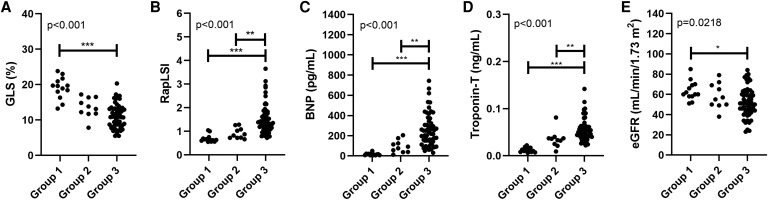 Figure 3
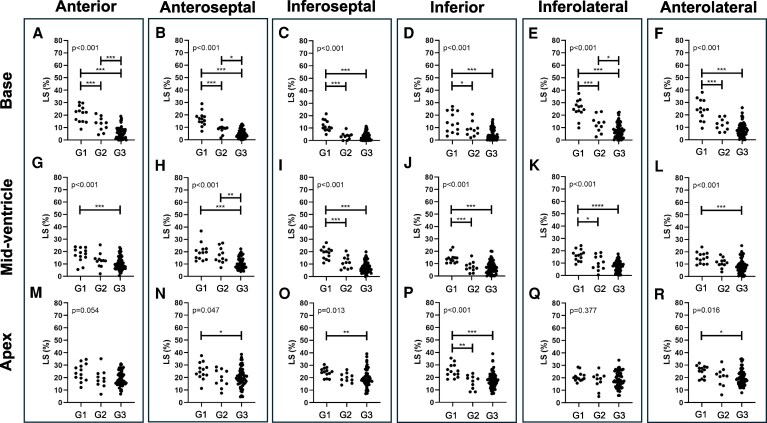 Figure 4
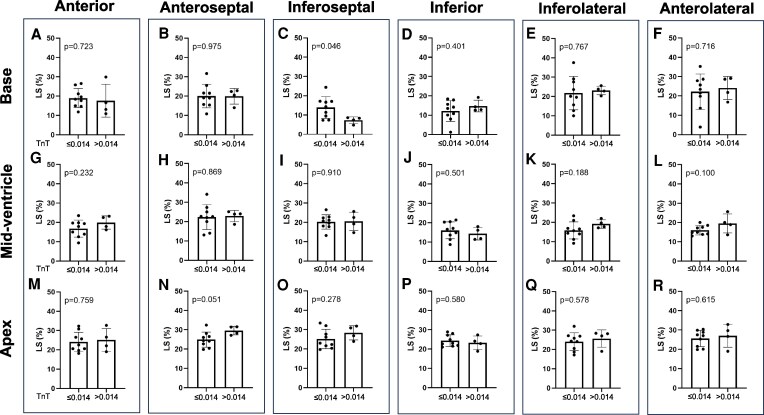 Figure 5
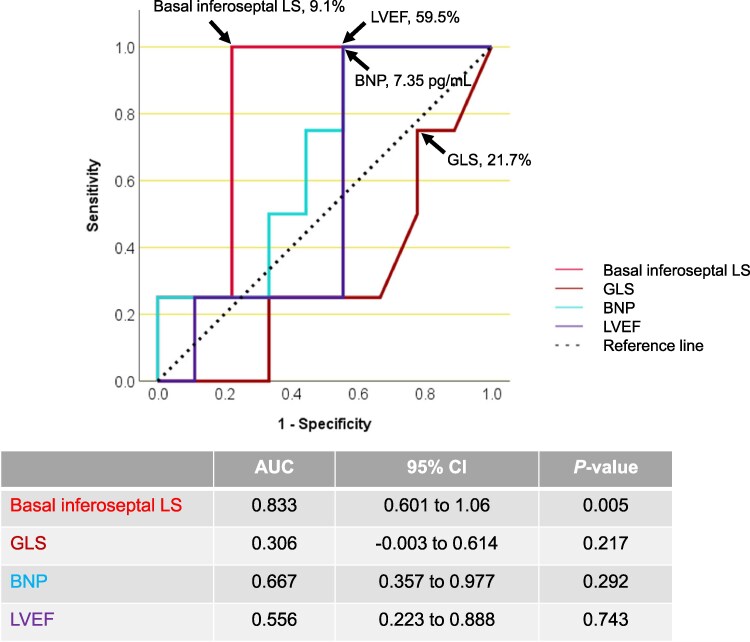 Figure 6
Peer Reviews
No public reviews on file for this paper yet. If you reviewed it on a platform where reviews are public (OpenReview, ICLR, NeurIPS, ICML), you can paste yours below so the community can read it here.
Videos
No videos yet. Explain this paper in a talk, walkthrough, or lecture? Add one.
Taxonomy
TopicsAmyloidosis: Diagnosis, Treatment, Outcomes · Dermatological and Skeletal Disorders · Parathyroid Disorders and Treatments