Neurological manifestations and genotype–phenotype correlations in NDUFAF6-associated mitochondrial disease
Alessandra Torraco, Charlotte L Alston, Giulia Barcia, Daniela Verrigni, Teresa Rizza, Michela Di Nottia, Anastasia Altobelli, Diego Martinelli, Daria Diodato, Stephanie Efthymiou, Melis Kose, Yamna Kriouile, Albert Z Lim, Silvia Morlino, Barbara Siri, Nebal Waill Saadi

TL;DR
This study reports on 27 patients with NDUFAF6 mitochondrial disease, showing varied neurological symptoms and new gene variants that affect brain development and function.
Contribution
The study presents the largest cohort of NDUFAF6-related mitochondrial disease patients and identifies nine novel pathogenic variants.
Findings
NDUFAF6 variants cause a range of neurological symptoms, including psychomotor regression and bilateral striatal necrosis.
Nine novel NDUFAF6 variants were identified and confirmed to impair complex I assembly and stability.
The study highlights the importance of genetic counseling and prognosis in managing this mitochondrial disorder.
Abstract
NDUFAF6 encodes a mitochondrial complex I assembly factor essential for the proper biogenesis and stability of the nicotinamide adenine dinucleotide (NAD) + hydrogen (H) (NADH)–ubiquinone oxidoreductase complex. Pathogenic variants in NDUFAF6 have been increasingly recognized as a cause of mitochondrial disease, particularly Leigh syndrome, a severe neurodegenerative disorder characterized by bilateral symmetrical lesions in the central nervous system. To date, fewer than 50 patients with NDUFAF6-related mitochondrial disease have been reported, displaying a broad phenotypic spectrum ranging from early-onset neurodevelopmental regression to milder, more chronic presentations. The molecular mechanisms underlying these phenotypes are linked to impaired complex I assembly and reduced enzymatic activity, highlighting the critical role of NDUFAF6 in mitochondrial function. Here we present a…
Genes, proteins, chemicals, diseases, species, mutations and cell lines named across the full text — each resolved to its canonical identifier and authoritative record.
Click any figure to enlarge with its caption.
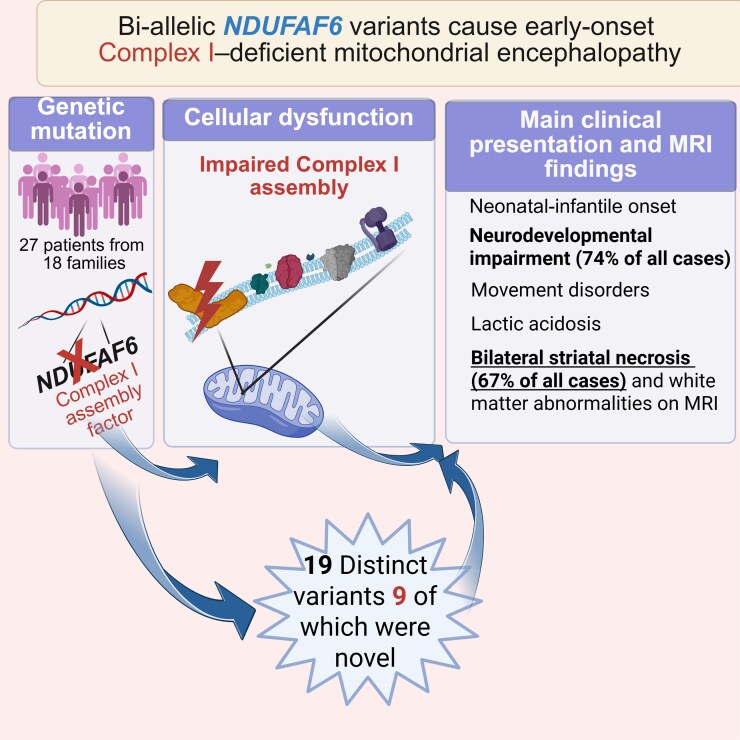 Figure 1
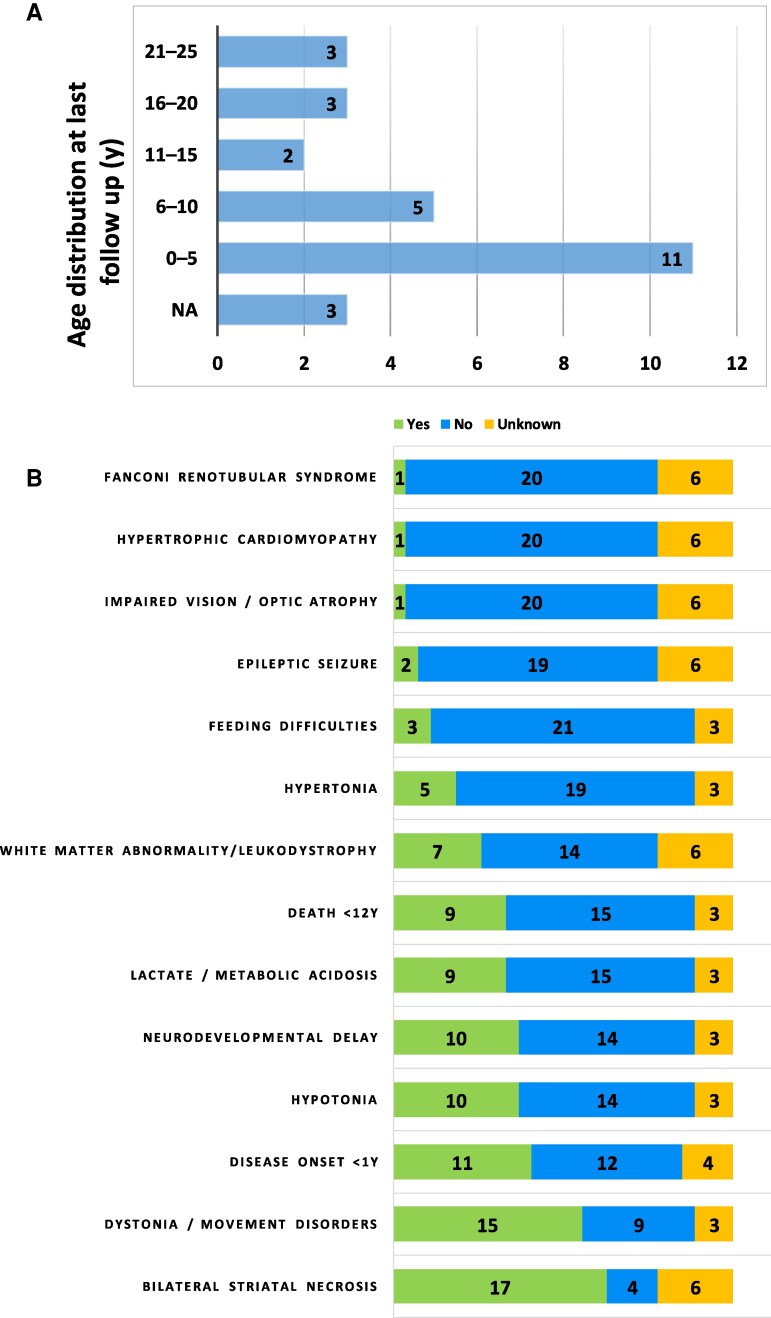 Figure 2
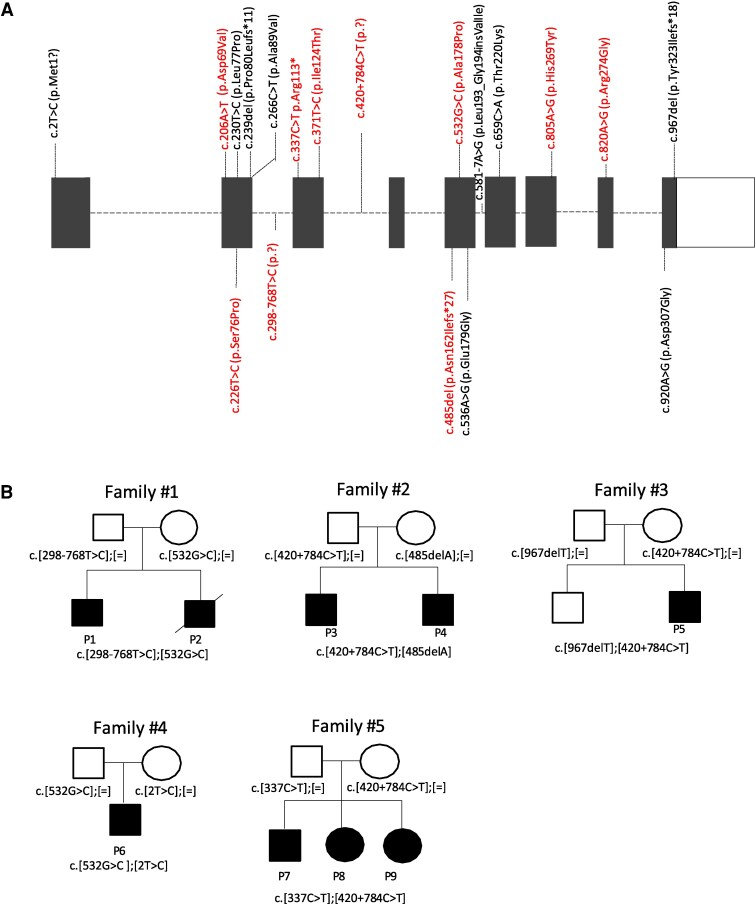 Figure 3
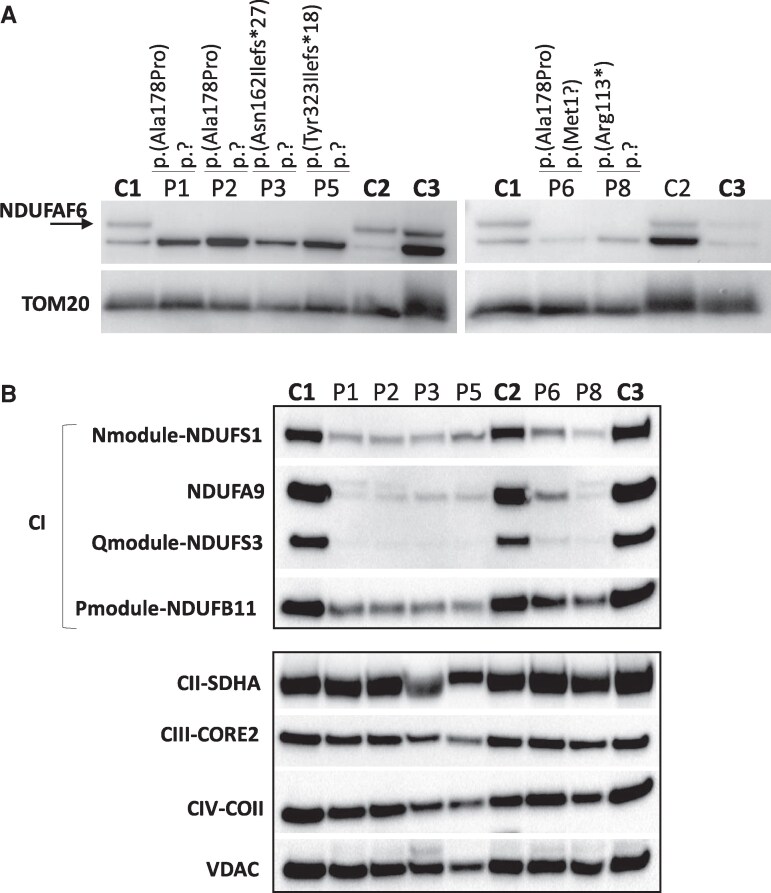 Figure 4
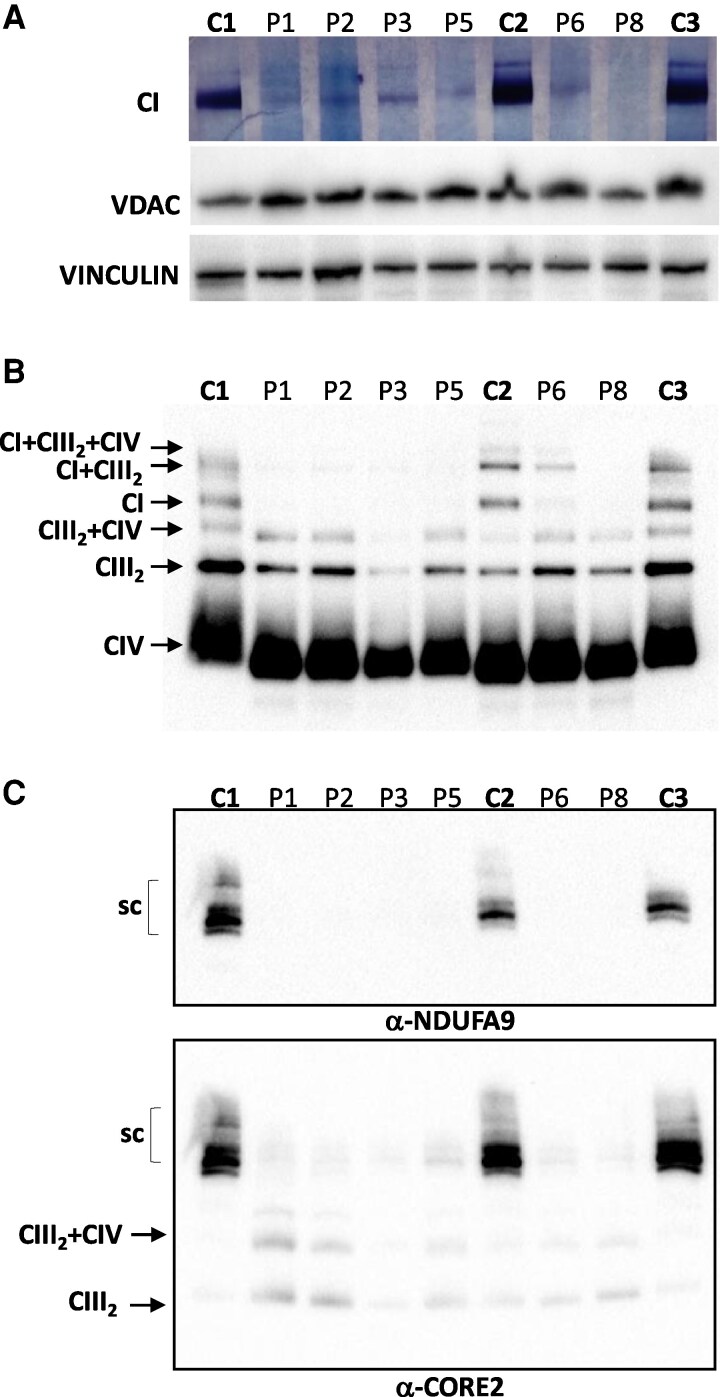 Figure 5
Peer Reviews
No public reviews on file for this paper yet. If you reviewed it on a platform where reviews are public (OpenReview, ICLR, NeurIPS, ICML), you can paste yours below so the community can read it here.
Videos
No videos yet. Explain this paper in a talk, walkthrough, or lecture? Add one.
Taxonomy
TopicsMitochondrial Function and Pathology · Photosynthetic Processes and Mechanisms · Metalloenzymes and iron-sulfur proteins