Sulfonyl Anthranilic Acid Analogues Display Pan-Serotype Anti-Dengue Activity by Downregulating the Expression of Ribosomal Proteins Encoded by 5′-Terminal Oligopyrimidine Motif-Containing mRNA
Chin Piaw Gwee, Tommaso Felicetti, Kitti Wing Ki Chan, Min Jie Alvin Tan, Muhammad Danial Bin Mohd Mazlan, Ciro Milite, Giacomo Pepe, Chiara Sarnari, Xiao Dan Ng, Wint Wint Phoo, Jasmine Hwee Yee Tan, Marcus G. Mah, Satoru Watanabe, Jing Xiu Huang, Serena Massari

TL;DR
Scientists found that sulfonyl anthranilic acid compounds can broadly inhibit dengue and Zika viruses by affecting ribosomal protein expression linked to specific mRNA motifs.
Contribution
The study reveals a novel antiviral mechanism targeting ribosomal mRNAs with 5′-TOP motifs, offering a new host-based therapeutic strategy.
Findings
Sulfonyl anthranilic acid compounds downregulate ribosomal proteins essential for DENV replication.
Compound 1 shows efficacy against Zika virus in human brain organoids.
Compound 7 exhibits potent antiviral activity with an EC50 of 50 nM against DENV-2.
Abstract
Dengue virus (DENV) remains a major global health concern without effective treatments. Previously, we identified sulfonyl anthranilic acid (SAA) derivatives (compounds 1 and 2) as potent pan-DENV inhibitors, likely targeting a primate-specific factor. Here, mass spectrometry-based target deconvolution revealed that SAA compounds downregulate ribosomal protein expression, some of which are essential for DENV replication, as confirmed by siRNA-knockdown studies. This novel mechanism aligns with the broad-spectrum antiviral activity of compounds 1 and 2. Moreover, compound 1 was also effective against the Zika virus in a human brain organoid model. The subsequent medicinal chemistry optimization process resulted in the identification of compound 7, which demonstrated an EC50 value of 50 nM against DENV-2, promising broad-spectrum potential and favorable in vitro ADME properties. Further…
Genes, proteins, chemicals, diseases, species, mutations and cell lines named across the full text — each resolved to its canonical identifier and authoritative record.
Click any figure to enlarge with its caption.
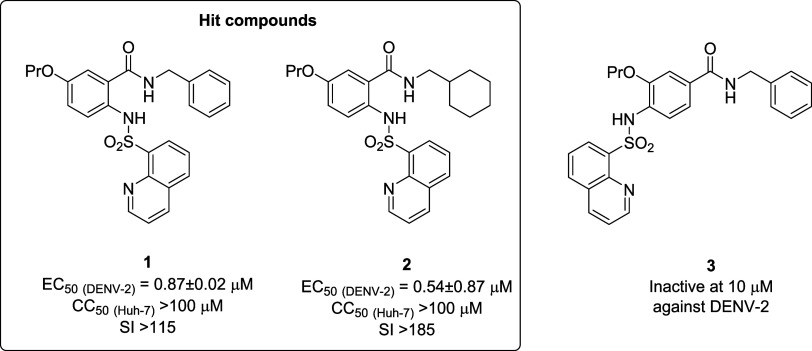 Figure 1
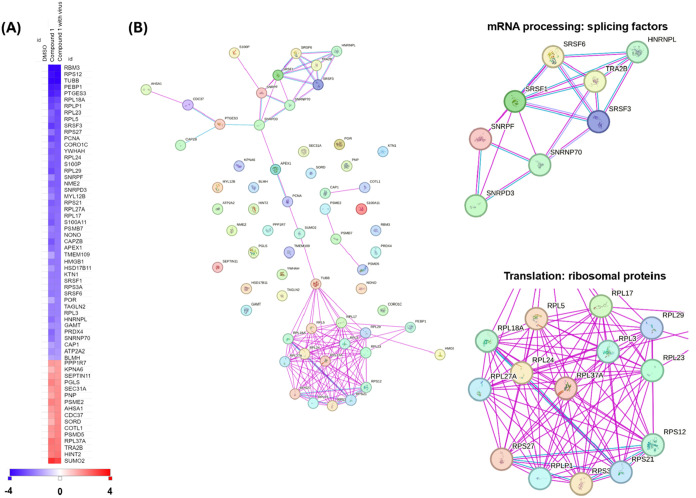 Figure 2
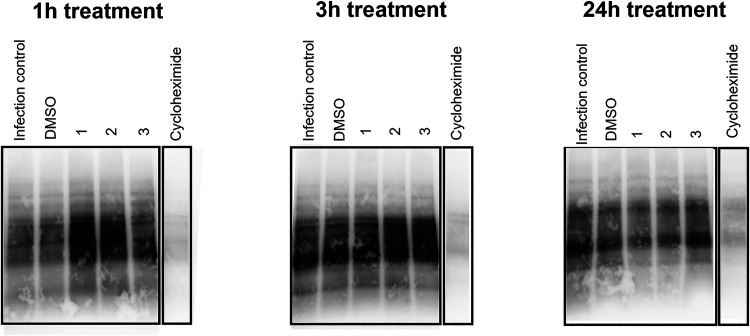 Figure 3
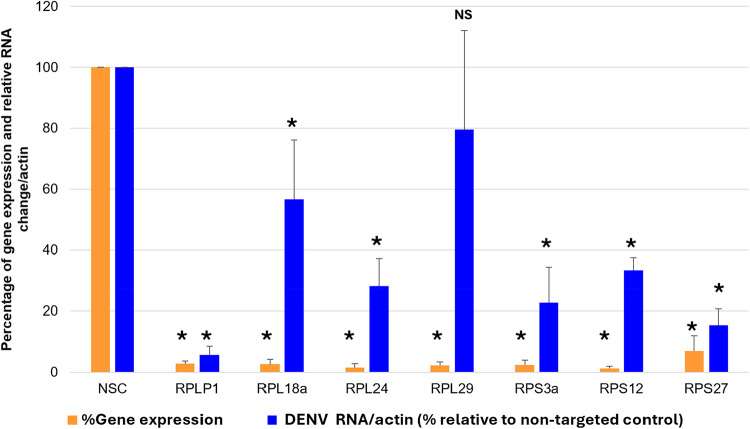 Figure 4
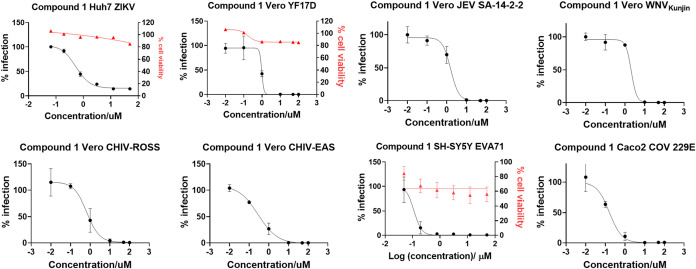 Figure 5
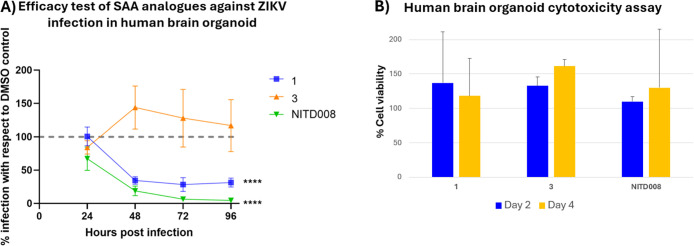 Figure 6
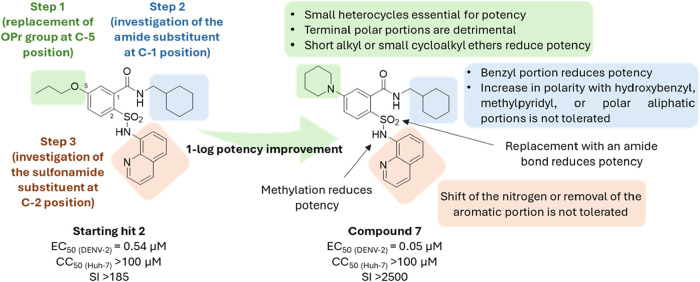 Figure 7
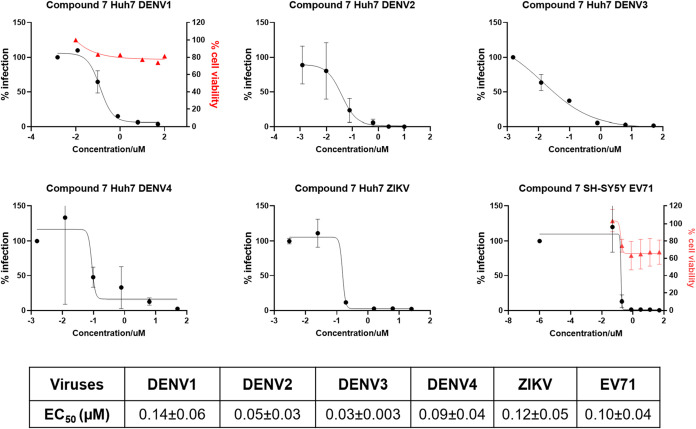 Figure 8
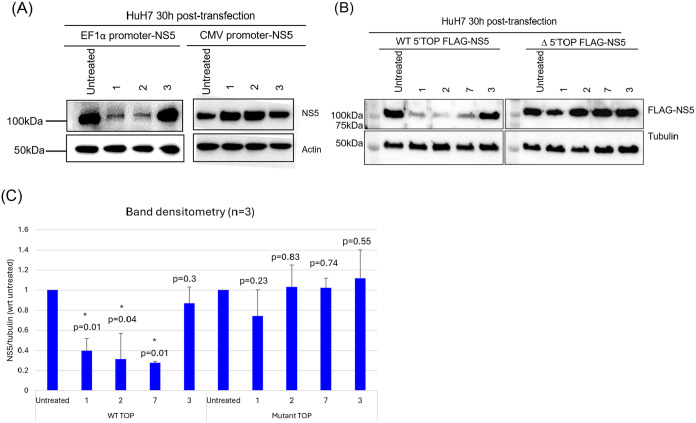 Figure 9
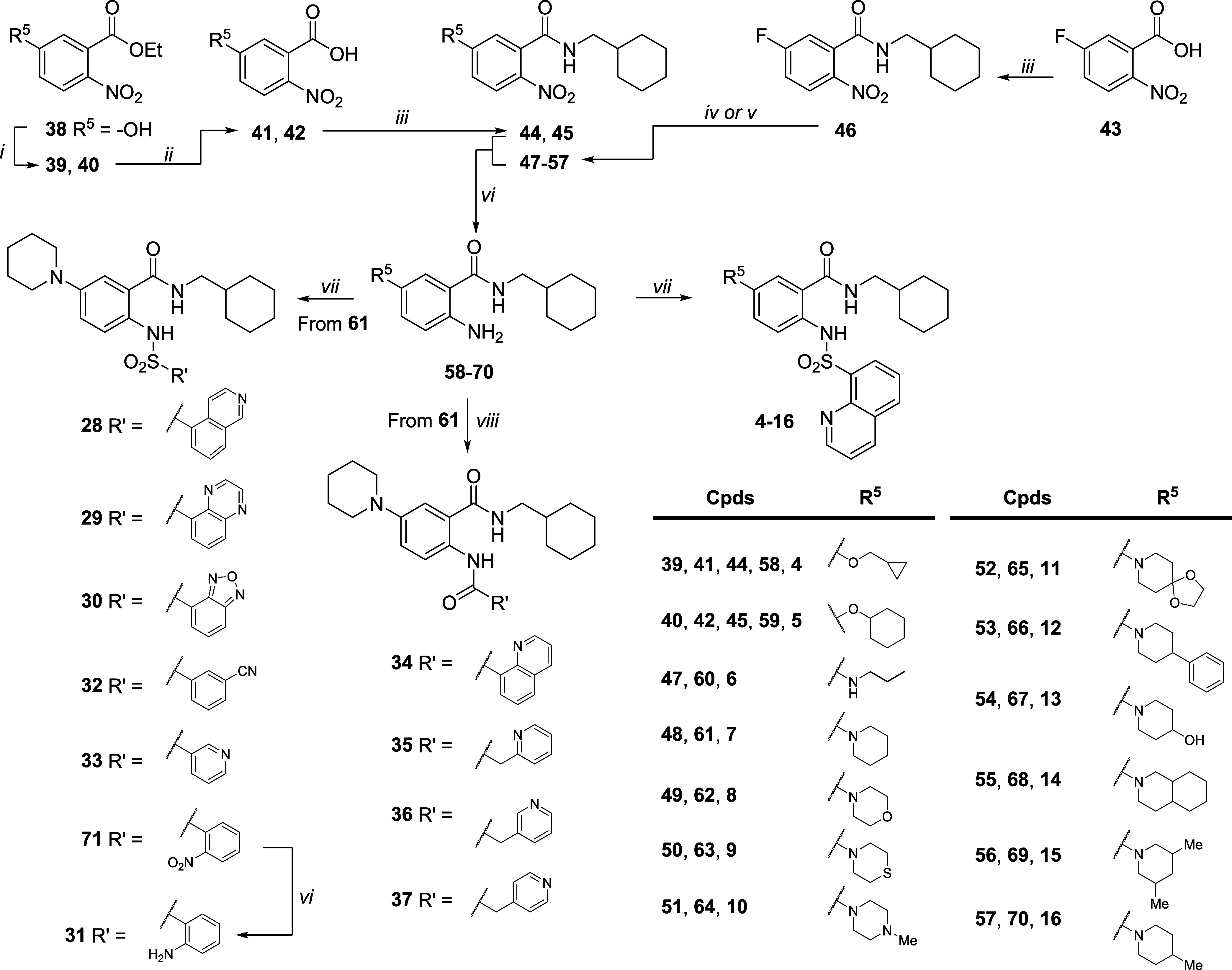 Figure 10
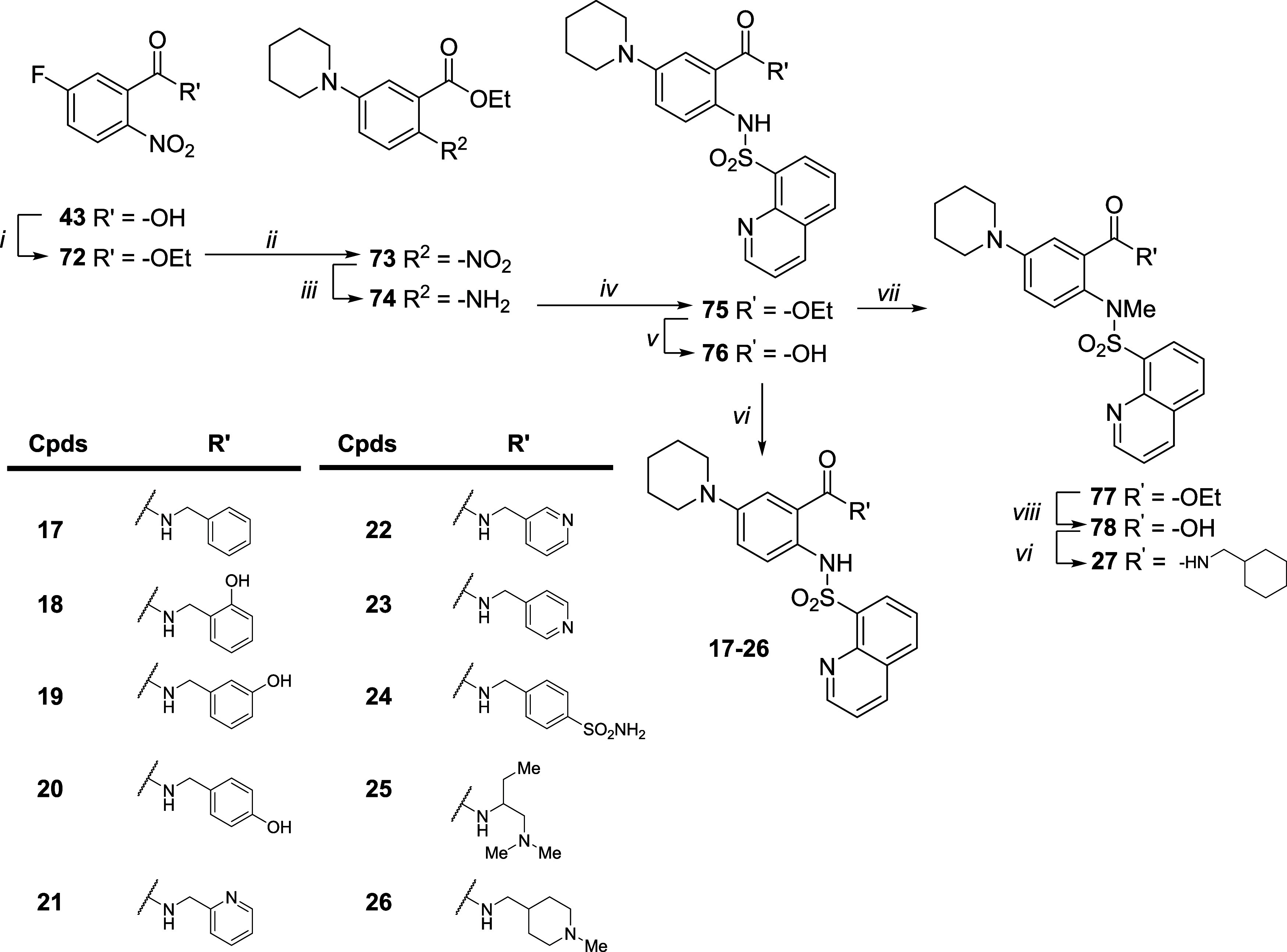 Figure 11
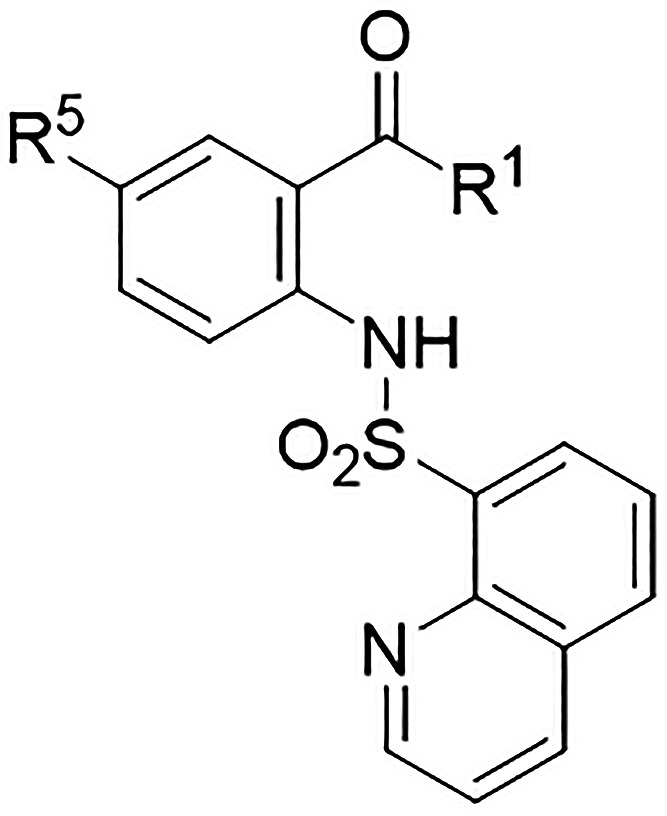 Figure 12
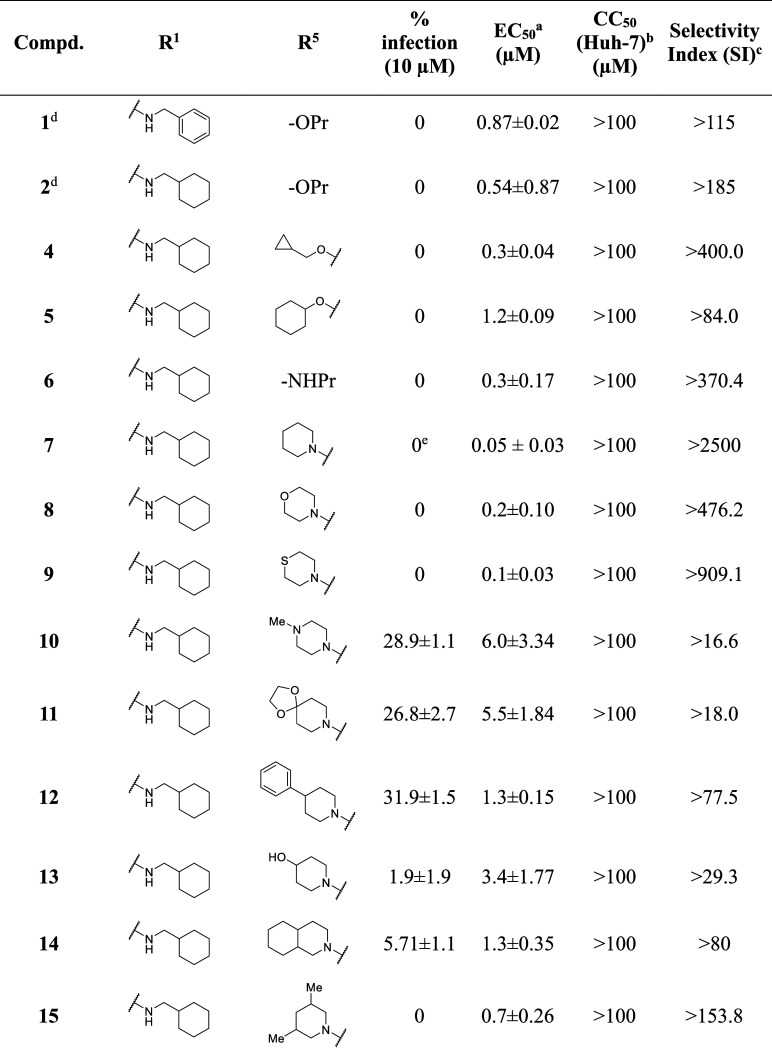 Figure 13
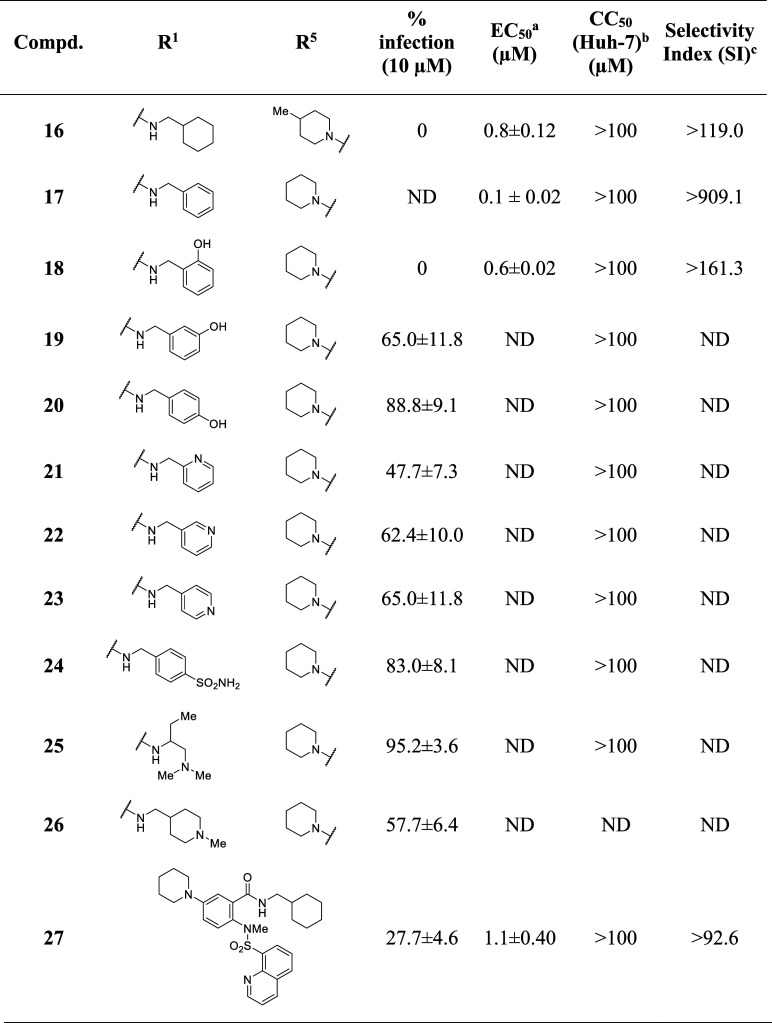 Figure 14
 Figure 15
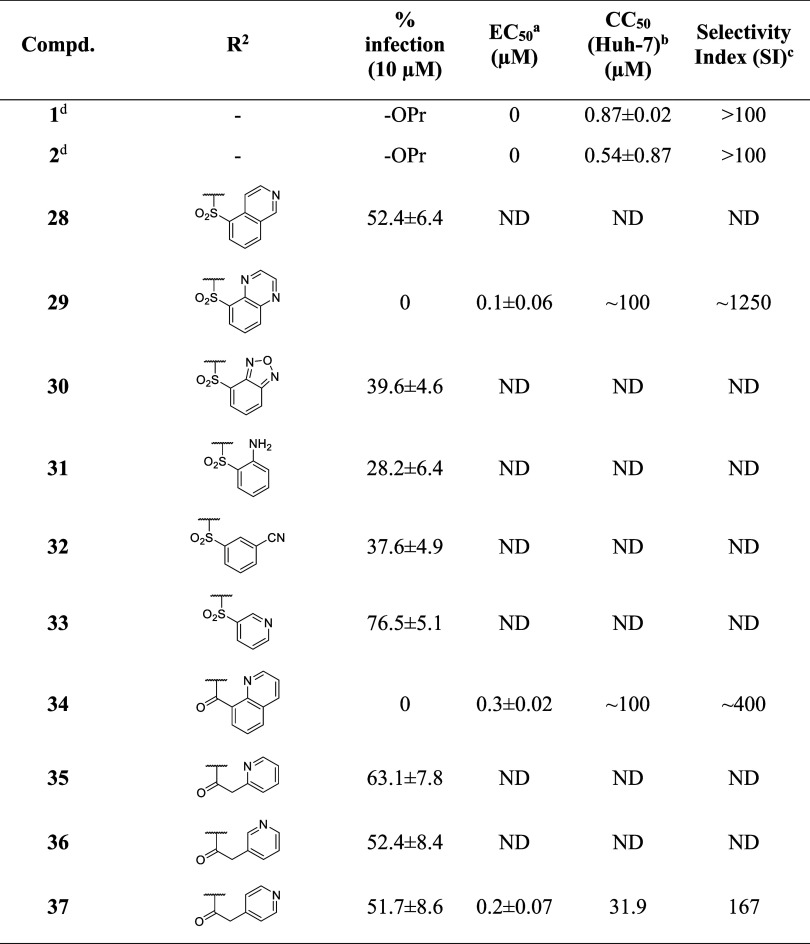 Figure 16
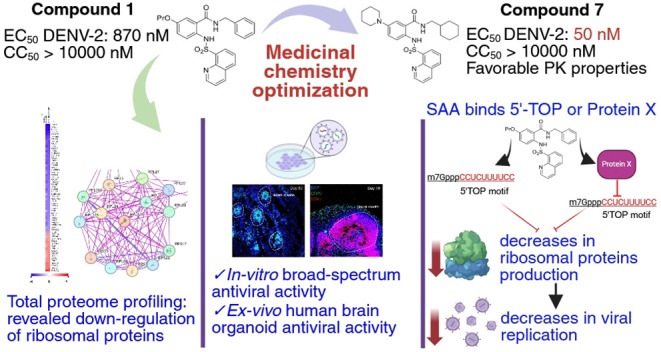 Figure 17
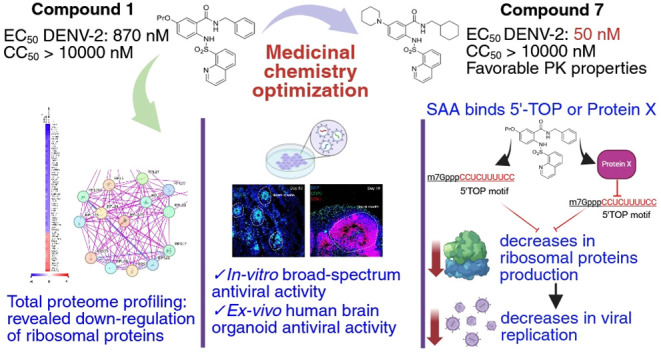 Figure 18
 Figure 19
Peer Reviews
No public reviews on file for this paper yet. If you reviewed it on a platform where reviews are public (OpenReview, ICLR, NeurIPS, ICML), you can paste yours below so the community can read it here.
Videos
No videos yet. Explain this paper in a talk, walkthrough, or lecture? Add one.
Taxonomy
TopicsMosquito-borne diseases and control · RNA and protein synthesis mechanisms · Respiratory viral infections research