Novel 2‑(2′-Benzothiazolyl)-benzimidazole-Based Iridium(III) Photocatalysts Exhibit Antiproliferative Effects in 2D and 3D Cancer Cells to Bypass Hypoxia-Induced Resistance
Antonio Linero-Artiaga, Marie Svitelova, Vojtěch Novohradský, Venancio Rodríguez, Lenka Markova, Jana Kasparkova, Christoph Janiak, José Ruiz, Viktor Brabec

TL;DR
This study introduces new iridium-based photocatalysts that effectively kill cancer cells in both 2D and 3D models, even under low oxygen conditions.
Contribution
The development of Ir(III) complexes that maintain phototoxicity in hypoxic environments, overcoming a major limitation in photodynamic therapy.
Findings
Seven Ir(III) complexes showed high phototoxicity with nanomolar IC50 values in 2D and 3D cancer models.
Complex 4 was the most effective at inducing reactive oxygen species and penetrating 3D spheroids.
The complexes retained their efficacy under hypoxic conditions, making them suitable for treating solid tumors.
Abstract
This study explores the therapeutic potential of seven bis-cyclometalated Ir(III) complexes (1–7), derived from the 2,2′-(benzothiazolyl)benzimidazole scaffold, as highly promising next-generation photoactivatable agents for type I and type II-guided photodynamic therapy (PDT) in lung and colorectal cancers. Their high phototoxicity in 2D and 3D cancer cell models, achieving IC50 values in the nanomolar region, was closely linked to the generation of singlet oxygen and type I reactive oxygen species (ROS) and the photooxidation of NADH, with complex 4 identified as the strongest ROS inducer and the most photocytotoxic complex. Notably, the iridium complexes proved to maintain their phototoxicity in hypoxic conditions. Using 3D spheroids, complex 4 demonstrated deep tissue penetration sought to overcome PDT limitations in solid tumors. Overall, the synthesized complexes showcase high…
Genes, proteins, chemicals, diseases, species, mutations and cell lines named across the full text — each resolved to its canonical identifier and authoritative record.
Click any figure to enlarge with its caption.
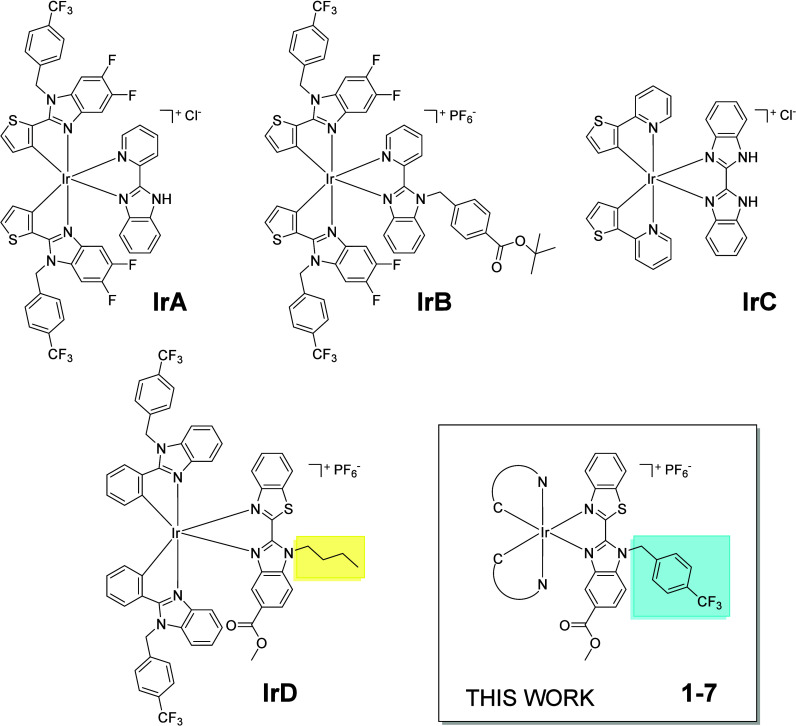 Figure 1
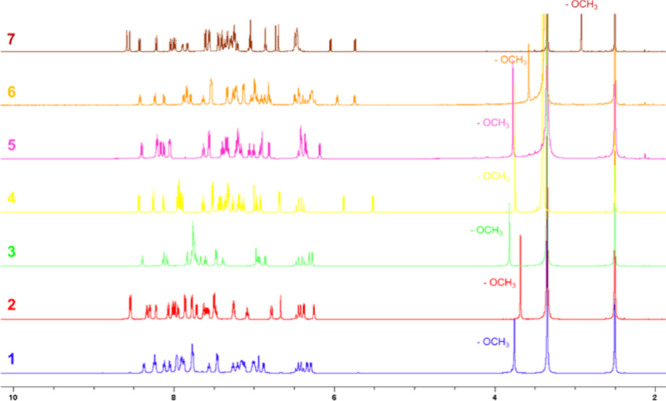 Figure 2
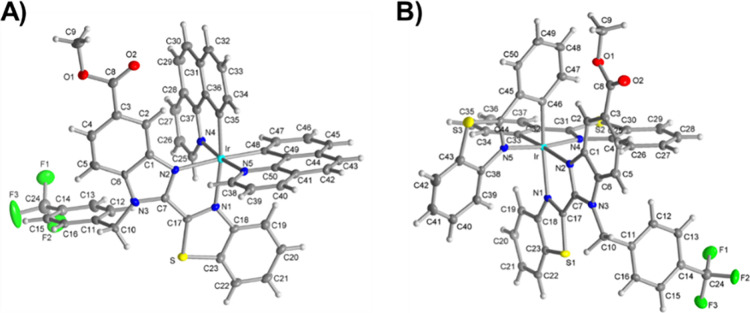 Figure 3
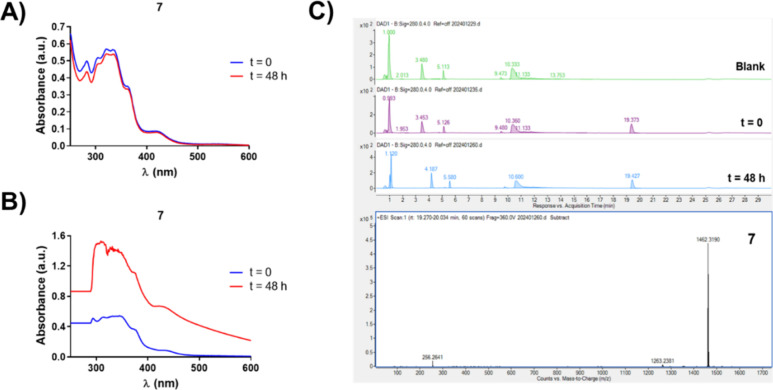 Figure 4
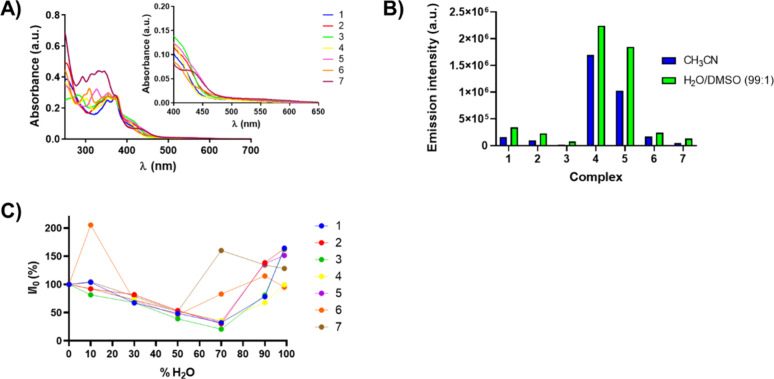 Figure 5
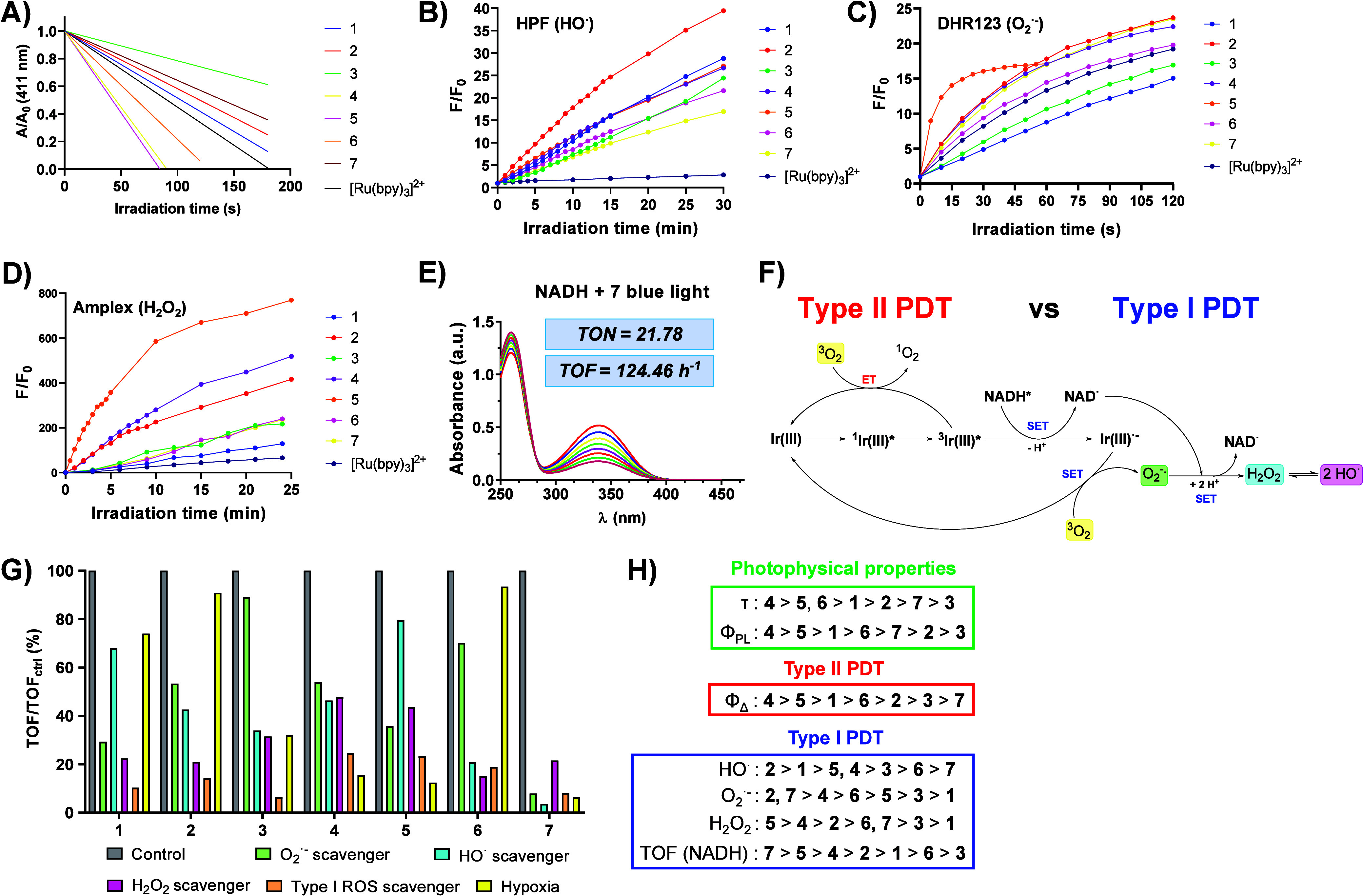 Figure 6
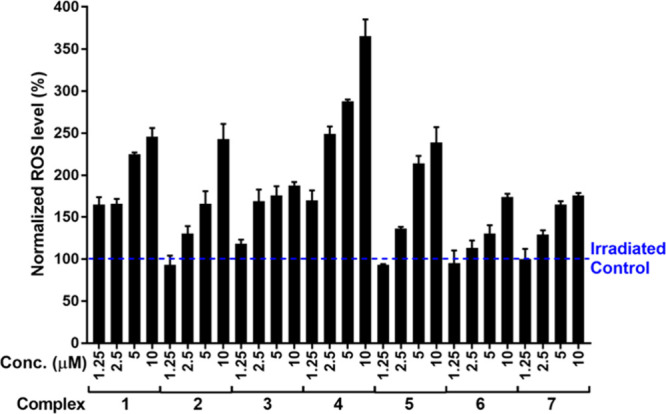 Figure 7
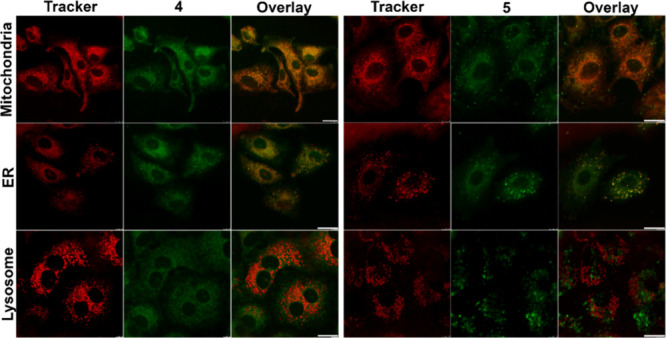 Figure 8
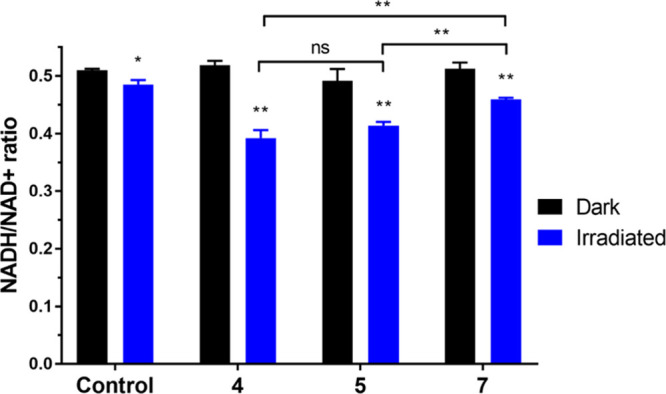 Figure 9
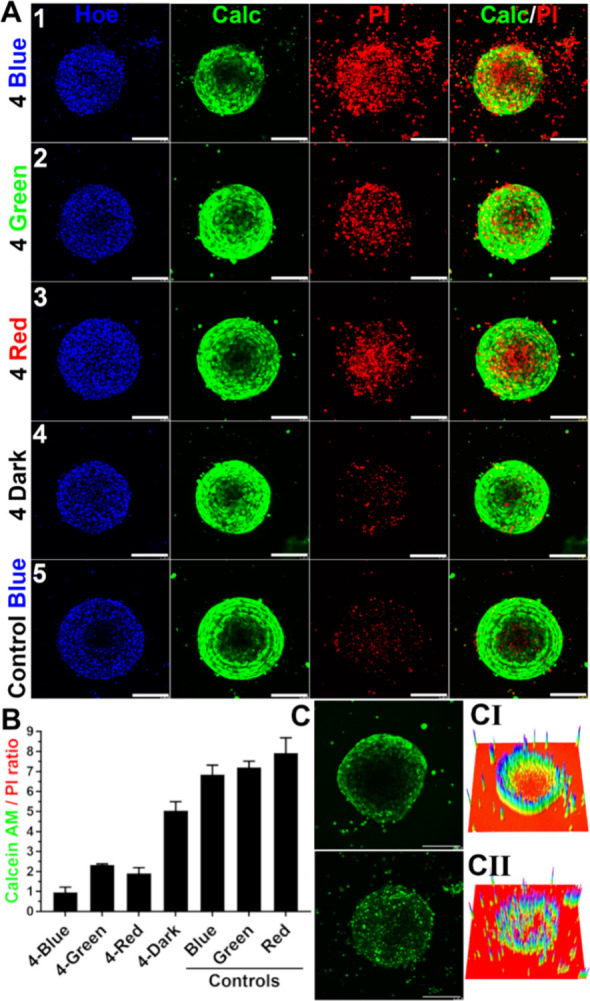 Figure 10
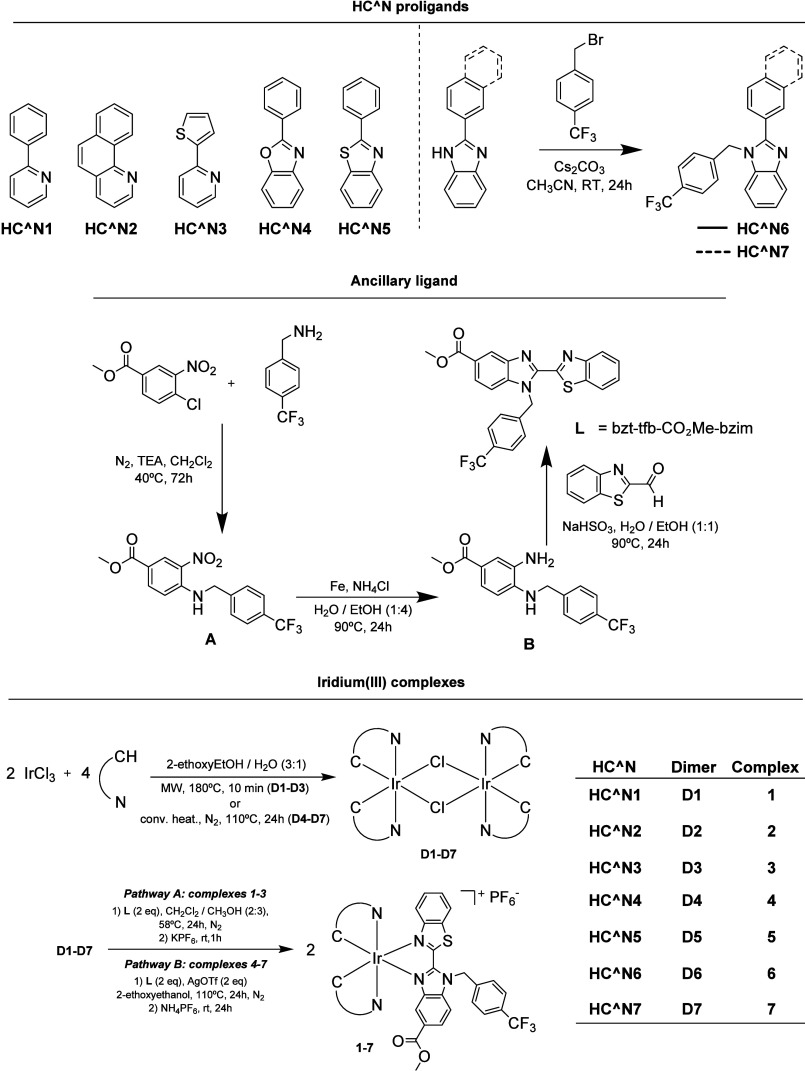 Figure 11
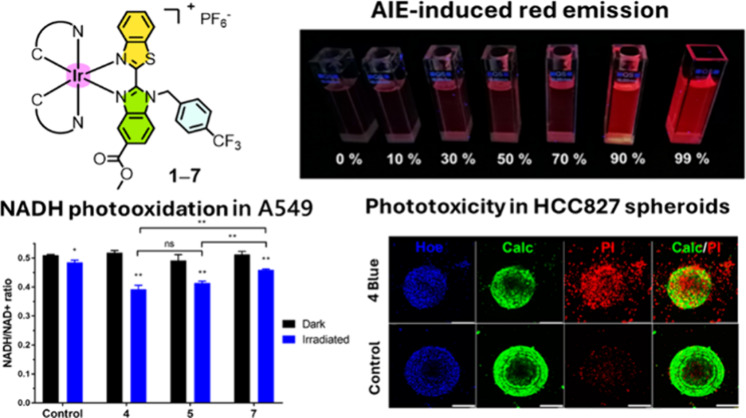 Figure 12
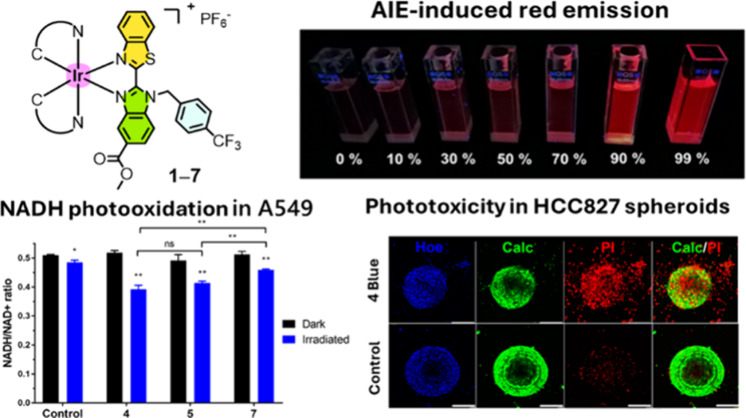 Figure 13
 Figure 14
 Figure 15
 Figure 16
Peer Reviews
No public reviews on file for this paper yet. If you reviewed it on a platform where reviews are public (OpenReview, ICLR, NeurIPS, ICML), you can paste yours below so the community can read it here.
Videos
No videos yet. Explain this paper in a talk, walkthrough, or lecture? Add one.
Taxonomy
TopicsNanoplatforms for cancer theranostics · Cancer, Hypoxia, and Metabolism · Click Chemistry and Applications