Stereocontrolled Synthesis of Dimethylamino Phosphorochloridate Monomers toward Stereopure Phosphorodiamidate Morpholino Oligonucleotides
Ryuichi Inutake, Hironao Hasegawa, Taiki Tsurusaki, Taiichi Sakamoto, Kazuki Sato, Takeshi Wada

TL;DR
This paper presents a new method to synthesize PMOs with controlled stereochemistry, improving their physicochemical and biological properties.
Contribution
A stereocontrolled synthesis method for PMO monomers using oxazaphospholidine derivatives is developed.
Findings
A highly stereoselective synthesis of phosphorochloridate monomers was achieved (dr = 93:7–97:3).
The stereochemistry of PMO dimers was confirmed using nuclear magnetic resonance analysis.
The method enables practical synthesis of stereopure PMOs for further property studies.
Abstract
As antisense oligonucleotides, phosphorodiamidate morpholino oligonucleotides (PMOs) exhibit excellent properties. However, they possess two stereoisomers for each phosphorus atom, and these stereoisomers exhibit different physicochemical and biological properties. In this study, we developed a stereocontrolled synthesis method of dimethylamino phosphorochloridate monomers, which was used for a practical synthesis method of PMOs, from oxazaphospholidine derivatives. However, the condensation of a 5′-oxazaphospholidine derivative with an amine under acidic conditions is challenging because the resulting phosphoramidite intermediate can be activated under such conditions. To address this challenge, in the proposed synthesis method, a morpholino nucleoside 5′-oxazaphospholidine derivative was condensed with a phenol derivative with a low pK a value under acidic conditions. Subsequently,…
Genes, proteins, chemicals, diseases, species, mutations and cell lines named across the full text — each resolved to its canonical identifier and authoritative record.
Click any figure to enlarge with its caption.
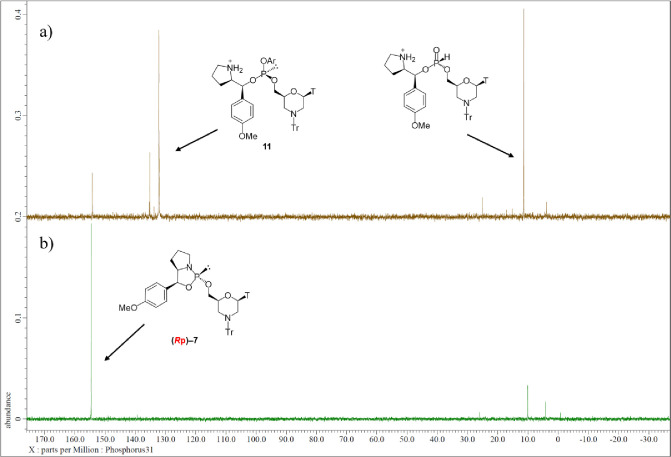 Figure 1
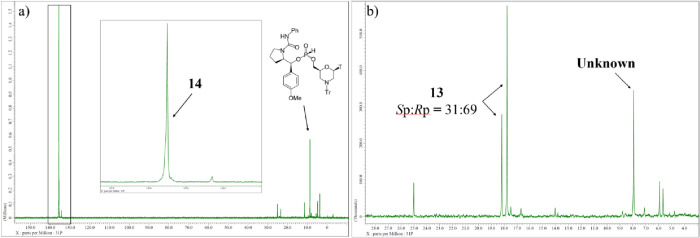 Figure 2
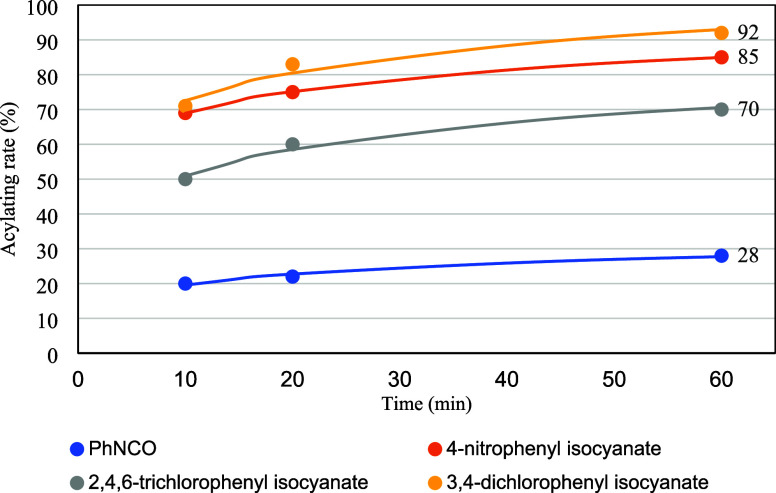 Figure 3
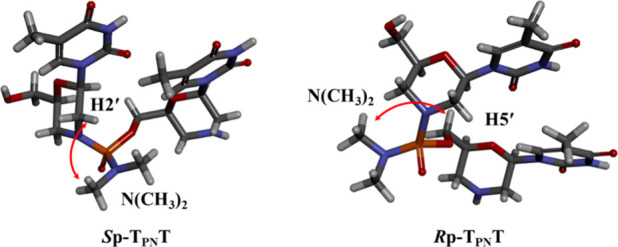 Figure 4
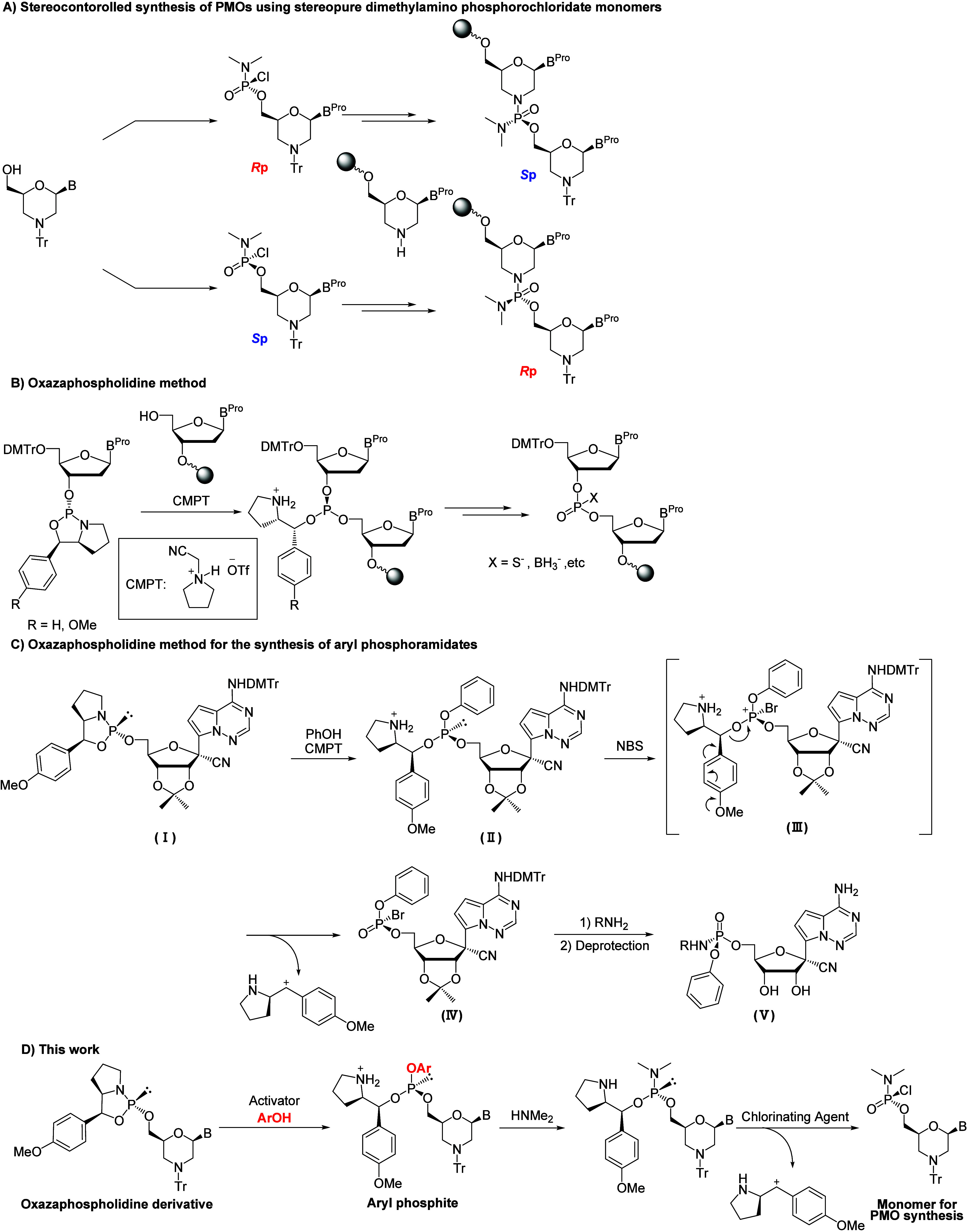 Figure 5
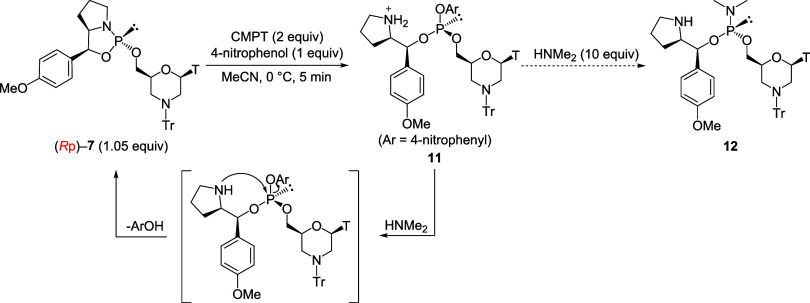 Figure 6
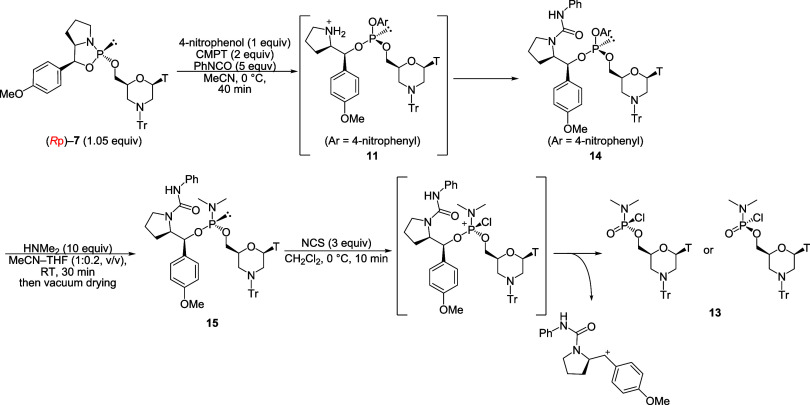 Figure 7
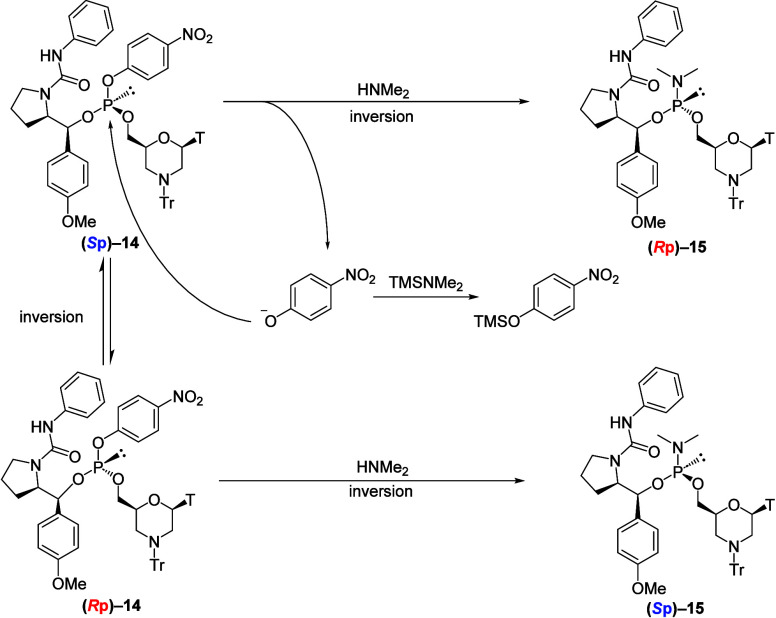 Figure 8
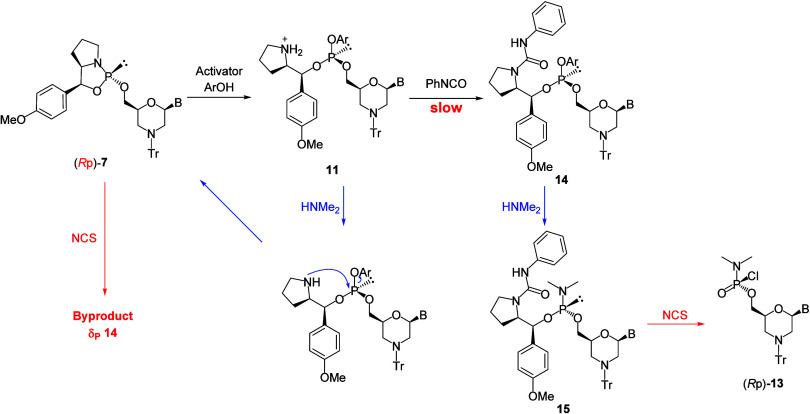 Figure 9
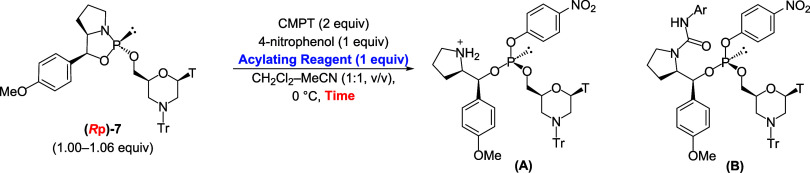 Figure 10
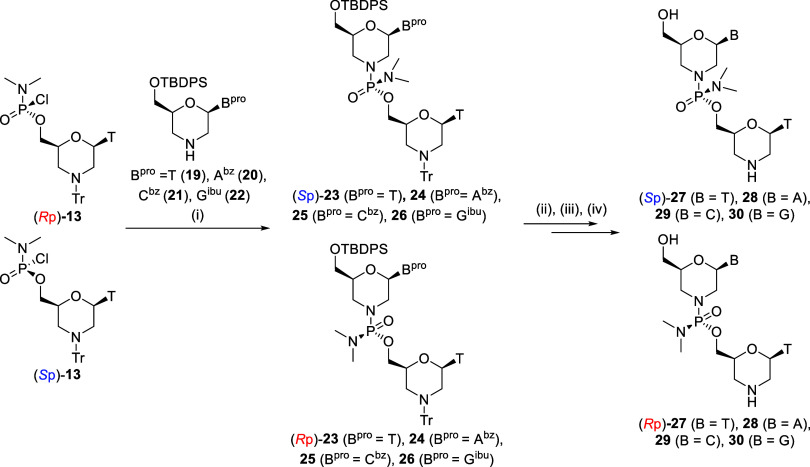 Figure 11
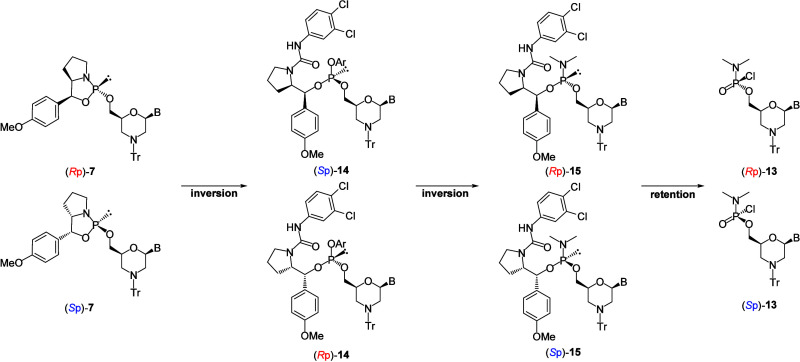 Figure 12
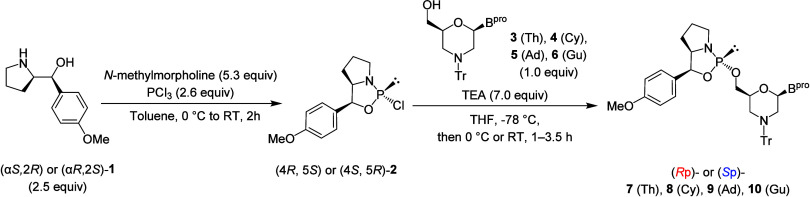 Figure 13
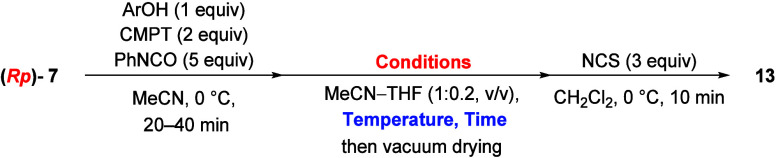 Figure 14
 Figure 15
 Figure 16
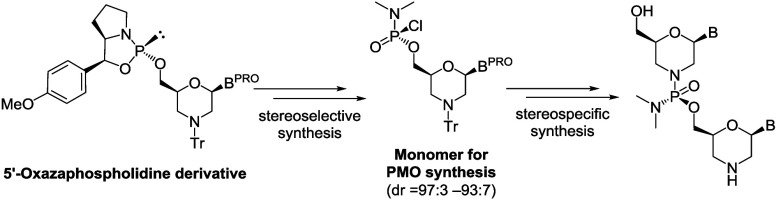 Figure 17
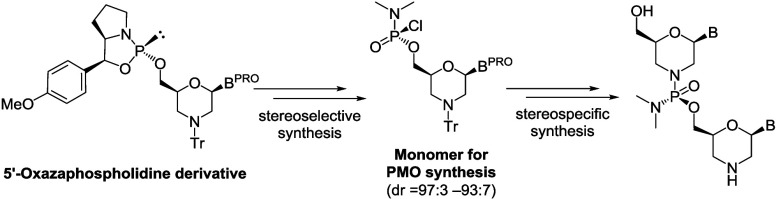 Figure 18
Peer Reviews
No public reviews on file for this paper yet. If you reviewed it on a platform where reviews are public (OpenReview, ICLR, NeurIPS, ICML), you can paste yours below so the community can read it here.
Videos
No videos yet. Explain this paper in a talk, walkthrough, or lecture? Add one.
Taxonomy
TopicsDNA and Nucleic Acid Chemistry · Organophosphorus compounds synthesis · Synthesis and Reactivity of Sulfur-Containing Compounds