Cancer metabolism in radiation sensitization: complementary roles of O-GlcNAc transferase (OGT) and PARP1
Elena Efimova, Yue Liu, Sera Averbek, SeokGyeong Choi, Sojung Ha, Natalia Ricco, Isabelle Lomeli, Evalds Viguls, Woo-Young Kim, Stephen J. Kron

TL;DR
This study explores how cancer cell metabolism influences DNA repair and radiation sensitivity, suggesting new strategies to improve cancer treatment.
Contribution
The study identifies O-GlcNAcylation and EZH2 as regulators of DNA repair pathway choice, independent of PARP1.
Findings
O-GlcNAcylation limits DNA end resection and promotes non-homologous end-joining (NHEJ) repair.
Loss of OGT or EZH2 leads to hyperresection after irradiation, similar to PARP inhibition.
Combining PARP inhibition with O-GlcNAcylation or EZH2 blockade may radiosensitize HR-proficient cancers.
Abstract
For double-strand breaks (DSBs) formed by radiation, onset of 5’ to 3’ end resection is a deciding factor in repair pathway choice, favoring homologous recombination (HR) over non-homologous end-joining (NHEJ). Studying HR-proficient MCF7 breast cancer cells, we confirmed a role for PARP1 in promoting DSB repair and limiting resection stress and identify the hexosamine biosynthetic pathway (HBP)-dependent post-translational modification O-GlcNAcylation as an independent regulator. Using pharmacological and genetic perturbations of O-GlcNAc transferase (OGT) and O-GlcNAcase (OGA), we showed that O-GlcNAcylation can limit end resection as measured by BrdU and RPA staining, recruitment of HR proteins BRCA1 and RAD51, and accumulation of cytosolic DNA in S/G2-phase cells. These effects were independent of PARP1 but required the histone methyltransferase EZH2. Loss of OGT or EZH2 phenocopied…
Genes, proteins, chemicals, diseases, species, mutations and cell lines named across the full text — each resolved to its canonical identifier and authoritative record.
Click any figure to enlarge with its caption.
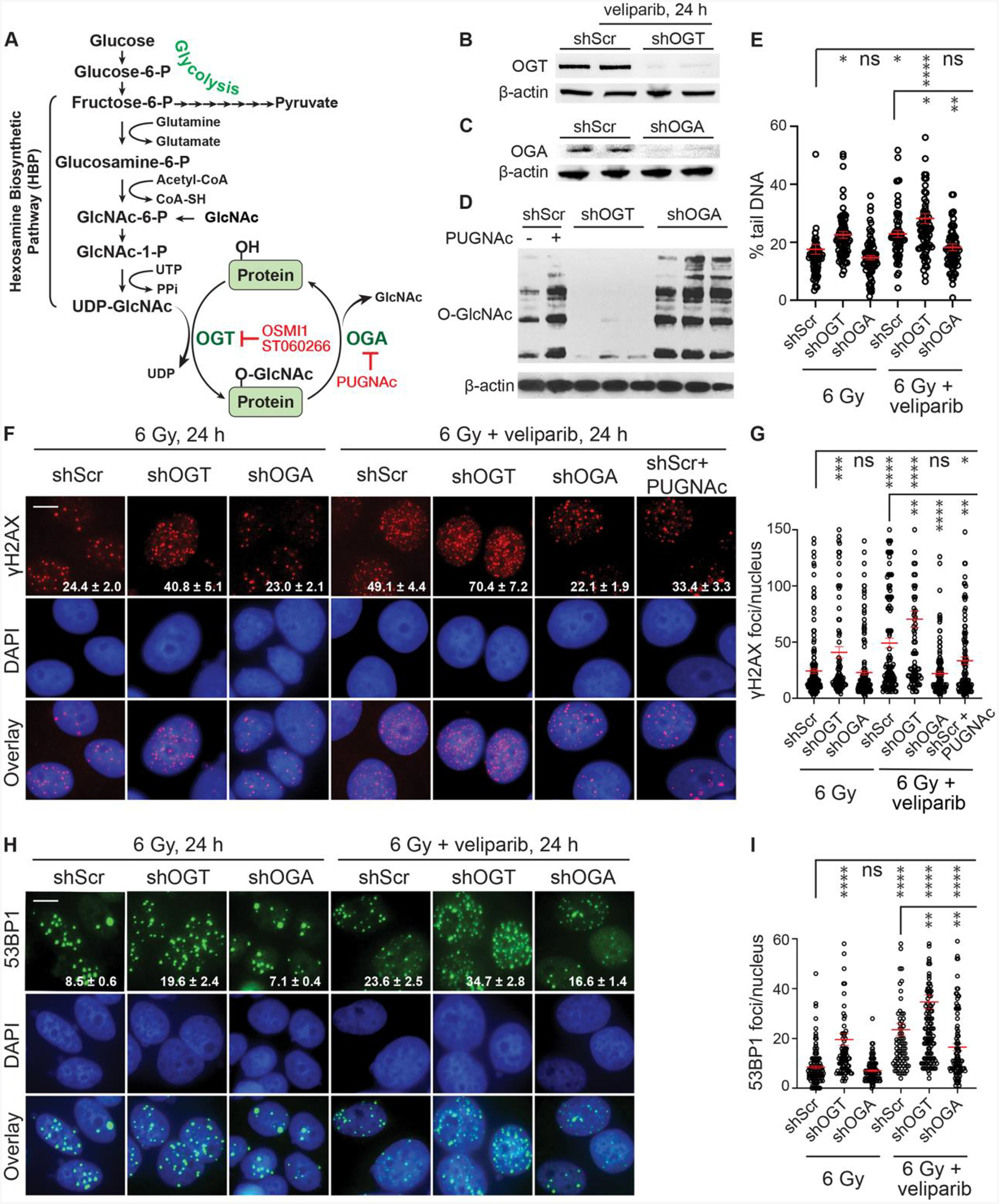 Figure 1
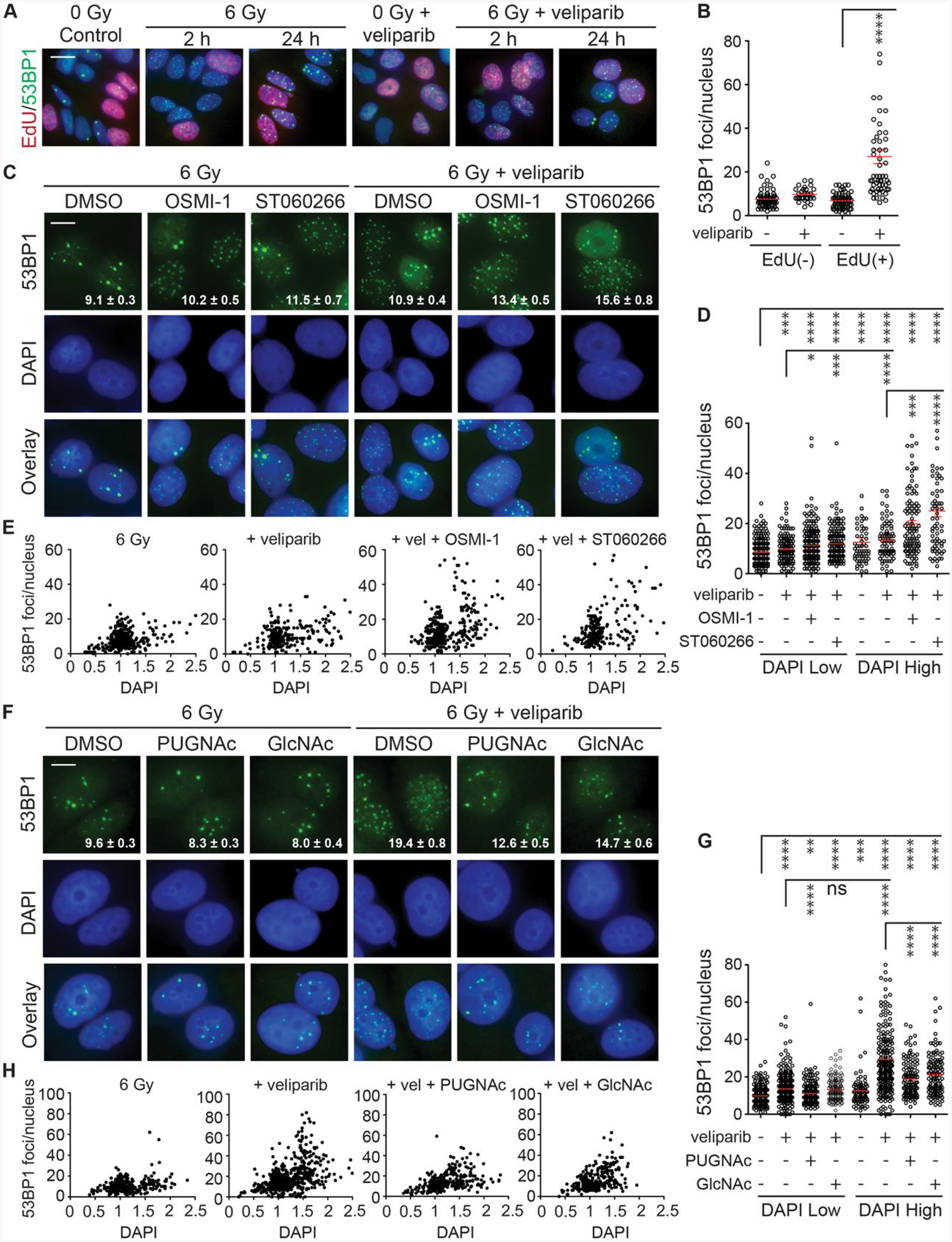 Figure 2
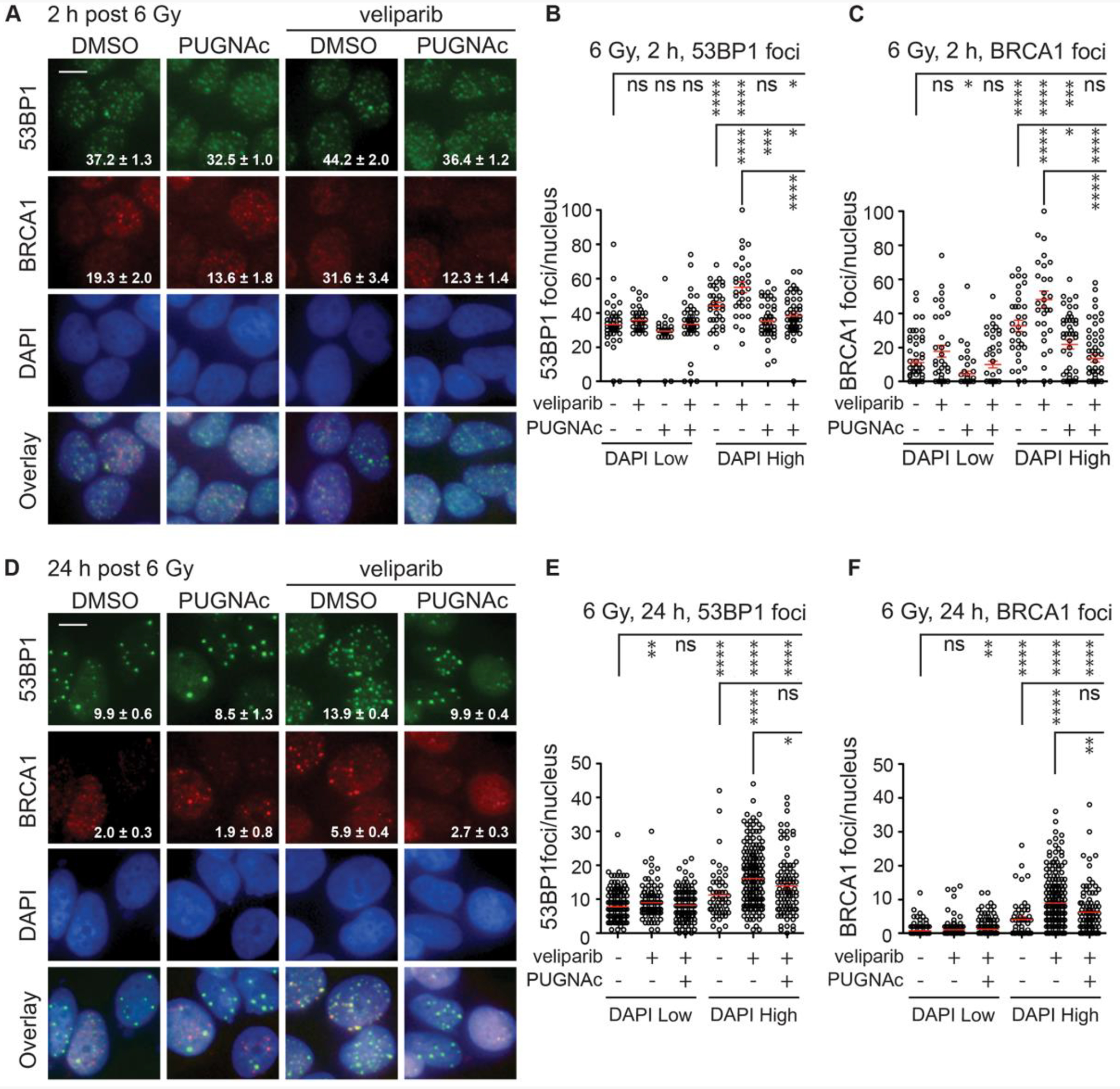 Figure 3
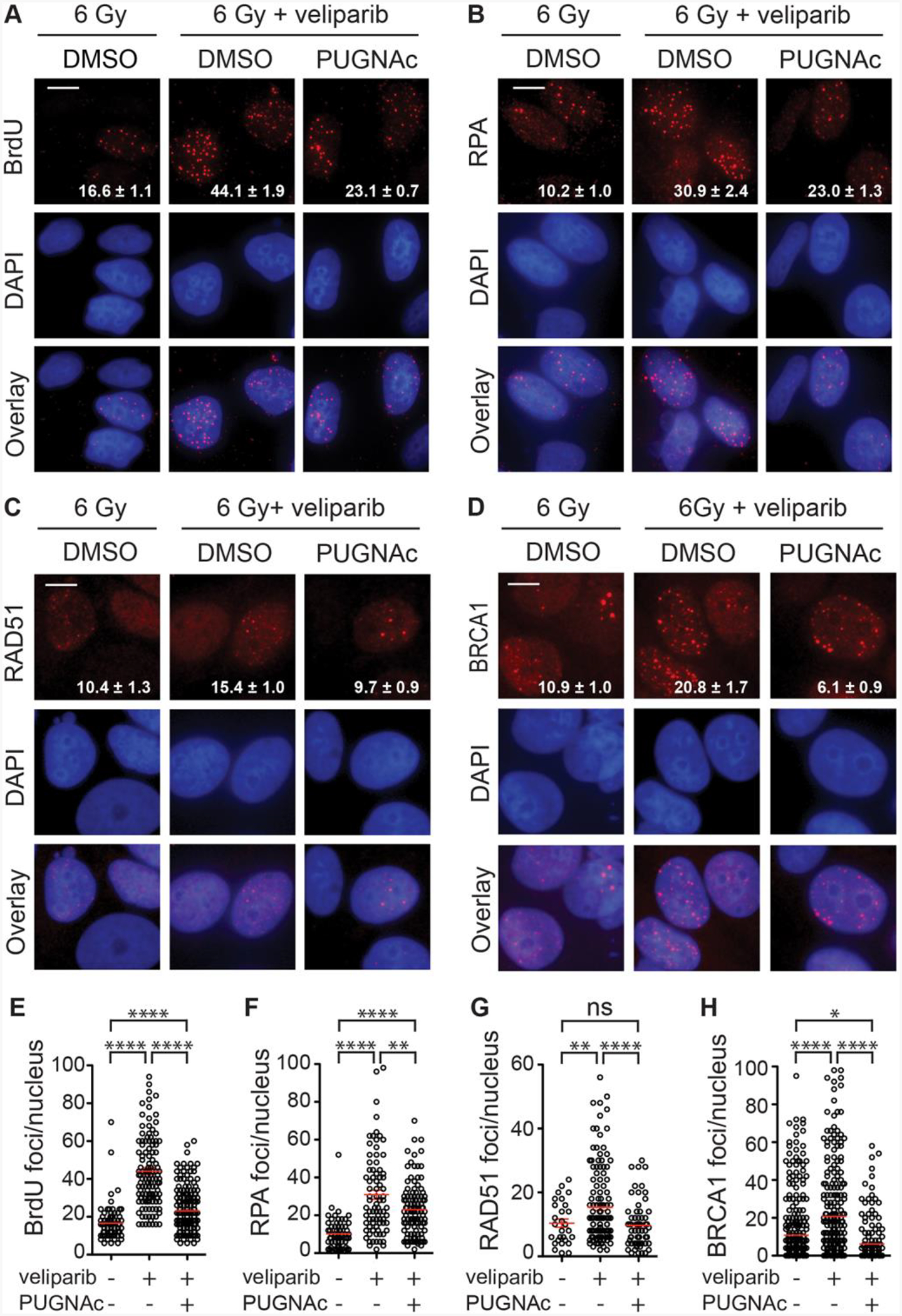 Figure 4
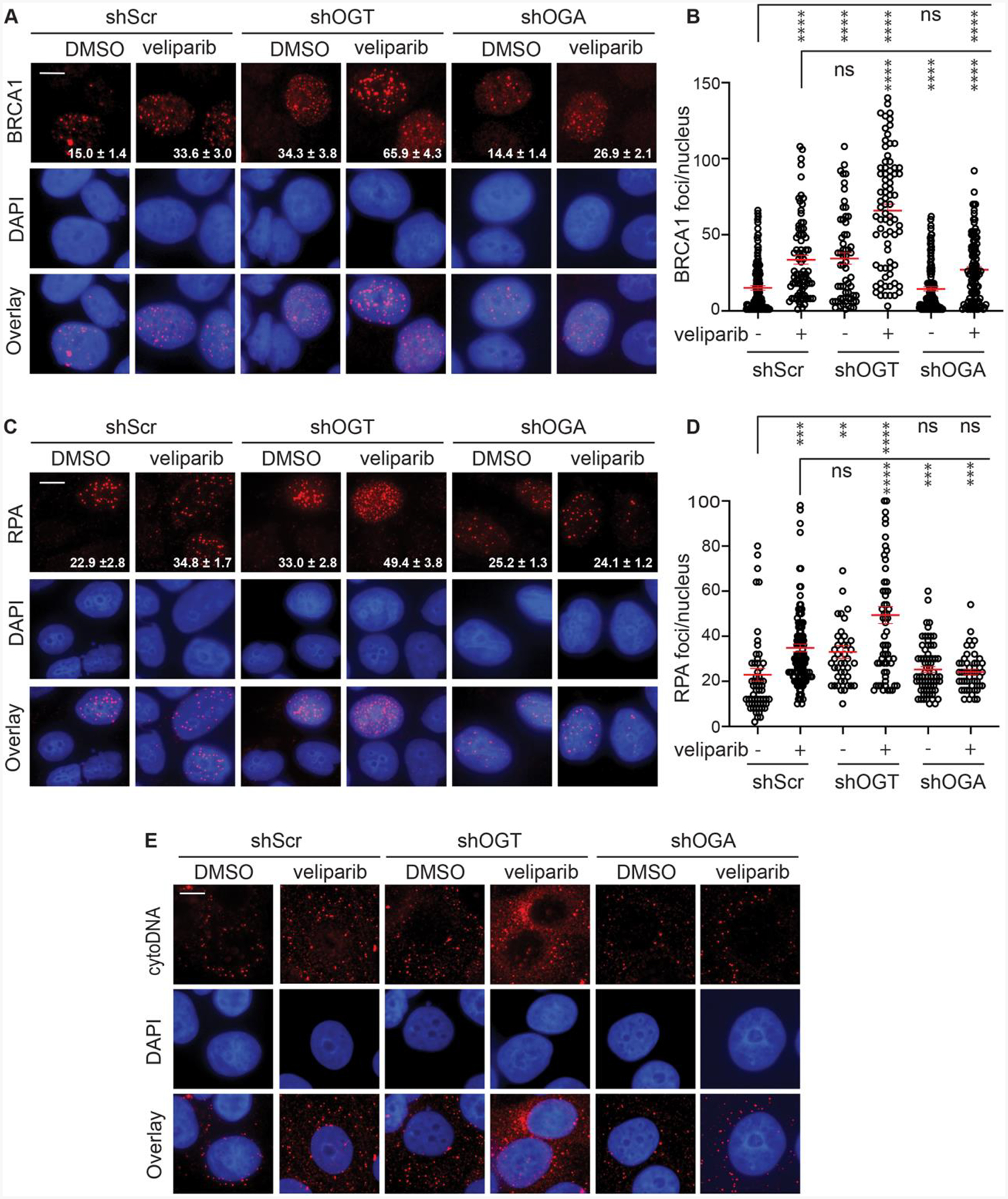 Figure 5
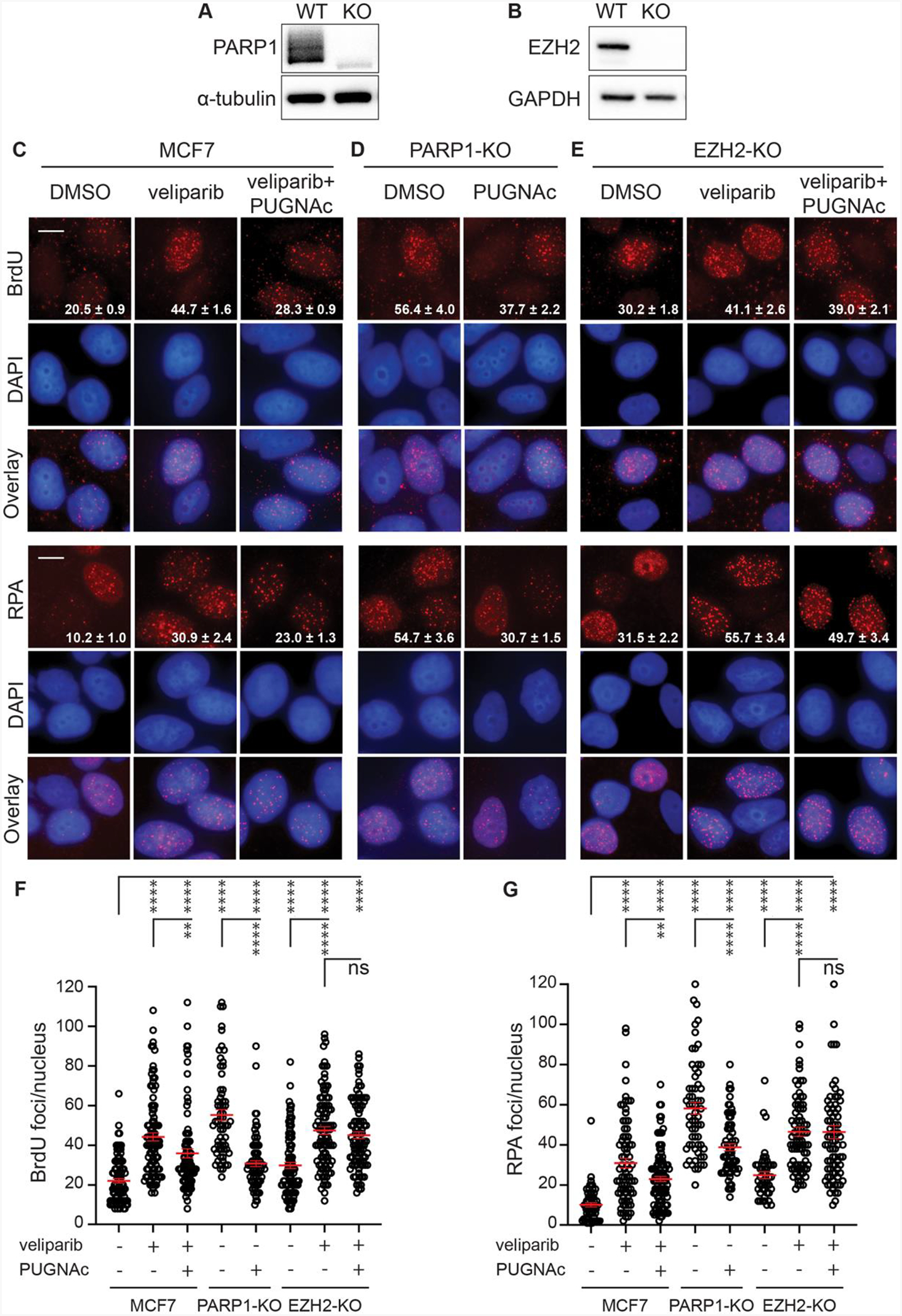 Figure 6
Peer Reviews
No public reviews on file for this paper yet. If you reviewed it on a platform where reviews are public (OpenReview, ICLR, NeurIPS, ICML), you can paste yours below so the community can read it here.
Videos
No videos yet. Explain this paper in a talk, walkthrough, or lecture? Add one.
Taxonomy
TopicsGlycosylation and Glycoproteins Research · Cancer, Hypoxia, and Metabolism · Cancer Research and Treatments