Targeting ST18-mediated pathomechanism in pemphigus vulgaris through voltage-dependent anion channel inhibition
Sari Assaf, Ofer Sarig, Rawaa Ishtewy, Yazeed Zoabi, Yarden Feller, Kiril Malovitski, Janan Mohamad, Shir Bergson, Carmel Bilu, Varda Shoshan-Barmatz, Noam Shomron, Dan Vodo, Liat Samuelov, Eli Sprecher

TL;DR
This study explores how inhibiting voltage-dependent anion channels could prevent cell death in pemphigus vulgaris, a severe skin disease.
Contribution
The study identifies VDAC as a novel therapeutic target in pemphigus vulgaris by linking it to ST18-mediated apoptosis.
Findings
ST18 overexpression increases VDAC1, VDAC2, and VDAC3 while decreasing anti-apoptotic BCL2.
VDAC inhibition with VBIT-12 reduces apoptosis and prevents acantholysis in PV models.
PV patients show elevated epidermal VDAC1 expression, linking it to disease severity.
Abstract
Pemphigus vulgaris (PV), a severe mucocutaneous blistering disease, results from autoantibody-mediated destabilization of epidermal cell–cell adhesion. A functional risk variant at the ST18 locus was found to promote epidermal ST18 expression. Increased ST18 expression was found to aggravate the deleterious effect of PV autoantibodies in part through induction of p53-mediated proapoptotic pathways. The voltage-dependent anion channel (VDAC) is a key regulator of mitochondria-mediated apoptosis. To delineate the interplay between ST18 and VDAC in apoptosis regulation, and the therapeutic potential of VDAC inhibitors in PV. We used global RNA sequencing (RNAseq) of human keratinocytes to assess ST18-dependent changes in VDAC1, VDAC2, VDAC3 and BCL2 expression. Immunostaining of skin biopsies was used to evaluate VDAC1 in patients with PV. Apoptotic activity was analysed by caspase 3/7…
Genes, proteins, chemicals, diseases, species, mutations and cell lines named across the full text — each resolved to its canonical identifier and authoritative record.
Click any figure to enlarge with its caption.
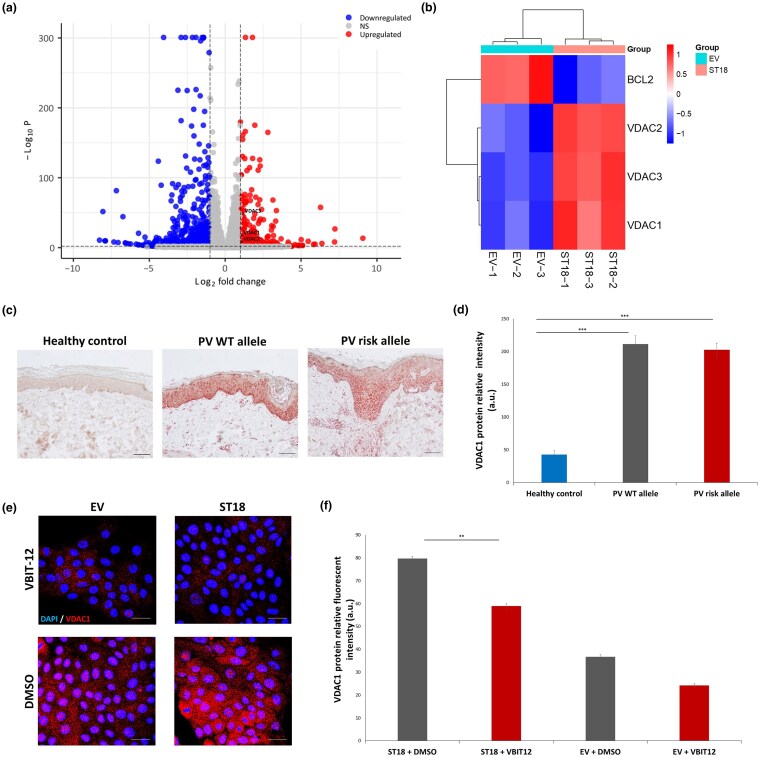 Figure 1
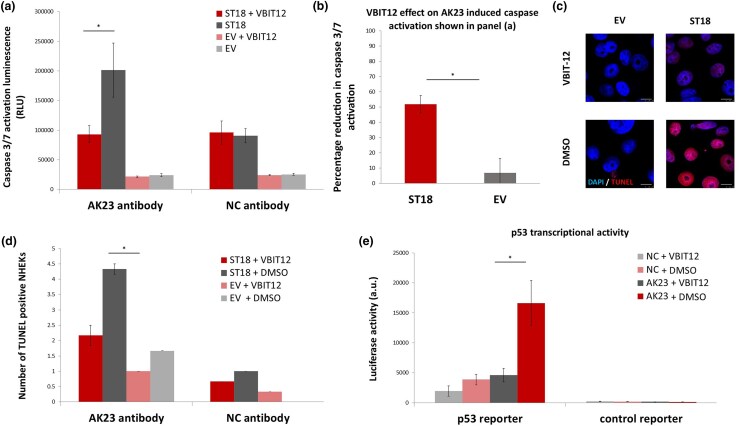 Figure 2
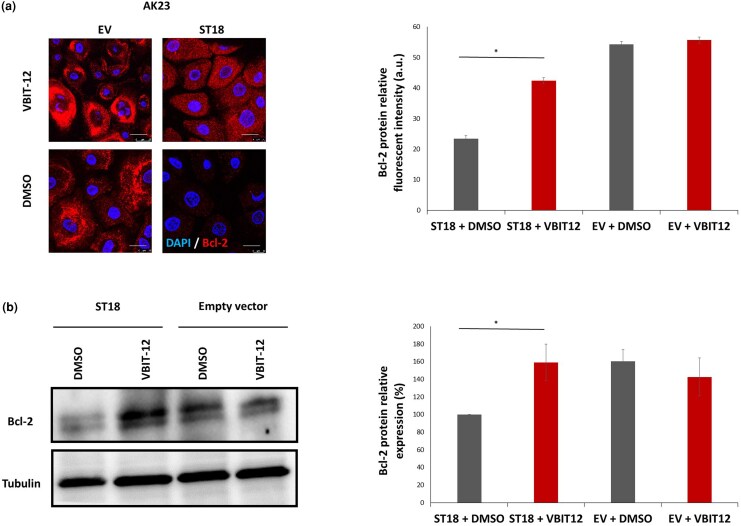 Figure 3
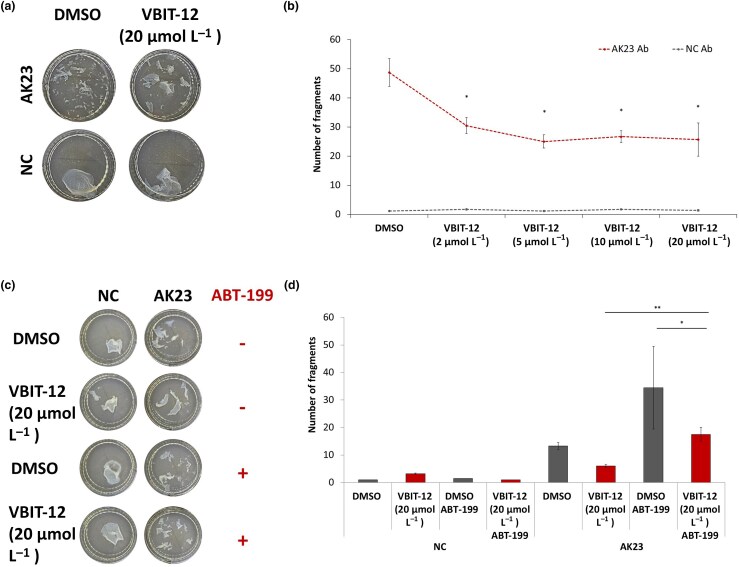 Figure 4
Peer Reviews
No public reviews on file for this paper yet. If you reviewed it on a platform where reviews are public (OpenReview, ICLR, NeurIPS, ICML), you can paste yours below so the community can read it here.
Videos
No videos yet. Explain this paper in a talk, walkthrough, or lecture? Add one.
Taxonomy
TopicsAutoimmune Bullous Skin Diseases · Skin and Cellular Biology Research · Cutaneous lymphoproliferative disorders research