Protocol for AI-based prediction of problematic digital technology use among Indian youth: a Centre for Advanced Research on Addictive Behaviours initiative
Yatan Pal Singh Balhara, Rajeev Ranjan, Siddharth Sarkar, Simran Kaur, Ragul Ganesh, Shivanand Kattimani, Vandena Saxena, Subhash Das, Vishal Dhiman, Rachna Bhargava, Tanmay Joshi, Anindo Majumdar, Swarndeep Singh, Bichitra Nanda Patra

TL;DR
This study aims to create an AI model to predict digital technology addiction in Indian youth, helping prevent mental health issues like stress and anxiety.
Contribution
A novel AI-based predictive model for identifying Indian youth at risk of problematic digital technology use and associated psychological outcomes.
Findings
An AI model will be developed and validated for early detection of digital technology use vulnerability.
The model will incorporate demographic, psychological, and digital phenotype data for accurate predictions.
Findings will support targeted interventions and digital-wellness policies in educational and community settings.
Abstract
Artificial intelligence (AI) and machine learning have an important role in mental health research by helping to predict and prevent digital addiction and problematic digital technology use. These include behaviors linked with internet, smartphones, gaming, social media, gambling, over-the-top (OTT) platforms watching, pornography watching, shopping/ buying, and excessive screen time. This multi-center study aims to develop and validate an AI-based predictive model to identify Indian youth at risk of problematic use of digital technology and associated psychological outcomes such as stress, anxiety, depression, and addiction. The study corresponds to one of the objectives of the Centre for Advanced Research on Addictive Behaviours (CAR-AB) initiative. Students aged ≥12 years from schools and colleges across six Indian sites (New Delhi, Bhopal, Patna, Puducherry, Rishikesh, and…
Genes, proteins, chemicals, diseases, species, mutations and cell lines named across the full text — each resolved to its canonical identifier and authoritative record.
Click any figure to enlarge with its caption.
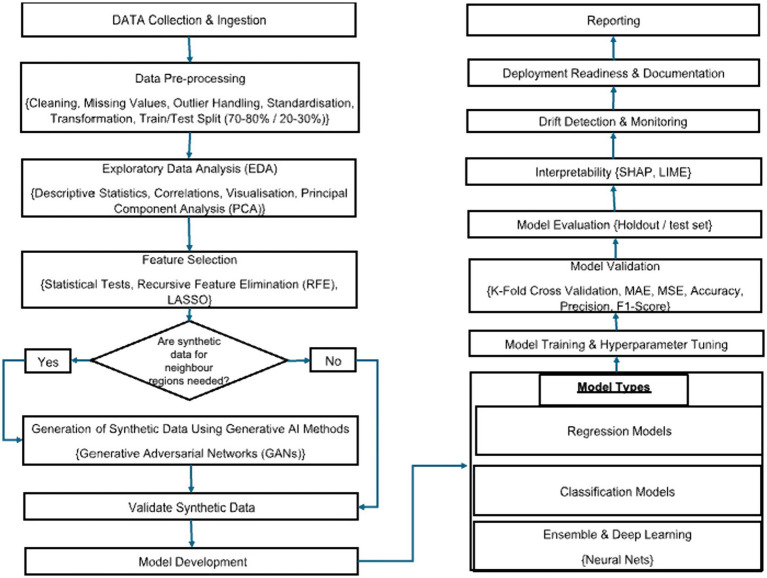 Figure 1
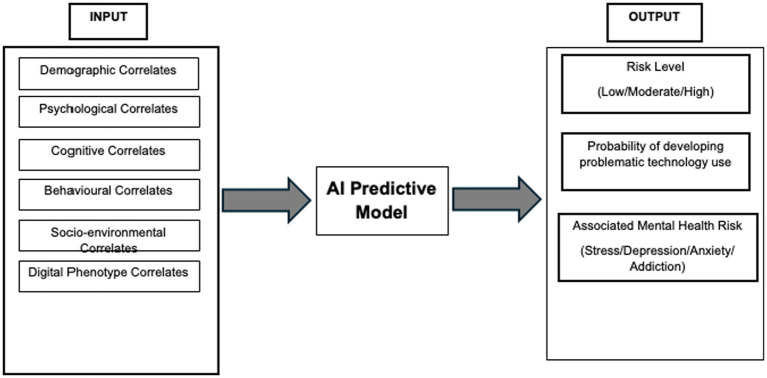 Figure 2
Peer Reviews
No public reviews on file for this paper yet. If you reviewed it on a platform where reviews are public (OpenReview, ICLR, NeurIPS, ICML), you can paste yours below so the community can read it here.
Videos
No videos yet. Explain this paper in a talk, walkthrough, or lecture? Add one.
Taxonomy
TopicsImpact of Technology on Adolescents · Digital Mental Health Interventions · Mental Health via Writing