A Case of Brachial Plexus Injury Induced by Intraoperative Positioning during Thoracoscopic Resection of a Mediastinal Tumor
Daiki Takei, Takuro Miyazaki, Ryoichiro Doi, Koichiro Shimoyama, Daisuke Taniguchi, Tomohiro Obata, Satoshi Mizoguchi, Soichiro Kiya, Keitaro Matsumoto

TL;DR
A patient developed brachial plexus injury during thoracic surgery due to improper positioning, highlighting the importance of careful intraoperative limb and neck alignment.
Contribution
This case report highlights the risk of brachial plexus injury during thoracoscopic surgery due to improper positioning and emphasizes preventive measures.
Findings
A 40-year-old female developed brachial plexus injury after thoracoscopic resection due to improper positioning.
MRI confirmed brachial plexus swelling and high signal intensity, with full recovery achieved after conservative treatment.
Preventive measures like preoperative simulation and intraoperative reassessment are critical to avoid such injuries.
Abstract
Brachial plexus injury is a rare but serious complication of thoracic surgery performed in the lateral position. Improper positioning of the upper limb or neck can increase the risk of nerve damage. Risk factors include excessive abduction of the upper limb and hyperextension of the neck. Preventive measures—such as preoperative simulation of surgical positioning, regular intraoperative reassessment of limb and neck alignment, and close collaboration among surgeons, anesthesiologists, and nursing staff—are critical for ensuring patient safety. A 40-year-old female diagnosed with an anterior mediastinal neuroendocrine tumor underwent thoracoscopic resection in the left lateral position. During intraoperative repositioning, fixation of the right upper limb became dislodged, resulting in external rotation of the arm and neck extension. Postoperatively, she developed right upper limb…
Genes, proteins, chemicals, diseases, species, mutations and cell lines named across the full text — each resolved to its canonical identifier and authoritative record.
Click any figure to enlarge with its caption.
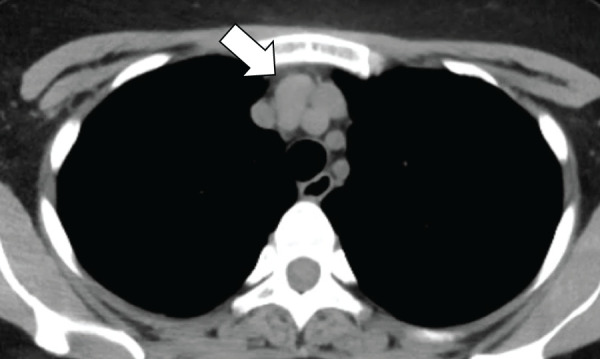 Figure 1
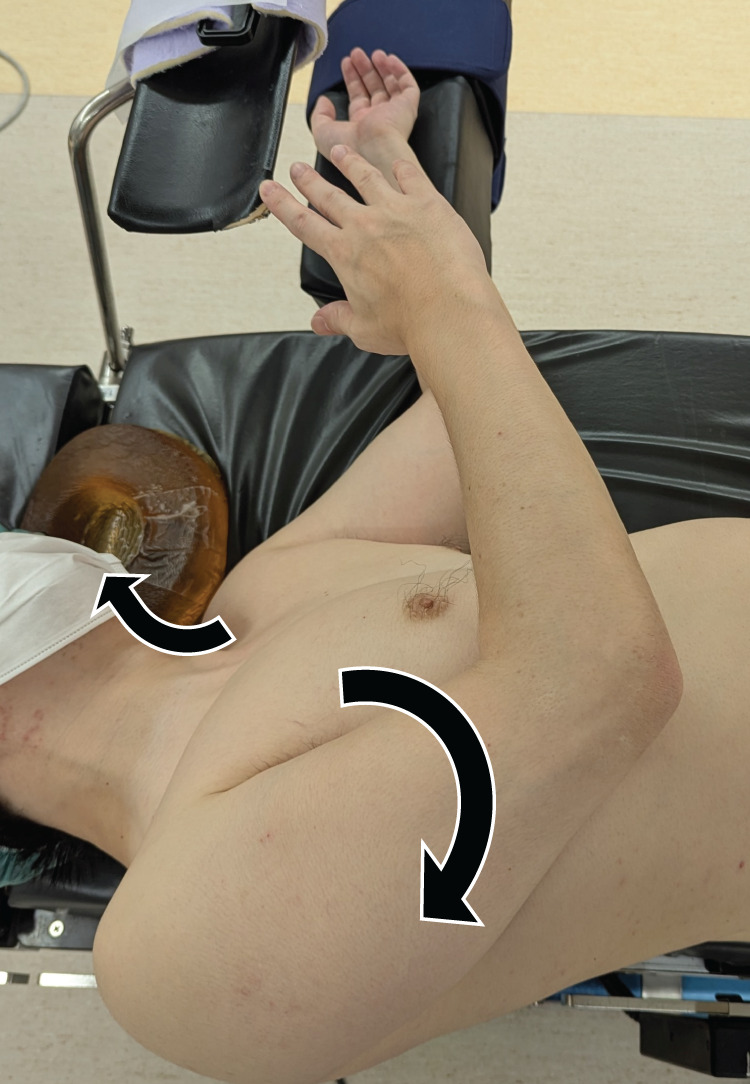 Figure 2
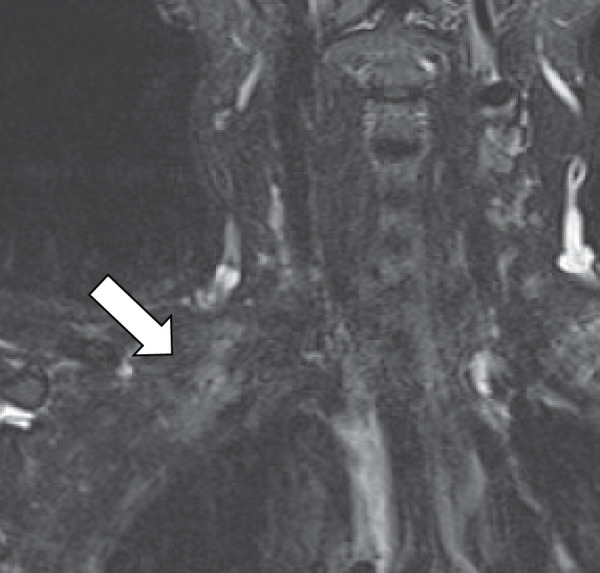 Figure 3
Peer Reviews
No public reviews on file for this paper yet. If you reviewed it on a platform where reviews are public (OpenReview, ICLR, NeurIPS, ICML), you can paste yours below so the community can read it here.
Videos
No videos yet. Explain this paper in a talk, walkthrough, or lecture? Add one.
Taxonomy
TopicsIntraoperative Neuromonitoring and Anesthetic Effects · Nerve Injury and Rehabilitation · Neurofibromatosis and Schwannoma Cases